
Invented by WIKELSKI; Martin Christoph, WILD; Timm Alexander, HEINE; Georg, VORNEWEG; Berne, DECHMANN EL ARBI; Dina Kea Noanoa, MÜLLER; Ursula Rosa, KEEVES VON WOLF; Brigitta Monika, QUETTING; Michael Oliver, GRÜTZMACHER; Florian, HAUBELT; Christian, KÜHN; Erik, Max-Planck-Gesellschaft zur Förderung der Wissenschaften E.V.
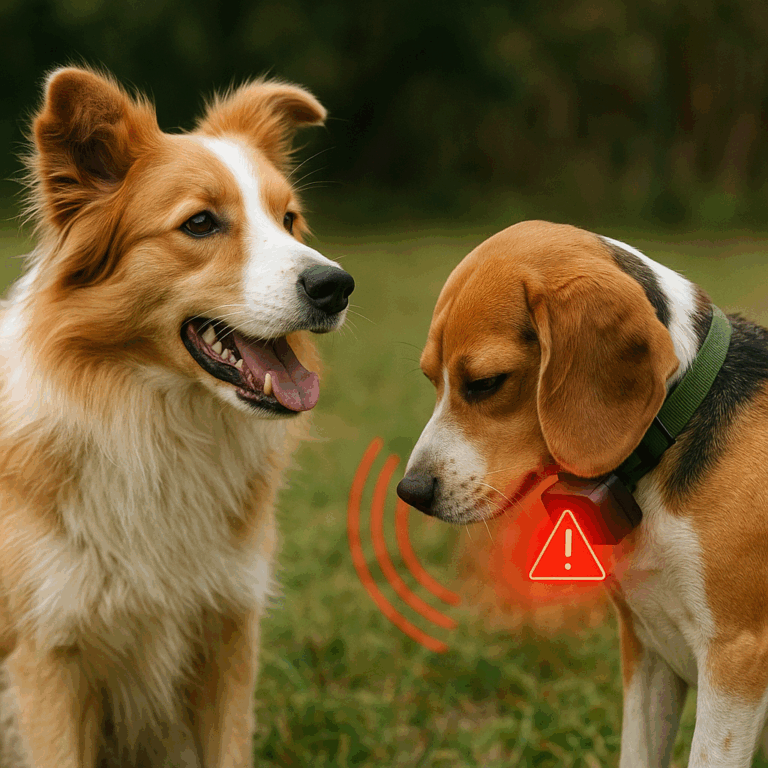
Sometimes, a single invention can change how we protect wildlife, care for pets, and even watch over our homes. Today, we take a close look at a new patent application that proposes smarter ways to monitor and influence animal behavior, especially between pets like cats and the smaller animals they might hunt. If you care about animal welfare, technology, or simply want to know how the future of pet care might look, you’re in the right place. Let’s break down this invention, starting with market needs and background, then moving to the science and prior solutions, and finally exploring what makes this device and method truly innovative.
Background and Market Context
To understand why this patent matters, we first need to look at the world where cats, birds, and people live together. In many countries, cats are one of the most popular pets. They are loved for their independence and charm. But when cats are allowed to roam outside, they bring big problems for wildlife. For example, in Germany alone, about a third of homes have at least one pet cat, and most of these cats go outside daily. Studies show that free-roaming cats kill many small animals—hundreds of millions of birds, rodents, and even insects every year. This has become a major problem for people trying to protect birds and other wildlife.
Because of this, some people have suggested harsh solutions like keeping cats indoors, putting big collars or bells on them, or even taxing cat owners. But these ideas are not popular, and they do not really work. Bells and flashy collars make cats more visible, but many cats still catch birds. Declawing is painful for the animal and is banned in many places. These solutions also fail to tell the difference between a cat hunting a bird (which might be bad for the environment) and a cat hunting a rodent (which some people see as useful).
The need for a better solution is clear. Cat owners want their pets to enjoy a full life, but they do not want to be responsible for the decline of local wildlife. People who love wildlife want to protect birds and other small creatures. Both groups need a way to reduce harm, without hurting the cats or making pet ownership too hard. On top of this, pet owners would also like help keeping their cats out of certain rooms or off furniture, and would love a way to check their pets’ health, even when the cat spends lots of time away from home.
In the past, some devices have tried to use sensors to watch animal behavior. For example, there are collars that record movement, or devices that make sounds to scare off prey. But these devices often have big problems. They might not be fast enough to warn birds in time. Some need to send data to a computer far away, which doesn’t work if the cat is out of WiFi range. Others might bother the cat all day, not just when it is hunting, which is unfair to the animal. These tools also can’t tell what kind of prey the cat is hunting, so they warn all animals, not just the ones that need help.

So, the perfect solution would be a smart, light, and gentle device that can tell when a cat is about to hunt, figure out what animal is being hunted, and then give a warning sound only when needed. Even better, it could help owners keep cats out of certain places, and check for signs of illness. This is exactly what the new patent application aims to deliver.
Scientific Rationale and Prior Art
The science behind animal behavior tracking has come a long way. For years, people have tried to use sensors to watch how animals move. Simple accelerometers (which measure movement) have been used to track running, sleeping, or other actions. But it turns out that the way a cat moves when hunting a bird is often very different—even in small ways—from how it moves when hunting a mouse or just walking around.
Some prior systems used GPS to track pets, or basic motion sensors to see if a collar was moving. Others tried to use sound to scare birds away whenever the cat was nearby. But these systems had big flaws. First, the sensors were not sensitive enough to pick up the tiny muscle movements that show when a cat is in hunting mode. Second, even when data was collected, it had to be sent to a computer or phone for processing. This is slow, and if the cat is outside WiFi or Bluetooth range, nothing happens in real time. Third, warning sounds would often play at the wrong time, making all animals in the area nervous, or annoying the cat for no reason.
Another big problem is that prior art could not tell the difference between different types of hunting. A cat stalking a bird might make quick, light muscle movements while staying still, ready to leap. Hunting a mouse might look different—less movement, more waiting. If the device cannot tell the difference, it might warn birds even when the cat is just sitting in the grass, or fail to warn them in time.
A few more modern systems began to use machine learning. This means they could be trained with lots of data to look for special patterns in motion or sound. But again, these systems often needed too much power, or had to send data away for analysis. Some tried to use wireless data transfer, but this only works if there is a strong, always-on connection—something that is not possible when cats roam far from home.
In short, the older solutions were either too simple, too slow, or too hard to run on a small, battery-powered device. They also could not be fine-tuned to only warn certain types of animals, or to only act in special situations. Owners were left with a choice between ineffective bells and high-tech gadgets that did not really solve the problem.

This is why the new patent application is so important. It takes the best parts of modern science—tiny, sensitive sensors, fast processors, and smart software—and puts them all together in a way that works without needing outside help. The whole system fits in a small collar, works in real time, and can be set up to match the needs of different homes, pets, and environments.
Invention Description and Key Innovations
Now, let’s get into how this invention actually works, what it does that is new, and why it could make life better for pets, wildlife, and people.
The heart of the invention is a small device that you attach to a cat’s collar. This device includes a few key parts: a memory (like a tiny computer hard drive), one or more sensors (to track motion, sound, or even air pressure), a processor (the “brain” that makes decisions), and a signal generator (to make sounds or signals as needed).
Here’s how it works, step by step:
First, the device is trained with data. This means it watches how cats move in different situations—like hunting a bird, hunting a mouse, walking, or just relaxing. It picks out small features in the data, like how fast the cat moves, how often it twitches its muscles, and so on. These features are saved in the device’s memory.

Next, the device uses its sensors to constantly watch the cat’s movements and the environment. The sensors can be very sensitive. For example, a 3D accelerometer can pick up tiny changes in how the cat shifts its weight or moves its head. There can also be sensors for sound or pressure, which help tell if the cat is outside, inside, or even in a certain room.
The processor, using smart software—like machine learning—compares the live data with the saved features. It looks for patterns that match hunting behavior. It can even tell if the cat is hunting a bird, a rodent, or something else. This happens very quickly, right on the device, without needing to send data anywhere else.
If the device sees that the cat is about to hunt a bird, it can make a warning sound. This sound is carefully chosen: it can be a natural bird alarm call, or another noise that birds understand as a warning. The sound can be set to only be heard by birds (in a certain frequency range), so the cat is not bothered. If the cat is hunting a rodent, the device can be set to stay silent, if that’s what the owner wants.
But the invention goes further. The device can also help with other things:
– It can help train the cat not to go into certain rooms, or jump on furniture, by making a gentle sound when the cat gets too close to a “no-go” area.
– It can track the cat’s health by watching for unusual behavior, like too much scratching, coughing, or drinking—signs that might mean the cat is sick. If something seems wrong, the device can send a message to the owner, or even to a vet, using wireless signals.
– The device can even help owners find their cat, by making a special sound or sending a location signal.
All of this happens without needing the cat to be in WiFi range, or the owner to do anything special. The device is light, so the cat hardly notices it. The sensors and processor use very little power, so the battery lasts a long time.
The key innovations in this invention are:
– Real-time, on-device detection of animal behavior, using smart sensors and machine learning.
– The ability to tell the difference between hunting different types of prey, so warnings are only given when and where they are needed.
– Smart warning signals that can be tuned to only affect certain types of animals, like birds, without bothering the cat or other pets.
– Extra features for health monitoring and training, all in one small device.
– Flexible setup: owners can choose what behaviors to watch for, what sounds to play, and even get alerts when their cat might be sick or missing.
This invention is not just about stopping cats from hunting birds. It’s about making the relationship between pets, people, and wildlife better for everyone. It gives owners more control without hurting their pets’ quality of life. It protects wildlife without harsh rules or punishments. And it uses technology in a way that is simple, smart, and reliable.
Conclusion
The patent application we explored today is more than just a new gadget for pet owners. It is a thoughtful solution to a real-world problem, using modern technology to balance the needs of pets, people, and wildlife. By bringing together sensitive sensors, fast processors, and clever software, it creates a tool that can make life safer for birds, healthier for cats, and easier for owners.
If you are interested in the future of animal welfare, smart pet care, or environmental protection, this invention is worth watching. It is a great example of how science and technology can work together to solve everyday problems in a gentle, effective way. As these devices become more common, we can look forward to a world where our pets and our wildlife live together more safely—and where caring for animals is smarter, kinder, and more connected than ever before.
Click here https://ppubs.uspto.gov/pubwebapp/ and search 20250228215.