
Invented by Kanchi; Janakiram, Kulkarni; Nikhil Vishwas, R.; Basavaraj, R.; Nirmal Sabaree, Sharma; Sunny
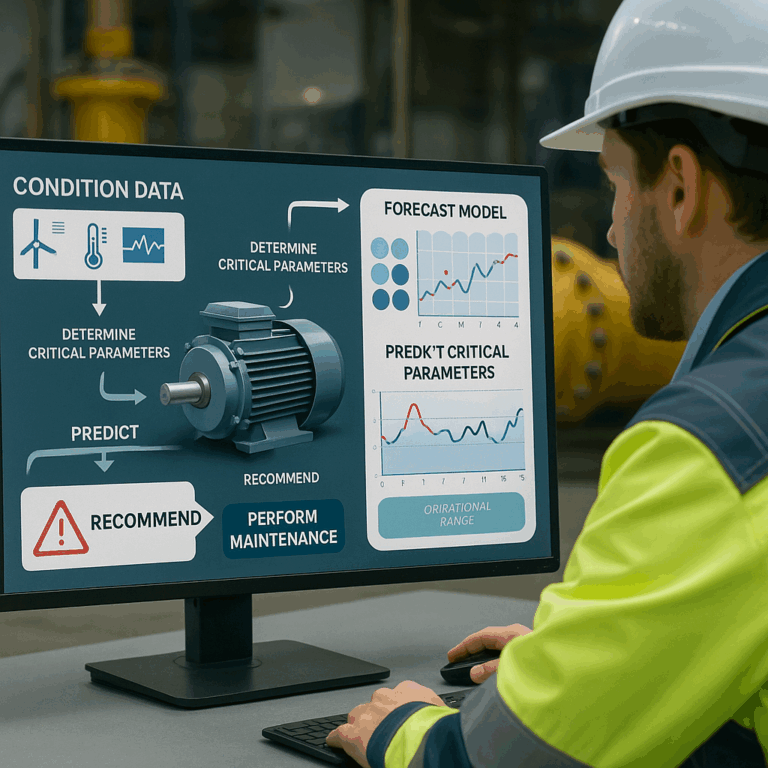
Modern factories and power plants are packed with machines that need to run safely and smoothly. But keeping track of all these machines, or “assets,” is hard. Problems like breakdowns can cause big delays, waste money, and even create dangers for people. A new patent application offers a way to use computers and smart software to watch over these assets, spot issues before they happen, and help keep everything working well. Let’s explore how this invention could change the way we manage and protect our valuable machines.
Background and Market Context
Factories, power plants, and other industrial places use many kinds of machines to keep things running. These machines might be motors, fans, pumps, or even big items like turbines and MRI scanners. They are all “assets” that need to work properly. If something goes wrong with an asset, it can stop the whole process, cause delays, cost money, and even create safety risks. This is why companies spend a lot of time and effort making sure their assets are in good shape.
Traditionally, people have used sensors to collect data from these machines. For example, a sensor might measure a motor’s temperature, its speed, or the amount of vibration it makes. Other sensors might check the voltage or the pressure inside a pipe. This data can show if a machine is running as it should or if something is wrong. But there are some big problems with how things are done today.
First, there’s just so much data. Every machine can have lots of sensors, and each sensor sends information every second. It’s hard for people to keep up or understand it all. Second, the way people use this data is often slow. They set simple rules, like “If the temperature is over 100 degrees, sound an alarm.” But machines and factories are complex. What’s “normal” can change depending on the workload, the season, or the age of the machine. Simple rules can lead to false alarms or missed problems.
Another issue is that most current systems still need people to set up and watch over the data. Experts are needed to decide what numbers are okay, what counts as a warning, and when to call for repairs. This takes time and skill, and mistakes can happen. If the rules are set wrong, a machine might break down without warning.

These challenges mean that many companies still face sudden failures, wasted materials, and long delays. A machine might break down in the middle of the night when no one is watching, or a small problem might get missed until it becomes a disaster. The cost of unplanned downtime can be huge, and so can the safety risks.
Because of these problems, there’s a big need for smarter, faster, and more accurate ways to watch over assets. Companies want systems that can not only show what’s happening now, but also predict what might happen in the future, and even suggest what to do next. The new patent application we’re exploring today is designed to meet this need. It uses modern computing and artificial intelligence to create a system that learns, adapts, and helps make better choices with less human effort.
Scientific Rationale and Prior Art
Over the years, many researchers and engineers have tried to find better ways to monitor machines. The main tool has been collecting lots of data from sensors and trying to make sense of it. Some past systems used simple statistics, like taking the average or maximum value of a parameter. Others used more advanced math, like regression, to find patterns in the data. But these approaches often fall short in busy, complex environments.
For example, one earlier method looked at technical and economic numbers in nuclear power plants to spot risks. Another used multivariate data analysis in hydroelectric systems, relying on statistical regression. While these systems could show some relationships between different factors, they weren’t very good at predicting future failures. They usually needed experts to set the rules and interpret the results. They also struggled to keep up when machines or environments changed over time.
One big problem with old systems is that they treat each parameter separately. For instance, if you watch only the temperature of a motor, but not its speed or vibration, you might miss signs of a coming failure. But in real life, machines are complex and many parameters are linked. A problem in one area can cause changes in others. Simple systems can’t handle this.
Another issue is that old systems depend on fixed thresholds. Someone has to decide what’s “too high” or “too low” for each sensor. But the right answer can change as machines age or as the environment shifts. If the thresholds don’t change, the system can give too many false alarms or miss real problems.
Recent advances in computer science have brought in machine learning and artificial intelligence. These are methods where computers learn from data, spot patterns, and make predictions. Some new systems use neural networks, which are computer models inspired by the human brain, to predict future problems. However, many of these systems still focus on just one aspect—like predicting failures from maintenance records—or need huge amounts of labeled data, which can be hard to get.
The patent application we are discussing takes these ideas further. It combines data from many sensors, finds the critical parameters that matter most, and uses smart models to understand how these parameters are related. It then predicts what will happen next, checks if things are still in a safe range, and suggests what actions to take. Most importantly, it can keep learning as things change, retraining itself when it sees new patterns or when its predictions are less accurate. This makes it more flexible and useful than older systems.
Unlike prior art, this invention does not need as much manual intervention or fixed thresholds. It handles multiple parameters at once, finds faults, and even estimates how long a machine can run before needing maintenance. By bringing together advanced machine learning, real-time data, and adaptive models, it addresses many of the weaknesses in existing solutions.
Invention Description and Key Innovations
The new invention is a complete system for monitoring machines in places like factories and power plants. It includes methods, devices, and computer programs. Let’s break down how it works and what makes it special.
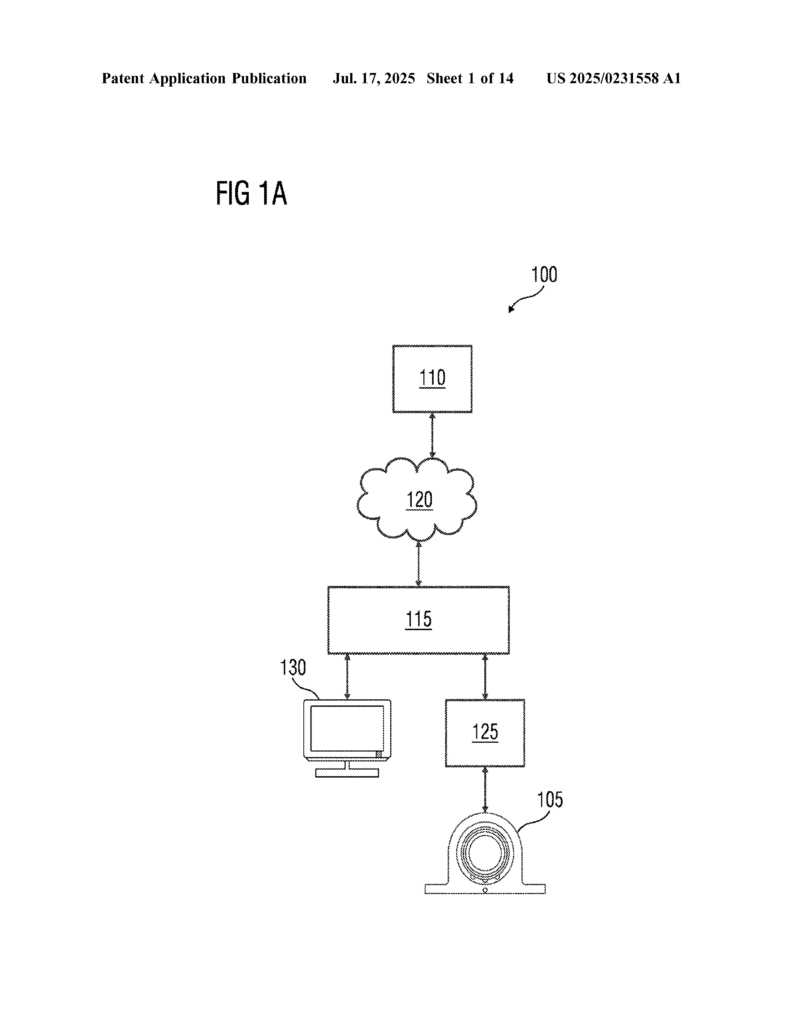
At its heart, the system starts by collecting data from many sensors attached to each asset. These sensors might measure temperature, pressure, speed, voltage, vibrations, and more. The data comes in all the time, giving a real-time picture of how the machine is behaving.
Once the data arrives, the system looks for the most “critical parameters.” These are the numbers that have the biggest impact on the machine’s health and efficiency. For example, a motor might have many sensors, but perhaps only temperature, current, and vibration really matter most for predicting failure. By focusing on these key points, the system can be faster and more accurate.

The next step is building a “correlation matrix.” This is a mathematical map showing how each critical parameter is related to the others. For example, if the pressure inside a pump goes up, does the temperature also rise? Or if the speed of a fan drops, does the vibration increase? The correlation matrix helps the system understand these relationships.
With this knowledge, the system creates a “forecast model” using a type of artificial intelligence called a neural network. This model is trained on past data—real examples of how the asset has behaved before. The neural network learns what normal looks like and what patterns can lead to trouble. It uses both the values of the critical parameters and their relationships to make its predictions.
Once trained, the forecast model can look at the current data and predict what will happen in the near future. For example, it might forecast that temperature will rise above a safe level in two hours, or that vibration will stay normal. These predictions help spot problems early, before they get serious.
After making predictions, the system checks if the predicted values are inside a safe range—the “operational range.” If everything looks okay, it keeps watching. But if a predicted value steps outside the safe zone, the system takes action. It can show a warning on a screen, suggest what to do next, or even send an alert to maintenance staff. This helps prevent breakdowns and keeps things running smoothly.
A key innovation is how the system finds and handles faults. Using another neural network, it looks at the real-time data and spots signs of trouble. It can classify the type of fault—such as low voltage, overloading, or a locked rotor. It even builds a report showing how often each problem has happened, helping teams focus on the most common or serious issues.
The system also has a clever way to handle changing conditions. Machines don’t always behave the same way; as they get older or as the environment changes, what’s “normal” can shift. To stay accurate, the forecast model checks if its predictions are matching real outcomes. If it starts to get things wrong, the system retrains itself using new data, a process called “reinforcement learning.” This keeps the predictions sharp and up to date. The retraining can happen automatically at regular intervals or when the model notices its accuracy is slipping.
Another important feature is the estimation of “remaining maintenance life” or RML. Instead of waiting for a machine to break, the system uses its models to guess how much longer the asset can run before it needs attention. It does this by looking at the history of faults and the current state of the asset. This helps teams plan repairs, order parts, and avoid surprise breakdowns.
The system is designed to be flexible. It can run on powerful cloud computers, on smaller devices close to the machines (“edge devices”), or in a mixed setup. This means it can fit different company needs and can scale up or down as required.
For users, the system offers clear displays and reports. It can show real-time graphs of each parameter, predicted trends, and warnings. It can highlight which machines need attention and why. It can also provide easy-to-understand recommendations, making it simpler for staff to take the right actions.
What sets this invention apart is its ability to handle complex, changing environments without constant human oversight. By focusing on the most important data, understanding how parameters are connected, learning over time, and offering clear advice, it promises to make factories and plants safer, more reliable, and more cost-effective.
Conclusion
Keeping machines healthy is a huge job in today’s busy factories and plants. Old ways of watching over assets are slow, often wrong, and need lots of expert help. The new patent application described here brings the power of artificial intelligence to the problem. By collecting real-time data, focusing on the most important parameters, finding relationships, predicting the future, spotting faults, and learning as things change, it offers a smarter, faster, and more reliable way to keep assets running.
With this system, companies can reduce surprises, avoid costly breakdowns, and plan maintenance with confidence. They can see problems before they happen and take action at the right time. As machines become more complex and the need for uptime grows, such smart monitoring will become even more important. This invention could set a new standard for how we care for the machines that drive our world.
Click here https://ppubs.uspto.gov/pubwebapp/ and search 20250231558.