
Most founders do not fear building the product. They fear the moment someone serious asks for proof.
A big customer asks for a SOC 2 report. A bank asks for clean financials. A future acquirer asks for an audit. An investor asks a simple question: “Can I trust your numbers?”
Audit readiness is really trust readiness.
The trap is that many early teams try to “fix” this by building a full finance machine too early. They buy heavy tools. They hire too soon. They copy big-company steps. They spend months “setting up finance” and still feel unsure.
You do not need to overbuild finance to be audit ready. You need a clean story, clean records, and clean habits.
That is what this guide is about.
And if you are building deep tech—AI, robotics, or hard engineering—this matters even more. Your cap table is often complex early. Your R&D spend can be high. Your IP work can be a major asset. The clearer you are, the more leverage you have when you raise. If you want help building an IP foundation that stands up to investor review, you can apply anytime at https://www.tran.vc/apply-now-form/.
What “audit ready” really means at an early startup

Let’s keep it simple. An audit is a test. It checks if your financial statements match reality. It also checks if you have enough proof for what you claim.
For a pre-seed or seed startup, “audit readiness” usually does not mean you are going to get a full audit next month. It means you could survive one without panic if a customer, lender, or investor pushed you there.
In plain terms, you are audit ready when:
- You can explain where money came from and where it went, and you can prove it.
- Your numbers match your bank and payment systems.
- You can show clear records for equity, debt, and any SAFE notes.
- You can show clean support for revenue, if you have revenue.
- You can show how you treat big costs like contractors, cloud spend, and IP work.
- You can answer questions fast, without scrambling through old emails.
Notice what is not on that list: fancy dashboards, ten finance hires, or complex planning software.
Audit readiness is not about looking big. It is about being clear.
The overbuilding problem: why founders get stuck
Overbuilding finance usually starts with a good reason.
You want to look serious. You want to avoid mistakes. You want to impress investors. You want to “do it right.”
But “doing it right” too early often creates new problems:
You set up systems you do not understand, and no one maintains them. You create a chart of accounts that is so detailed it becomes useless. You track every small thing, but you miss the few items that truly matter. You end up with reports that look clean yet hide key risks.
Then, when diligence starts, the team still scrambles.
The goal is not to do more finance work. The goal is to do the right finance work.
So the question becomes: what is the smallest finance setup that still makes you audit ready?
The 80/20 view: the “clean core” that drives audit readiness

Almost every audit problem at an early startup comes from one of these issues:
- Transactions are missing or hard to match to the bank.
- Ownership records are unclear.
- Revenue support is messy.
- Costs are not supported or are coded wrong.
- Timing is unclear—what belongs in which month or year.
If you solve those five things, you are ahead of most startups.
This is the clean core:
You need a simple bookkeeping system that is kept up to date. You need a clean monthly close habit. You need a single place where documents live. You need a cap table you can trust. You need a clear approach for revenue and for big costs.
That’s it.
Everything else is extra.
And yes—your IP work belongs inside this clean core. Patents, filings, and related legal work often show up as major line items. If they are scattered or unclear, diligence gets harder. If they are tracked well, your story gets stronger. Tran.vc exists to help founders turn technical work into defensible assets investors can see, and you can apply anytime at https://www.tran.vc/apply-now-form/.
Start with the end in mind: what people will ask you for
Even if you are not doing a full audit, the requests you get often look like audit requests.
You may be asked for:
Bank statements for a full year, plus a reconciliation.
Your general ledger and trial balance.
Your financial statements by month.
Details on debt, SAFEs, and equity.
Contracts tied to revenue.
Invoices and proof of payment.
Contractor agreements and W-forms, depending on where you are.
Board consents for key actions.
A list of related-party transactions.
Your cap table and supporting documents.
Proof of IP ownership and assignments.
If you cannot pull these fast, you are not ready.
The good news: you can build this ability with small steps, not a big finance rebuild.
The “one-hour a week” habit that changes everything

Here is a reality: if you ignore finance for six months, you will pay for it later with a brutal weekend.
Audit readiness is not a one-time project. It is a light weekly habit.
One hour a week can be enough if you do the right things:
You keep the books current.
You attach receipts and invoices.
You tag big costs correctly.
You update the cap table when something changes.
You keep key contracts in one place.
This is not glamorous work. But it protects your time later.
It also protects your negotiating power. When your records are clean, you can raise faster, on better terms, with less stress.
That is a big part of “seed-strapping.” You build leverage before you need it. Tran.vc supports founders who want to grow this way. If that sounds like you, apply anytime at https://www.tran.vc/apply-now-form/.
The simplest finance stack that still works
You can be audit ready with a very lean setup. The tools matter less than the discipline, but tools can reduce mistakes.
A lean stack usually looks like:
A bookkeeping system (like QuickBooks, Xero, or similar).
A business bank account that is only for the business.
A card program that keeps receipts attached.
A clean folder system for documents.
A cap table tool (or a well-managed spreadsheet early on).
A basic payroll setup if you have employees.
You do not need five layers of systems. If your team is small, simplicity wins.
The key is to pick tools you will actually use, and then set clear rules:
Every expense gets a receipt.
Every invoice gets saved.
Every contract goes into the same place.
Every month gets closed on time.
If you do those four things, most “audit scary moments” go away.
The monthly close: how to do it without making it a big ritual

When people hear “close,” they think of big-company stress. But at an early startup, close can be simple.
A close is just a monthly checkpoint where you make sure your books match reality.
If you do it monthly, it stays light. If you skip it, it becomes heavy.
A simple close means:
Your bank balance matches your books after reconciliation.
Your credit card balances match.
You check for missing receipts.
You confirm revenue entries match invoices and contracts.
You review big categories: payroll, contractors, cloud, legal.
You lock the month and move on.
The first time, this might take a few hours. After you build the habit, it becomes quick.
This habit is the backbone of audit readiness. It gives you clean months instead of a messy year.
Why auditors and investors love “boring consistency”
In diligence, people look for patterns.
If your books are clean for ten months and messy for two, they ask why. If your revenue recognition shifts with no reason, they worry. If legal spend spikes but you cannot explain it, they dig deeper.
Consistency feels safe.
You do not need perfect numbers. You need explainable numbers.
That is what a good close gives you. It also helps you see problems early, like:
A contractor who should be on payroll.
A customer who is late on payments.
A cloud bill that is creeping up.
A patent cost that is being mis-coded.
A SAFE that was not recorded correctly.
Small issues become big issues when they sit in the dark.
Where deep tech startups get tripped up

Robotics, AI, and deep tech teams have a few special audit readiness risks.
One is R&D spending. Teams spend heavily before revenue. That is normal. But if spending is not tracked well, it can look careless. If it is tracked well, it looks intentional.
Another is mixed work. A single vendor might do engineering support plus research plus some IP work. If it is all booked in one random bucket, it is hard to explain later.
Another is grants, credits, and special programs. If you take them, you need clean support and clear timing.
And the big one is IP.
Investors often ask: who owns the inventions? Were the assignments signed? Are contractors covered? Are the patents filed under the right entity? Is there a clear chain from inventor to company?
This is not only legal. It is also a diligence story. When your IP is clean, your company feels real. When it is messy, buyers and investors worry.
Tran.vc focuses on this exact foundation—turning technical work into IP-backed assets early, without founders giving up control too soon. You can apply anytime at https://www.tran.vc/apply-now-form/.
Audit Readiness Without Overbuilding Finance
Why this matters sooner than you think
Audit readiness is not only for big companies. It shows up the first time a serious investor runs checks, a bank asks for clean numbers, or a large customer wants proof you run a tight ship. When you are early, you do not have time for chaos. You also do not have room for “we will fix it later” because later arrives fast.
Most founders think audits are about complex rules. In real life, it is more basic than that. People want to trust your story. They want to see that your numbers match your actions, and that your records are not held together by memory and old email threads.
If you are building AI, robotics, or deep tech, this pressure can hit earlier. Your spend is often heavy before revenue. Your legal and IP work can be real money. The cleaner you are, the more power you have when you raise. If you want help making your technical work stand up in diligence, you can apply anytime at https://www.tran.vc/apply-now-form/.
The common mistake: building finance like a big company
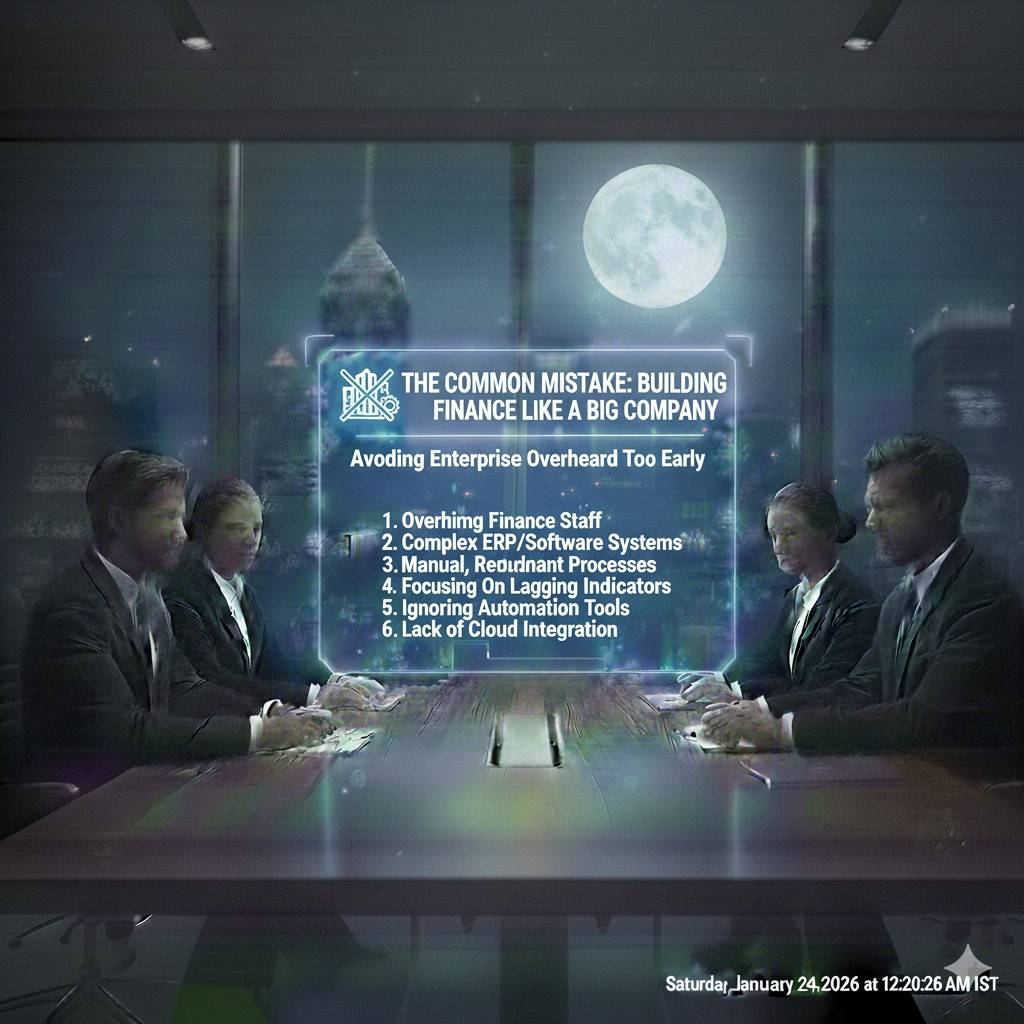
Overbuilding usually starts with fear. You want to look mature, so you copy what you think “real companies” do. You buy tools you do not need. You set up accounts that no one understands. You spend weeks designing a perfect system, and then no one keeps it updated.
This is how teams lose time and still end up unprepared. The problem is not effort. The problem is effort in the wrong place. Audit readiness does not reward complexity. It rewards clarity.
A simple system that is used every week will beat a complex system that is touched once a quarter. Your goal is not to build a finance department. Your goal is to make your numbers easy to trust.
What “Audit Ready” Really Means at an Early Startup
The plain-language definition
At an early startup, being audit ready does not mean you are about to hire a major audit firm. It means you can answer hard questions without panic. It means your books match your bank, your ownership records are clean, and you can show proof for the claims you make.
If someone asked you tomorrow for last year’s financial statements and the support behind them, you would not need a rescue weekend. You could pull the files, show the links, and explain the story in a calm way.
That is the level you want. Not perfect. Not fancy. Just clean and explainable.
The proof test: can you show the “why” behind every number
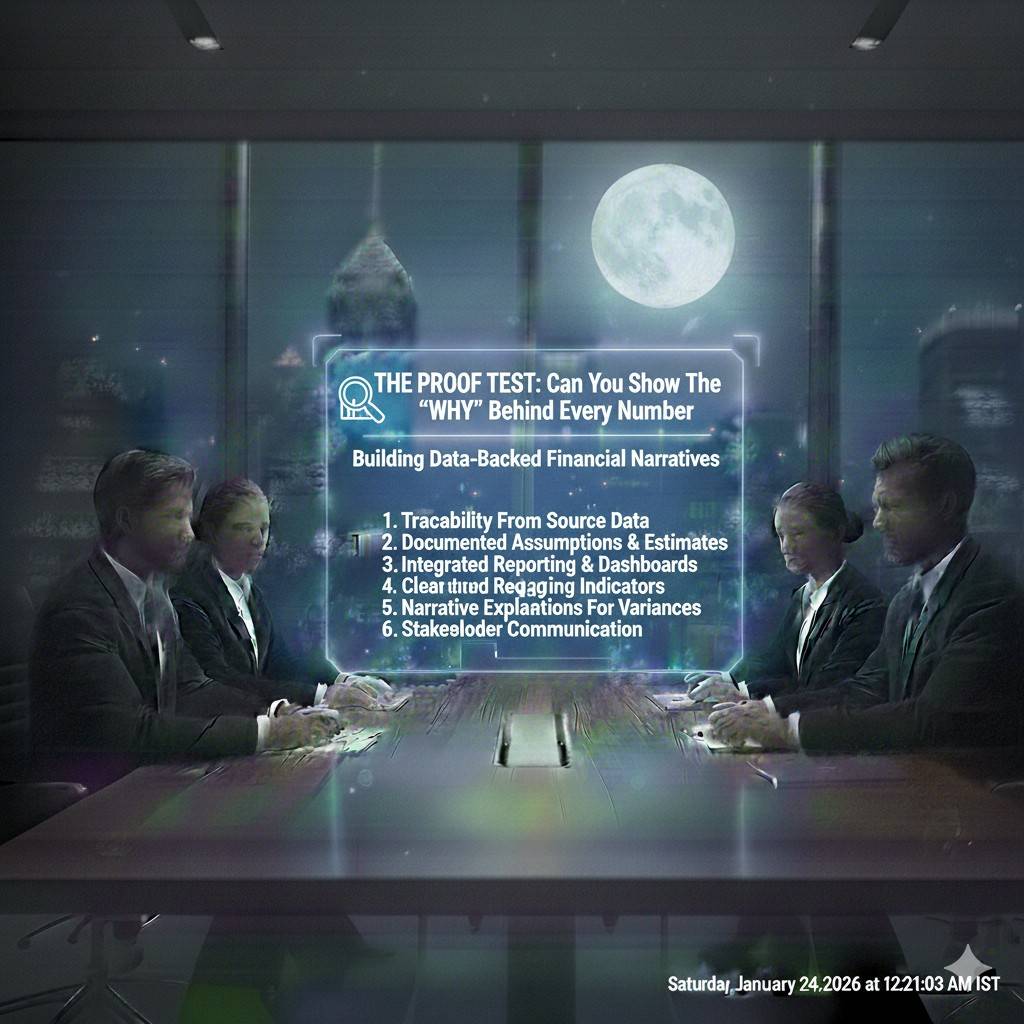
A number alone is never enough in diligence. People ask how you got it. They ask what it includes. They ask when it happened. If you can’t show the “why,” they assume the “why” is messy.
When you are audit ready, each key number has a trail. Revenue connects to a contract and an invoice. Payroll connects to payroll reports. Large vendor spend connects to a clear agreement and receipts. Equity connects to signed documents and board approvals.
This is not about doing extra work. It is about putting your work in the right place as you go, so you do not rebuild it later.
The five gaps that cause most audit pain
Almost every early-stage finance mess comes from a small set of gaps. Missing transactions are the first one, because they create holes in the story. Bank balances that do not match the books are the second, because that signals weak control.
Unclear ownership records are another major problem. If you cannot show clean SAFEs, notes, and equity actions, people worry about hidden risk. On top of that, revenue support gets messy fast if contracts and invoices are scattered. Finally, timing issues show up when expenses or revenue land in the wrong month or year.
If you close these gaps, you remove most of the fear. You also look sharper than teams that spend more but organize less.
The “Clean Core” You Need, and What You Can Skip
The minimum system that holds up under pressure
You can be audit ready with a small setup. You need one bookkeeping system, one business bank account, and one clear place where documents live. You also need a cap table you trust, plus a basic process for how money moves in and out.
The system only works if it stays current. A tool that is not used is worse than no tool, because it creates false comfort. Your goal is not to collect software. Your goal is to keep records clean in real time.
This is why simple rules matter more than fancy features. When the rules are clear, the work becomes routine.
The monthly close that does not feel like a “close”
A monthly close sounds heavy, but it does not have to be. At an early startup, it is a short checkpoint that keeps you honest. You reconcile the bank, reconcile cards, attach missing receipts, and review the few categories that can hide risk.
If you do this every month, it stays small. If you skip it for three months, it becomes a mess. The close is not about perfection. It is about catching issues while they are still easy to fix.
The best part is that a light close makes future reporting almost automatic. When an investor asks for monthly statements, you can send them without stress.
What to avoid: detail that makes you slower, not safer
Many teams create a chart of accounts that is too detailed. They try to track every tiny item in a separate bucket. This sounds good, but it becomes hard to maintain and easy to mess up.
You do not need thirty categories for software tools. You need a few clean buckets that tell a clear story. When the system is too detailed, founders stop using it. When founders stop using it, the books fall behind, and trust breaks.
You can always add detail later when you have steady revenue and a finance lead. Early on, clarity beats detail.
Build Audit Readiness as a Habit, Not a Project
The one-hour-a-week discipline that saves you later
Audit readiness comes from steady habits, not heroic cleanups. One focused hour per week is often enough if you stay consistent. You review new transactions, attach receipts, and make sure contracts and invoices are stored in the right place.
This habit stops small mistakes from turning into large ones. It also protects your time. The cost of ignoring finance is not only money. It is the lost weeks you spend digging through old records under pressure.
If you want to move fast, you need less friction. Clean records reduce friction.
The rule of “one home” for every key document
The fastest way to lose trust is to keep documents in scattered places. A contract sits in email, an invoice sits on a laptop, and the payment proof is buried in a bank portal. When someone asks for support, you look unprepared.
You need one “home” where everything lives. That home can be a shared drive with clear folders. It can be a secure doc system. The key is consistency and naming.
When your records have one home, anyone on the team can find what they need. This also lowers risk if a founder is unavailable during diligence.
The moment to tighten up: before you “need” to
Most teams wait until a raise or a big customer appears. Then they scramble. A better approach is to tighten up early, when the volume is low. It is easier to build clean habits when you have fewer transactions and fewer moving parts.
This is also when you build leverage. When you show clean reporting and strong controls, you can raise with more confidence. If you are building deep tech and want your IP and diligence story to look strong, Tran.vc can help. You can apply anytime at https://www.tran.vc/apply-now-form/.
The Lean Finance Stack That Works for Most Startups
The goal of tools: reduce mistakes, not add work
Tools should make it easier to do the basics. They should not create extra steps. The best stack is the one your team can maintain with low effort and low confusion.
A bookkeeping system matters because it creates a formal record. A bank account matters because it separates business from personal. A card system matters because it can capture receipts as you spend. A cap table matters because ownership errors are expensive.
If a tool makes your process harder, it is not helping. It is only adding noise.
Receipts, invoices, and the “proof layer”
Many startups record a transaction but skip the proof. Later, they cannot explain what it was. That is where trouble starts. A clean system always connects the transaction to the document.
When you buy something, store the receipt. When you pay a vendor, store the invoice and the agreement. When you receive money, store the contract and the invoice. This makes your numbers defendable.
It also keeps you honest about spend. When you review receipts, you spot waste faster.
Cap table hygiene: the fastest way to avoid a painful surprise
Early-stage cap tables can get messy because people move fast. A SAFE is signed, but not recorded. An advisor grant is promised, but not approved. A note converts, but no one updates the math.
These issues can delay a round. They can also lower trust. The best approach is to update the cap table as soon as anything changes, and store every signed document in one place.
When someone asks “who owns what,” you should be able to answer with confidence. That confidence is worth more than a complicated model.
Where Deep Tech Startups Get Tripped Up
The R&D spending story needs structure
Deep tech teams often spend big on engineers, cloud, compute, and prototypes. That is normal. The problem happens when you cannot explain what the spend produced. Investors do not expect low spend. They expect intentional spend.
A clean approach is to track big R&D costs in a way that stays stable month to month. You do not need complex tagging. You need consistent categories and good support. When the story is consistent, diligence goes smoother.
This also helps internal decisions. If you see where cash is going, you can plan runway with less guessing.
Mixed vendor work creates coding confusion
In robotics and AI, one vendor can touch many areas. They might help with firmware, data work, and a proof-of-concept build. If you code all of it as “misc,” the story becomes unclear.
You do not need to split every invoice into ten parts. But you should separate the big themes when it matters. If a vendor invoice is large, take five minutes to code it well and attach the statement of work.
That small step prevents big questions later.
IP as a diligence asset, not just a legal task
Many founders treat patents like a side project. They file something, then forget about it. Later, someone asks: who owns the invention, were assignments signed, and does the company truly control the work?
Clean IP records help your audit readiness because they reduce legal and ownership risk. They also make your company more investable. If you can show a clear trail of invention to company ownership, your moat becomes easier to believe.
Tran.vc is built for this. We help early teams turn real technical work into protected assets while keeping the process founder-friendly. If you want that support, apply anytime at https://www.tran.vc/apply-now-form/.