
Most founders do not plan for a breakup. They plan for a launch.
But in every startup, people leave. A co-founder quits. A key engineer gets hired away. An early employee burns out. A contractor walks with half the system in their head. Sometimes it is calm. Sometimes it is messy. Either way, the exit leaves a mark.
That is where “good leaver” and “bad leaver” rules matter. They are not just legal words. They decide who keeps equity, who keeps rights, and how much damage an exit can cause. They also decide how investors see you, how safe your IP is, and how easy it is to raise your next round.
Tran.vc works with deep tech, AI, and robotics teams where the work is hard, the timelines are long, and the invention is the company. When someone leaves in these teams, the risk is not only “who will ship the next sprint.” The risk is “who owns the core idea” and “can we protect it.”
If you want to build a real moat, this is not a topic to ignore.
And if you want help building an IP foundation early, you can apply anytime here: https://www.tran.vc/apply-now-form/
What “good leaver” and “bad leaver” really mean
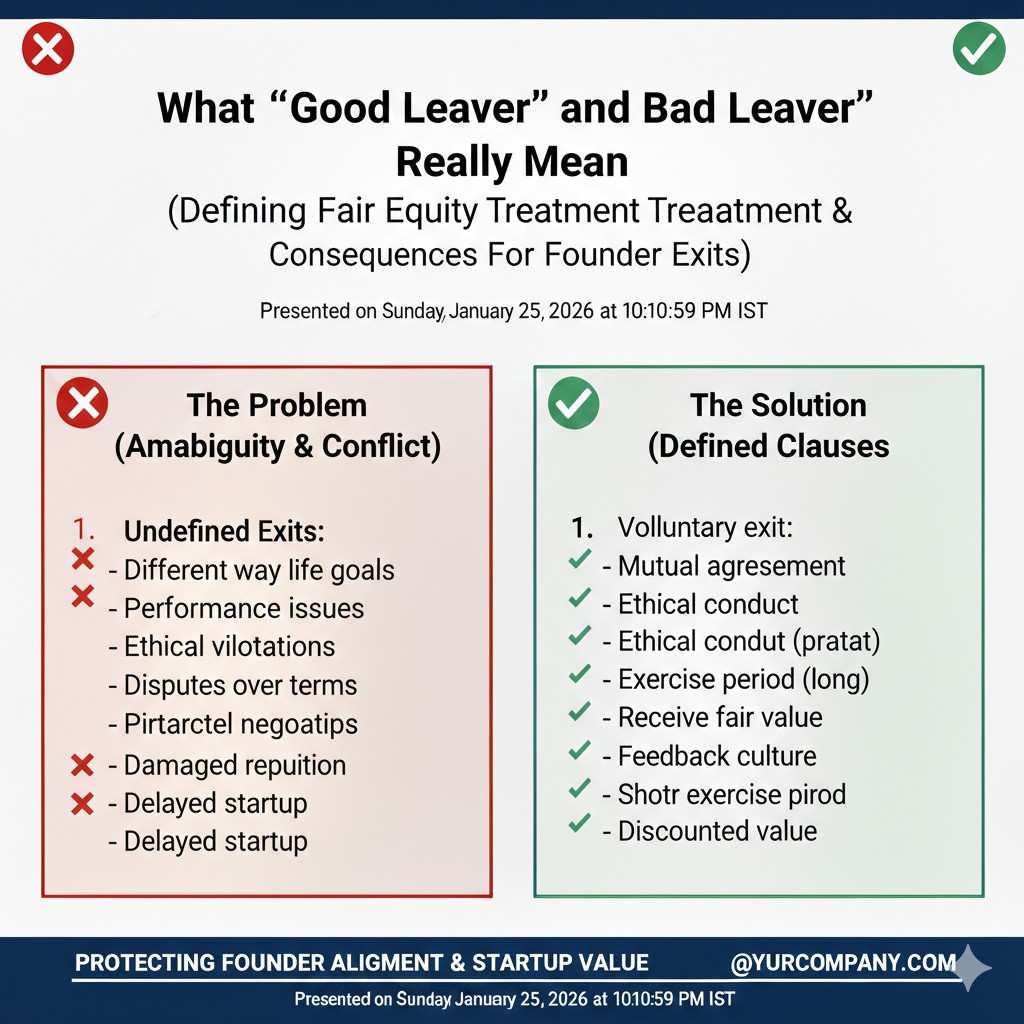
In plain terms, these labels define how a person is treated when they leave.
A “good leaver” is someone who leaves in a way that the company can live with. That might mean they left for a fair reason. It might mean they gave notice and helped with handover. It might mean they did not harm the company.
A “bad leaver” is someone who leaves in a way that hurts the company. That could mean they quit at the worst time with no notice. Or they were fired for cause. Or they broke trust. Or they tried to take the company’s work and use it elsewhere.
The exact definition depends on what you put in writing. And that is the first big lesson: these terms do not protect you by default. They protect you only if your agreements are clear, signed, and set up early.
In early-stage startups, especially technical ones, the most common mistake is waiting too long. Founders keep things “friendly.” They say, “We trust each other.” Then someone leaves. Then the company learns what “friendly” costs.
Why this matters more in AI, robotics, and deep tech
If you build a simple app, a person leaving hurts. But you can often rebuild.
If you build robotics, AI models, chips, control systems, sensors, new training methods, or new ways of making decisions from data, the work is usually more unique. It is harder to replace. It is also easier to copy if the wrong person walks away with it.
The value is not only in your product. It is in your methods, your data pipelines, your designs, your code patterns, your training approach, your edge cases, your safety steps, your trade secrets, and your prototypes.
And here is the harsh truth: if your IP is not locked down, and your team is not on the same page, a breakup can turn into a long fight. That fight can block fundraising. It can slow down partnerships. It can force a pivot. It can even kill the company.
This is why Tran.vc focuses so much on IP strategy early. It is not “paperwork.” It is leverage.
If you want to build that leverage now, apply here: https://www.tran.vc/apply-now-form/
The real impact is not the exit. It is what the exit triggers.
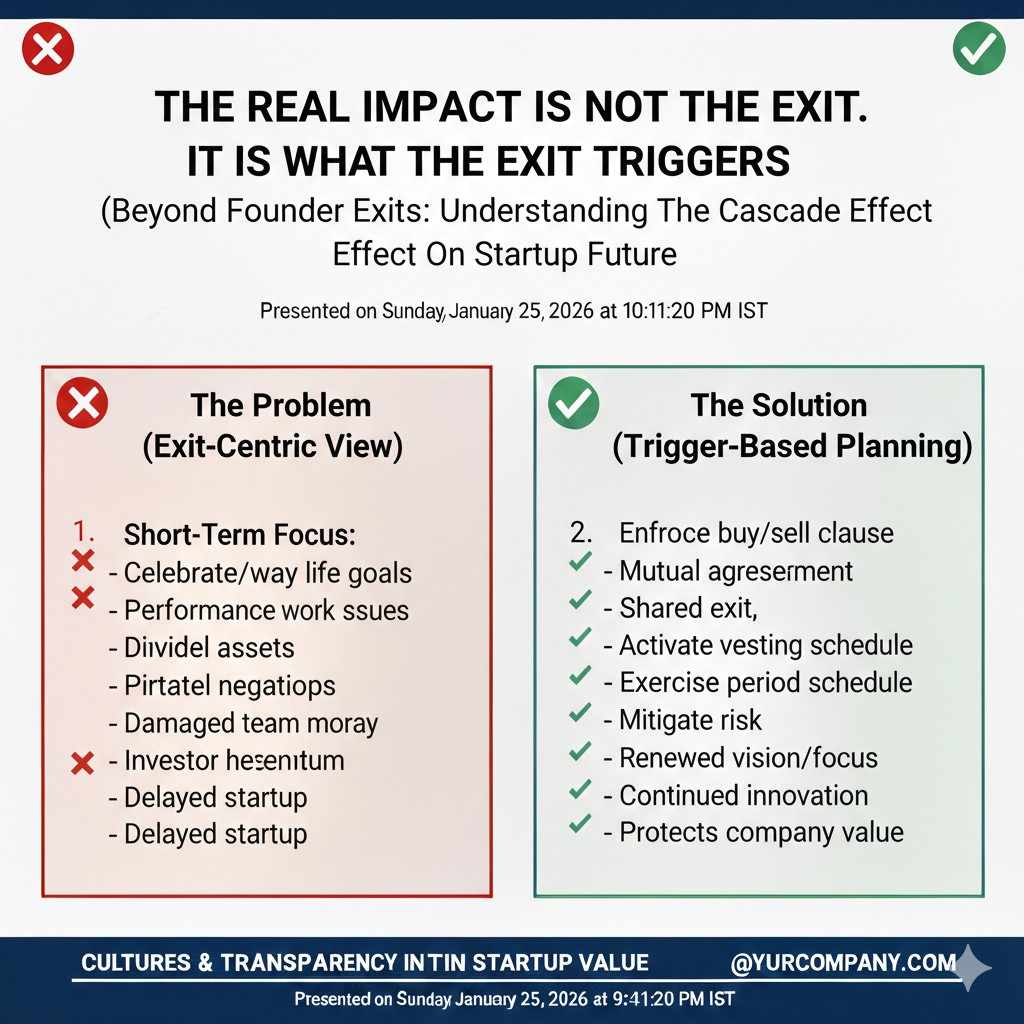
Founders often think the impact is only equity. Like, “Will they keep their shares?”
Equity is only one piece.
A leaver event can trigger:
You losing clean ownership of your core invention
You losing investor trust during diligence
You losing months to legal work
You losing your ability to file strong patents
You losing trade secret protection because of poor controls
You losing speed because the team is scared or split
You losing morale because everyone wonders who is next
So when we talk about good leaver and bad leaver, we are talking about company health.
A clean exit keeps the company stable. A messy exit creates a shadow that follows you into every investor meeting.
How good leaver vs bad leaver rules usually work
Most setups link the label to what happens to equity, options, or founder shares.
In many cases, people do not “own” everything on day one. They earn it over time. That is vesting. Vesting is the single most important tool for keeping exits fair.
The basic idea is simple. If someone leaves early, they should not keep the same stake as the people who stay and build for years.
But vesting alone is not enough. You also need rules for special cases.
A good leaver might keep what they vested. A bad leaver might lose more. In some setups, a bad leaver might be forced to sell back even vested shares, or sell them back at a lower price.
This is not about revenge. It is about protecting the company when the exit is harmful.
And it is about setting expectations. People behave better when boundaries are clear.
The biggest myth: “We will sort it out later”
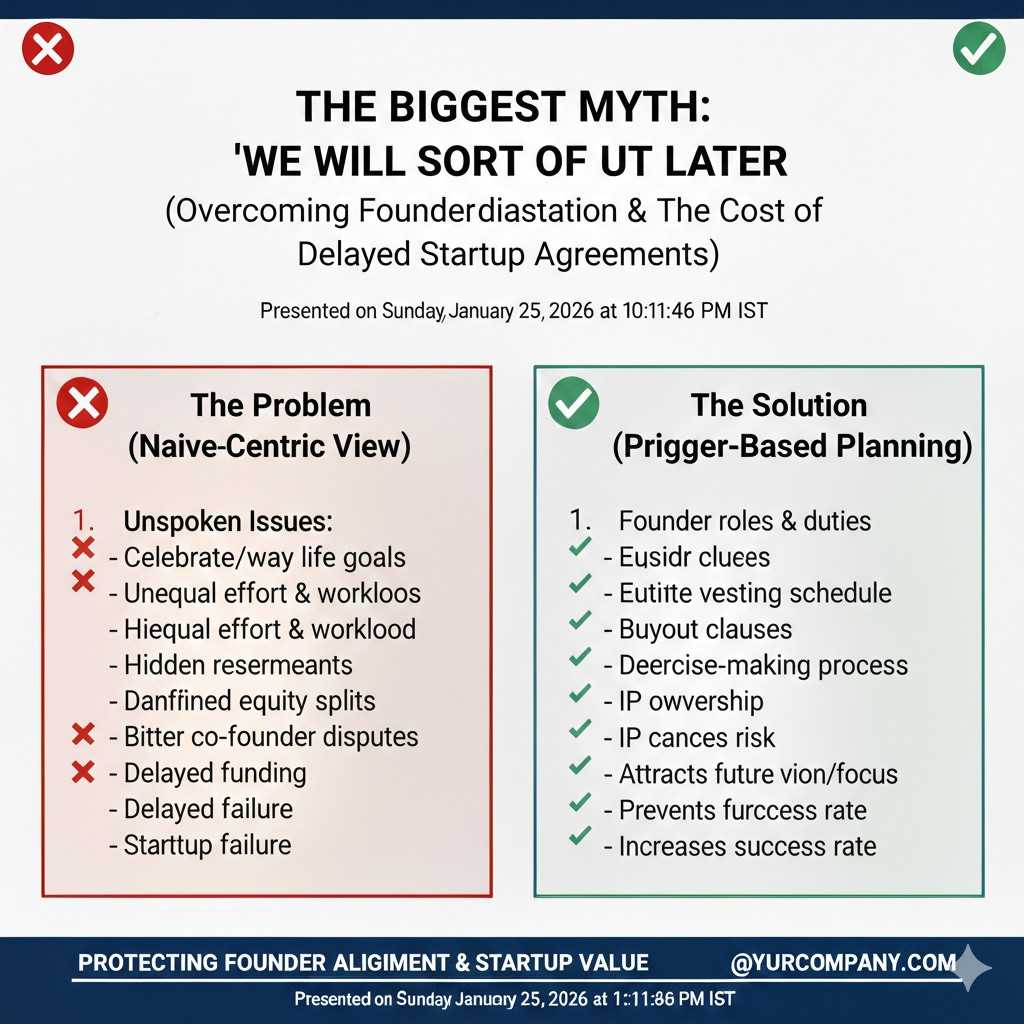
No, you won’t. Not cleanly.
When the company is small, everything feels personal. You build late nights together. You share wins and stress. You do not want to talk about breakups. It feels rude.
But later is when the stakes are high. Later is when equity is worth more. Later is when fear is bigger. Later is when lawyers are more expensive. Later is when the company cannot afford distraction.
So the best time is early, when everyone is calm. When it is easy to agree on what is fair.
If you are at the early stage and want help doing this right, Tran.vc can support you with IP and patent strategy alongside founder-ready structure. Apply here: https://www.tran.vc/apply-now-form/
A founder story you do not want to live through
Picture this.
Two technical co-founders build a robotics stack. One builds the perception model. The other builds the planning and control. They split equity 50/50. No vesting. No signed IP assignment. No clear rules.
After six months, one founder gets tired and leaves. They say they will “stay supportive.” But they also keep a copy of the code. They also keep model weights. They also keep the design docs.
The remaining founder keeps building. They get traction. Investors show interest.
Then the investor asks a simple question: “Do you own all the IP?”
The founder says, “Yes, it’s ours.”
The investor asks, “Do you have signed invention assignment agreements from everyone who contributed?”
Silence.
Then the investor asks, “What happens if the other founder claims they own the model?”
More silence.
The deal slows. The investor wants legal clean-up. The other founder now has power. They can demand money, more shares, board seats, or a payout. Even if they are not “right,” they can still create risk. Investors hate risk they cannot measure.
This is the real impact. Not feelings. Not drama. It is leverage shifting away from the company.
Good leaver vs bad leaver rules do not fix everything, but they reduce the chance that one exit becomes a hostage situation.
What investors look for during diligence
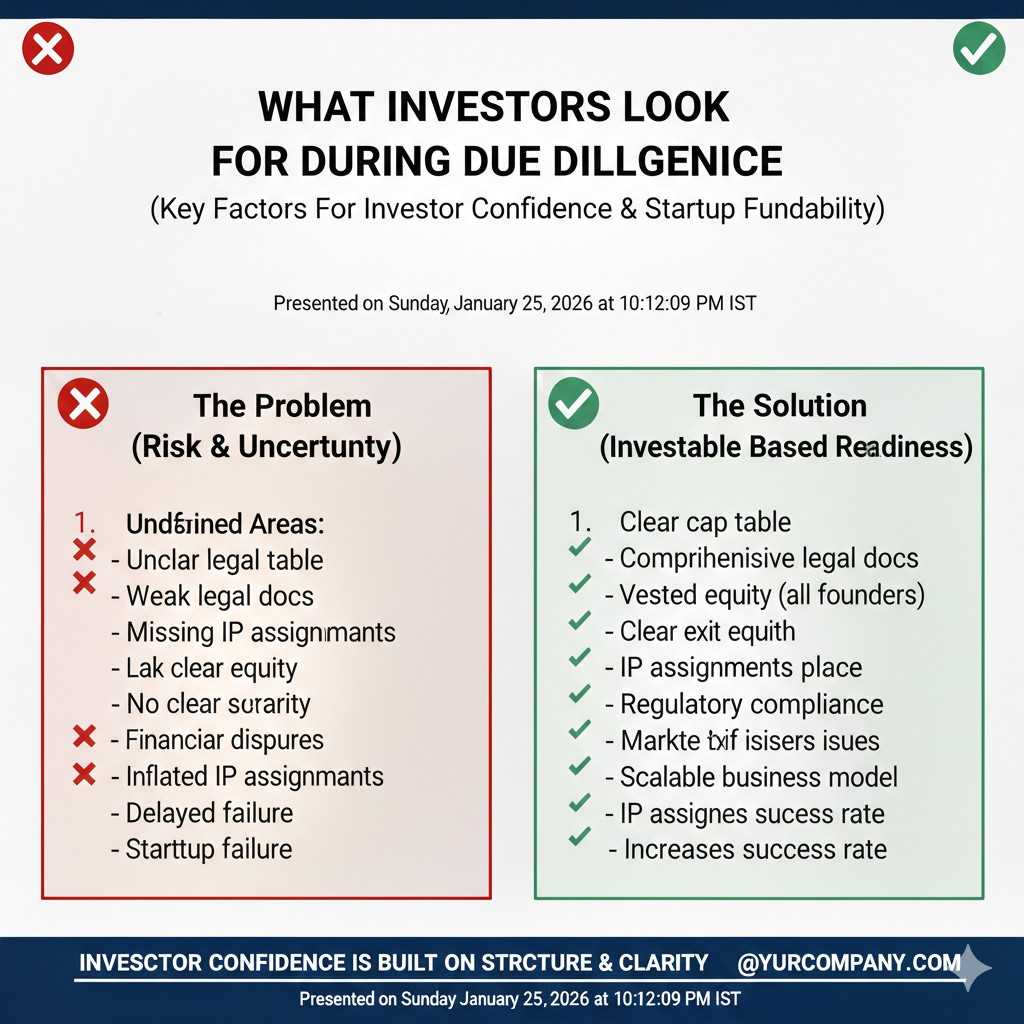
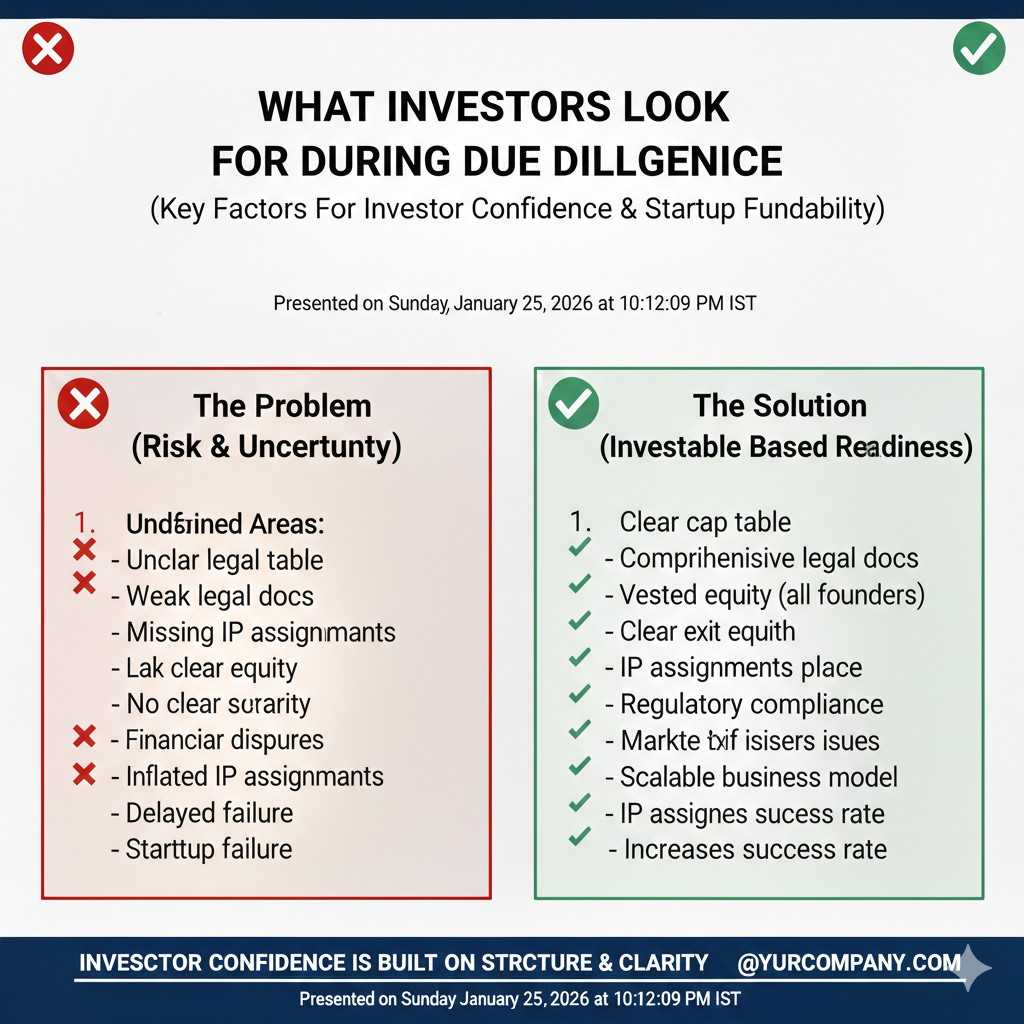
When investors do diligence, they are trying to answer one question: “If this works, will we own something real?”
They check:
Who owns the code
Who owns the patents, if any
Who has signed assignment papers
Whether any ex-founder can claim rights
Whether any contractor can claim rights
Whether data sources are clean
Whether open-source use is safe
Whether there are disputes or threats
A messy leaver situation is a red flag because it can turn into a lawsuit later. Or it can block an acquisition. Or it can force an expensive settlement.
Even if you are not raising yet, the day you want to raise, you will wish your leaver rules were clean.
If you want to build an IP story that makes diligence smoother, apply anytime: https://www.tran.vc/apply-now-form/
The hidden IP side of leaver problems
Most teams think leaver issues are “equity issues.”
But deep tech teams have a second layer: IP creation.
Here is what often happens:
A founder leaves, and later they file their own patent based on work they did while at the startup.
Or they join a competitor and help them build something similar.
Or they publish a paper that reveals key parts of the invention, which can weaken future patent filings.
Or they take training data and reuse it, creating a mess around rights and privacy.
Or they claim they invented the core method and the company cannot prove otherwise.
Now your moat is at risk.
This is why good leaver vs bad leaver planning should sit next to your IP plan. The two are linked.
If you treat it as only “HR stuff,” you miss the real danger.
The practical difference between a calm exit and a harmful exit
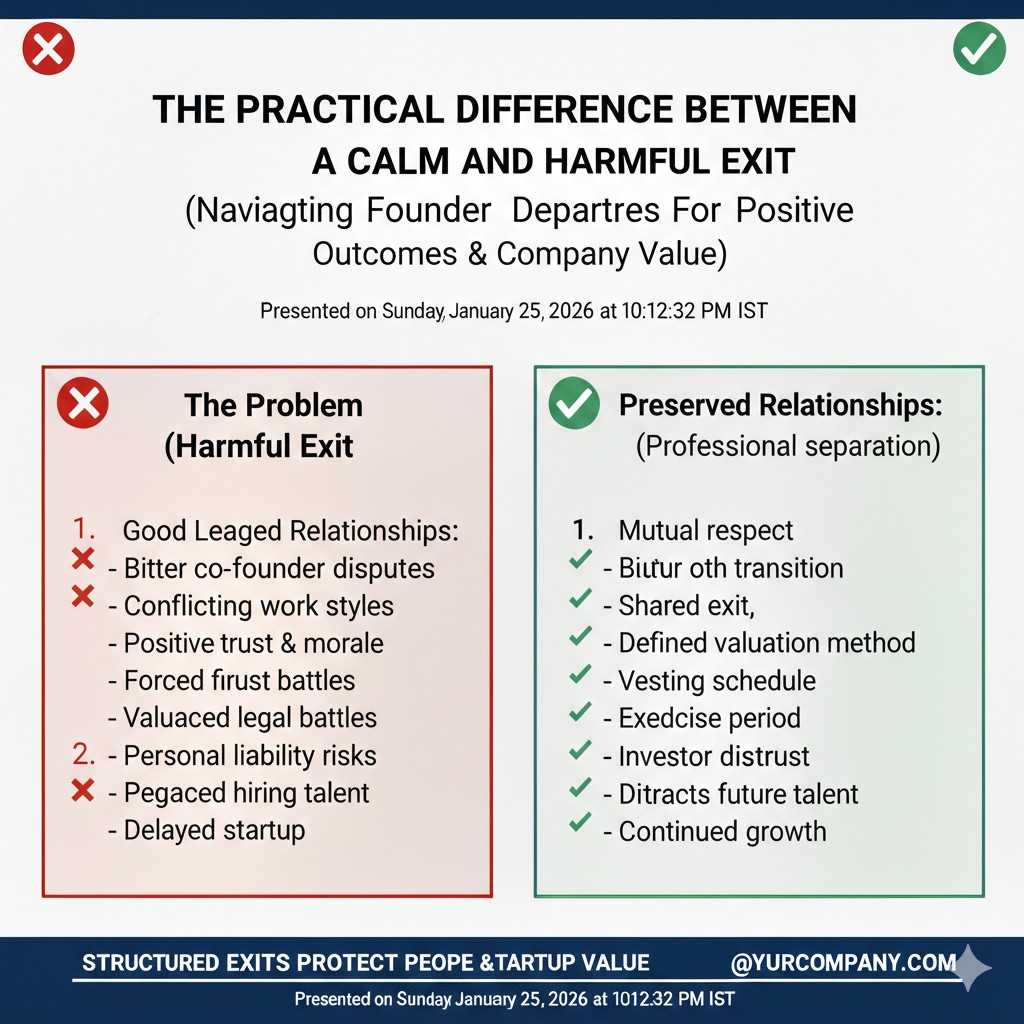
A calm exit looks like this.
The person gives notice. They document their work. They hand over access. They return devices. They confirm what they built belongs to the company. They agree not to use confidential work elsewhere. They do not create fear in the team. They do not poison deals. They do not make threats.
The company might even keep the relationship. The person might advise later. They might become a customer. They might refer talent. They might invest later.
A harmful exit looks like this.
The person suddenly stops showing up. They lock the team out of repos. They wipe a laptop. They delete docs. They talk badly about the startup to partners. They take code. They try to recruit others away. They try to use the invention elsewhere. They demand unfair payouts. They threaten to sue.
The company loses time, focus, and trust.
The label “bad leaver” exists because the company needs a way to respond when the exit is harmful.
How to set fair good leaver rules without being harsh
A common fear is, “If we add these rules, we look distrustful.”
You can avoid that by being fair and clear.
A strong good leaver setup usually does a few things:
It respects time served. If someone worked and built value, they keep what they earned.
It protects the company. The company can buy back what was not earned yet.
It avoids surprises. Everyone knows the rules from day one.
It keeps dignity. It does not treat normal life events like betrayal.
Many founders forget that “good leaver” should cover real life. Illness. Family issues. Visa issues. A role mismatch discovered early. A move to a new city. A change in personal situation.
You want people to feel safe telling the truth early, not hiding until the problem explodes.
Good leaver rules can support that.
How bad leaver rules prevent “silent sabotage”
Some harm is loud. Some is quiet.
A person can stay on payroll and still harm the company. They can miss deadlines. They can block decisions. They can drag morale down. They can refuse to share knowledge. They can slow things “just enough” to hurt.
Bad leaver rules help because they create real consequences for actions that damage the company. They also help you remove someone when needed without turning it into a permanent threat.
This matters most when equity is meaningful. If someone can harm the company while keeping a large stake, they may not care about the damage. Or worse, they may use that stake as a weapon later.
Bad leaver rules are not about control. They are about protection.
The tactical parts most teams forget
Here is where teams get stuck. They add vesting. They add a clause. They move on.
Then six months later, they discover the real gaps.
The most common gaps are:
People worked before the company formed, and ownership is unclear.
People used personal GitHub accounts, and access is messy.
People used personal email, and key contracts are not in the company inbox.
People used random cloud drives, and there is no record.
People worked on weekends “as a friend,” and there is no agreement.
People built pieces as contractors, and there is no assignment.
This is where leaver issues become IP issues.
A good leaver vs bad leaver clause cannot fix a missing assignment agreement. If the company does not own the work in the first place, the clause may not matter.
So, if you do one thing after reading this, do this: make sure every person who touches the product signs a proper invention and IP assignment agreement, early.
This is the foundation.
Tran.vc helps teams build that foundation the right way, and tie it into a broader patent plan so the company is more defensible. Apply here: https://www.tran.vc/apply-now-form/
How to reduce leaver risk without creating a culture of fear
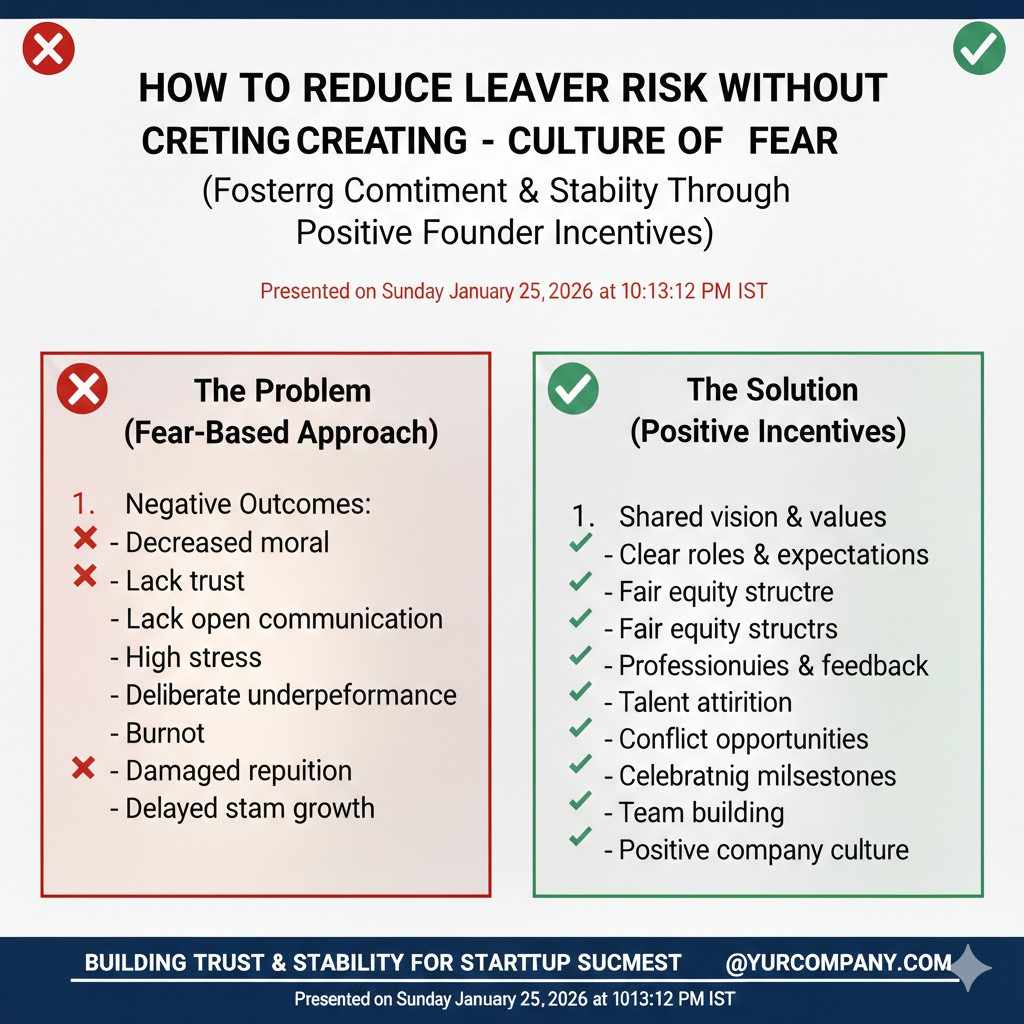
The goal is not to scare people. The goal is to reduce uncertainty.
Uncertainty is what creates conflict.
If people do not know what happens when they leave, they will assume the worst. They may act early to protect themselves. They may take copies “just in case.” They may hold knowledge close.
Clear rules do the opposite. They create calm. They encourage handover. They reduce drama.
A clean approach usually includes:
Clear vesting and repurchase terms
Clear definitions for good leaver and bad leaver events
Clear confidentiality duties
Clear IP assignment language
Clear process for offboarding
When this is done in plain language and explained in a human way, most reasonable people accept it. Many even appreciate it, because it signals you are building a serious company.
What to do if you already have a leaver problem
Sometimes you are reading this too late. The person already left. Or they are about to leave. Or the relationship is tense.
You can still act. The goal is to reduce damage, not to win an argument.
Start with what you can control.
Make sure access is secure. Rotate keys. Change passwords. Revoke tokens. Move repos into org accounts. Ensure ownership of domains, cloud accounts, and billing. This is not personal. It is basic hygiene.
Then focus on documentation. Capture what the person built. Pull tickets, commits, design docs, and messages that show what work happened and when. Save it in a company system.
Then look at IP. Do you have signed assignments? Do you have contractor agreements? Do you have invention records? If not, you may need to do a clean-up agreement. Sometimes a calm conversation can solve it. Sometimes you will need legal help.
Finally, think about patents. If the person contributed to inventions, you may need to include them as an inventor in filings. That is not optional. Inventorship is a legal fact, not a reward. If you file wrong, you risk the patent later.
This is why it is smart to have patent counsel involved early, especially in deep tech.
Tran.vc’s model exists for this exact reason: to help technical teams lock down IP and build a strategy early, without burning cash. Apply anytime: https://www.tran.vc/apply-now-form/
The founder equity trap: 50/50 without rules
Let’s address the elephant in the room.
Many co-founders split 50/50 at the start. They do it to avoid conflict. They do it to feel equal.
But if there is no vesting and no leaver rules, 50/50 can become a trap. If one person leaves early, the remaining person can end up doing years of work while the leaver keeps half the company. That is not “fair.” That is a slow collapse.
Even if the leaver is “nice,” investors will ask: “Why does someone who left in month four own half the company?” The remaining founder has to explain it. It rarely sounds good.
This is one reason investors prefer vesting, even for founders. It is not a sign of mistrust. It is a sign of maturity.
How leaver rules affect hiring, even when nobody says it out loud
Strong teams care about fairness. Early employees care about fairness even more, because they are taking a risk for a smaller stake.
When employees see a messy founder setup, they notice. They may not say it. But they see it.
If an ex-founder keeps a huge stake, it can lower the belief that effort is rewarded. It can make the cap table feel “stuck.” It can make new hires worry that the company is not managed well.
On the flip side, when you have clean vesting and clear exit terms, hires feel safer. They can picture a stable company. They can trust that leadership plans ahead.
This is a quiet benefit of doing the hard work early.
The negotiation mistake: copying templates without thinking
Many founders Google a “good leaver bad leaver clause” and paste it in. That is risky.
Not because templates are evil. But because your context matters.
A robotics startup with hardware prototypes has different risks than a pure software company. An AI team with unique data has different risks than a normal SaaS team. A startup with university ties has different ownership concerns. A startup with many contractors has different assignment risks.
If you copy language that does not fit your reality, you might create false comfort. You think you are protected, but you are not.
A better approach is to start with your real risks and build terms around them.
Ask: What can a leaver take that would hurt us most?
Is it code? Data? Model weights? Hardware designs? Supplier relationships? Customer access?
Where do we store those assets? Who has access?
What do we need signed to ensure ownership?
What do we need documented to prove invention timelines?
This is strategic work, and it is exactly where IP strategy and leaver planning meet.
The IP-first view: how to make leaving boring
The best outcome is not “winning” a fight. The best outcome is that leaving is boring.
A boring exit is a protected exit.
To get there, you want:
Work created under clear assignment terms
Core inventions recorded with dates and contributors
Access controlled through company accounts
A habit of writing down design choices and experiments
A clear policy for what is confidential
A patent plan that matches what you are building
When you have this, even a bad exit is less scary. The company still owns the work. The company can still file. The company can still raise.
This is the real goal.
If you want a team that helps you do this early and properly, apply here: https://www.tran.vc/apply-now-form/
What founders should say to their team about this
Many founders avoid this talk because they fear it sounds cold.
It does not have to.
You can say something like:
“We are building something valuable. We want to protect it. We also want to be fair. People may leave for many reasons. These rules make sure the company stays safe, and everyone is treated with respect.”
That is true. And it sets a healthy tone.
The key is to treat it as normal business hygiene, not a threat.
How this connects to patents and fundraising in a direct way
Patents are not magic. But in deep tech, they can change how investors see you.
A strong patent plan signals:
You know what your core invention is
You can explain why it is different
You are building a moat that lasts
You are not only shipping features
You are turning work into assets
But patents also force discipline. You must track inventors. You must own assignments. You must control public disclosure timing. You must keep records.
Leaver problems often explode right here. If inventorship is unclear because the team never tracked it, your filings get harder. If an ex-founder refuses to sign assignment, deals slow. If someone published before filing, the window may shrink.
So when founders ask, “Why should we care about leaver terms?” the answer is simple.
Because leaver terms are part of the same system that protects your IP, and your IP is part of the story that helps you raise.
Tran.vc invests up to $50,000 in in-kind IP and patent support to help you build this system early, while you still have time to shape it. Apply here: https://www.tran.vc/apply-now-form/
A practical way to think about “fairness”
Fairness is not “everyone gets the same.”
Fairness is “reward matches contribution and risk.”
If someone leaves early, they took less risk. They contributed less time. They did not carry the weight through hard phases. It is fair that they keep less.
If someone is removed for harmful behavior, it is fair that they do not keep a stake that lets them profit from damage they caused.
If someone leaves due to a real life reason, it is fair to treat them with respect and avoid harsh penalties.
Your job as a founder is to design rules that reflect these truths.
Where founders often draw the line between good and bad
In practice, teams often define “bad” around clear breaches.
Things like theft, fraud, violence, serious policy violations, or clear disloyal acts can fall here. Also, being fired “for cause” can trigger bad leaver treatment.
But there is a gray zone. Like leaving with no notice. Or refusing to do handover. Or taking confidential work. Or joining a direct competitor right away.
This is where you need careful wording and good advice. Too vague, and the clause becomes a fight. Too strict, and it scares good people.
Your goal is clarity.
The most useful mindset: plan for the best, prepare for the worst
It is normal to hope everyone stays. It is normal to trust your team.
But planning for exits is not pessimistic. It is responsible.
Seatbelts do not mean you plan to crash. They mean you do not want a small mistake to kill you.
Good leaver and bad leaver terms are seatbelts.
How Tran.vc fits into this
Tran.vc is built for technical founders who want to build a real company, not just a pitch.
Tran.vc invests up to $50,000 worth of in-kind patent and IP services. That means help with IP strategy, patent planning, filings, and guidance from people who have done this before.
For teams in robotics, AI, and deep tech, that support matters because your value is in what you build and what you can protect.
Leaver issues are one of the fastest ways to lose control of what you built.
If you want to build an IP-backed foundation from day one, apply here: https://www.tran.vc/apply-now-form/
Closing: The real impact is control
Good leaver vs bad leaver is not about labels. It is about control.
Control of your cap table.
Control of your IP.
Control of your future fundraising.
Control of your ability to move fast without fear.
When exits are handled well, the company stays steady. When exits are messy, everything becomes harder.
If you are early, take this seriously now. Put the rules in place while everyone is friendly. Tie them to a real IP plan. Document inventions. Get assignments signed. Make leaving boring.
And if you want support doing this with an IP-first approach, Tran.vc is built for that.
Apply anytime: https://www.tran.vc/apply-now-form/