
Foreign ownership rules can feel like a “paper detail” you’ll handle later. Until they don’t just slow your deal down—they stop it.
If you are building in AI, robotics, chips, defense-adjacent tech, telecom, energy, maps, drones, or anything that touches sensitive data, the buyer or investor will ask one question very early:
“Can we legally own this?”
If the answer is unclear, lawyers get nervous. Timelines slip. Terms change. Sometimes the deal dies quietly—no drama, just a slow fade where everyone stops replying as fast.
This is why smart founders treat ownership rules like product risk. Not because it is exciting. Because it is deal insurance.
At Tran.vc, we see this pattern a lot: a technical team builds something real, gets interest from a strategic buyer or a serious fund, and then foreign ownership rules show up late—during diligence—when everyone is tired and trying to move fast. The fix is rarely quick. It can involve corporate changes, approvals, board reshapes, license updates, or even moving IP. Each of those steps can spook the other side.
The good news: in most cases, you can avoid the surprise. You can set up your company and your IP so it is “easy to buy” and “easy to fund” later. That is the goal—clean, clear, and safe.
If you want Tran.vc to help you build that kind of foundation, you can apply anytime here: https://www.tran.vc/apply-now-form/
The deal can die before it feels like a deal
The “yes” that turns into “we need to pause”
Most founders think a deal breaks for one of two reasons: price or product.
In deep tech, a third reason shows up all the time: the buyer cannot own what they are paying for.
It often starts with a warm signal. A strategic partner says they want to acquire, or a strong fund wants to lead.
Then their legal team asks how the company is owned, where the key people live, and what laws touch the product.
If the answers are messy, the tone changes fast. The investor may not say “no.”
They say “we need to review,” and that review becomes a slow drain on trust and time.
Why it happens more in AI, robotics, and “real-world” tech
Foreign ownership rules do not hit every startup the same way.
Software that sells to small shops may face fewer issues than robots in factories, drones, mapping tools, or AI that handles health or security data.
These rules exist because some tech can affect safety, defense, and critical systems.
Buyers and funds know that one wrong step can trigger a regulator, a blocked approval, or a forced unwind later.
So they protect themselves early. If they feel risk, they ask for stricter terms or they walk away.
That is why founders must treat ownership rules as part of product readiness, not as legal “later work.”
The hidden cost founders miss
Even when a deal does not fully die, the rules can weaken your position.
You may lose leverage because the other side knows you need them more than they need you.
A buyer can reduce price by calling the risk “a discount factor.”
An investor can ask for control terms because they say it is required to stay compliant.
And when you are under pressure, you might accept terms that hurt you for years.
This is exactly what Tran.vc tries to prevent by helping founders build a clean IP and company setup early.
If you want help building a structure that investors can say “yes” to quickly, apply here: https://www.tran.vc/apply-now-form/
What “foreign ownership rules” really mean in a deal
It is not one rule, it is a set of gates
Founders often ask, “What is the foreign ownership law?”
In reality, it is many gates, and the gates depend on the country, the sector, and who is buying.
Some gates care about voting control. Some care about board control.
Others care about data location, export limits, or whether your tech is seen as “strategic.”
That is why a deal can look fine to you and still look risky to a buyer’s counsel.
They are not judging your intent. They are judging what a regulator could say later.
“Foreign” can mean more than you think
A common surprise is that “foreign” is not only about where the company is formed.
It can include who owns shares, who controls votes, where key leaders live, and even who has access to certain systems.
If your cap table includes people from many places, that is normal for startups.
But in some sectors, it can trigger extra review, extra filings, or special limits on control rights.
The hard part is that these triggers are not always obvious from a simple spreadsheet.
A side letter, a board seat, or a veto right can matter as much as a big equity number.
The deal lens is different from the founder lens
Founders tend to think in “business reality.”
The buyer thinks in “legal reality.”
You may say, “We are a U.S. startup, we build here, and we sell here.”
The buyer may say, “Your key IP was made by a contractor abroad, your data flows across borders, and your largest shareholder is not domestic.”
Both can be true at the same time.
And in diligence, the buyer’s view is the one that shapes terms and timing.
The most common ways these rules block a deal
The buyer cannot get approval in time
Many deals depend on a close date.
A buyer’s board, their market, and their own investors expect a fast path.
If ownership rules require review, the closing date can slide by months.
For a public company or a large corporate buyer, that delay can kill internal support.
A deal team may want you, but they also need certainty.
If they cannot predict the approval path, they may decide the deal is not worth the effort.
The investor cannot take the stake they want
Sometimes the issue is not a full buyout.
It is a funding round where the lead wants a large position or special rights.
If the sector has limits on foreign control, that lead may be forced to reduce stake.
Or they may be blocked from taking board control, veto rights, or key protective terms.
When that happens, you can lose the investor you wanted most.
Or you keep them, but the round becomes complex, slow, and expensive to structure.
The cap table becomes the problem
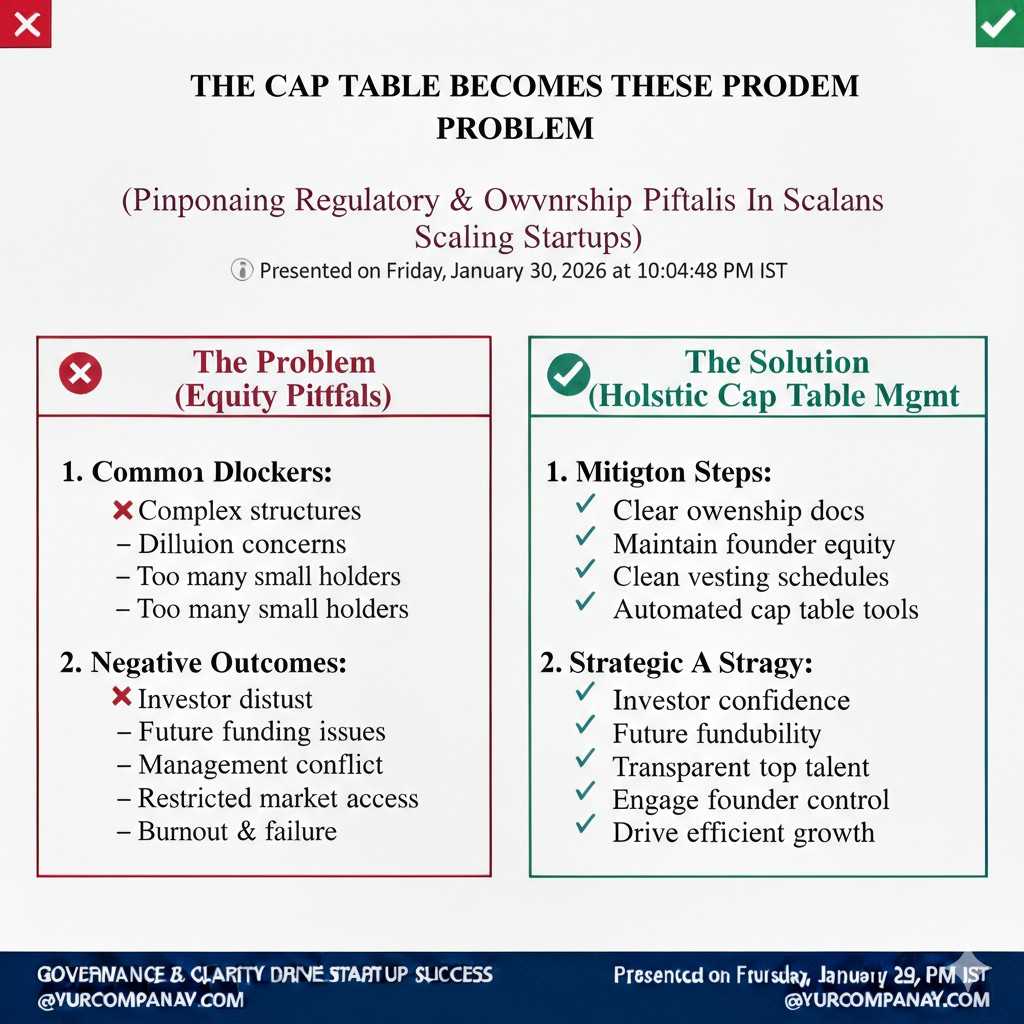
A founder can build the best tech in the world and still fail diligence because of cap table confusion.
Convertible notes, SAFEs, option pools, side promises, or unclear vesting can create ownership questions.
Now add foreign ownership review to that pile, and the buyer’s counsel may say, “We cannot certify who controls this company.”
That is one of the fastest paths to a blocked closing.
Even when you “know” who is in control, you must be able to prove it cleanly on paper.
If you cannot, the other side will not take the risk.
The IP chain has cross-border gaps
Ownership rules often connect to IP in a direct way: who made it, where it was made, and who owns it now.
If code, models, designs, or training data were created across borders, the deal team will examine it closely.
A missing assignment from a contractor in another country can create serious risk.
It is not only about lawsuits. It is about whether the buyer can claim full ownership after close.
If they cannot, they may require costly fixes, escrow, or they may walk away.
This is why patent strategy and tight IP ownership are not “nice to have.” They are deal basics.
Tran.vc’s core work is helping founders turn inventions into assets that investors respect and competitors cannot copy.
If you want help tightening IP early, you can apply here: https://www.tran.vc/apply-now-form/
The early warning signs founders can spot before diligence
If you sell into sensitive customers, assume scrutiny
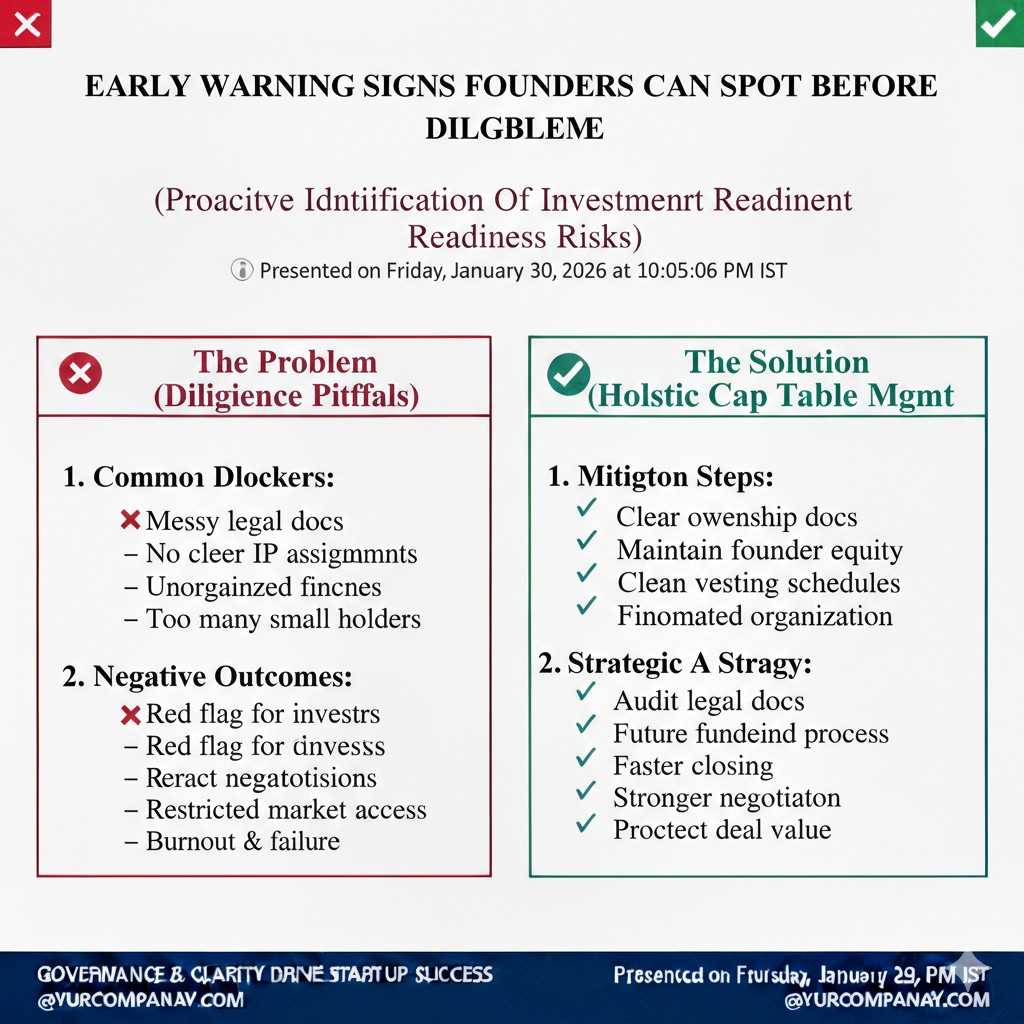
If you sell to government agencies, defense-linked groups, critical infrastructure, or large regulated firms, assume the deal will be screened.
Even if your product is not “weapons,” the customer base can raise the bar.
This is not about fear. It is about planning.
When a buyer sees regulated customers, they expect regulated deal steps.
So you can plan for it early: clean records, clear ownership, clear IP rights, clear data handling.
That preparation makes you easy to approve, which makes you easier to buy.
If your product moves data across borders, assume questions
AI products often move data without founders thinking much about it.
A model may train on servers in one region, serve results in another, and log usage in a third.
A buyer will ask where data is stored, who can access it, and where it flows.
Those answers can connect directly to ownership limits and compliance gates.
If you cannot explain it simply, the other side will assume the worst.
And once they assume the worst, you are fighting uphill.
If your key builders are global, you need clean IP paper
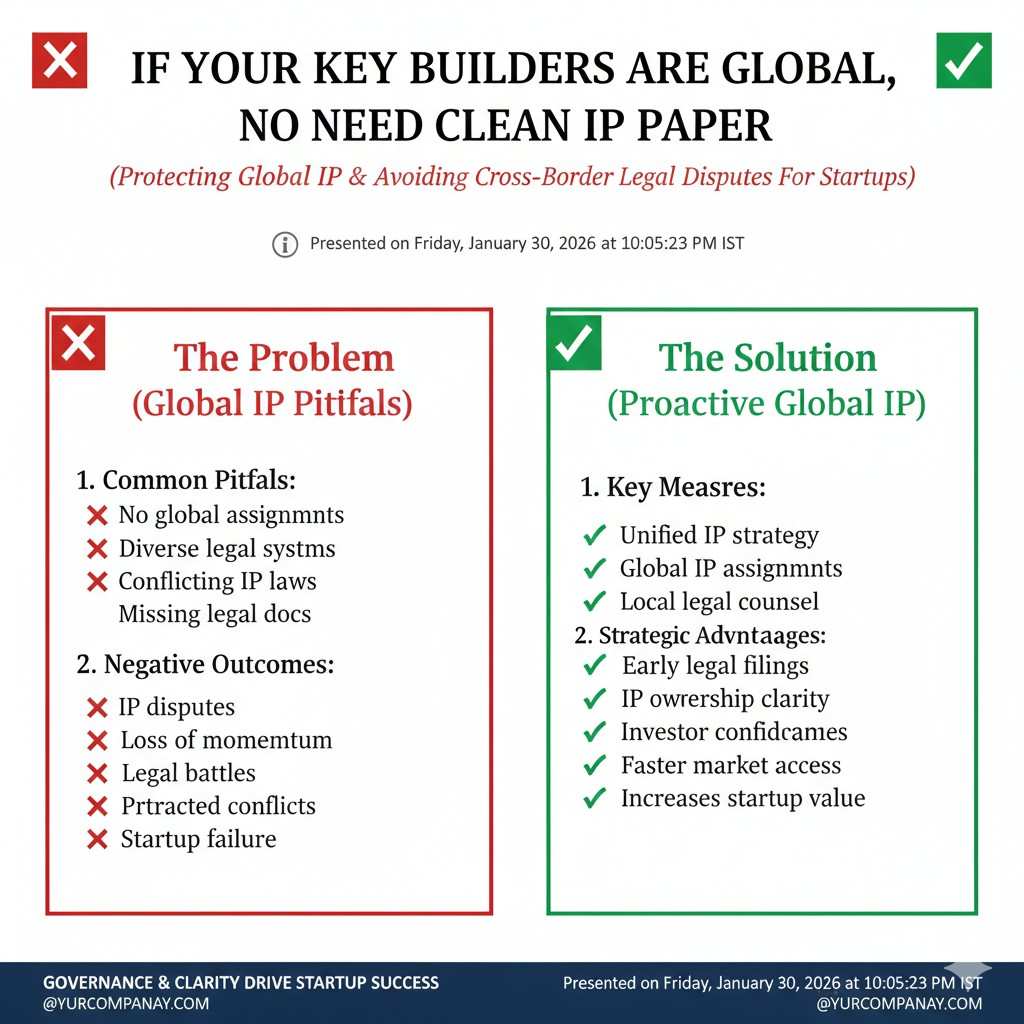
Many startups use global talent. That can be a strength.
But you must have strong, clear IP assignments and invention agreements.
If you do not, a buyer may worry that some part of the invention is not fully owned.
They may also worry that moving the IP could trigger limits or approvals.
The fix is rarely “send an email and sign a form.”
It can involve local law, local signatures, and proof that the transfer is valid.
This is where a strong IP plan early saves you months later.
Tran.vc can help you set that plan while you are still building, not after you are in a rushed deal. Apply here: https://www.tran.vc/apply-now-form/
What to do now so this does not hit you later
Build your company like it will be bought
A buyer wants a clean story they can defend.
They want to know who owns what, who controls what, and where the key assets sit.
You do not need a perfect setup on day one.
But you do need a setup that gets cleaner over time, not messier.
That means fewer side promises, fewer unclear rights, and fewer “we will fix it later” notes.
Because later is often when you are negotiating from a weak position.
Treat IP like a deal document, not a trophy
Patents are not just for press.
They are proof that you understand what is special in your tech and you took steps to protect it.
In a deal, strong patents and a clean invention record can reduce the fear around cross-border work.
It shows discipline, and it helps the buyer feel they are buying something solid.
It also helps you push back when someone tries to discount your valuation due to “risk.”
You can point to real assets, real filings, and a clear ownership chain.
This is the kind of work Tran.vc invests in: up to $50,000 in in-kind patent and IP services so founders build leverage early.
If that is what you want, apply here: https://www.tran.vc/apply-now-form/