
Raising money is already hard. Raising money from another country adds a new layer of risk, paperwork, timing issues, and trust gaps.
But it can also be worth it.
Cross-border fundraising can open doors to better-fit investors, larger checks, and stronger networks. It can also help you avoid getting trapped in a tiny local pool where everyone wants the same thing and moves at the same slow pace.
This guide is a practical checklist in story form. It is not meant to sound like a legal handbook. It is meant to help you move step by step, avoid common mistakes, and stay in control while you raise from investors in the US, Europe, the Middle East, or Asia.
One more thing before we begin: if you are building in AI, robotics, or deep tech, your IP matters more when you raise across borders. When investors are far away, they lean on proof. Clear ownership, clean filings, and a real IP plan make you easier to trust. Tran.vc helps founders do that by investing up to $50,000 in in-kind patent and IP services so you can raise with leverage instead of hope. You can apply any time at https://www.tran.vc/apply-now-form/
1) Set your cross-border “why” before you set your pitch
Define the real reason you are going abroad
Cross-border fundraising works best when you know exactly why you need it. If you are doing it only because “US investors have more money,” you will burn time and morale. The better reason is simple: you want the right investor for your kind of company, at the right stage, with the right patience.
For AI, robotics, and deep tech, patience matters. Many general investors want fast growth before the hard parts are solved. A strong cross-border plan starts by naming what you need most: long build time, hardware understanding, safety knowledge, or a partner who can help with hiring and pilots.
Write your “why” as one short paragraph that any team member can repeat. When your story is tight, every call gets easier. When it is messy, investors will feel the risk and lean away.
Choose one primary target market, not “everywhere”
Many founders try to raise in the US, Europe, and the Gulf all at once. It sounds smart, but it often leads to weak progress everywhere. Each market has its own pace, norms, and trust signals. If you spread your effort too thin, you lose the most important thing in fundraising: momentum.
Pick one main investor market for the first push. That is your “home base” for the round, even if your company is not based there. Once you have one strong lead, it becomes much easier to add others from different places, because people follow proof.
This choice should match your product path. If your early buyers are US enterprises, the US is often the best first target. If your first deployments are in Europe due to rules or access, Europe may fit better. The point is not prestige. The point is speed and fit.
Match your round plan to what cross-border investors actually do
Different markets behave differently at early stage. Some move fast on pre-seed but want strong signals. Some move slower but do deeper work. Some will not lead rounds often, but will join when a lead is set. If you plan your round as if all investors act the same, your timeline will break.
A practical way to think about this is: “Who can lead, who can follow, and who can anchor trust.” In cross-border rounds, trust is often the hidden deal. One respected lead can unlock many followers, even if those followers would never take the first risk alone.
If you are building deep tech and your moat is not obvious at a glance, you need that trust even more. This is where a clear IP plan can help you look solid on day one. Tran.vc supports founders by investing up to $50,000 in in-kind patent and IP services so your technical edge is easier to defend and explain. Apply any time at https://www.tran.vc/apply-now-form/
2) Clean your company setup before you talk to cross-border money
Be clear on where the company “lives”
Cross-border investors will quickly ask where your company is incorporated and where it truly operates. If your answer is vague, they worry about taxes, control, and legal risk. You do not need a perfect structure on day one, but you do need a clear plan that sounds calm and thought through.
If you are incorporated in one country and operating in another, be ready to explain why. If you plan to flip or set up a parent company later, say so plainly. What investors fear is surprise, not change. Many great companies have changed structures. The problem is when it happens late, under pressure, and without a clean paper trail.
Spend time now to make your story simple: where the parent is, where the team is, where the IP is owned, and how money will move. When that story is clean, your round feels safer.
Make sure your cap table can survive international due diligence
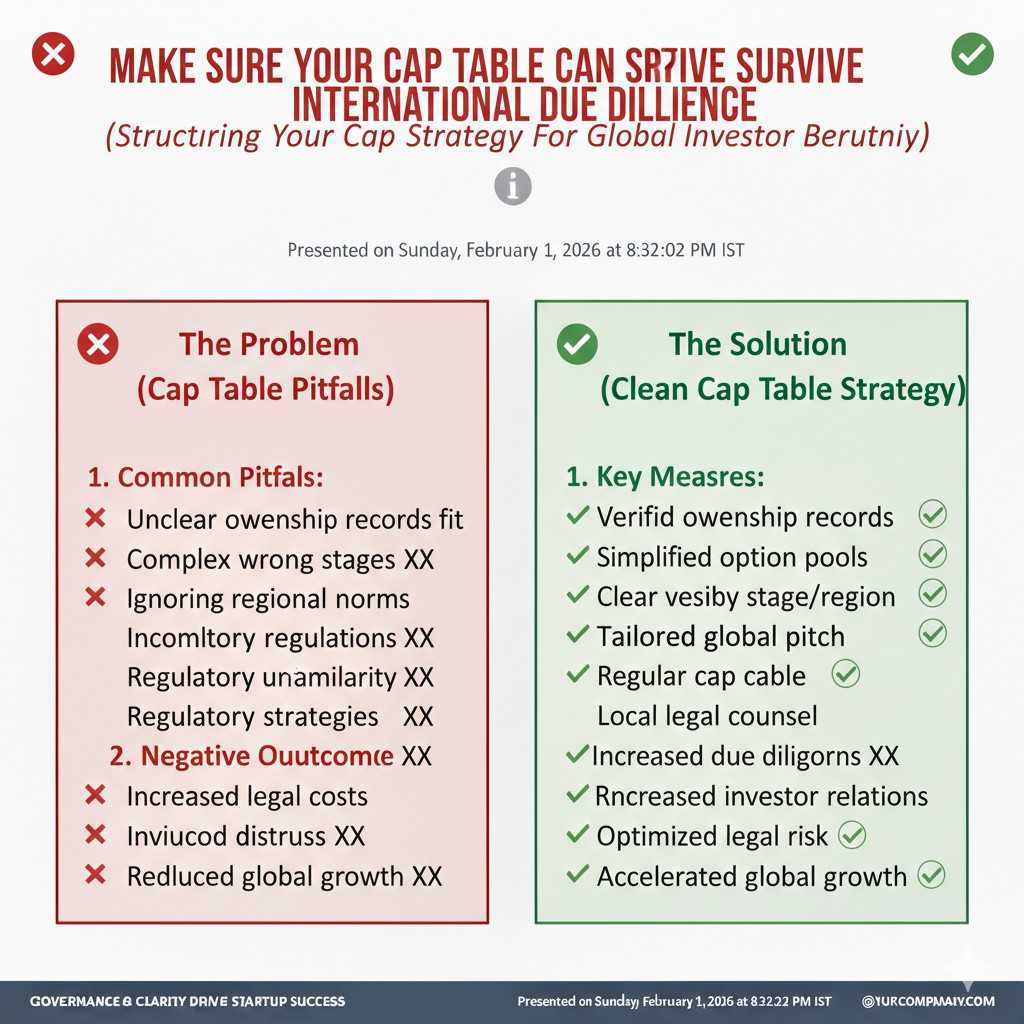
In local fundraising, some cap table issues get ignored. In cross-border fundraising, they get tested. Investors will ask for ownership details, option grants, advisor shares, and any side agreements. If your cap table looks confusing, it signals that future governance will be confusing too.
The goal is not to look fancy. The goal is to look standard. Simple ownership, written agreements, and clear vesting terms reduce fear. If you have promised equity to people without paperwork, fix it now. If you have “handshake” advisor deals, turn them into short written agreements.
Cross-border investors often rely on documents because they cannot “read the room” in person. Your paperwork becomes your reputation.
Keep your IP ownership clean, especially if your team spans countries
If your engineering team sits in more than one country, IP ownership can get messy fast. Different work rules can change who owns what. Contractors can keep rights if contracts are weak. Former employers can claim parts of what your team built, if your team used old code or worked on side projects.
This is not meant to scare you. It is meant to help you avoid a preventable deal-killer. When investors ask, “Does the company own the core tech,” they want a clear yes backed by proper agreements. This is one reason patents and IP filings can matter early. They are not just “legal work.” They are proof of control.
Tran.vc exists for this exact gap. Tran.vc invests up to $50,000 in in-kind patenting and IP services so technical founders can lock down ownership and show a real moat early. If you want support here, apply at https://www.tran.vc/apply-now-form/
3) Build a cross-border story that feels real, not polished
Say what you do in one breath
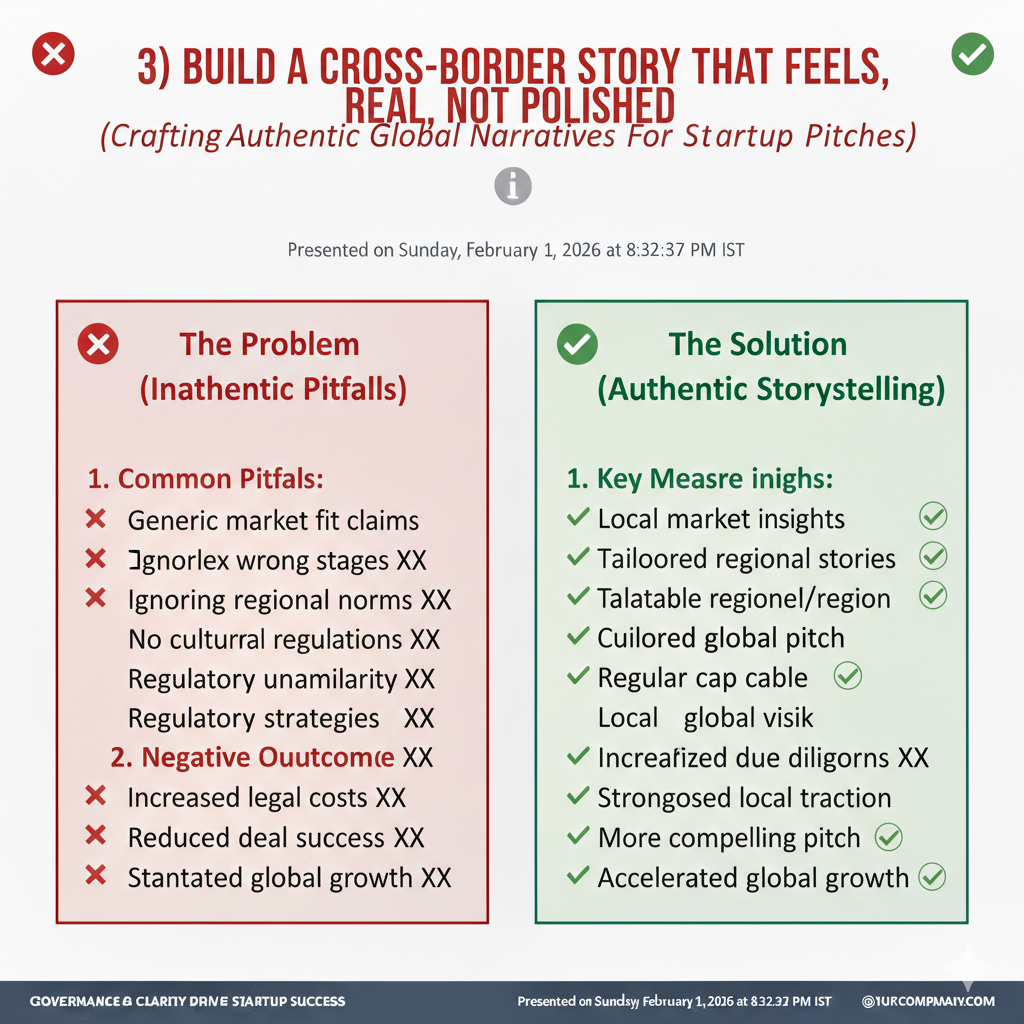
In cross-border calls, attention is shorter because context is missing. Investors cannot rely on local signals, shared networks, or market familiarity. Your first 20 seconds matter more than your full deck.
Your one-breath explanation should include three parts: the problem, who has it, and what changes after you solve it. Keep it plain. If you need ten special words, you will lose half the room. Deep tech can still be explained in simple words. The “how” can come later.
This is not about dumbing it down. It is about respect. When you make your idea easy to understand, you give investors a clear job: decide if they want to learn more.
Make your credibility visible without bragging
Cross-border investors often ask, “Why you?” earlier than local investors. They cannot meet you through community events, shared founders, or local press. They need a quick reason to believe you can execute.
Credibility can come from past builds, research work, strong customer pull, or a clear technical edge. The key is to show it through facts, not big claims. Mention what you shipped, what you tested, what results you got, and what hard thing you already solved.
If your moat is technical, show that you treat it as an asset. A thoughtful patent strategy or early filings can serve as a strong signal that your work is not easy to copy. It also tells investors you are building a durable company, not just a demo.
Tie your traction to what investors in that region care about
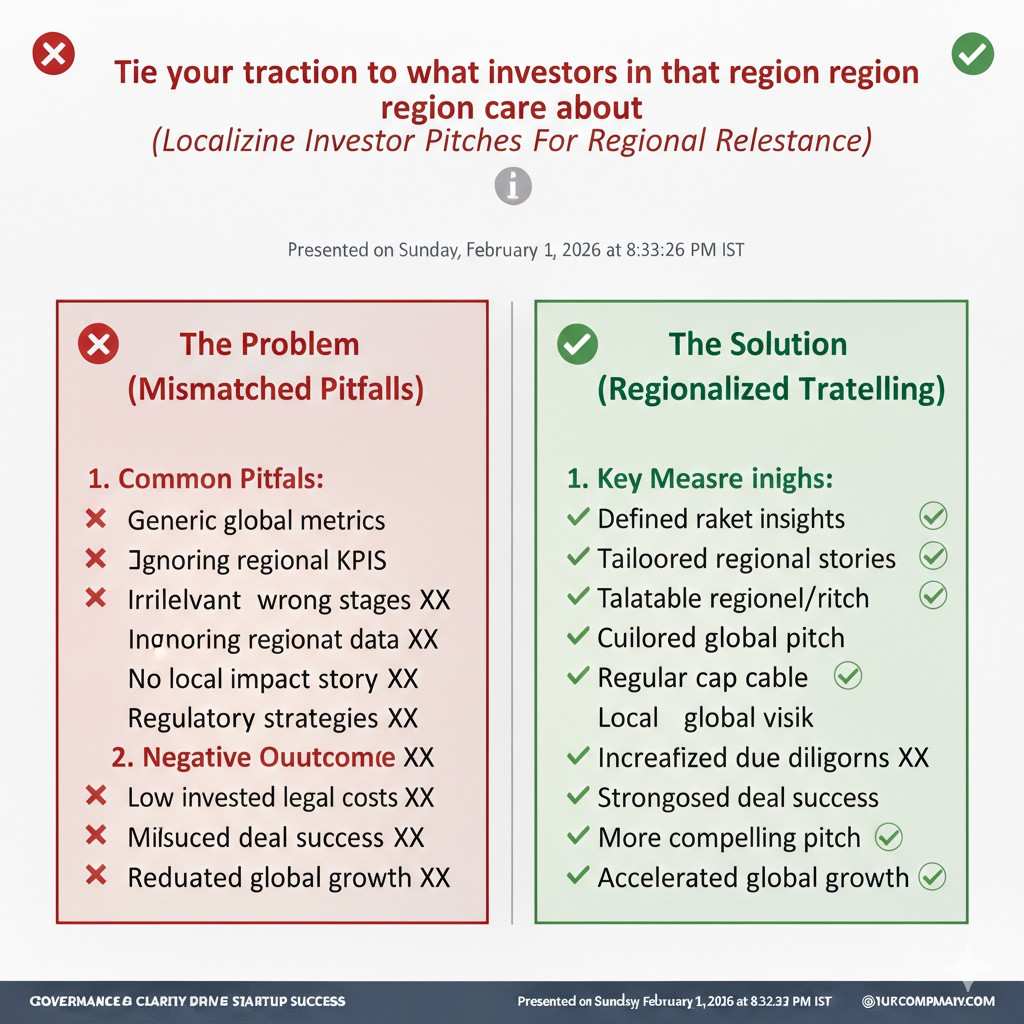
Different markets react to different proof. Some investors care about revenue early. Some care about pilots. Some care about safety, rules, and long-term market access. Your story should match the investor’s lens, without changing the truth.
If you are raising from US investors, they often want a clear growth path and a big market story. If you are raising from Europe, they may ask more about compliance and deployment realities. If you are raising from regions with strong strategic capital, they may focus on partnerships and long-term fit.
You do not need to reinvent your pitch for every region. You just need to highlight the right parts first, so they can track your logic.
4) Prepare your materials so distance does not become doubt
Build a data room that answers questions before they are asked
Cross-border rounds can move slowly if every question becomes a new email chain. A clean data room reduces delays and makes you look organized. More importantly, it removes the sense that you are hiding something.
Your data room should feel like a calm folder, not a messy attic. When someone opens it, they should quickly see your deck, key metrics, core legal docs, cap table, and IP ownership proof. If something is not ready, it is better to say “in progress” than to share half-finished files that create worry.
Even if you do not share everything at first, you should build it early. Fundraising tends to compress. When a serious investor leans in, you want to keep pace.
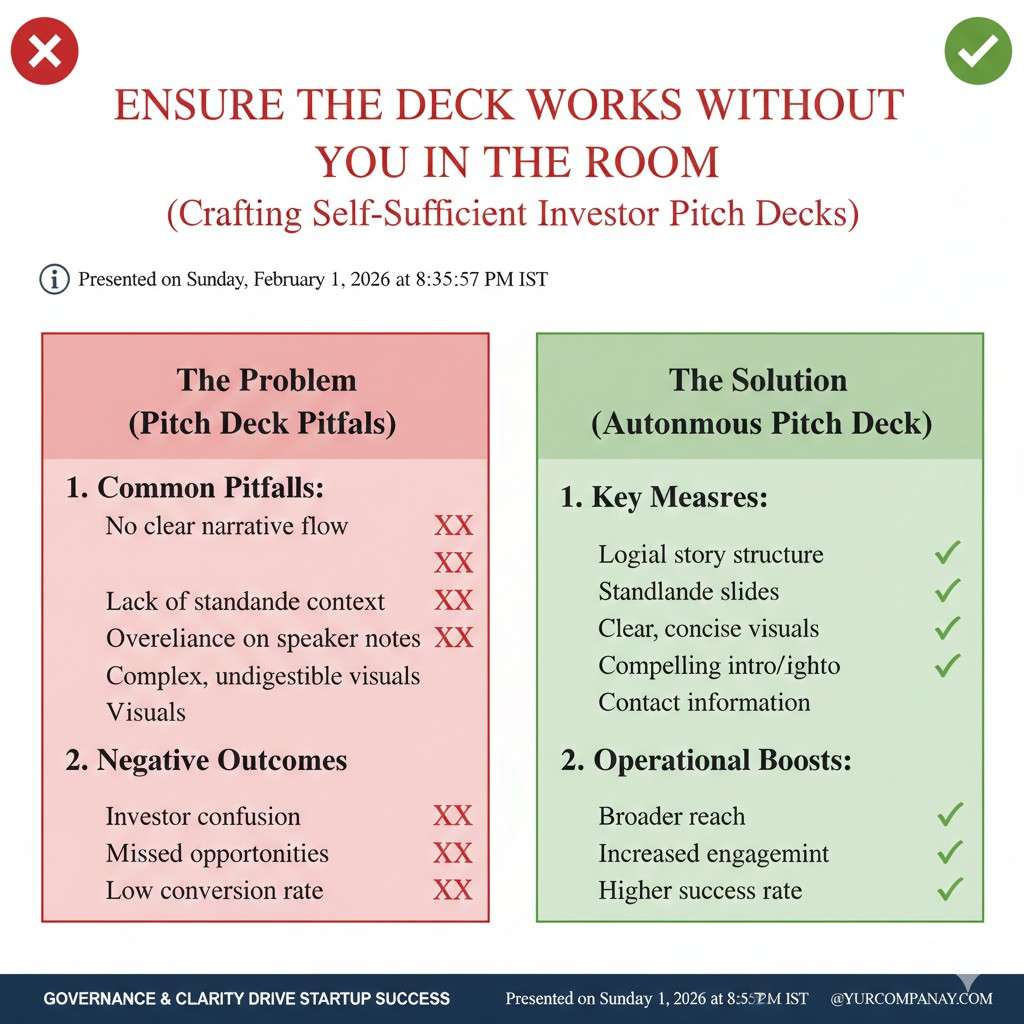
Ensure your deck works without you in the room
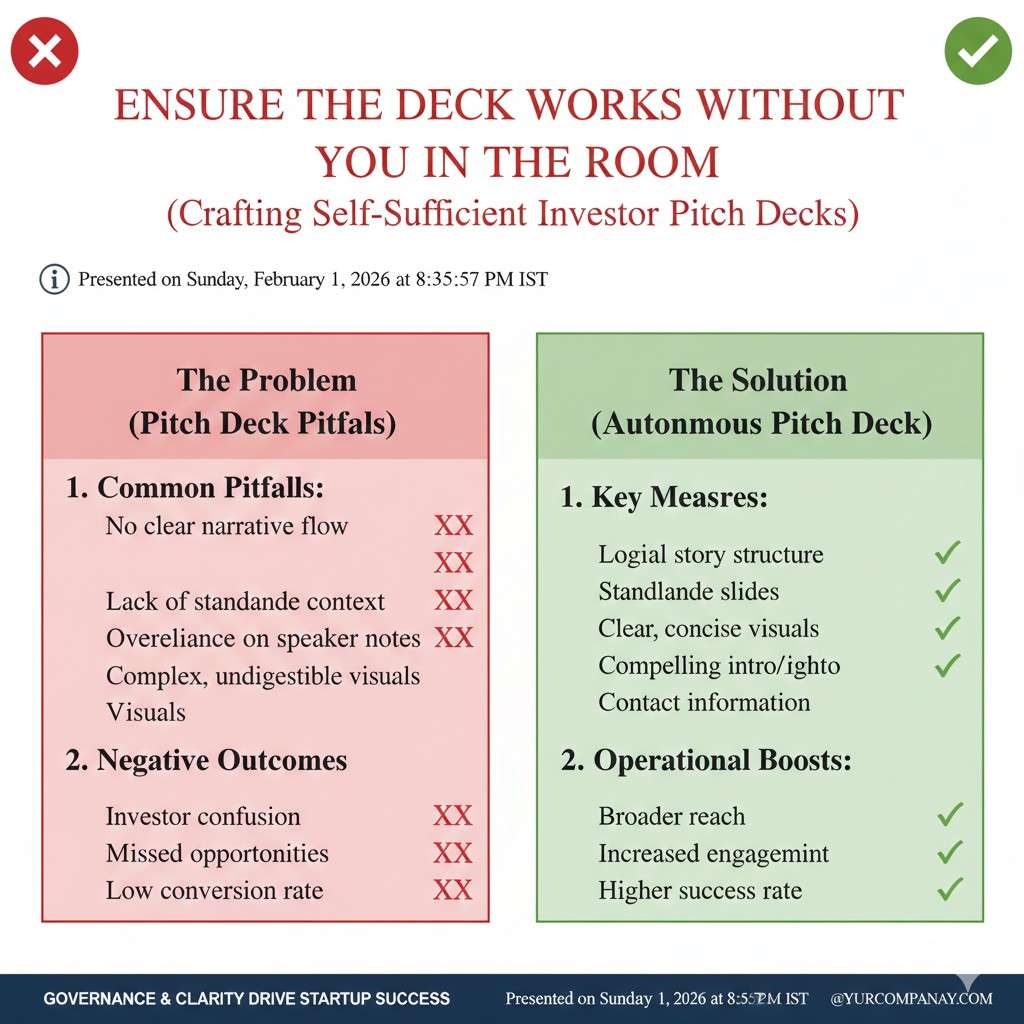
If you raise across borders, your deck will be forwarded. That means it must make sense when you are not present. Many founder decks only work when the founder talks for 20 minutes. That is risky when investors are far away and time zones are hard.
Your deck should answer the basic “what, why now, why you, why win” without heavy talk. Use simple charts. Use real numbers. Use clear words. If a slide feels like a riddle, fix it.
This is also where an IP slide can help, if done right. Do not turn it into a brag page. Make it a simple proof page: what you own, what you have filed or plan to file, and how it blocks copycats.
Plan your reference path early
References matter more across borders because they replace proximity. Investors will ask, “Who can vouch for you?” If you only start thinking about references at the end, you may scramble.
References can be a customer, a pilot partner, a past manager, a respected engineer, or another founder. They should know your work firsthand. They should also be reachable in the investor’s time zone, when possible.
This does not mean you need a “big name.” It means you need a real person who can speak clearly about your ability to build, lead, and deliver.
5) Build the right investor list for cross-border outreach
Stop searching for “investors,” start searching for patterns
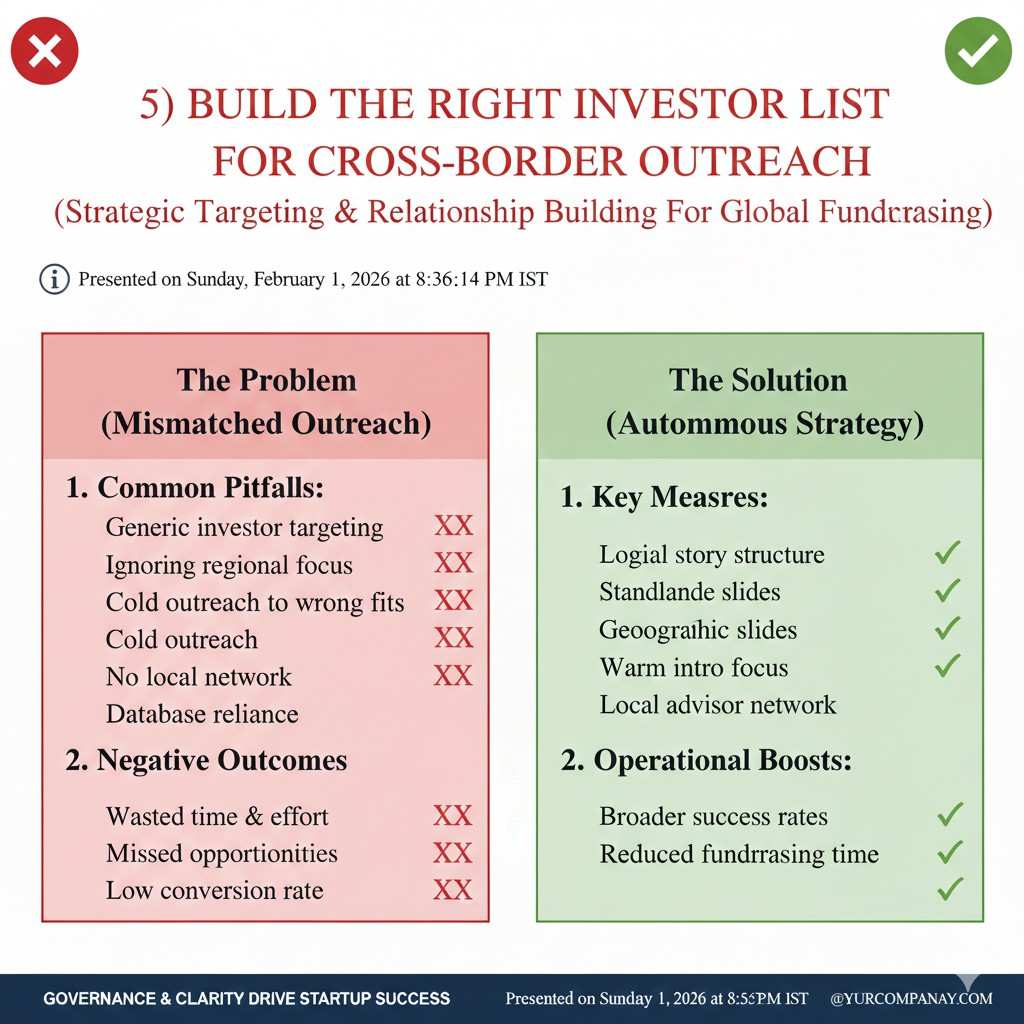
A good cross-border investor list is not a long list. It is a list built around patterns you can prove. The pattern could be stage, sector, check size, or past deals in your space. When you build around patterns, outreach becomes personal without becoming fake.
Start by looking at companies that look like yours. Not the famous ones. The ones that raised recently at your stage, with similar tech and similar risk. Then look at who invested. Those investors already understand the shape of your problem, which saves you time.
This is especially important in robotics and deep tech, where many investors say they like the space but only invest when it looks like software. A pattern-based list helps you find the people who truly invest in hard things.
Decide who can lead, who can follow, and who can open doors
In cross-border rounds, one lead can change everything. A lead is not just a check. A lead is a signal that others trust. Many investors will not lead if they do not know you well, even if they love the idea. They want someone else to take first risk.
So you want three types of investors in your plan. You want potential leads who have led at your stage. You want followers who move fast once a lead is set. And you want door-openers who can connect you to customers, pilots, and talent.
If you treat every investor the same, you will waste time pitching the wrong people first. The order matters. Leads first, fast followers second, and the rest later.
Build a “no-go” rule so you do not lose months
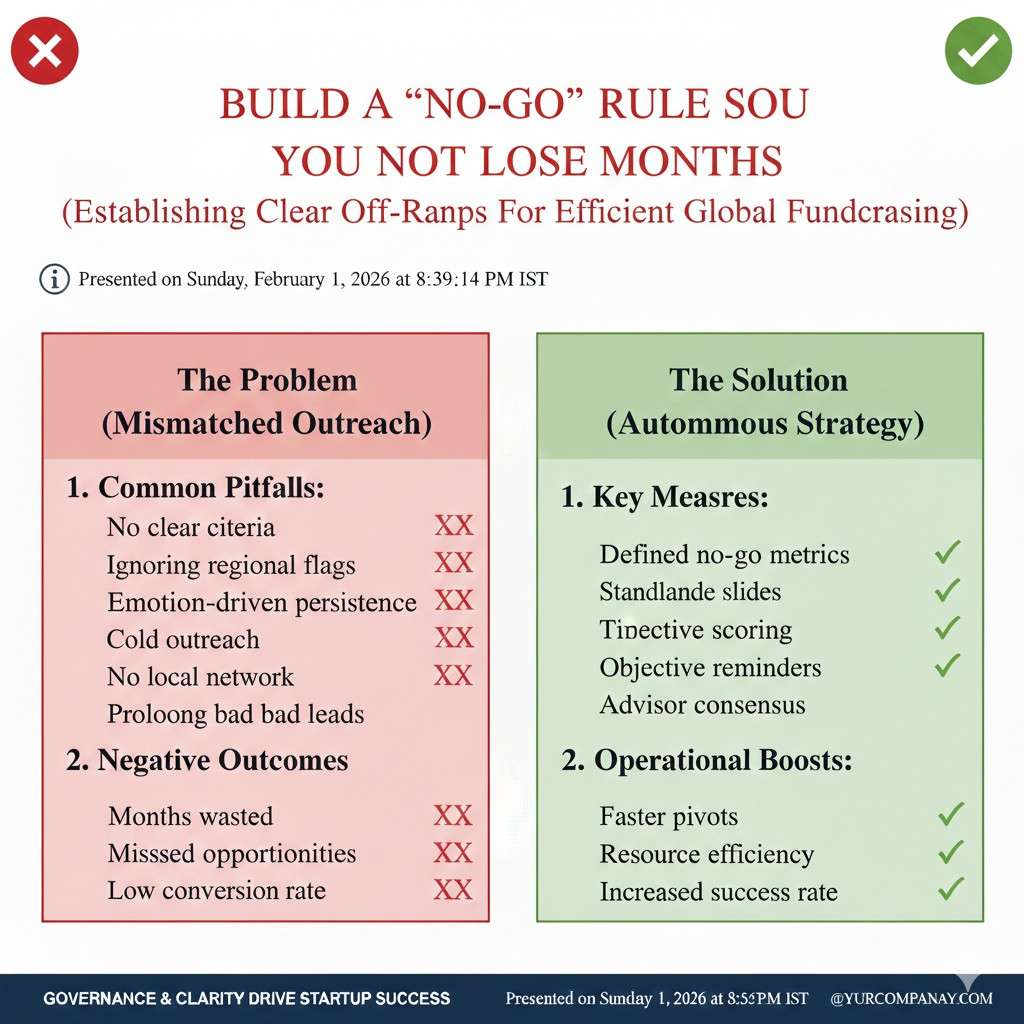
Founders often keep talking to investors who will never invest. This happens more in cross-border rounds because rejection is softer. People say “interesting” and “keep me posted” for months. It feels like progress, but it is not.
A simple no-go rule protects your time. If an investor cannot name a clear next step after a call, they are not active. If they keep pushing meetings without moving closer to a decision, they are likely browsing. If they keep asking for more traction than your stage allows, they are not your match.
The purpose of a no-go rule is not to be harsh. It is to keep your calendar clean so the real buyers of your round can get your best energy.
6) Make your outreach feel local, even when it is global
Use a short first message that earns a reply
Cross-border outreach works when your first message is simple and respectful. It should not read like marketing. It should read like a clear note from a founder who knows why this investor is a fit.
A strong message usually has three parts. First, one line on what you build, in plain words. Second, one line on the proof you already have, even if it is early. Third, one line that ties to their history, like a deal they did, a theme they share, or a sector they focus on.
Avoid sending long paragraphs that explain everything. The goal of the first note is not to close the round. The goal is to earn a call. When the investor replies, you can share more.
Use warm intros as your main channel, not a “nice to have”
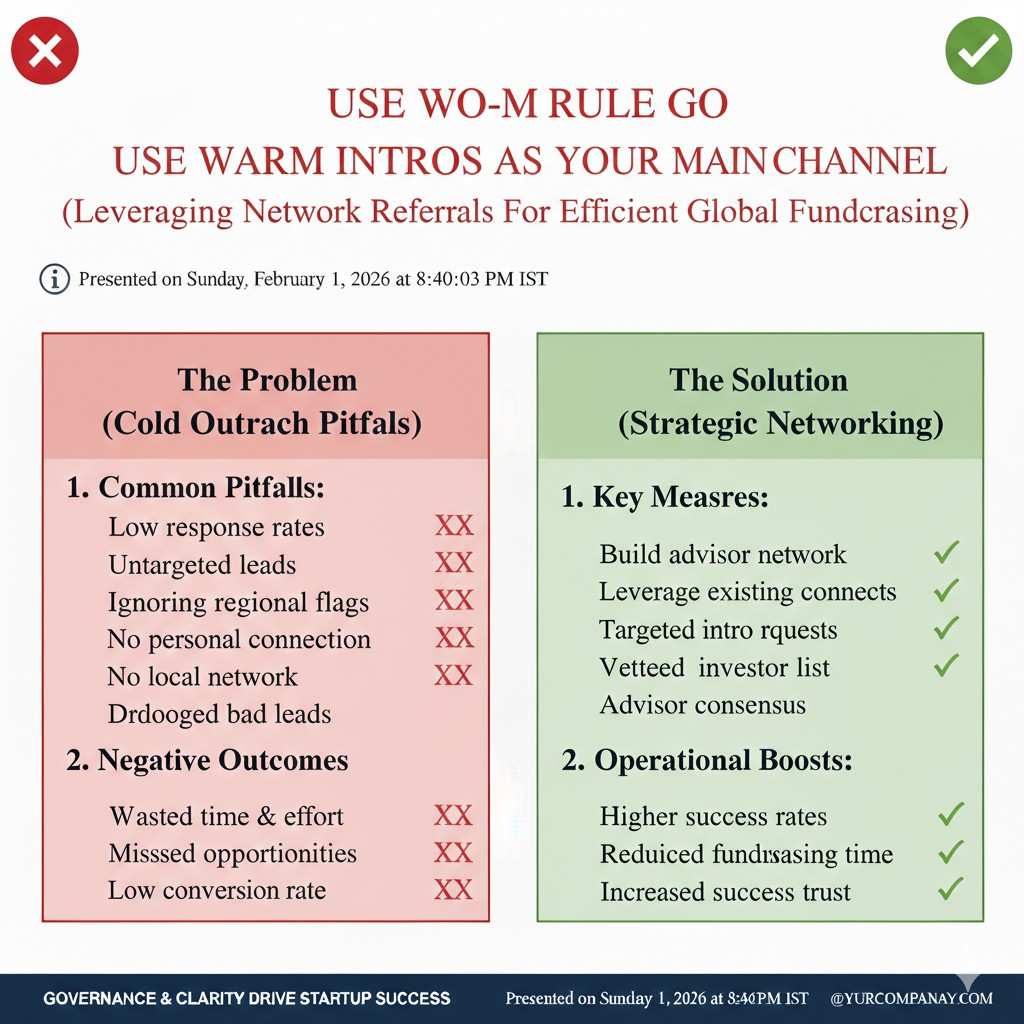
Warm intros matter more across borders because they help investors trust the signal. Cold outreach can still work, but it is harder. A warm intro can also help you skip steps, because the introducer has already done part of the trust work.
Do not ask for intros in a vague way. When you ask someone for an intro, make it easy for them to say yes. Give them a short note they can forward. Tell them why that investor is the right fit. And be clear that you will respect the investor’s time.
If you do not have a strong network in the target country, you can still build one quickly. Founders who raised there recently are often willing to help if you are thoughtful and specific.
Align your outreach schedule to time zones and investor habits
Time zones can quietly destroy fundraising momentum. You end up with calls at odd hours, slower back-and-forth, and a constant feeling of being behind. The fix is to build a schedule that matches the target market.
Block your calendar for outreach and follow-ups during the investor’s working day, not yours. Create a weekly rhythm: outreach early week, calls midweek, follow-ups late week. That rhythm helps you look consistent and helps investors feel you are running a real process.
Consistency builds confidence. Randomness creates doubt. In a cross-border round, confidence is often the deciding factor.
7) Learn the hidden rules of term sheets across borders
Understand that “standard” is not the same everywhere
Many founders assume the term sheet template is universal. It is not. What is standard in one market can feel strange in another. Even basic things like board structure, option pool handling, or investor rights can vary.
You do not need to become a legal expert. You do need to know when something is normal and when something is a trap. The easiest way is to compare. Ask your lawyer to show you a few examples from similar deals in that region. Ask other founders what terms they saw.
The point is not to fight over every line. The point is to avoid signing terms you do not understand, then regretting it when you try to raise again.
Watch for control drift when investors are far away
Control drift is when you lose power slowly through small clauses, not one big moment. It can show up in voting rules, board seats, veto rights, or special approvals needed for normal actions. Cross-border investors may ask for stronger control because they feel far away and want safety.
Some protections are fair. Some are too heavy for your stage. If you accept too much early, you may struggle later when new investors join and want a clean structure.
A useful test is simple: will this clause make it harder to raise the next round? If yes, you should question it. Future investors do not like messy governance.
Protect your IP terms the same way you protect your equity
Deep tech deals sometimes include extra clauses about IP, licensing, or rights to future inventions. These can be dangerous if they are broad. You may not notice the impact until you try to sell to a customer or partner, and they ask who really controls the tech.
You want your company to own its core work. You want clean assignments from team members. You want any investor rights to be normal, not invasive. If an investor asks for special access or special claims on your IP, treat it as a major item, not a small detail.
This is where having an IP partner early can reduce risk. Tran.vc invests up to $50,000 in in-kind patent and IP services so you can build a real moat and keep ownership clean while you raise. If you want help building that foundation, apply at https://www.tran.vc/apply-now-form/
8) Plan your due diligence like a project, not an event
Assume due diligence will start earlier than you think
In cross-border fundraising, diligence starts the moment you send your deck. Investors may not say it, but they are testing everything. They are checking your story against your website, your team profiles, and your traction claims. If they sense a mismatch, they may quietly drop.
So you should act as if diligence is always on. Keep your metrics consistent. Keep your story aligned. If something changes, update your materials. A small mismatch can look like a big issue when trust is fragile.
This does not mean you must be perfect. It means you must be coherent.
Create one source of truth for numbers and claims
Founders often share numbers in different ways across different calls. In a local round, it may not matter. In a cross-border round, investors compare notes. If one investor hears one set of numbers and another hears a different set, doubt spreads fast.
Pick one source of truth. Update it weekly. Use the same definitions for key metrics. If a metric is early or rough, say so clearly. Investors respect clarity more than inflated certainty.
When your numbers are steady, your process looks steady. When your numbers change in strange ways, your company looks risky.
Prepare for deeper questions about regulations and safety
If you are building robotics, AI, or anything that touches regulated spaces, cross-border investors may push hard on rules and safety. They are not trying to be difficult. They are trying to see if you understand the real world you want to enter.
Be ready to explain your deployment path. Where will you test first? What approvals matter? What safety steps are built into the product? How will you handle data rules across regions?
A calm, practical answer can become a strong advantage. Many teams avoid this topic. If you handle it well, you can look more mature than teams with bigger demos.