
Invented by Hinolan; Carlos Jose
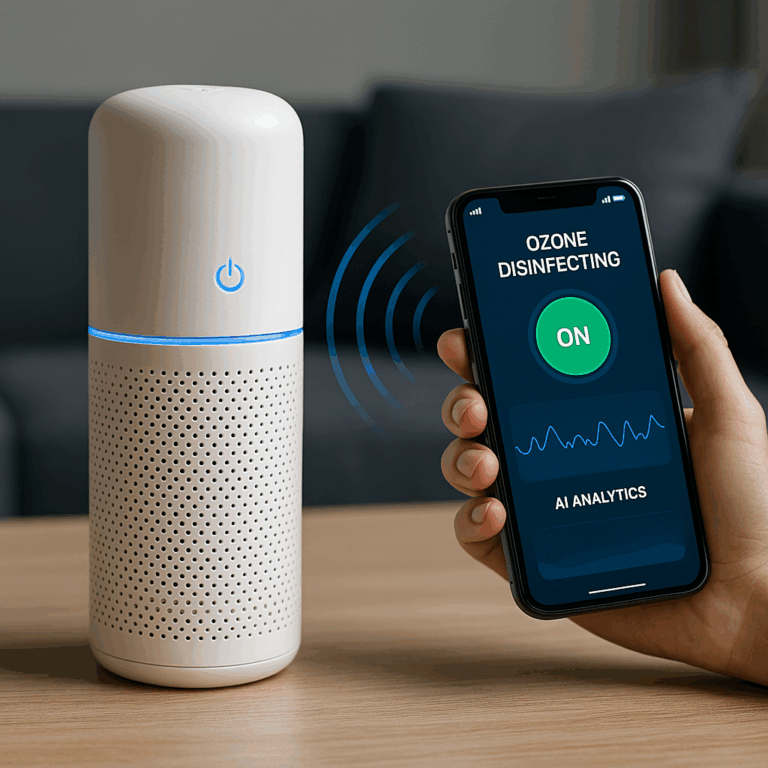
Ozone disinfection has always held promise for keeping rooms and spaces clean. But what if you could control this powerful cleaning tool with your phone, track its work, and even use smart technology to make it better? Let’s explore a new patent application for a wireless ozone disinfecting device that does all this and more. This article will guide you through the background, science, and the heart of the invention, showing why this matters and how it changes the game for clean, safe spaces.
Background and Market Context
Disinfection is more important than ever. In the wake of the COVID-19 pandemic, people everywhere started looking for better ways to keep their homes, schools, and public places safe from germs. The need for disinfecting rooms without leaving behind harmful chemicals or bad smells has grown. People want easy, safe, and smart solutions—especially ones that work without direct contact.
Ozone is a special kind of oxygen that can kill bacteria, viruses, and fungi. For many years, ozone has been used in hospitals, water treatment, and even food storage. Its power comes from its ability to break down the walls of germs and neutralize them, turning back into safe oxygen when the job is done. This means no sticky residue, no harsh smells, and no worries about leftover chemicals.
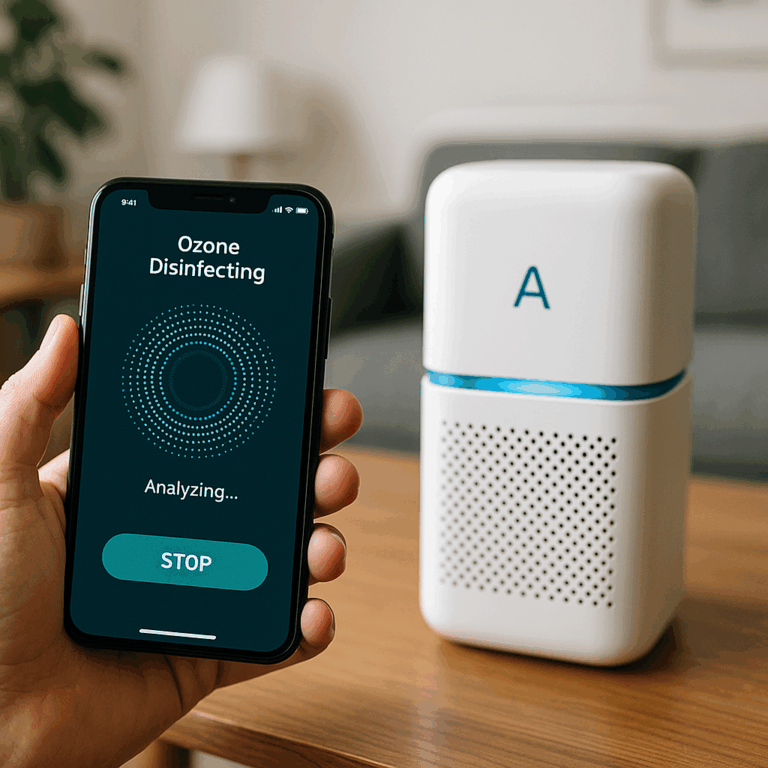
But traditional ozone machines have problems. Most are big, not easy to move, and must be operated by someone in person. They also don’t “talk” to other devices, and there’s no simple way to track what they’ve done or make them smarter over time. Worse, if too little ozone is used, germs survive; too much, and it can be dangerous for people or pets. There’s a clear need for a better way.
Enter the wireless ozone disinfecting device. This new invention answers all these problems. It’s portable, easy to use, and controlled by a phone or tablet. It connects to other devices, stores a record of what it does, and uses smart technology to get better at its job. With this device, cleaning a room becomes as easy as tapping a button and letting the system do the thinking. This approach matches what people want now: safe, hands-off, and reliable cleaning for the spaces where they live and work.
In today’s world, technology and cleaning go hand in hand. People expect their devices to be smart and connected. The market is moving fast toward tools that offer more than just basic functions—they need to be part of a bigger system, gathering data, learning from it, and making life easier. This wireless ozone disinfecting device fits right into this new way of thinking, showing the future of clean is not just about strong chemicals, but about smart, safe solutions anyone can use.
Scientific Rationale and Prior Art
Ozone, often called activated oxygen, is made up of three oxygen atoms. It forms naturally in the air when electricity splits regular oxygen molecules and the loose atoms join others to make ozone. This process happens during lightning storms or near waterfalls. Scientists discovered ozone’s cleaning power over a hundred years ago, and it has been used in many industries since then.
The magic of ozone lies in its ability to attack the outer shells of germs like bacteria and viruses. When ozone breaks down these shells, the germs die. After doing its job, ozone quickly turns back into regular oxygen, leaving nothing behind. This makes it great for disinfecting places where people don’t want leftover chemicals or strong smells. It’s especially important in places like hospitals, food factories, and schools.
Still, not everyone can just use ozone whenever they want. It has to be used safely because breathing in ozone gas is not good for people or animals. That’s why it’s critical to control how much ozone is made and to make sure rooms are empty when the device is working. Getting the right amount—enough to kill germs, but not so much it’s unsafe—is a tricky balance.
Past ozone machines have some big limits. Most are plugged in and not easy to move from room to room. They have simple on/off switches or timers, so you can’t control them from far away. If you want to know how many times a room was cleaned, you have to keep track yourself. And none of them learn from their work or use patterns to get better at disinfecting over time. Existing patents, such as US 20120230879 and US 8,354,057, show ozone generators that clean the air, but they don’t solve these problems.
To sum up, the science behind ozone is strong, and its cleaning power is proven. But the tools for using ozone have not kept up with what people need today. There is a gap between what is possible and what is available. The invention in this patent application steps into that gap by bringing together ozone’s power with wireless control, data tracking, and smart learning. This is a leap from old machines to a new, connected way to keep spaces safe.
Invention Description and Key Innovations
At the heart of this new invention is a small, portable ozone disinfecting device that you can control wirelessly. The device is built with several key parts that work together to clean a room safely and smartly.
First, there are two air pressurizing parts. These push air through the machine and help release ozone into the room. A fan sits above the ozone generator, pushing air up and out so the ozone spreads evenly. The ozone generator makes ozone from the air around it, turning oxygen into ozone using electricity. All of these parts are connected to a small computer—a hardware processor—that acts as the brain of the device.
The hardware processor does much more than simply turn things on and off. It stores the instructions for running the device, keeps track of every time the machine is used, and can talk to other devices through wireless signals. There’s a power source, such as a battery or plug, making the device easy to move and use anywhere. The processor is also connected to a wireless module, which lets it communicate with your phone or tablet.
Here’s where things get really interesting. Using a special app on your mobile device, you can start or stop the disinfection process from another room—or even from outside the building. The app lets you see records of when the device was used, for how long, and how much ozone was made. This means you always know the space is clean, and you don’t have to write anything down or remember when you last cleaned.
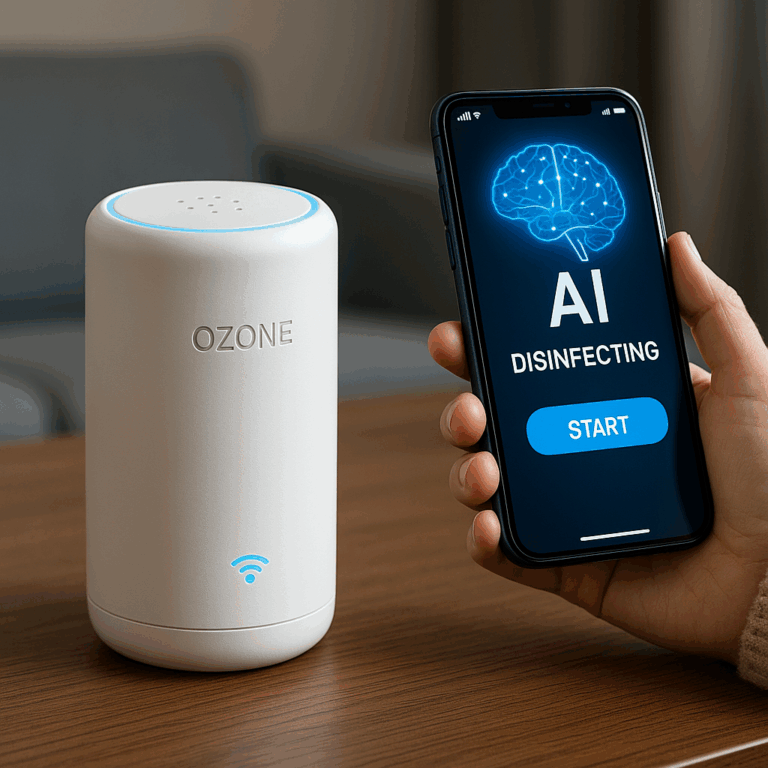
But the device is more than just remote-controlled. It’s smart. The processor learns from the records it keeps, spotting patterns in how often rooms are cleaned and how much ozone is needed. It uses artificial intelligence (AI) to suggest the best times to clean and the right amounts of ozone to use based on past data. This helps keep spaces safer and avoids wasting energy or using too much ozone.
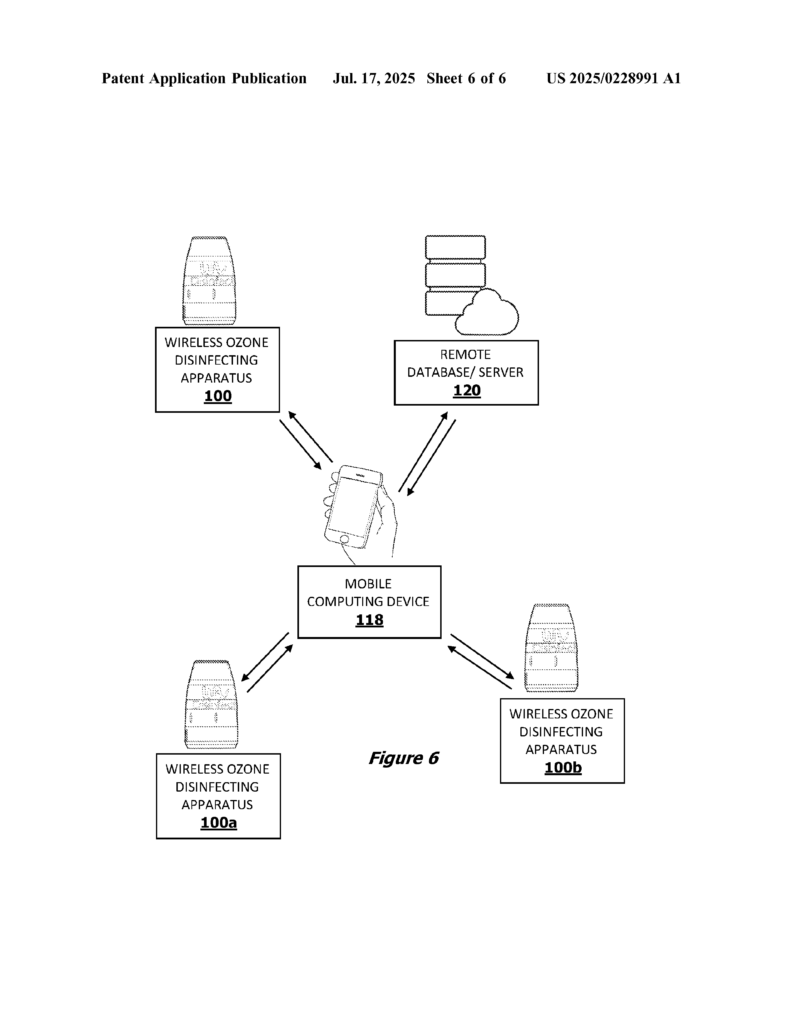
If you have more than one device, they can form a network. Each device “talks” to the others and to your phone, sharing information. For example, in a big building, you can control all the devices at once or set them to clean different rooms at different times. The app can track every device and show the cleaning history for each area. If something goes wrong, like a battery running low or a device not turning on, you get a message right away.
The design of the device is also made for real-world use. The power source is at the bottom for stability, and a handle on top makes it easy to carry. A set of fins or mesh covers the top opening to keep out dust and debris. The inside parts are arranged in layers, with the processor close to the power source and the fan above the ozone generator. This setup makes the device both safe and easy to use.
In short, this invention stands out for several reasons. It brings ozone cleaning into the age of smart devices, making it wireless, portable, and easy to control. It keeps records and learns from them, using AI to get better over time. It can work alone or as part of a team of devices, all managed from a single app. This is not just a step forward—it’s a big jump, meeting the needs of today’s world for safe, simple, and smart cleaning.
Conclusion
The wireless ozone disinfecting device described in this patent application offers a new way to keep spaces clean and safe. By making the device portable, easy to control with a phone, and able to learn from its use, this invention takes ozone cleaning to a new level. It solves real problems with old machines and fits perfectly with the trends of smart, connected living. As people look for better ways to disinfect their homes, schools, and offices, this device stands ready to lead the way—making clean spaces as simple as pressing a button and letting smart technology do the rest.
Click here https://ppubs.uspto.gov/pubwebapp/ and search 20250228991.