IP Basics

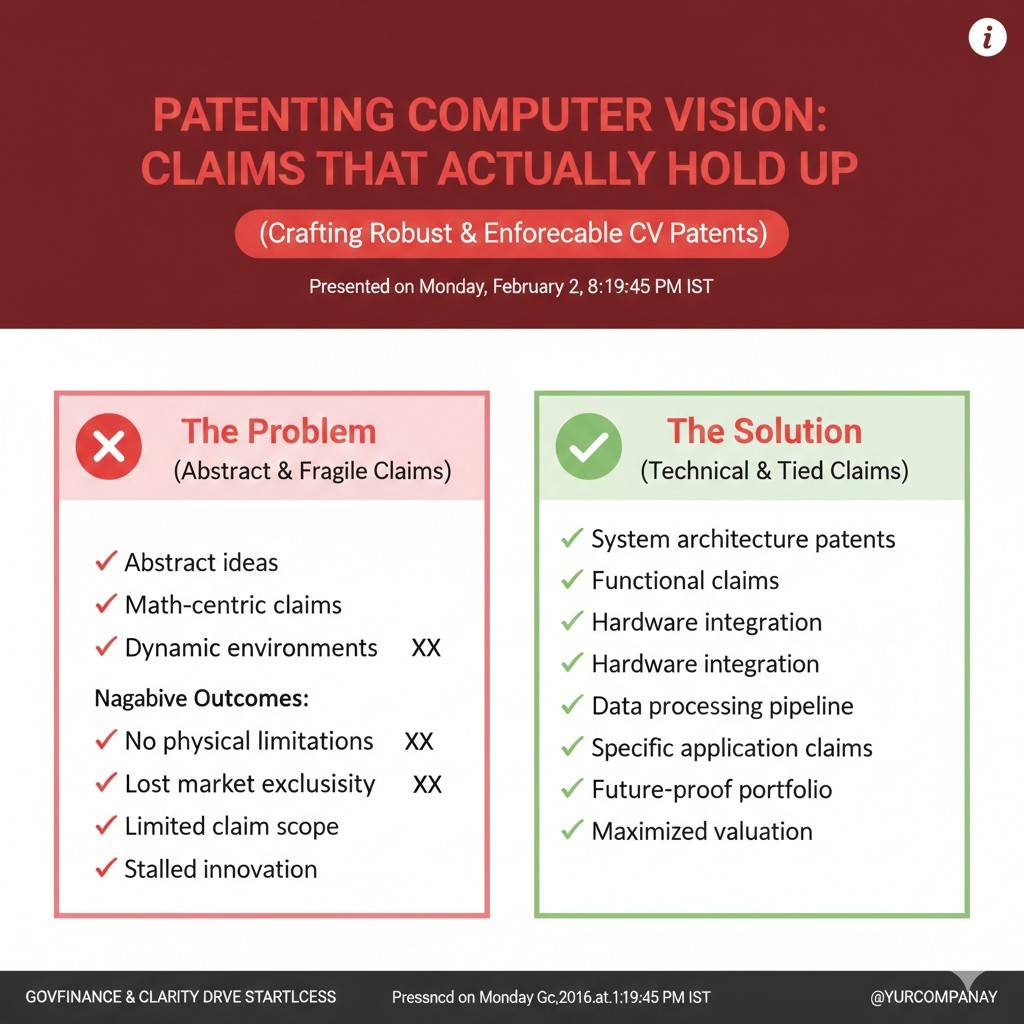
Patenting Computer Vision: Claims That Actually Hold Up

Most computer vision founders wait too long to think about patents. Not because they do not care. But because vision work feels “too math-y” or “too model-y” to patent. Or they assume it will never hold up once a patent examiner asks hard questions. Or they think: “We will do patents after we get traction.” […]

Patenting Computer Vision: Claims That Actually Hold Up Read More »
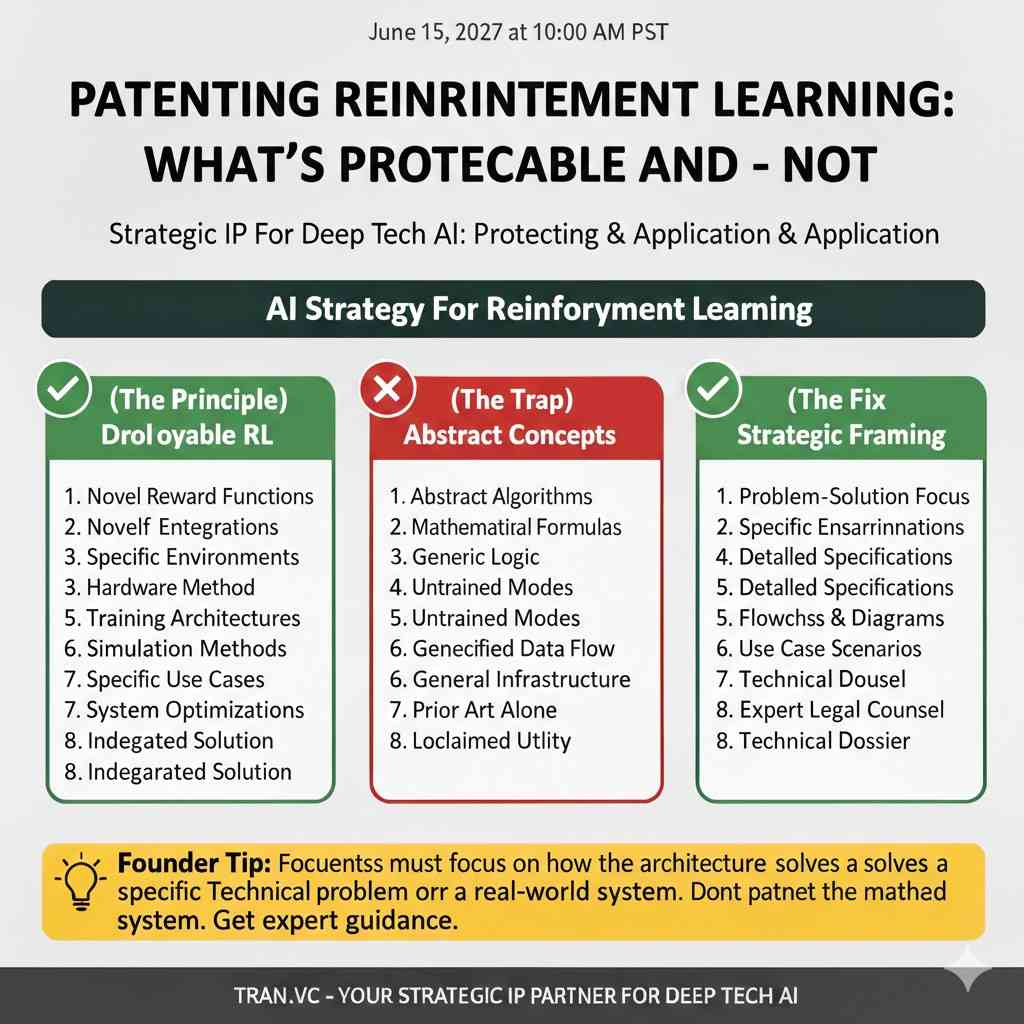
Patenting Reinforcement Learning: What’s Protectable and What’s Not

Reinforcement learning can feel like magic. An agent takes actions, gets rewards, and slowly learns how to win—sometimes in ways even the builders did not expect. If you are building robots, AI systems, or real-world control software, reinforcement learning can become the core of your product. And when it becomes core, one question shows up

Patenting Reinforcement Learning: What’s Protectable and What’s Not Read More »

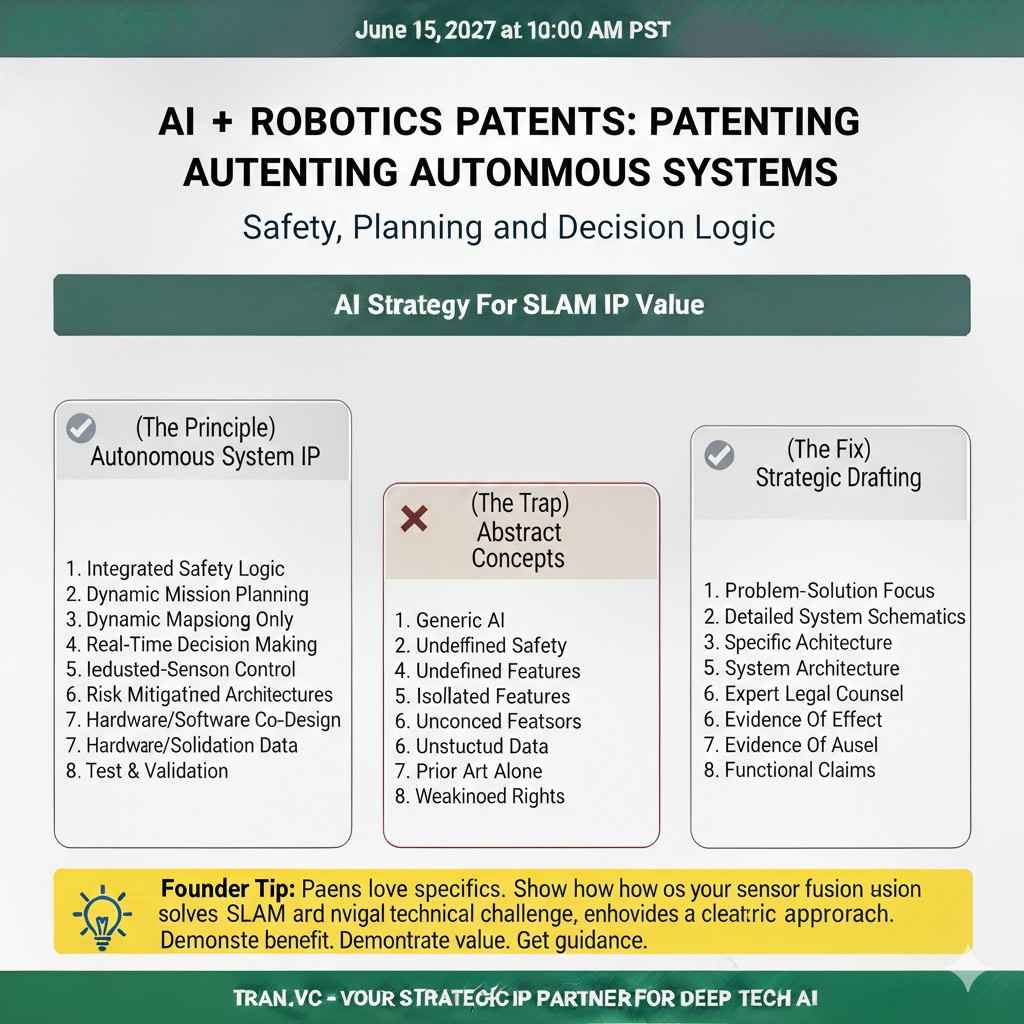
Patenting Autonomous Systems: Safety, Planning, and Decision Logic

If you build autonomous systems, you are not “just shipping code.” You are teaching a machine how to act in the real world. That means safety, planning, and decision logic are not side details. They are the product. And here is the part most founders miss: these are also the parts you can often protect

Patenting Autonomous Systems: Safety, Planning, and Decision Logic Read More »