
Invented by CUI; Junyong
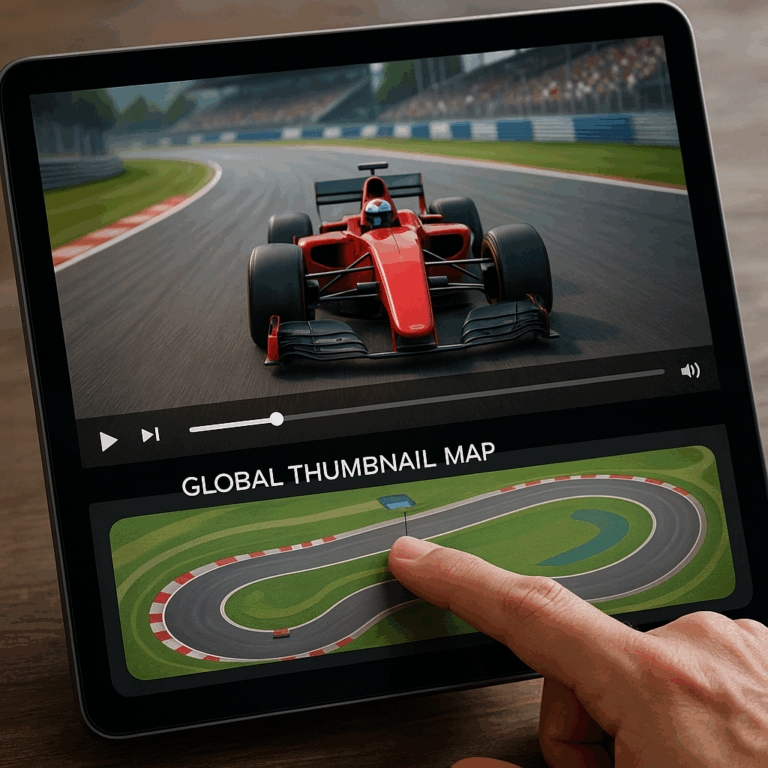
Watching videos of racing games is fun, but skipping to the right part can be hard. A new patent application proposes a better way to jump to any moment in a race video. This article will explain why this invention matters, how it is different from old methods, and how it works in simple words.
Background and Market Context
People love to watch game videos, especially when it comes to racing games. These videos are not just for fun; many viewers watch to learn new tricks or see how others play. With the rise of streaming platforms and better phones, more users are watching videos than ever before. But as videos get longer and more detailed, viewers want a quicker way to see what they like most.
Traditionally, video platforms gave us a simple progress bar. If you wanted to see the moment a car overtakes another, you had to guess and drag the bar back and forth. This method is okay for movies, but not great for racing game videos where the action is tied to locations on a track, not just points in time. For example, if you want to see the moment a car crashes on turn three, you might have no idea where that is in the timeline. You keep guessing, moving the bar left and right, wasting time and getting frustrated.
This problem grows as more people watch game videos on phones and tablets. Touch screens make dragging a tiny progress bar even harder. Users want to jump right to the action, fast and easy, using their fingers. They expect smart, easy-to-understand controls that help them find the best parts of the video right away.
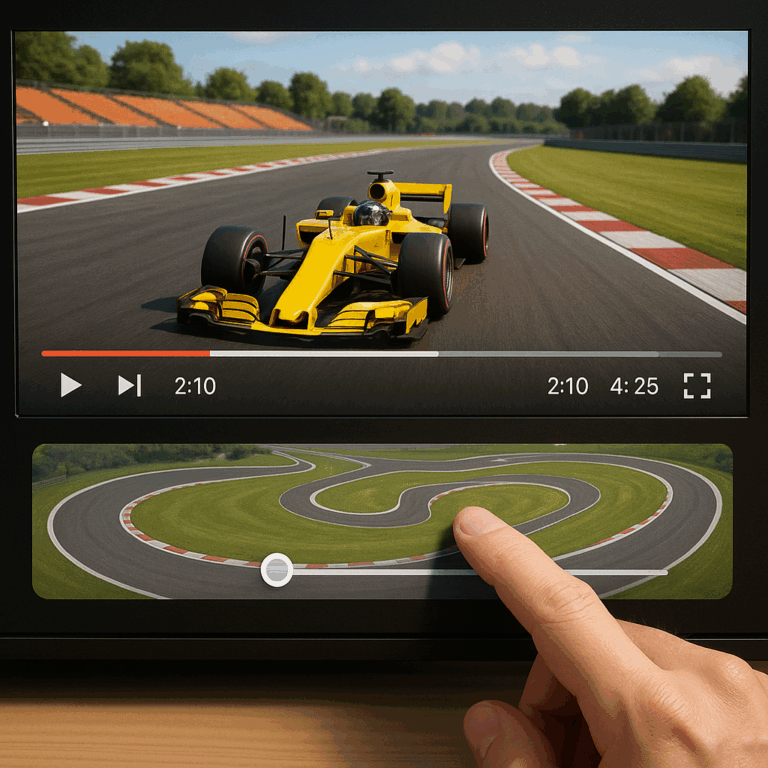
Game streaming has also made this problem bigger. Competitive games like racing, running, or other sports games have tracks or paths. Viewers often want to watch a specific section of the track—a jump, a tight corner, or the finish line. But the old progress bar has no sense of the track. It just shows time passing, not where things happen in the game world. This gap leaves viewers wanting better controls that match the way games work.
As mobile devices and touch controls become more popular, new solutions are needed. Viewers want to use their fingers to pick exactly where they want to watch, not just guess using a time bar. The market is ready for smarter video controls, especially for game videos with race tracks or clear paths. This is where the new patent comes in, offering a solution that links video progress to places on the track, not just minutes and seconds.
Scientific Rationale and Prior Art
To understand why this new patent matters, let’s look at how video controls have worked until now. The basic progress bar has been around for years. It lets viewers drag a handle to move forward or backward in time. Some platforms add small thumbnail previews, showing a tiny picture of the frame at that time. This helps a bit, but it still only shows time, not game locations or special moments tied to the game world.
For racing games, viewers care about places on the track. Maybe they want to see a jump, a pit stop, or the last turn. The old progress bar does not know these places. If someone uploads a racing video, viewers have to guess where the action happens. Some platforms added features like chapter markers, but these are set by the uploader and often don’t match what every viewer wants.
Some advanced video players for sports or games tried to add event markers. For example, in soccer videos, markers may show when a goal is scored, but these are rare and need manual work. In racing games, the events are tied to where the car is on the track. No old system let viewers use a map of the track to pick a spot and jump there in the video.
There was also a technical gap. Old video players did not connect the video’s time progress to the game’s track position. They only knew about the timeline, not the in-game locations. Even when videos had maps on screen, these were just visual aids and could not be touched or used to skip to a location. The video and the map were not linked in any smart way.
Other inventions tried to solve similar problems in different ways. Some sports video platforms allow users to search for events or use tags. Some game streaming services let viewers jump to “highlights” picked by the system or the streamer. But all these methods depend on someone marking the events or the system using advanced analysis, which is not always accurate or available.
There was a clear need for a system that links the game’s map or track directly to the video progress. Such a system would let viewers pick where they want to watch based on the location on the track, not just time. This would save time and make watching racing games more fun and interactive.
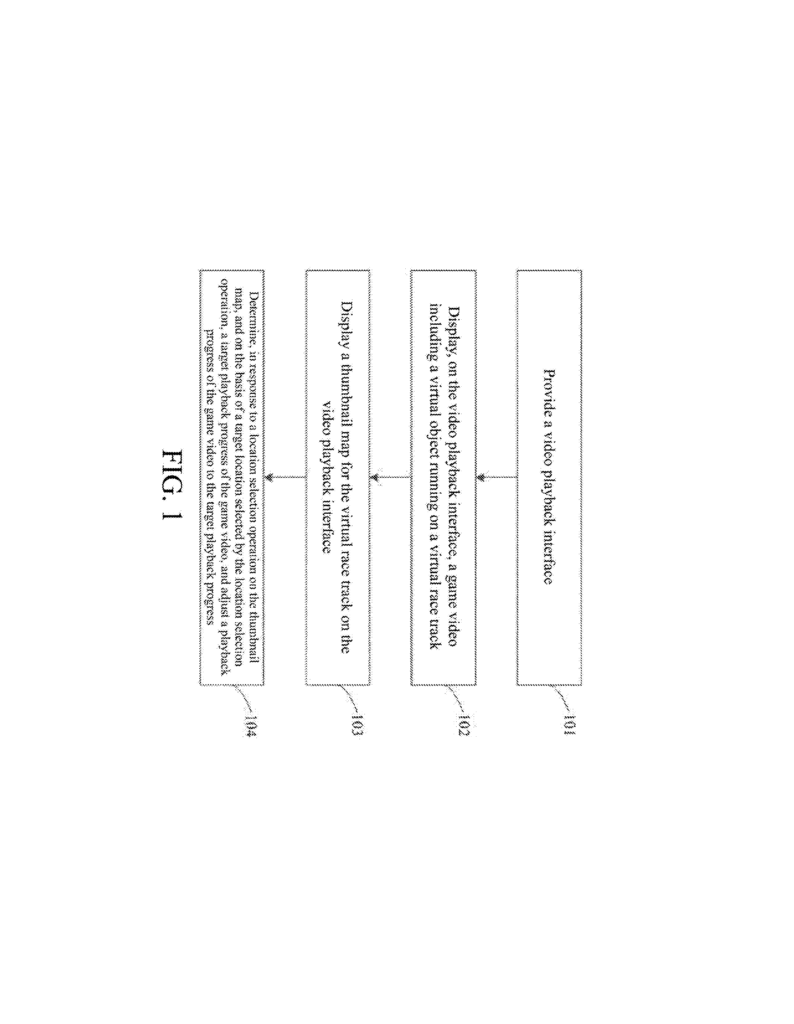
The new patent addresses this need by providing a way to show a map of the race track on the video player. Viewers can touch or click on the map to pick a spot. The system then jumps the video to the right moment, based on where the car or character is on the track. This is a big step forward compared to old video controls.
Invention Description and Key Innovations
This new invention changes how people interact with racing game videos. Instead of dragging a progress bar and guessing, viewers get a map of the race track right on the video player. They can tap or drag on this map to pick any spot on the track. The video then jumps to the moment when the car or runner reaches that spot. Let’s explore how this works, step by step, in very simple terms.
First, when you watch a racing game video, the video player shows the usual game footage. This might be a car racing along a track or a person running in a game world. Along with this, the player can show a small map of the whole track. This map is like a bird’s-eye view of the race course.
This map is not just for looking. It is interactive. You can touch or click on any part of this map. For example, if you want to see what happens on the last corner before the finish line, you can touch that spot on the map. The player then figures out at what time in the video the car or runner is at that spot. It jumps the video to that moment, so you see the action right away.
The map also shows a marker or symbol for the current position of the car or runner. As the video plays, this marker moves along the track, showing exactly where the action is. If you move the marker by sliding or tapping, the video jumps to the new spot. This makes it easy to explore any part of the race, see crashes, overtakes, or key moments, all by picking places on the map, not just guessing times.
The invention works well on touch screens. You can use your finger to drag the marker on the map or slide along the track. The player understands the direction and distance you move and sends you to the right part of the video. If you want to watch from the start or see a specific turn, just move the marker there. The system handles the rest.
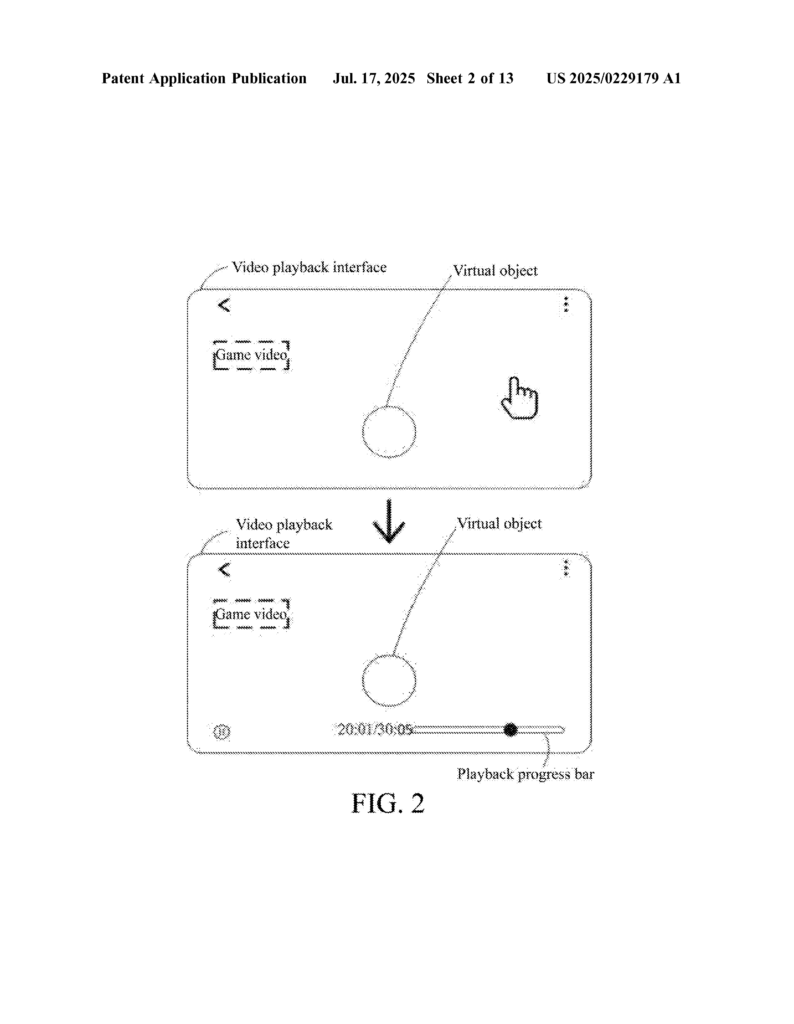
There are a few ways to open the map. You can tap the screen, use a special “map” button, or interact with the progress bar. For example, touching the progress bar might show the map, then you can pick your spot. When you are done, the map can hide itself, so you can watch the video without extra stuff on the screen.
The invention is smart about connecting the location on the map to the right spot in the video. It knows the path of the car or runner and matches it to the video’s timeline. This way, when you pick a place on the map, you always land at the right moment in the video. No more guessing or wasted time.
This system works for all kinds of games with tracks or paths—racing cars, running games, even bike races or obstacle courses. It can be used on phones, tablets, computers, or even smart TVs. The controls are simple and easy to use, making the video watching experience much better.
For creators and platforms, this invention means happier viewers. People can quickly find the most interesting moments, share clips, or re-watch their favorite parts. For game streamers, it means more views and longer watch times, since viewers can jump around easily. For video platforms, it is a way to stand out by offering smarter, game-aware controls.
In short, this patent brings the video player closer to the game. Instead of treating the video as a simple line of time, it treats it as a journey along a track. Viewers can use the map to explore, learn, and enjoy game videos in a way that matches how the game itself works.
Conclusion
The new patent for adjusting video progress using a map of the race track offers a big improvement over old video controls. It solves the common problem of finding the right moment in racing game videos. By linking the video’s timeline to the game’s map, viewers can jump to any spot on the track with a simple tap or drag. This makes watching, learning, and sharing game videos much easier and more fun. As game streaming and mobile viewing keep growing, inventions like this will shape the future of interactive video experiences.
Click here https://ppubs.uspto.gov/pubwebapp/ and search 20250229179.