
Starting a tech company is exciting. It is also hard. You have an idea. You have code. Maybe you even have a small prototype. But you do not yet have money. You do not have a big team. And you do not have a long track record.
This is where pre-seed investors come in.
Pre-seed money is the first real outside support your startup can get. It helps you move from idea to proof. It gives you time to build. It gives you room to think. But finding the right pre-seed investor is not easy. Many founders waste months chasing the wrong people. Some give up too much equity too early. Others rush into deals that hurt them later.
In this guide, we will walk step by step through how to find pre-seed investors for a tech startup. We will keep it simple. We will keep it practical. And we will focus on what truly works for deep tech, AI, robotics, and hard science founders.
If you are building something real and want to protect it before you raise big money, Tran.vc is here to help. You can apply anytime at: https://www.tran.vc/apply-now-form/
Now let’s begin.
First, Understand What Pre-Seed Really Means
Before you look for investors, you need to understand what stage you are in.
Pre-seed is not about big growth numbers. It is not about scaling fast. It is about building the base of your company.
At pre-seed, most tech founders have:
- A strong technical idea
- Early code or research
- A small founding team
- No real revenue yet
Some may have early users. Some may have a lab prototype. But most do not have product-market fit.
Pre-seed investors know this. They are not looking for polished metrics. They are looking for signals. They ask simple but deep questions.
Is this team strong enough to build something hard?
Is this idea worth protecting?
Can this turn into a big company one day?
If you are building AI models, robotics systems, new hardware, biotech tools, or deep software, your pre-seed stage is even more complex. You may need patents. You may need lab testing. You may need long development cycles.
This is why not all pre-seed investors are right for you.
Some only invest in fast consumer apps. Some want quick traction. Some do not understand deep tech at all.
If you are building serious technology, you must find investors who understand that building hard things takes time.
Tran.vc was built for this exact stage. Instead of pushing you to chase fast hype, they help you build strong IP first. They invest up to $50,000 in patent and IP services so your core technology is protected before you raise a big round. That way, when you speak to seed investors later, you speak from strength.
You can apply anytime here: https://www.tran.vc/apply-now-form/
Step One: Get Clear on What You Actually Need
Many founders say, “I need funding.” But they do not know how much. They do not know for what. And they do not know what kind of investor fits them.
This confusion shows. And investors can feel it.
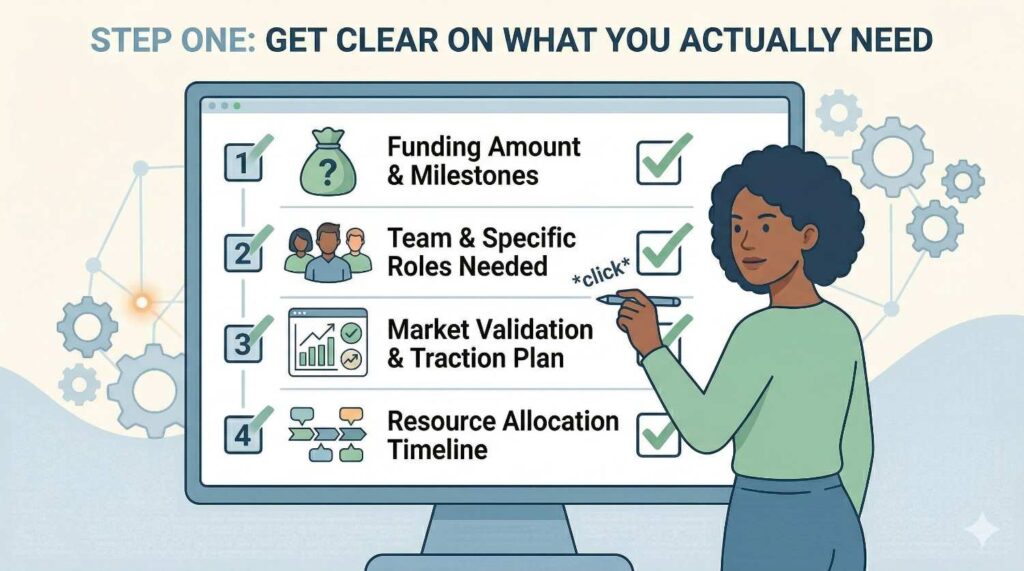
Before you send a single email, answer these questions in writing:
What exactly do I need to build in the next 12 months?
What does that cost?
What risk must I reduce?
If you are building robotics, maybe you need to build Version 1 hardware. Maybe you need safety testing. Maybe you need to file patents before showing your design to large partners.
If you are building AI, maybe you need compute, data access, and time to train models. Maybe you need to protect a novel algorithm before publishing anything.
Pre-seed money should remove your biggest risk. Not fund random growth experiments.
Many deep tech founders make a major mistake here. They spend early capital on marketing before they secure their core invention. Then they lose leverage later.
At Tran.vc, the focus is simple. Protect what makes you different first. Build a moat before product-market fit. This is what gives you control when real money comes in.
When you know what you need, you can speak clearly. And clarity attracts the right investor.
Step Two: Know the Types of Pre-Seed Investors
Not all pre-seed investors are the same. And chasing the wrong ones wastes months.
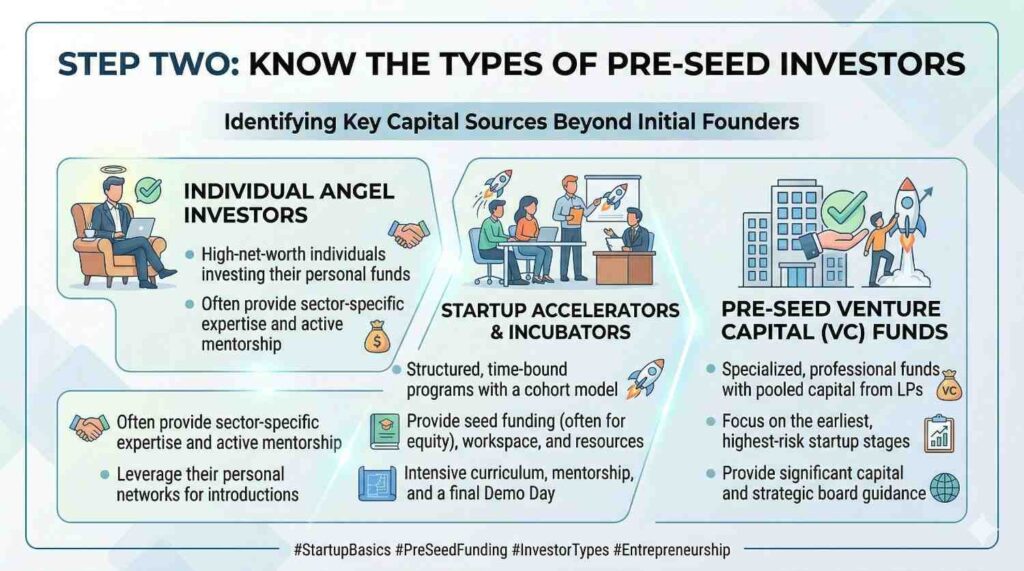
There are a few common types.
Angel investors are often former founders or operators. They write smaller checks. Some are great mentors. Some just want to invest and step back.
Micro VCs are small funds. They focus on early stage. They may invest between $100,000 and $1 million across a few startups each year.
Operator funds are run by people who have built companies themselves. They often bring real help, not just money.
Then there are venture partners like Tran.vc who invest in a different way. Instead of giving only cash, they invest in what matters most at pre-seed: your foundation. Patent strategy. IP filings. Legal structure. Investor positioning.
This matters more than many founders realize.
At pre-seed, the wrong investor can push you into fast growth before your tech is ready. The right partner helps you build correctly.
If you are building deep tech, look for investors who have funded hard science, AI, robotics, hardware, or long development startups before. Study their portfolio. Read what they write. See what they believe.
If they only talk about quick growth and viral loops, they may not understand you.
Finding pre-seed investors is not about mass emailing 500 funds. It is about finding 20 who truly fit.
Step Three: Build a Fundable Story Before You Reach Out
Many founders think fundraising starts when you send emails.
It does not.
Fundraising starts when you shape your story.
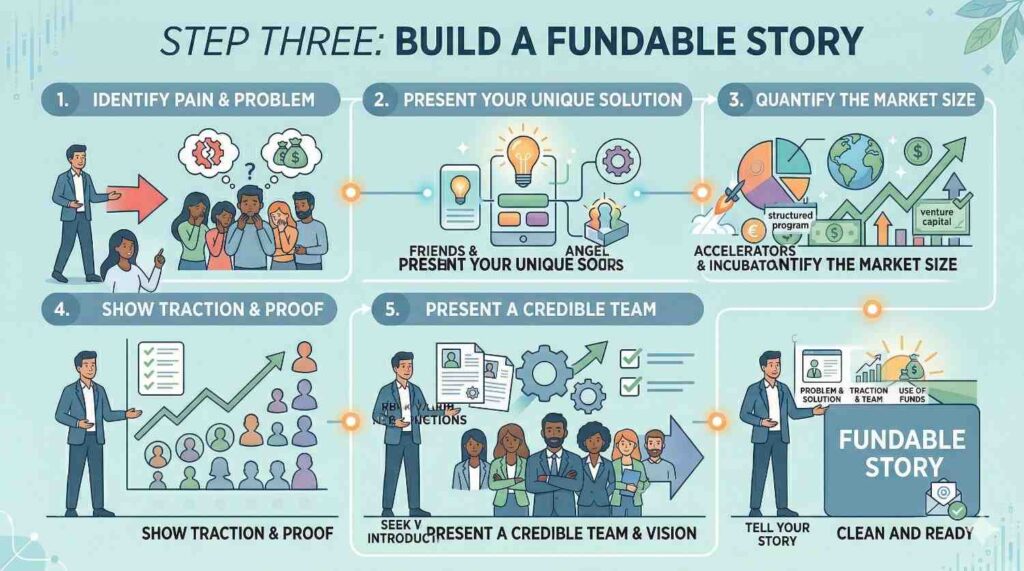
At pre-seed, investors invest in vision, logic, and team strength. Your story must answer three simple things:
What problem are you solving?
Why does it matter now?
Why are you the right team?
For deep tech, you must also answer:
Why is this defensible?
If you cannot explain your idea in simple words, you are not ready.
Do not hide behind complex language. Investors are smart, but they do not want confusion.
Explain your tech like you would explain it to a skilled engineer from a different field. Clear. Direct. Honest.
Then show how you plan to protect it.
If you have filed provisional patents, say so. If you have a patent roadmap, explain it. If you have not done this yet, that is a signal you should fix before raising.
IP strategy is not optional in deep tech. It is your future leverage.
This is one reason many technical founders work with Tran.vc before raising large checks. By building and filing smart patents early, they turn research into assets. That changes how investors see them.
Instead of “a risky idea,” you become “a company building protected technology.”
If you want that kind of positioning, you can apply here: https://www.tran.vc/apply-now-form/
Step Four: Start With Warm Paths, Not Cold Emails
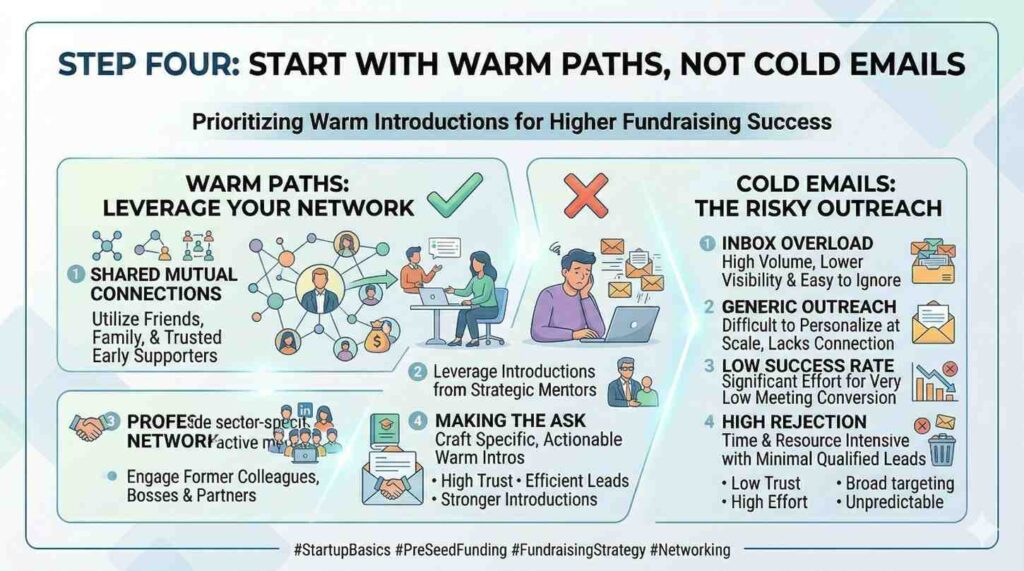
Cold emails rarely close rounds. Warm paths do.
This does not mean you must know famous investors already. It means you must build bridges.
Start with your own network. Former coworkers. Professors. Startup friends. Accelerator mentors. Even online communities.
Tell them clearly what you are building and what you are looking for. Ask for introductions, not money.
A simple message works best. Short. Clear. Respectful.
When someone introduces you, your reply rate increases. Your credibility increases. And your conversation starts at a better level.
If you do send cold emails, make them personal. Show you understand the investor’s focus. Mention a company they funded that is similar to yours. Explain in one short paragraph why you fit.
Do not attach a long deck in the first message. Ask for a short call.
Remember, pre-seed investing is still human. People invest in people.
Step Five: Use Signals to Attract Investors
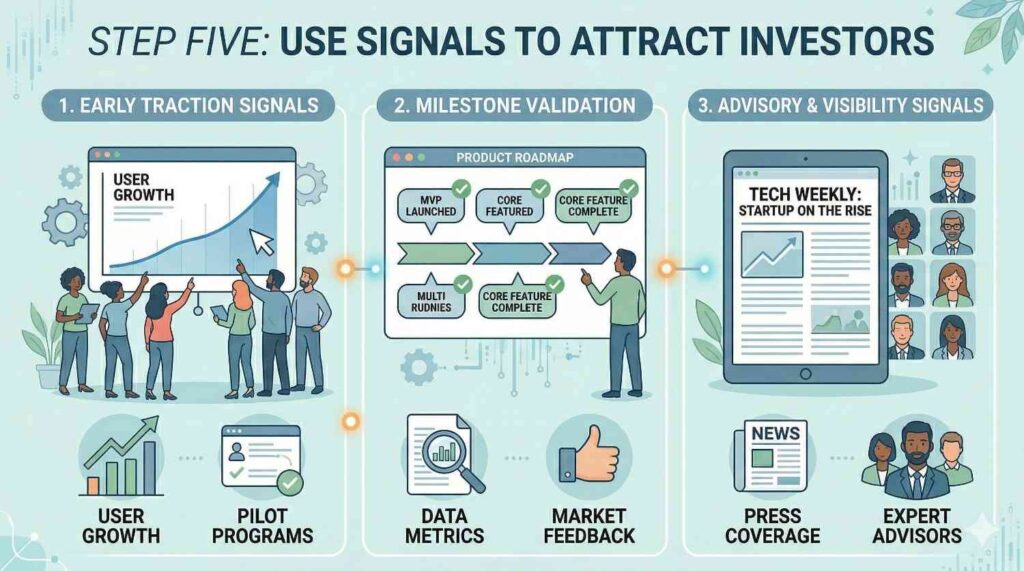
Instead of chasing investors, you can also attract them.
How?
By creating signals.
Signals show that your startup is real and serious.
Examples include:
Publishing thoughtful technical content about your field.
Speaking at industry events.
Winning grants or research awards.
Filing patents.
Building in public with smart updates.
When investors see momentum, they come closer.
For deep tech founders, filing patents early is a strong signal. It shows you think long term. It shows you understand value. It shows maturity.
At Tran.vc, helping founders build this signal is part of the model. Their in-kind investment is focused on patent strategy and filings because it strengthens your position before you even start serious fundraising.
Investors pay attention when they see structure and intention.
If you are serious about building something that lasts, you can apply anytime at: https://www.tran.vc/apply-now-form/
How to Run Investor Meetings the Right Way
Prepare Deeply Before You Ever Get on the Call
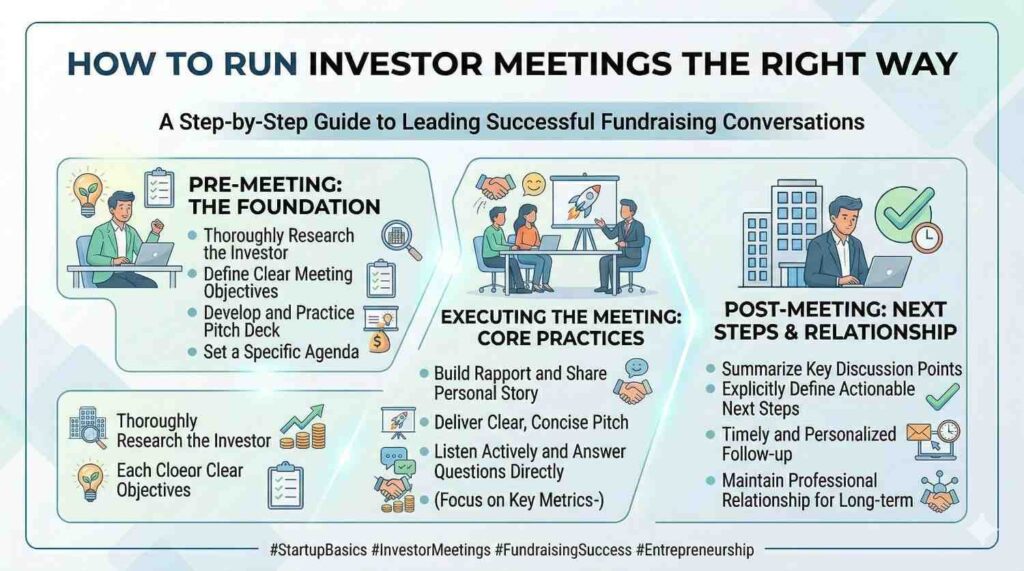
Investor meetings are not casual chats. They are moments where someone decides whether to trust you with their money and their reputation.
You cannot walk in and “see how it goes.” You must prepare with care. Study the investor. Read about their past investments. Understand what stage they prefer. Learn what they care about.
If they invest in robotics, know the robotics companies they backed. If they focus on AI infrastructure, understand how your work fits that space. When you show that you did your homework, the tone of the meeting changes.
Also prepare your narrative. Not slides alone. Your voice. Your flow. The way you move from problem to solution to future vision. You should be able to explain your startup clearly without looking at your screen.
Strong preparation builds calm confidence. Investors can feel that energy.
Lead the Conversation With Clarity and Structure
In a pre-seed meeting, you are not just sharing information. You are guiding attention.
Start with the problem. Make it real. Make it specific. Avoid broad claims like “this is a huge market.” Instead, explain who feels the pain and why current solutions fail.
Then introduce your solution. Keep the explanation simple. Even if your technology is complex, your explanation should not be. Clear thinking shows mastery.
After that, show why your team can build this. Investors at pre-seed are betting on people more than numbers. Highlight real experience, real technical depth, and real commitment.
Do not rush through your defensibility. If you are building AI, robotics, hardware, or deep systems, explain how you protect your edge. Discuss patents, trade secrets, and technical barriers.
When investors see that you think about long-term protection, they see maturity.
Handle Hard Questions Without Losing Control
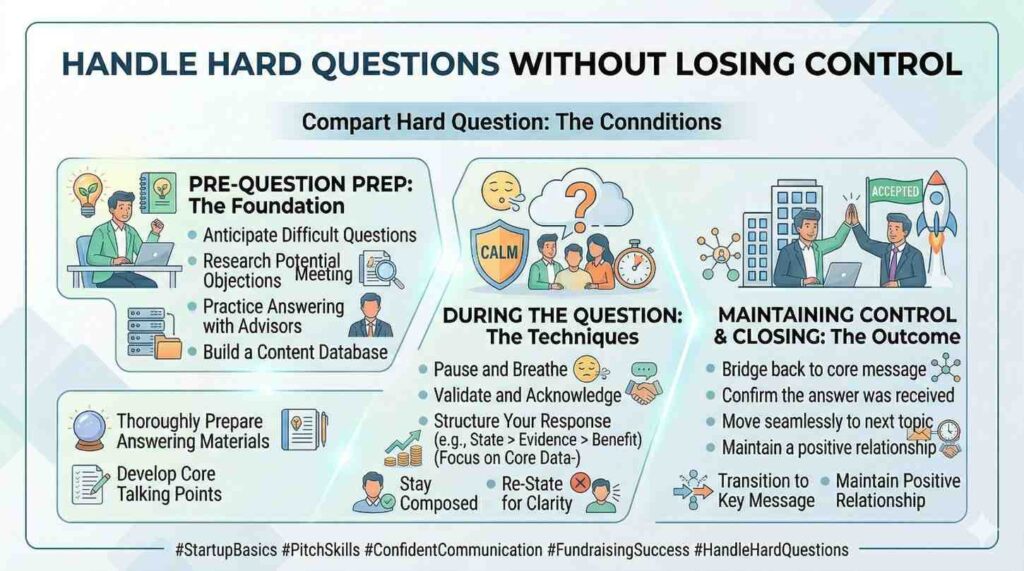
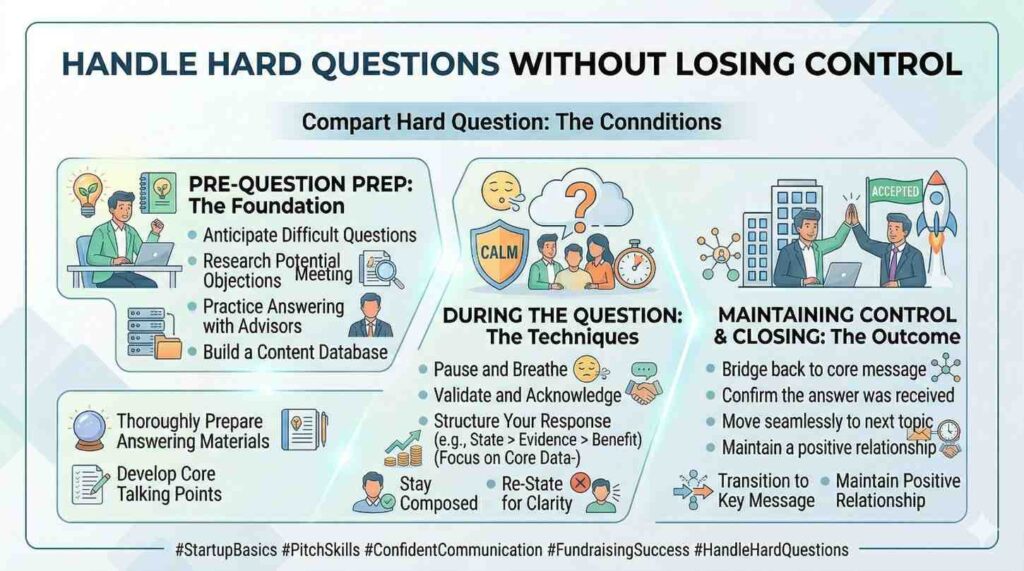
Pre-seed investors will test your thinking. They may question your market size. They may challenge your timeline. They may doubt your go-to-market plan.
Do not react with fear. Do not become defensive.
Listen fully. Pause. Then respond with logic. If you do not know an answer, say so honestly and explain how you plan to find out.
Honesty builds trust. Overconfidence breaks it.
Many technical founders struggle here because they focus only on the product. But fundraising is also about communication. You must show that you can lead a company, not just write code.
This is one reason why working with experienced partners early helps. Tran.vc supports founders not only with IP strategy but also with positioning and investor readiness. When your foundation is strong, investor questions feel less threatening.
If you want to build that level of readiness, you can apply anytime at https://www.tran.vc/apply-now-form/
How to Structure Your Pre-Seed Round
Decide the Right Amount to Raise
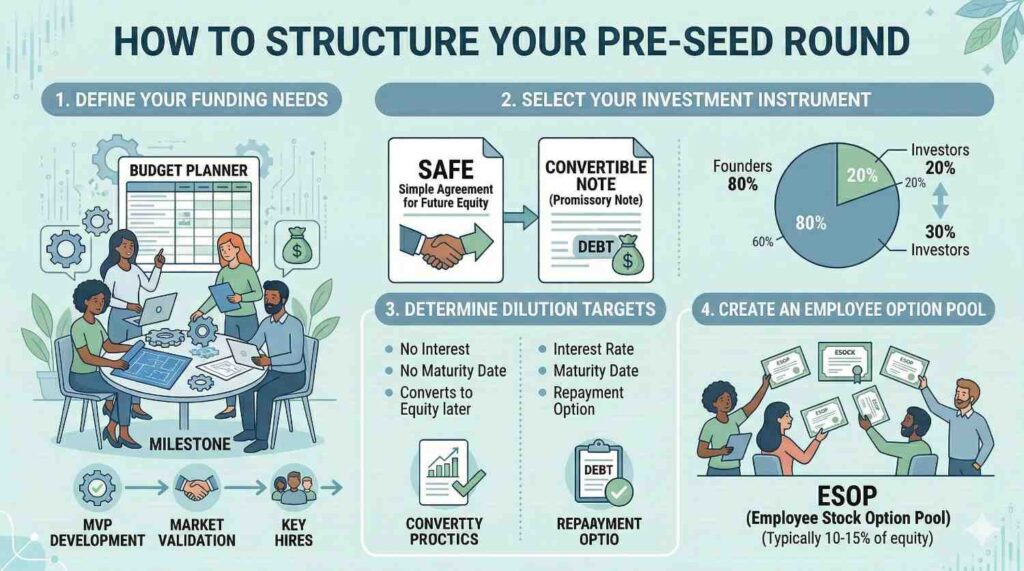
Many founders either raise too little or too much. Both are risky.
If you raise too little, you run out of time before hitting real milestones. You end up fundraising again under pressure. Pressure weakens your position.
If you raise too much at pre-seed, you may give away too much equity at a low valuation. That can hurt you in later rounds.
The right amount is enough to reduce your biggest technical and business risks over the next 12 to 18 months. For deep tech founders, this often includes product development, early hires, and strong IP protection.
When you define this clearly, investors see that you are thoughtful. You are not guessing. You are planning.
Choose the Right Instrument for Your Round
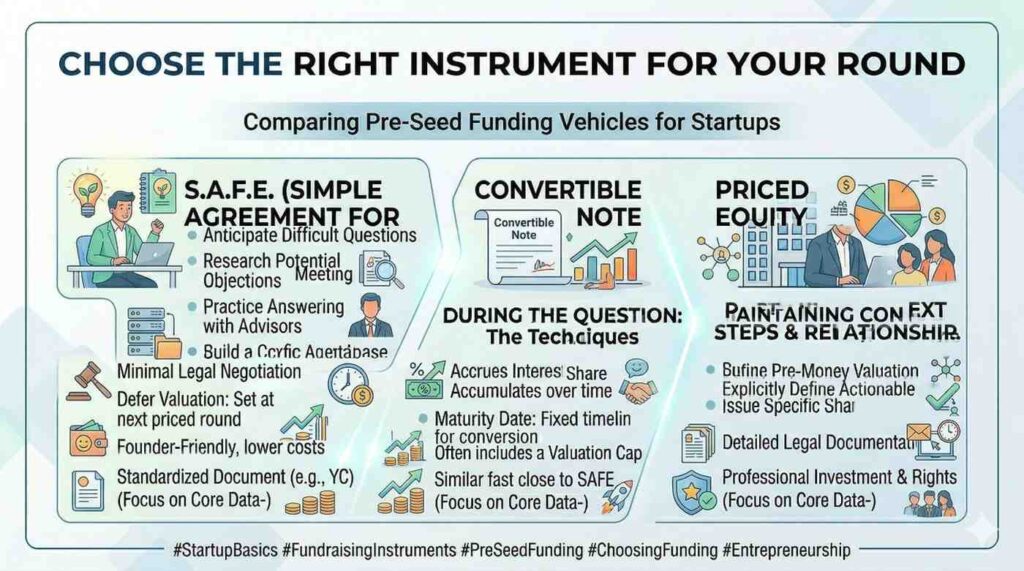
Most pre-seed rounds use simple agreements like SAFEs or convertible notes. These tools delay valuation discussions and keep the round simple.
But simple does not mean careless.
Understand the terms. Understand valuation caps. Understand discount rates. Even small changes in these numbers affect your ownership later.
Do not sign documents you do not fully understand. Ask questions. Seek advice.
Founders often focus only on how fast they can close the round. Speed matters, but structure matters more.
At Tran.vc, the focus is not just on helping you raise, but helping you raise with leverage. When your patents are filed and your strategy is clear, you negotiate from strength. Investors know they are buying into protected value, not just potential.
Build a Balanced Cap Table From Day One
Your early investors shape your future.
Avoid filling your cap table with random small checks from people who do not understand your space. While early capital feels urgent, alignment matters more.
You want investors who believe in long build cycles if you are in robotics or AI infrastructure. You want people who respect deep research if you are solving technical problems that take years to mature.
A messy cap table creates problems later. Future investors look closely at who is already involved. Choose wisely.
A small group of aligned pre-seed investors is better than a large group of misaligned ones.
How to Avoid Common Pre-Seed Fundraising Traps
Chasing Hype Instead of Building Value
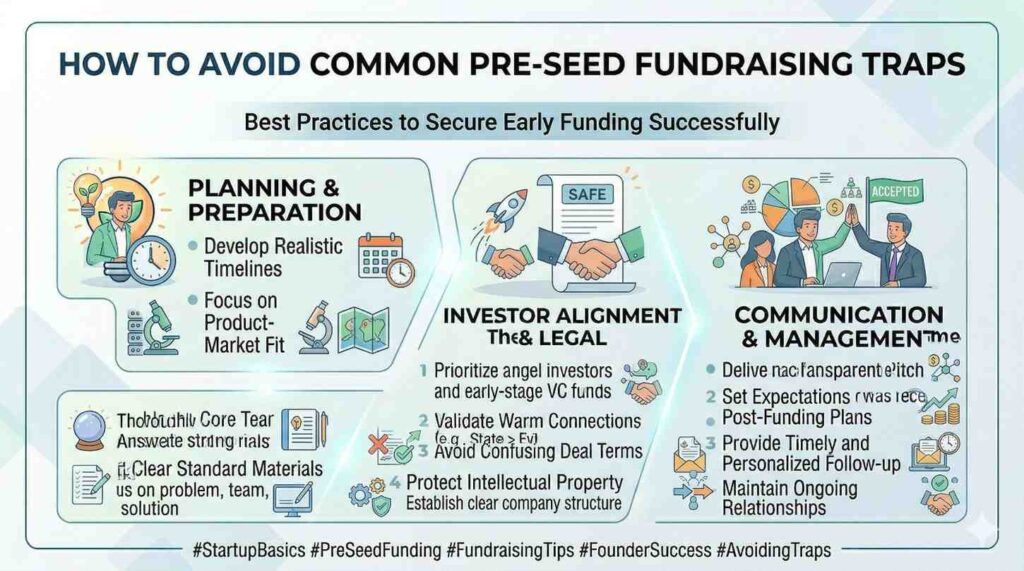
Many founders get distracted by trends. One year it is crypto. Another year it is generative AI. Then it is climate tech.
Trends change. Fundamentals do not.
If you reshape your startup just to match what investors are excited about this month, you weaken your long-term position. Investors can sense when a story is forced.
Instead, focus on building something real. Build technology that solves a painful problem. Protect it. Improve it. Then tell the story honestly.
Deep tech companies win because they build durable value, not because they chase noise.
Raising Too Early Without Protecting Your Core
Some founders rush to pitch before securing their intellectual property. They present detailed technical slides without filings in place.
This creates risk.
Without early patent strategy, you may lose protection. You may also lose leverage in negotiations. Investors see unprotected technology as fragile.
Tran.vc was built around solving this exact issue. By investing up to $50,000 in patent and IP services, they help founders turn raw inventions into structured assets before large fundraising begins.
This shifts power back to the founder.
If you are building something novel and want to secure it properly, apply anytime at https://www.tran.vc/apply-now-form/
Accepting the First Term Sheet Out of Fear
Pre-seed fundraising can feel emotional. After weeks of rejection, one “yes” feels like relief.
But relief should not replace judgment.
Review terms carefully. Consider long-term impact. Ask whether this investor truly aligns with your mission.
Saying no to a bad deal protects your future.
Strong founders think in decades, not weeks.
How to Negotiate Without Losing Control
Understand That Leverage Comes From Preparation
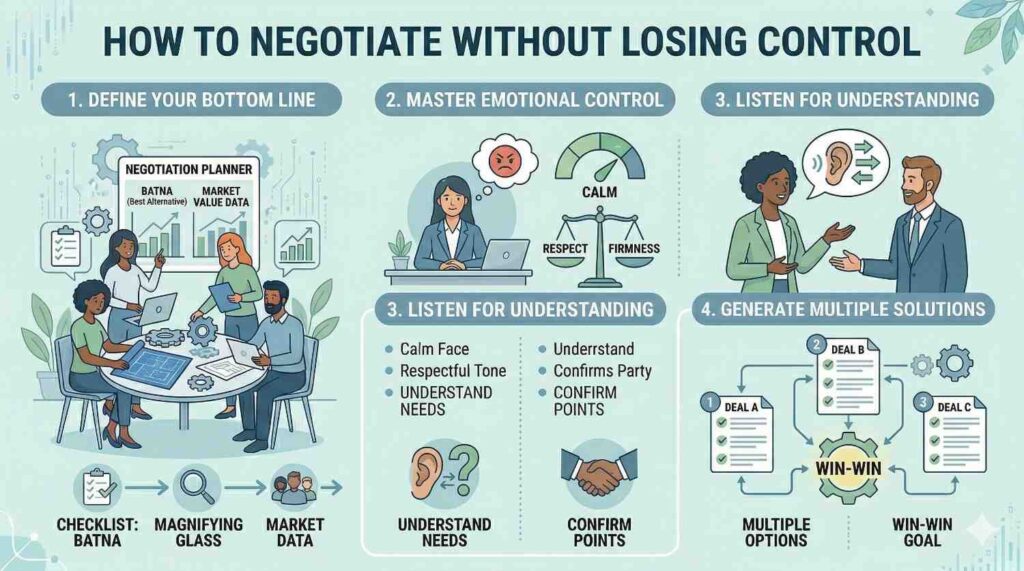
Negotiation is not about aggression. It is about leverage.
Leverage comes from having options. It comes from having progress. It comes from having assets that increase your value.
If you enter negotiations with no patents, no milestones, and no investor interest beyond one offer, you have weak leverage.
If you enter with filed IP, technical validation, and multiple investor conversations, you have strength.
This is why building before raising matters so much.
Stay Calm and Focus on Alignment
During negotiations, emotions can rise. Valuation discussions can feel personal.
Keep your focus on alignment. Ask yourself whether this investor will support you during hard times. Ask whether their expectations match your timeline.
Pre-seed investors join you at the earliest stage. They become part of your story. Choose partners, not just capital.
Protect Founder Ownership Thoughtfully
At pre-seed, every percentage point matters.
Giving away too much equity early reduces your influence later. Future rounds dilute you further.
Structure your round so that you maintain meaningful ownership after several funding stages. This requires planning ahead, not reacting in the moment.
Partners like Tran.vc encourage founders to build leverage before raising, so they can protect ownership and avoid desperation. The goal is not to raise fast. The goal is to raise smart.
If you want to build a company with intention and control, you can apply anytime at https://www.tran.vc/apply-now-form/