
Raising your first round of funding feels like standing at a locked door.
You have the idea. You have the code. Maybe you even have early users. But the money you need to build faster sits on the other side of people who do not know you yet.
So you ask yourself a simple question.
Should you wait for a warm introduction?
Or should you send a cold email and go for it?
This question stops many technical founders before they even begin. It feels like there is a “right” way to do it. Like there is a hidden rule book that everyone else has read.
Let’s break it down in plain terms.
Warm intros and cold outreach are just two paths to the same goal. They are tools. Neither one is magic. Neither one is evil. What matters is how you use them, when you use them, and what kind of company you are building.
If you are a deep tech, AI, or robotics founder, this matters even more. Because your story is not always easy to explain. Your value is often hidden inside code, models, systems, or hardware. If you do not know how to open the door, the door stays closed.
This guide will show you what really works at pre-seed. Not theory. Not myths. Just what actually moves investors from “maybe” to “let’s talk.”
And if you are serious about building something strong from day one, you can always apply to work with Tran.vc here:
https://www.tran.vc/apply-now-form/
Now let’s get into it.
The Truth About Warm Intros
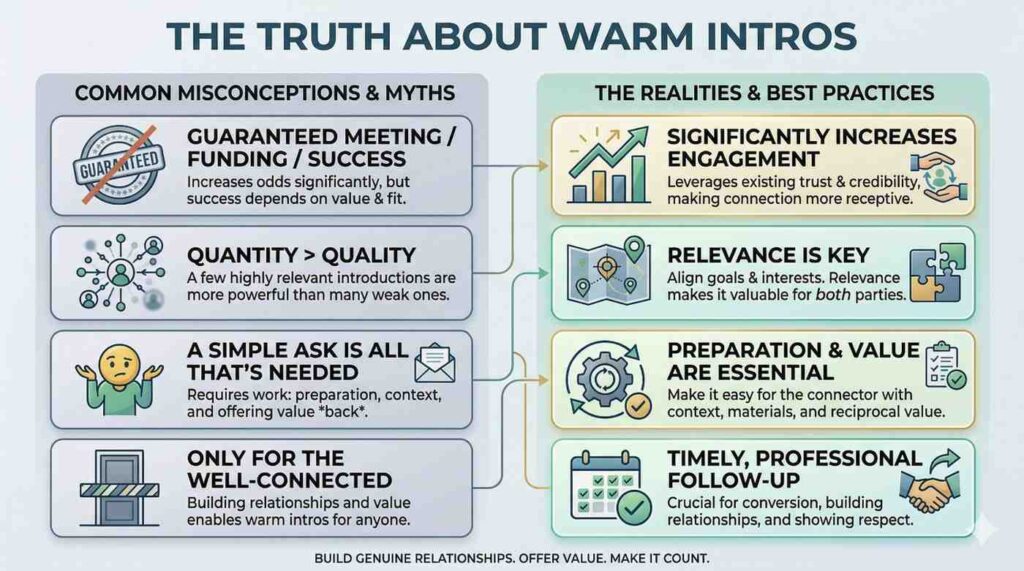
A warm intro means someone connects you to an investor. That someone could be a founder, a lawyer, an angel, a mentor, or even another investor.
It feels safe.
When you get a warm intro, you feel like you have already passed the first test. You feel seen. You feel chosen.
But here is what most founders do not realize.
A warm intro does not mean the investor will invest.
It only means they will look.
At pre-seed, investors are not buying traction alone. They are buying belief. They are betting on the founder’s ability to build, learn, and survive. A warm intro simply moves your email to the top of their inbox. It does not replace clarity. It does not replace trust.
Many technical founders put too much weight on this.
They spend months trying to “network.” They attend events they do not enjoy. They chase people on LinkedIn. They ask for coffee meetings that go nowhere. All because they think they cannot raise without warm intros.
This is not true.
Warm intros help, but they are not the core of fundraising.
The core is leverage.
Leverage means you give investors a reason to lean in. Something real. Something hard to copy. Something that shows you are not just another pitch deck.
This is where many founders get stuck. They try to raise with an idea and a slide deck. But no moat. No protection. No clear edge.
That is why at Tran.vc, we focus first on building your IP foundation. When you walk into a meeting and say, “We have filed patents around our core system,” the tone changes. When you can explain what is protected and why it matters, you stop sounding like a student. You sound like a builder.
If you want that kind of foundation before you raise, you can apply here:
https://www.tran.vc/apply-now-form/
Back to warm intros.
A strong warm intro has three parts.
First, the person introducing you must actually know the investor. Not just follow them on social media. Real trust matters.
Second, the intro message must be clear and short. It should explain why you are different in two or three sentences. If the intro is vague, the investor assumes you are average.
Third, you must follow up well. Many founders get a warm intro and then send a long, confusing email. Or they delay for weeks. Momentum dies fast.
Here is the part most people will not say out loud.
Some warm intros hurt you.
If someone introduces you and says, “This founder is working on something interesting, maybe worth a look,” that sounds polite. But it signals weak belief. Investors read tone very well. If the intro feels soft, the meeting starts with doubt.
Also, warm intros can trap you in small circles. If you only meet investors connected to your network, you limit your reach. Pre-seed is about surface area. You need enough conversations to find the few who truly get your vision.
Now think about this.
If your company is strong, if your story is clear, if your IP is protected, why should you depend only on who you already know?
This is where cold outreach comes in.
The Fear Around Cold Outreach
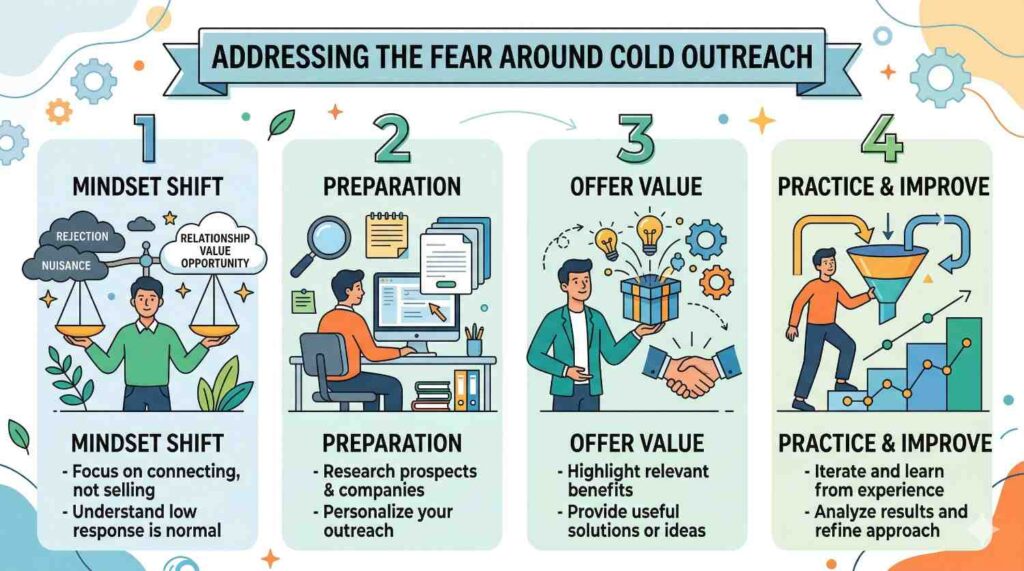
Cold outreach feels risky.
You send an email to someone who does not know you. You worry they will ignore you. Or worse, reject you.
For technical founders, this feels even harder. Many engineers are not trained to sell. They are trained to build.
But here is a simple truth.
Investors expect cold outreach.
They know great founders are everywhere. They know not every great founder has access to elite networks. In fact, many investors respect strong cold emails because it shows initiative.
The problem is not cold outreach.
The problem is bad cold outreach.
Most cold emails are lazy. They are long. They are full of buzzwords. They talk about “revolutionizing” and “disrupting” without saying anything real.
If you send that kind of message, yes, you will be ignored.
But a focused cold email can work very well.
Especially at pre-seed.
At this stage, investors are looking for edge. They are looking for technical depth. They are looking for founders who think deeply about their market and their moat.
A strong cold email does not try to impress with hype. It tries to create curiosity.
It says who you are, what you are building, why now, and what makes you hard to copy.
That last part is key.
If you are building in AI or robotics and you do not have a clear IP plan, you look exposed. Investors worry that bigger players can copy you once you show traction.
When you combine cold outreach with a real IP strategy, your position changes. You are not just asking for money. You are showing that you are building a long-term company.
That is why Tran.vc invests up to $50,000 in in-kind patent and IP services instead of just writing a small check and stepping away. Because early leverage changes the whole fundraising path.
If you want that kind of leverage before you send your next investor email, apply here:
https://www.tran.vc/apply-now-form/
Cold outreach also teaches you something warm intros do not.
It forces clarity.
When you have to explain your company to someone who has never heard of you, you learn fast what is confusing and what is strong. Every reply, every question, every silence is feedback.
Warm intros can hide weak messaging. Cold outreach exposes it.
That is painful. But it is useful.
Now let’s talk about what really matters.
Not warm versus cold.
But control versus dependence.
Control Is the Real Goal
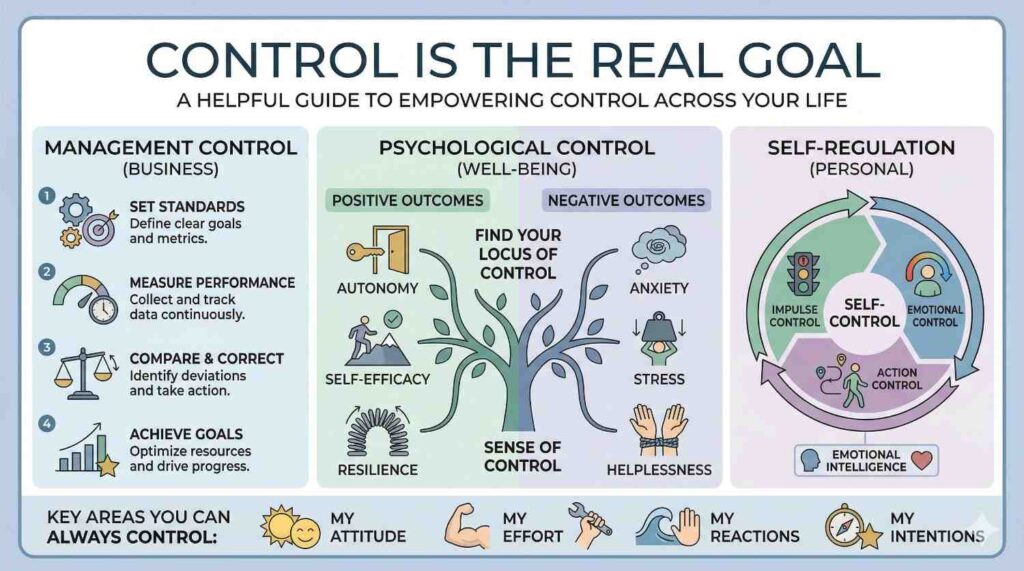
At pre-seed, you have very little control.
You do not control the market. You do not control investor mood. You do not control how fast users adopt your product.
But you can control your preparation.
You can control how strong your core asset is.
Many founders rush to raise because they feel pressure. They see others announcing rounds. They think speed equals success.
But raising too early, without protection, often leads to weak terms. More dilution. Less power.
If you depend only on warm intros, you depend on other people’s timelines.
If you depend only on cold outreach, without a strong story, you depend on luck.
The better path is simple.
Build real value first.
Then use every channel available.
Warm intros become stronger when your company is clearly differentiated.
Cold outreach becomes powerful when your message is sharp and your moat is real.
This is the heart of seed-strapping, the way Tran.vc thinks about early-stage growth. You build strength before you chase capital. You use automation and focus to grow. You protect what matters. Then you raise with leverage, not desperation.
Imagine walking into a meeting and saying:
We have filed patents around our core system.
We understand our defensible space.
We know why larger players cannot easily copy this.
We have a clear technical roadmap.
Now your outreach method matters less. Your substance carries you.
This is especially important in deep tech and robotics, where real defensibility is not optional. It is the difference between a short-lived project and a company that lasts.
Warm intros can open a door.
Cold emails can knock on many doors.
But your IP, your clarity, and your execution are what make someone invite you inside.
The Real Power of Warm Intros
Why Warm Intros Feel Safer Than They Are
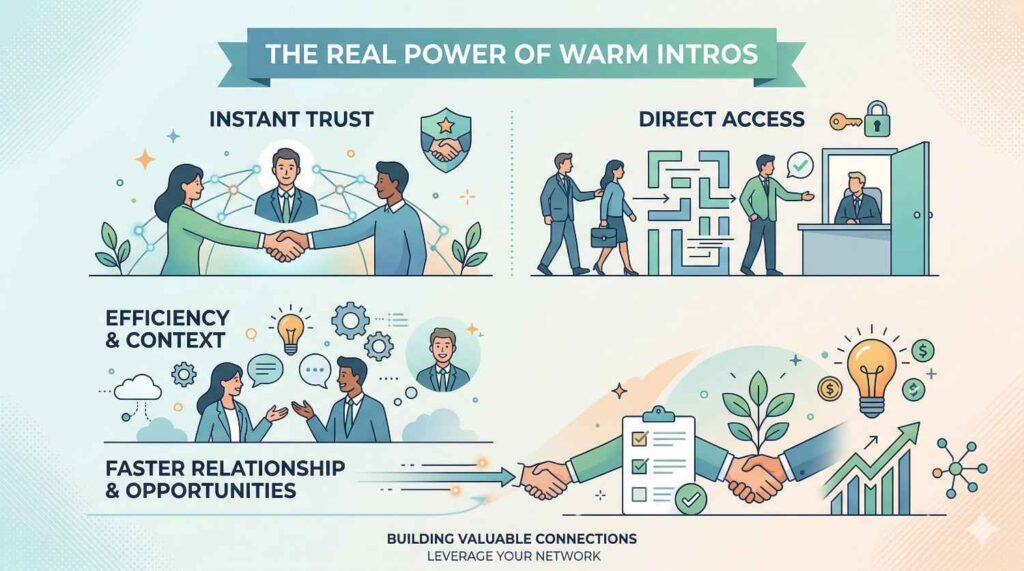
A warm intro feels like a shortcut. Someone you trust sends a note to an investor and says you are worth a look. That small signal feels powerful. It gives you confidence before the first call even happens.
But safety can be misleading. A warm intro only earns you attention, not belief. The investor is still asking the same hard questions. Is this founder sharp? Is this market real? Is this company hard to copy?
Many first-time founders assume that if they can just get enough warm intros, the round will close itself. That belief creates delay. They spend weeks trying to meet the right connector instead of strengthening their core story.
Warm intros are helpful. They are not a strategy on their own. They are an amplifier. If the signal is weak, the intro only makes that weakness clearer.
What Makes a Warm Intro Actually Work
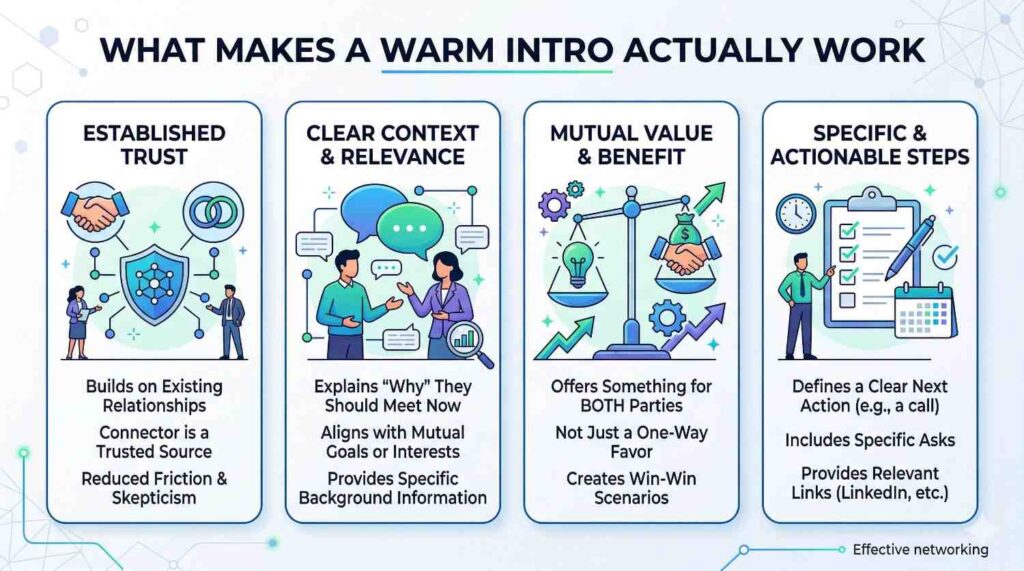
A strong warm intro has depth behind it. The person making the connection must have real trust with the investor. If the relationship is shallow, the message will carry little weight.
The second part is conviction. The best intros sound confident and clear. They do not say, “You may want to check this out.” They say, “I strongly believe this team is building something important in this space.” Tone shapes perception.
The third part is timing. If your product is still vague and your moat is unclear, even the best intro will struggle. Investors respond when the pieces are coming together. That includes your tech, your early proof, and your plan to protect your edge.
This is where many deep tech founders miss an opportunity. They focus on building features but delay their IP work. When the intro happens, they cannot clearly explain what is protected and what is unique. The meeting becomes a lesson instead of a pitch.
At Tran.vc, we help founders prepare before that first intro ever happens. We work on patent strategy and filings early so that when you step into the room, you speak with structure and confidence. If you want that kind of preparation before you approach investors, you can apply here: https://www.tran.vc/apply-now-form/
The Hidden Limits of Warm Networks
Warm intros usually come from people close to you. Former colleagues, startup friends, early advisors, or local angels. That circle often looks similar to you. It sits in the same region or industry.
This creates a narrow funnel. You may end up pitching the same type of investor over and over again. If your company sits outside their focus area, you will hear polite no’s. Not because your company is weak, but because the fit is wrong.
Another risk is overexposure. If too many people from your network send your deck around before it is ready, your story spreads in a half-formed state. Investors talk. Early impressions stick.
Warm intros work best when they are targeted and well-timed. They should feel intentional, not desperate. A focused approach protects your reputation and keeps momentum strong.
The Real Strength of Cold Outreach
Why Cold Outreach Is Not a Weak Move
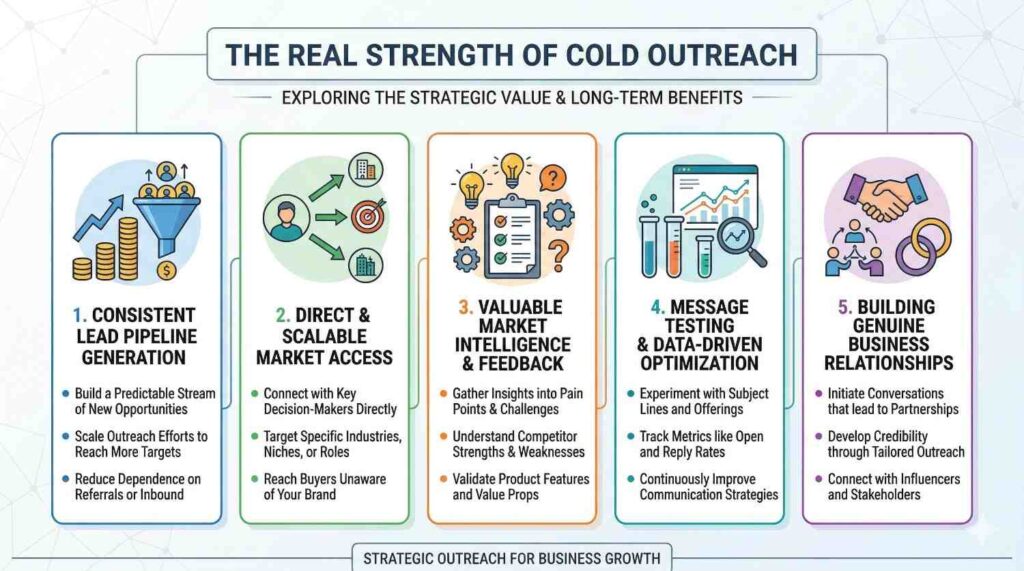
Cold outreach feels uncomfortable because it removes the buffer. There is no shared friend. No signal from someone else. It is just you and your message.
Yet many strong pre-seed rounds begin with a cold email. Investors are always scanning for talent. They do not expect every founder to come through a tight circle.
A thoughtful cold email shows initiative. It shows you can communicate clearly without leaning on social proof. For technical founders, this can be a powerful signal. It says you are not only a builder, but also a leader.
The key is not volume alone. Sending hundreds of generic emails rarely works. Precision matters more than scale. You must understand who you are writing to and why they might care.
What a Strong Cold Email Looks Like
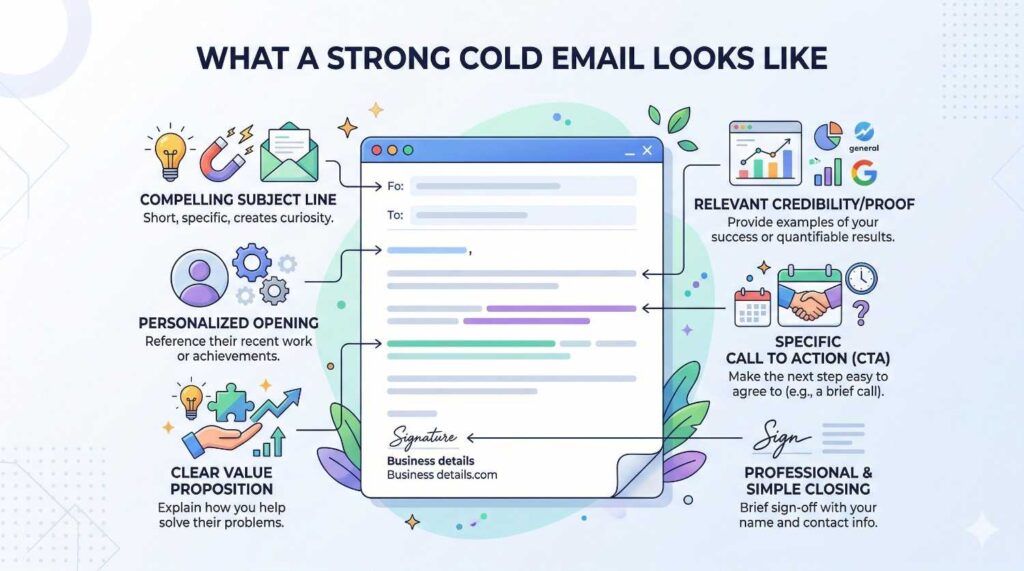
A strong cold email is short but full. It explains what you build in simple terms. It shows why the timing is right. It makes clear what makes your company different.
Most founders make the mistake of being abstract. They say they are using AI to change an industry, but they do not explain the exact problem or the exact edge. Investors read dozens of similar messages every week. Vague language blends together.
Clarity wins attention. If you are building robotics software that reduces factory downtime by a specific margin, say that. If you have filed patents around a new control system, say that. Specific details signal depth.
This is why IP strategy changes cold outreach. When you can point to protected innovation, your message stands out. It tells the investor that you are building with intention, not just speed.
Tran.vc invests up to $50,000 in in-kind patent and IP services to help founders create this layer of strength before they raise. Instead of chasing capital with only a prototype, you approach investors with protected assets. If that approach fits you, apply here: https://www.tran.vc/apply-now-form/
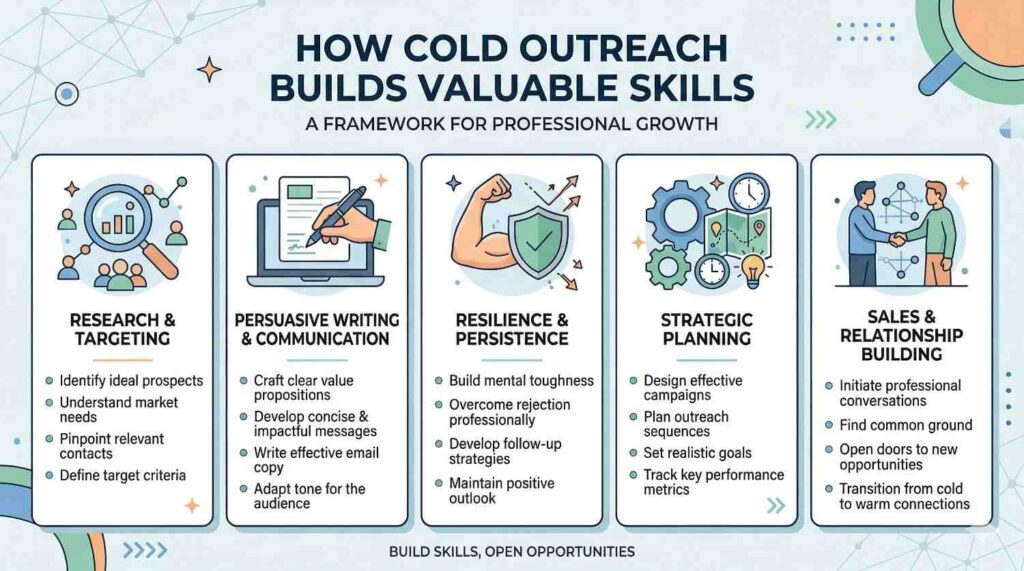
How Cold Outreach Builds Skill
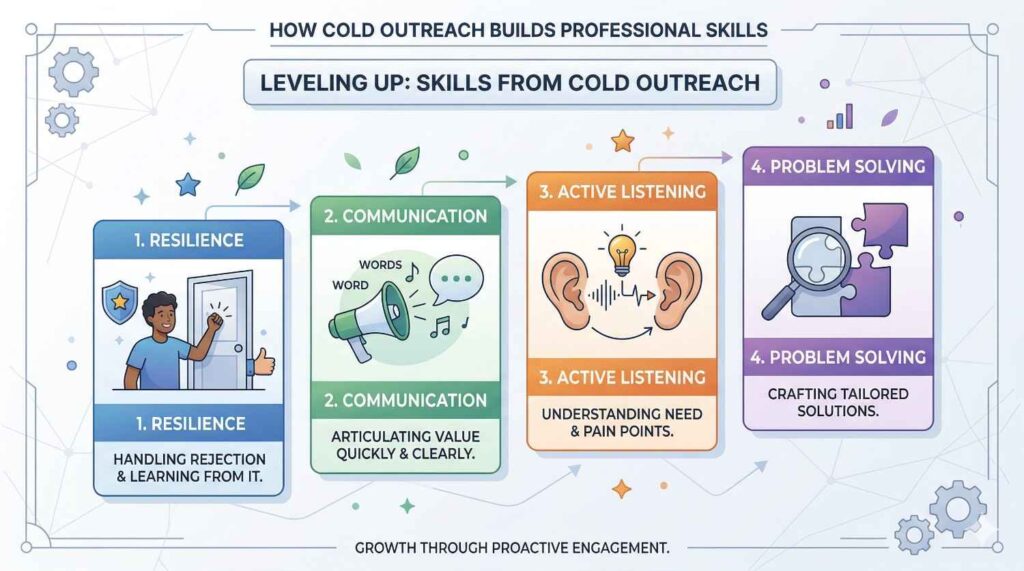
Cold outreach forces discipline. You must refine your pitch again and again. Each response, and each silence, teaches you something about how your story lands.
If no one replies, the problem may be clarity. If investors reply but do not move to a second call, the issue may be positioning. Cold outreach becomes a feedback loop.
This process is uncomfortable, but it sharpens you. Over time, your message becomes tighter. Your confidence grows because it is built on repetition and learning, not on borrowed trust.
Warm intros can accelerate access. Cold outreach builds resilience. Both teach different lessons. Strong founders learn from each.
Choosing the Right Path at Pre-Seed
Stage Matters More Than Channel
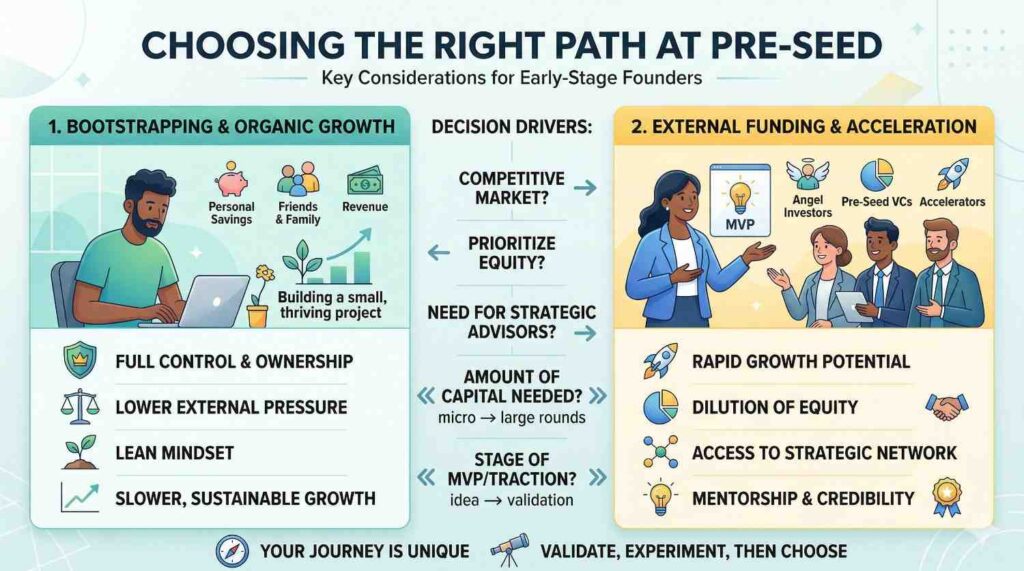
At pre-seed, investors are betting on people and potential. Revenue may be low or even zero. Traction may be early. What they look for is insight and defensibility.
If your company is still shaping its core idea, it may be wise to focus first on product clarity and IP groundwork. Outreach without substance often wastes time. Meetings feel good in the moment but lead nowhere.
When your foundation is solid, both warm intros and cold emails become more effective. The channel amplifies what already exists. It cannot create strength that is not there.
For deep tech founders, this stage is critical. Filing patents too late can reduce their value. Sharing too much before protection can create risk. A thoughtful approach gives you more control.
Tran.vc was built for this moment. We help technical founders turn early innovation into structured IP that investors respect. We do this before you raise your seed round, so you enter the market with leverage. You can apply anytime at https://www.tran.vc/apply-now-form/
Control Over Hype
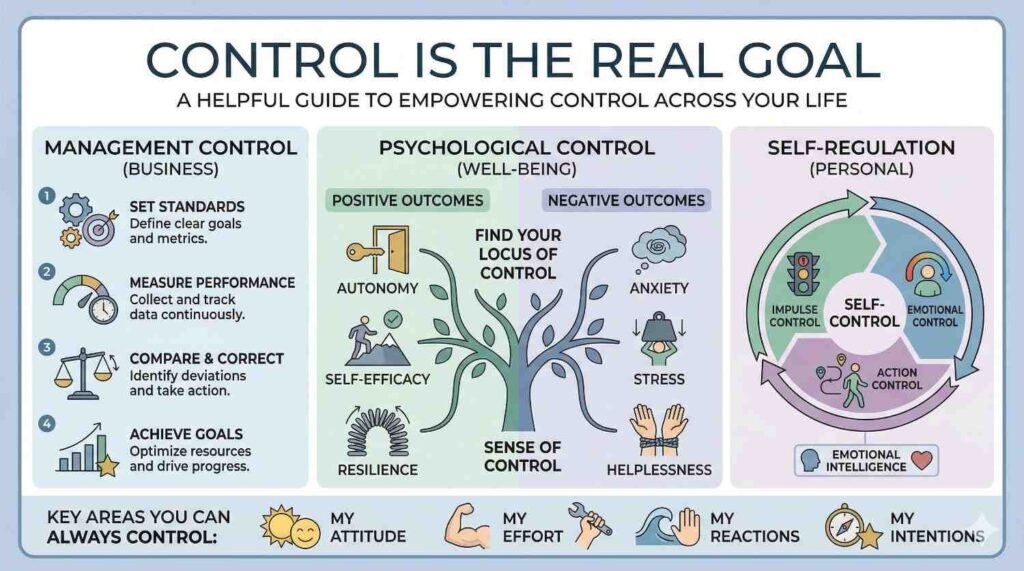
The startup world often celebrates speed. Announcements of large rounds fill social feeds. It creates pressure to move fast and raise quickly.
But speed without strength leads to fragile companies. If you raise before you understand your moat, you may give away more equity than needed. You may attract investors who care more about hype than durability.
Choosing how you approach investors is part of choosing how you build. Warm intros can feel prestigious. Cold outreach can feel scrappy. Neither defines your quality.
What defines your company is how deeply you understand your problem, how carefully you protect your solution, and how clearly you communicate your vision.
Fundraising is not a popularity contest. It is a search for alignment. The right investor is one who understands your space and respects your long-term plan.
Combining Both for Maximum Reach
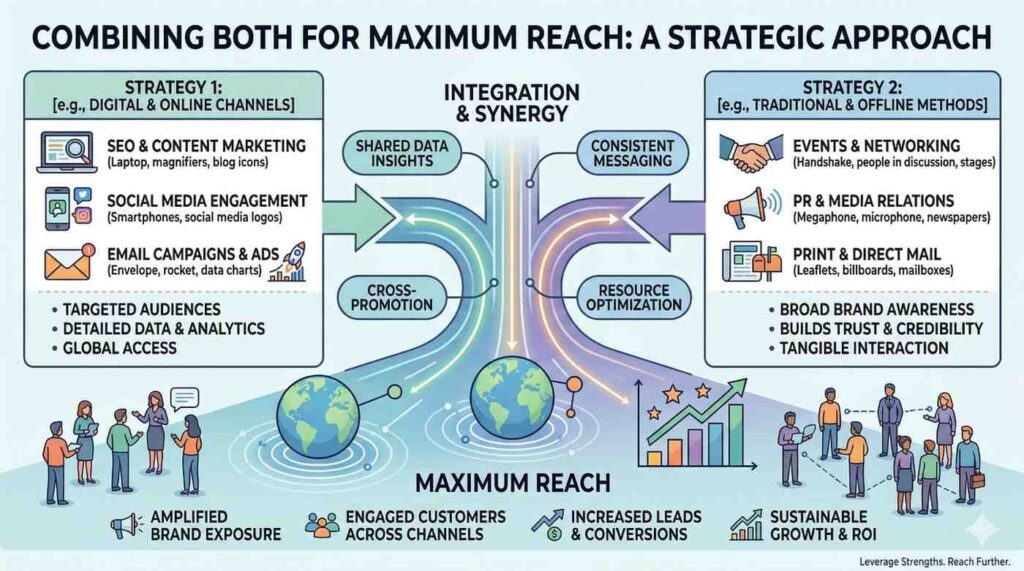
The strongest pre-seed founders rarely pick only one path. They build a small group of strong warm intros while also running focused cold outreach. This creates surface area without losing control.
They track conversations. They follow up with care. They improve their message each week. Over time, patterns appear. Certain investors lean in more than others. Certain angles create more interest.
This process becomes strategic instead of emotional. You stop taking silence personally. You start viewing outreach as data.
When your IP is structured and your story is sharp, both warm and cold channels begin to work together. Intros move faster because your positioning is clear. Cold emails convert better because your differentiation is strong.
If you are building in AI, robotics, or deep tech, you can apply anytime here: