
Raising pre-seed capital can feel slow, confusing, and unfair—especially if you are a technical founder.
You may have built something real. You may have written thousands of lines of code. You may have trained models, tested hardware, or solved a hard problem that few people even understand. Yet when you talk to investors, they ask about traction, storytelling, and market size before they even try to understand what you built.
It can feel like the system rewards noise over depth.
But here is the truth: technical founders can raise pre-seed capital faster than almost anyone else—if they position themselves the right way.
The problem is not your product. It is not your lack of hype. It is usually how your work is framed, protected, and presented.
At the pre-seed stage, investors are not only betting on revenue. They are betting on edge. They want to see that you are building something hard to copy. They want to see that your insight is rare. They want to see that your foundation is strong.
This is where many technical teams miss a key step.
They build. They refine. They polish. But they do not protect. They do not turn their technical advantage into a clear, defensible asset. They do not make it easy for investors to see the moat.
And that slows everything down.
At Tran.vc, we work with AI, robotics, and deep tech founders at the earliest stage. We invest up to $50,000 in in-kind patent and IP services so founders can build strong protection before they raise big rounds. We help you turn raw code and research into real assets that investors respect.
If you are building something bold and you want to raise pre-seed capital faster—without begging, chasing, or giving up control too early—you can apply anytime at https://www.tran.vc/apply-now-form/.
In this guide, I will walk you through how technical founders can speed up pre-seed fundraising in a smart, calm, and strategic way. Not by adding hype. Not by pretending to be something you are not. But by using your technical depth as leverage.
Let us start with a hard truth.
Most technical founders think raising capital is about finding the right investor.
It is not.
It is about becoming the right opportunity.
When you understand that shift, everything changes.
The fastest founders to raise pre-seed capital do three things very well.
First, they make their technical insight simple to understand.
Second, they turn their work into protected, defensible assets.
Third, they create investor confidence before they ever ask for money.
Let us break this down.
Many engineers fall into the same trap. They believe that if the tech is good, investors will “get it.” But investors see hundreds of decks every month. They do not have time to reverse-engineer your thinking. If your breakthrough requires a long lecture, you lose attention fast.
You need to explain your core idea in plain words. Not dumbed down. Just clear.
If you are building a robotics perception system, do not start with your model architecture. Start with the pain. What fails today? What costs money? What risk exists? Then show how your approach solves it in a way others cannot.
Clarity speeds up trust.
Trust speeds up capital.
The next mistake technical founders make is waiting too long to think about IP.
Many say, “We will file patents after we raise.”
This is backward.
Investors at the pre-seed stage want signals. They want proof that you are thinking long term. They want to see that your advantage is not easy to clone. If you are building in AI, robotics, biotech, or deep infrastructure, your IP strategy is not optional. It is central.
Without protection, your tech is a demo.
With protection, your tech becomes an asset.
That shift changes how investors see you.
Instead of a project, you look like a company.
Instead of an experiment, you look like a platform.
Instead of a bet, you look like a defensible position.
This is one reason Tran.vc focuses heavily on patent strategy from day one. We do not just write filings. We help founders think about what truly matters. What should be protected? What should stay secret? How do you design your roadmap around defensibility?
When you show investors that your core invention is protected—or at least in the process of being protected—the conversation changes. You move from “interesting” to “serious.”
And serious companies raise faster.
Now let us talk about momentum.
Pre-seed investors move faster when they feel momentum. But momentum does not always mean revenue. It can mean progress, clarity, and increasing value.
Technical founders often underestimate how powerful small signals can be.
If you can show that your system improved performance by 30 percent over existing tools, that matters.
If you can show that you reduced cost by half in simulation, that matters.
If you can show early pilots, letters of intent, or even strong expert validation, that matters.
You do not need millions in revenue to raise pre-seed.
You need proof of direction.
The key is to frame your progress in a way that tells a story.
Where were you six months ago?
Where are you now?
What will be true in six months if you get funding?
When investors see a clear path, they feel safer. When they feel safer, they move quicker.
Another factor that speeds up fundraising is positioning yourself correctly from the start.
If you present yourself as “just another AI startup,” you will be compared to thousands of others.
If you position yourself as a team solving a specific, painful, high-value problem in a focused market, you stand out.
Specificity builds authority.
Saying “We use AI to improve logistics” is vague.
Saying “We reduce warehouse picking errors in cold storage facilities by 40 percent using real-time vision models trained on edge devices” is clear and focused.
The more precise you are, the easier it is for investors to see value.
This also makes it easier for them to introduce you to the right people.
Now let us address something uncomfortable.
Many technical founders delay fundraising because they dislike selling.
They think fundraising means pitching loudly or exaggerating.
It does not.
At the pre-seed stage, fundraising is about alignment.
You are looking for investors who understand long build cycles, hard tech, and the value of IP. You are not trying to impress everyone. You are trying to find the few who see what you see.
This is why targeting matters.
Do not send your deck to every investor with an email address.
Research who invests in deep tech. Study their past deals. Understand what they care about. When you reach out, show that you chose them intentionally.
This alone can cut your fundraising time in half.
And here is a critical point many overlook.
Warm introductions help, but strong positioning helps more.
If your story is sharp, your moat is clear, and your direction is strong, even cold outreach can work.
We have seen technical founders raise pre-seed capital in months—not years—when they combine clear messaging, early IP strategy, and focused investor targeting.
Speed is not about rushing.
It is about removing friction.
Friction comes from confusion.
Friction comes from doubt.
Friction comes from weak signals.
Your job is to remove those before you start heavy outreach.
That means tightening your story.
That means securing your IP path.
That means showing technical proof.
That means being precise about your market.
At Tran.vc, we work closely with founders to prepare them for this stage. We help refine their IP plan, clarify their advantage, and position them for serious seed investors. We have been operators ourselves. We have filed patents. We have built companies. We know how early decisions shape long-term leverage.
If you are serious about building something defensible and raising with strength, you can apply anytime at https://www.tran.vc/apply-now-form/.
How to Structure Your Pre-Seed Story So Investors Move Faster
Start With the Pain, Not the Product
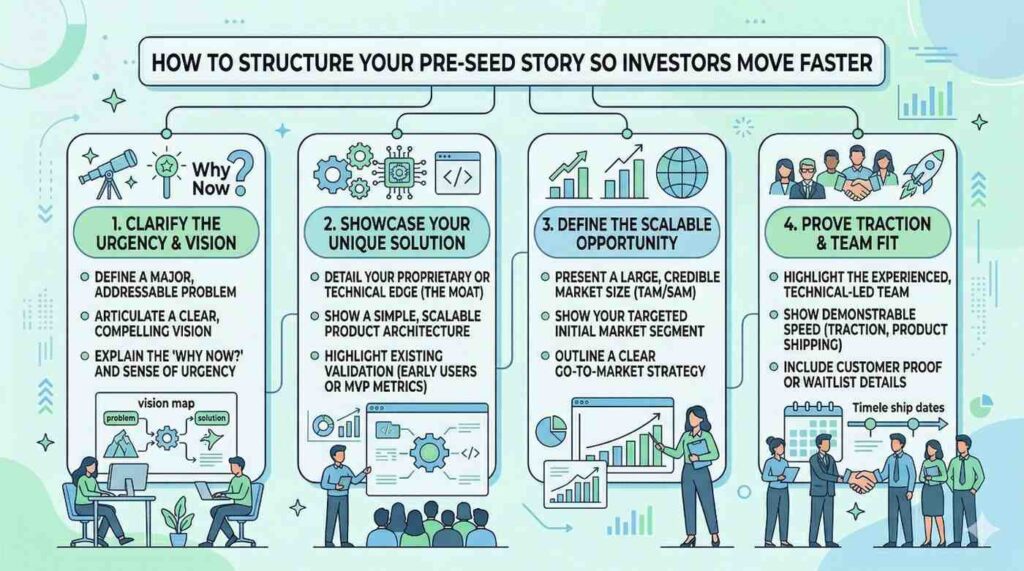
When technical founders pitch, they often begin with the system they built. They show architecture diagrams, model layers, robotics workflows, or code structure.
But investors do not first care about how something works. They care about why it needs to exist.
If you want to raise pre-seed capital faster, begin with the problem in clear and direct terms. Show what is broken. Show what it costs. Show who suffers.
If factories lose millions due to robotic arm errors, explain that loss. If hospitals struggle with AI systems that fail in real-time use, explain the risk.
Make the pain easy to picture. When the problem feels urgent, investors lean in. When it feels abstract, they lean back.
The faster you make the pain real, the faster the conversation moves forward.
Make Your Insight Simple and Sharp

After you explain the pain, move to your insight. This is not your full solution. It is the core idea that makes you different.
A strong insight sounds simple. It sounds almost obvious after you say it. But it must be rooted in deep technical understanding.
For example, you might say that current warehouse robots fail because they rely too much on static mapping. Your insight is that dynamic edge learning allows real-time adaptation in unstable storage environments.
That idea is powerful. But it must be explained in clean language.
You are not trying to impress with complexity. You are trying to build trust through clarity. Investors fund founders who understand their own advantage clearly.
If your explanation is confusing, it creates doubt. If it is sharp and focused, it builds confidence.
Show Why You Cannot Be Easily Copied
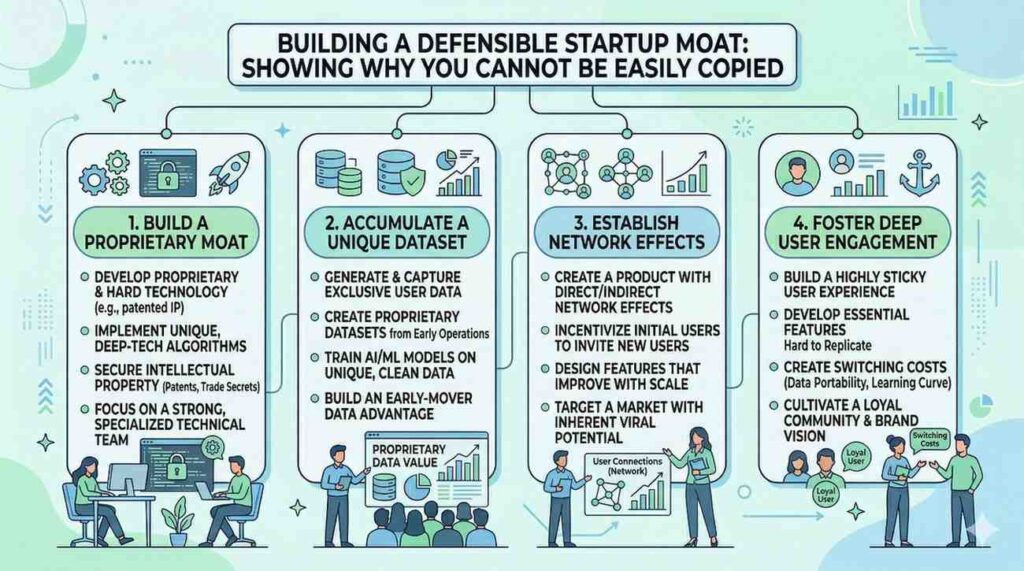
Pre-seed investors move faster when they believe your edge is defensible. If your solution looks easy to recreate, they hesitate.
This is where many technical founders lose speed. They assume that being first is enough. It is not.
You must show why others cannot simply hire engineers and replicate your system. That reason could be unique data pipelines, a proprietary training method, novel hardware integration, or early patent filings.
This is where IP strategy becomes a serious advantage.
When you can say that your core method is already in the patent process, the tone of the meeting shifts. You are no longer a team experimenting. You are a team building long-term value.
Tran.vc works with founders at this exact stage. We help identify what should be protected and how to structure filings around the true innovation. This alone can speed up investor trust.
If you are building something technical and want that layer of strength before your next raise, apply anytime at https://www.tran.vc/apply-now-form/.
How to Use IP as Leverage in Pre-Seed Conversations
Why Waiting to File Slows You Down
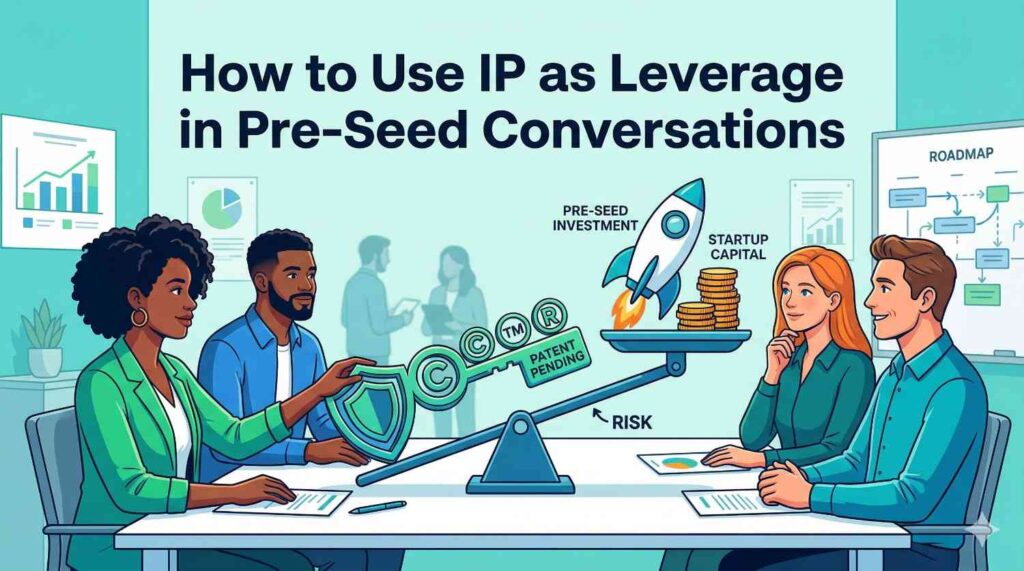
Many founders say they will think about patents after they close their round. They see IP as something expensive or slow.
In reality, waiting often makes fundraising harder.
When investors ask what protects your core technology and you answer, “We plan to file soon,” it creates uncertainty. They start to wonder if competitors could move faster.
Pre-seed investors are not only betting on your skill. They are betting on the durability of your advantage.
Even a well-structured provisional patent can signal seriousness. It shows that you are thinking beyond the next demo. It shows that you are building an asset, not just a feature.
That signal can reduce weeks or even months of investor hesitation.
Turning Technical Work Into Defensible Assets
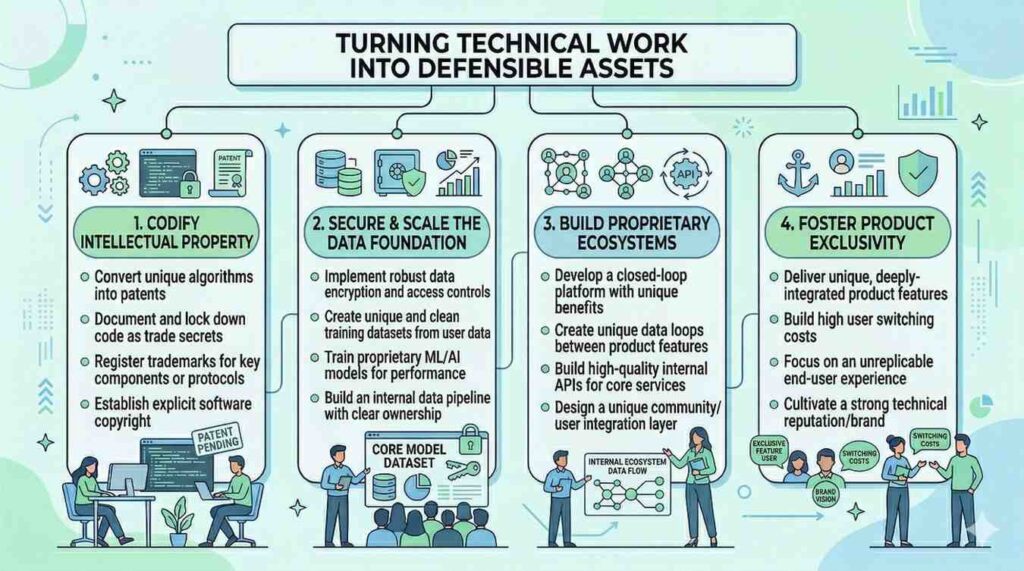
Engineers naturally focus on performance metrics. Accuracy rates. Speed gains. Error reduction.
These matter. But investors also want to know what part of your system is protectable.
Is it your training approach? Is it a hardware-software integration method? Is it a new way to process sensor data?
A strong IP strategy does not try to patent everything. It focuses on the core advantage that gives you leverage in the market.
At Tran.vc, we help founders step back and identify that core. We look at the architecture, the workflow, and the future roadmap. Then we shape a protection plan that aligns with long-term growth.
When you walk into investor meetings with that foundation, your conversations become more strategic. You are no longer defending your idea. You are presenting a protected position.
That difference shortens fundraising cycles.
Building a Moat Before Product-Market Fit
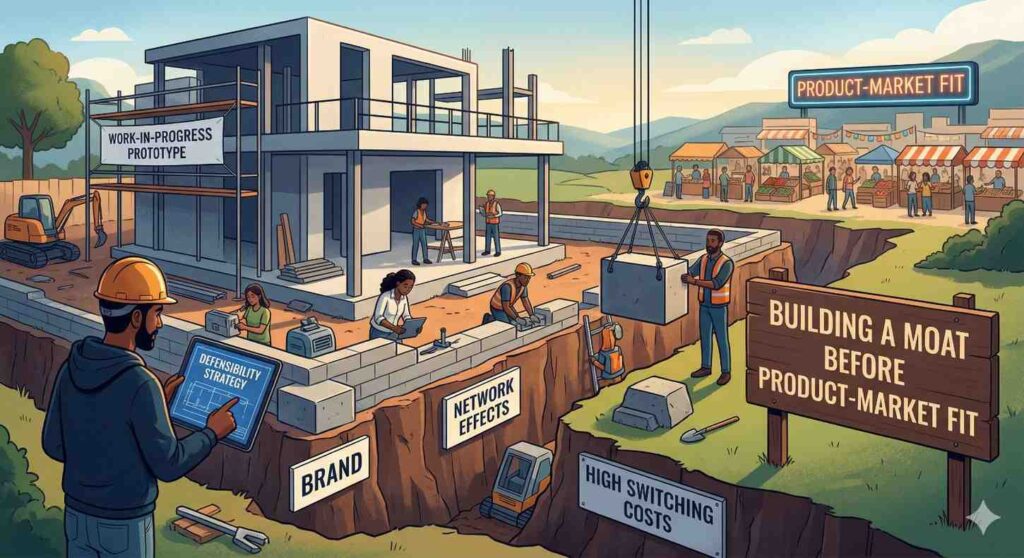
Many founders believe they need full product-market fit before worrying about a moat. In deep tech, that mindset can be risky.
If you wait until traction is obvious, larger players may notice and move quickly.
Building a moat early does not mean slowing down product development. It means designing your product in a way that strengthens defensibility from day one.
This could mean structuring data collection in a proprietary way. It could mean documenting technical breakthroughs as they happen. It could mean aligning your roadmap with future filings.
When investors see that your growth and your protection strategy are connected, they see maturity.
And mature teams raise capital faster because they feel lower risk.
If you want help building that moat before your next round, you can apply anytime at https://www.tran.vc/apply-now-form/.
How to Create Investor Momentum Before You Actively Fundraise
Fundraising Starts Before You Ask for Money
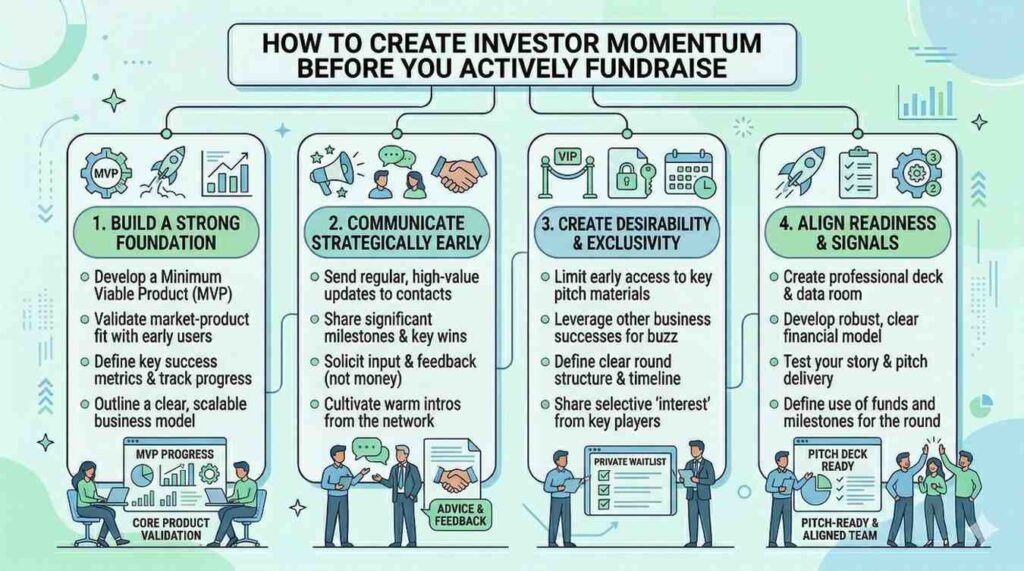
One of the biggest mistakes technical founders make is waiting until they need capital to start conversations.
By that point, pressure is high. Urgency feels desperate. Investors can sense it.
Instead, start building relationships months before your official raise. Share progress updates. Share technical wins. Share early validation.
When you finally open your round, you are not a stranger. You are a founder they have been watching.
This alone can speed up decision-making dramatically.
Use Progress to Tell a Clear Story
Momentum is not about hype. It is about visible progress.
Show how your model improved over time. Explain how your robotics system moved from simulation to real-world testing. Highlight expert endorsements or pilot agreements.
Each update should show movement. Investors want to see that you execute.
Execution reduces risk in their mind. Reduced risk increases speed.
You do not need flashy numbers. You need consistent improvement and proof that you are learning fast.
Be Precise About Your Market
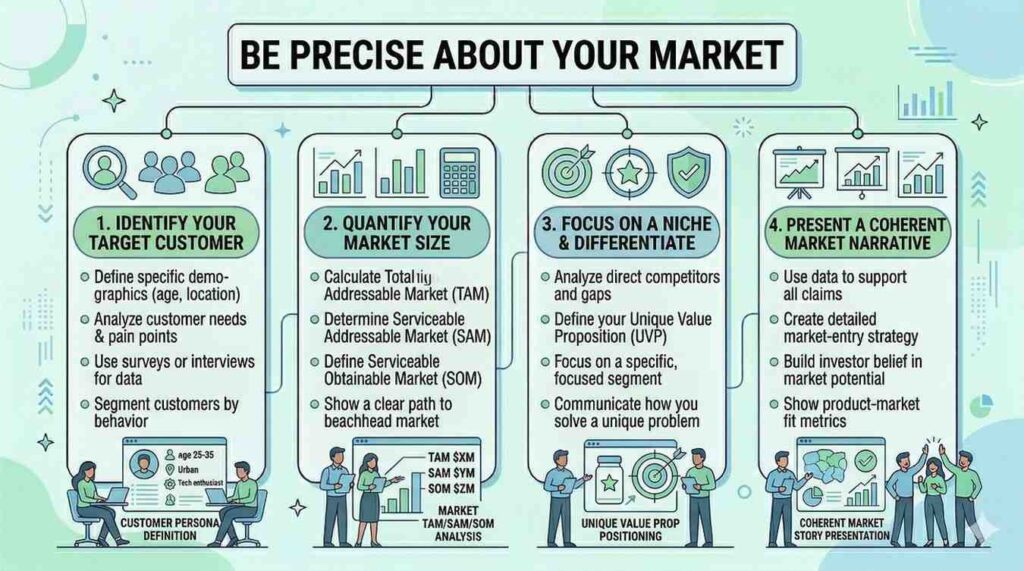
If you say your market is “all logistics” or “all healthcare,” it sounds unrealistic.
Pre-seed investors move faster when they see focus.
Define your first narrow market clearly. Explain why you chose it. Show why it is painful enough to pay for a solution.
Precision builds credibility. Credibility builds trust.
When trust is strong, fundraising becomes smoother and shorter.
At Tran.vc, we often help founders refine this focus. A clear niche combined with a strong IP plan creates a powerful story. Investors can see the path forward.
If you are building in AI, robotics, or deep tech and want to raise with leverage instead of stress, apply anytime at https://www.tran.vc/apply-now-form/.
The Biggest SAFE Pricing Mistakes That Hurt Future Seed Rounds
Chasing a High Valuation Instead of a Smart One
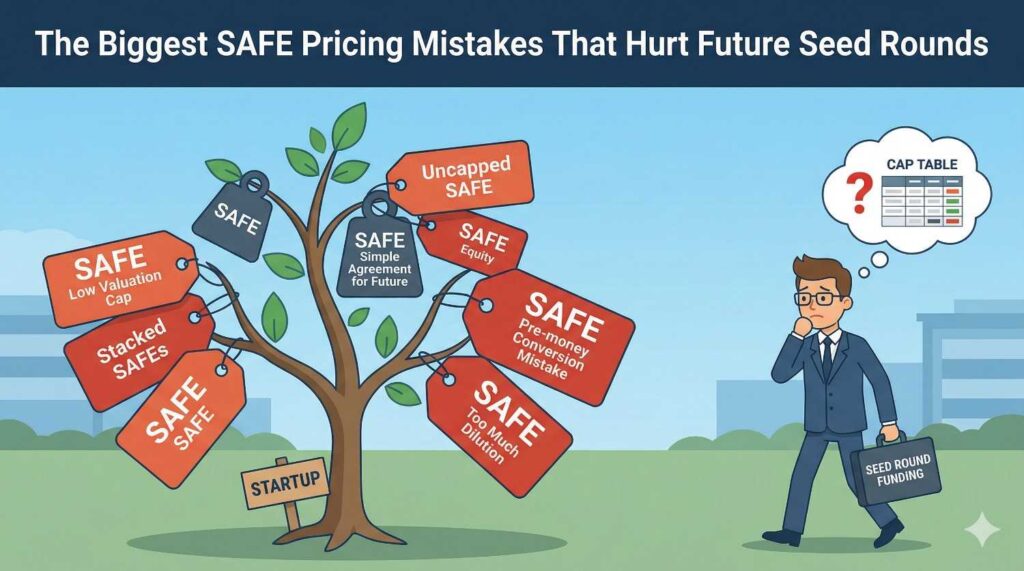
One of the most common mistakes founders make is chasing the highest possible valuation cap.
At first, it feels like a win.
A higher cap means less dilution today. It feels like you are protecting your ownership and showing strength to the market. Many founders take pride in announcing a strong number, especially when comparing themselves to other startups.
But this thinking is short-term.
A SAFE is not just about today’s ownership. It shapes how your next round will unfold. When the cap is pushed too high, it removes the natural gap that should exist between pre-seed and seed.
That gap is important.
Investors expect to see growth between rounds. If your cap already sits close to your expected seed valuation, the next round becomes harder to justify.
Instead of showing progress, it looks like the company has barely moved.
This creates doubt.
Seed investors begin to question whether the company has truly advanced or if the earlier pricing was unrealistic.
A better approach is to choose a cap that reflects potential, but still leaves room for a strong step-up in the next round.
That balance is what keeps fundraising smooth.
Raising Too Much on SAFEs Too Early
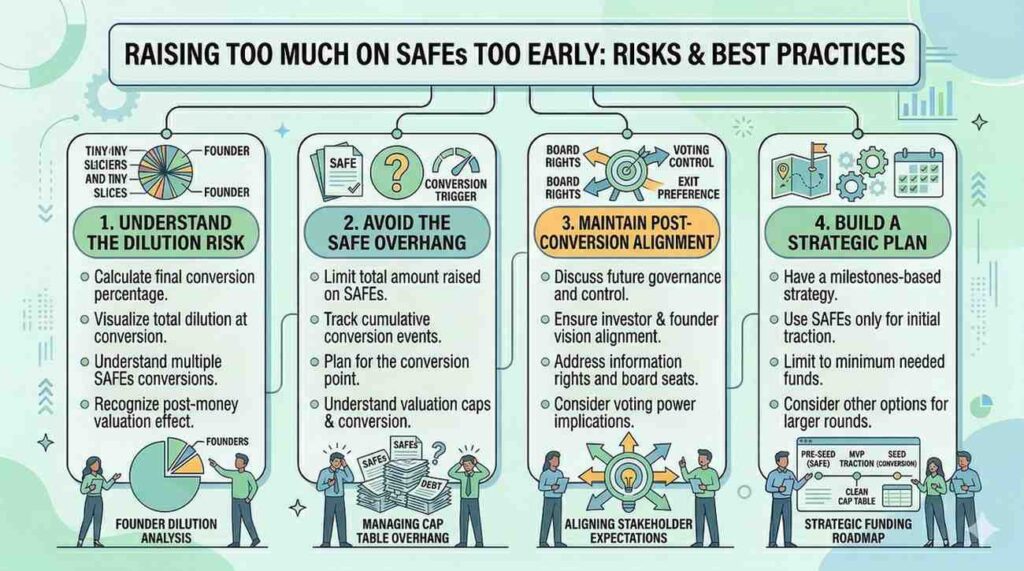
Another quiet mistake is raising too much capital through SAFEs at the pre-seed stage.
It often starts innocently.
A founder raises a small SAFE from one investor. Then another investor shows interest. Then another. Since SAFEs are simple, it feels easy to keep adding more.
Before long, the total amount raised becomes larger than expected.
This creates a hidden problem.
Each SAFE will convert into equity during the seed round. When too many SAFEs stack up, the total dilution becomes significant.
Founders suddenly realize they are giving away a large portion of the company before even reaching product-market fit.
At the same time, new investors may hesitate.
They see a crowded cap table with many early investors converting at different caps or terms. This complexity can slow down decision-making.
A clean structure is always more attractive.
Smart founders raise only what they need to reach meaningful progress. They do not treat SAFEs as unlimited fuel.
They use them with intention.
Ignoring the Total Dilution Picture
Many founders look at each SAFE in isolation.
They think about one investor at a time. One check. One agreement.
But dilution does not happen in isolation.
It builds over time.
When multiple SAFEs convert together, the combined effect can be surprising. Founders may end up with far less ownership than they expected.
This becomes especially risky when SAFEs are issued at different caps.
Some investors convert at lower prices, others at higher ones. The final cap table becomes harder to predict.
This lack of clarity creates stress during the seed round.
New investors want to understand exactly how ownership will look after conversion. If the math is unclear or messy, it slows everything down.
The better approach is simple.
Always look at the full picture.
Before signing any SAFE, founders should think about how all SAFEs together will convert in the future. This keeps dilution predictable and avoids surprises.
Using SAFEs Without a Clear Fundraising Plan
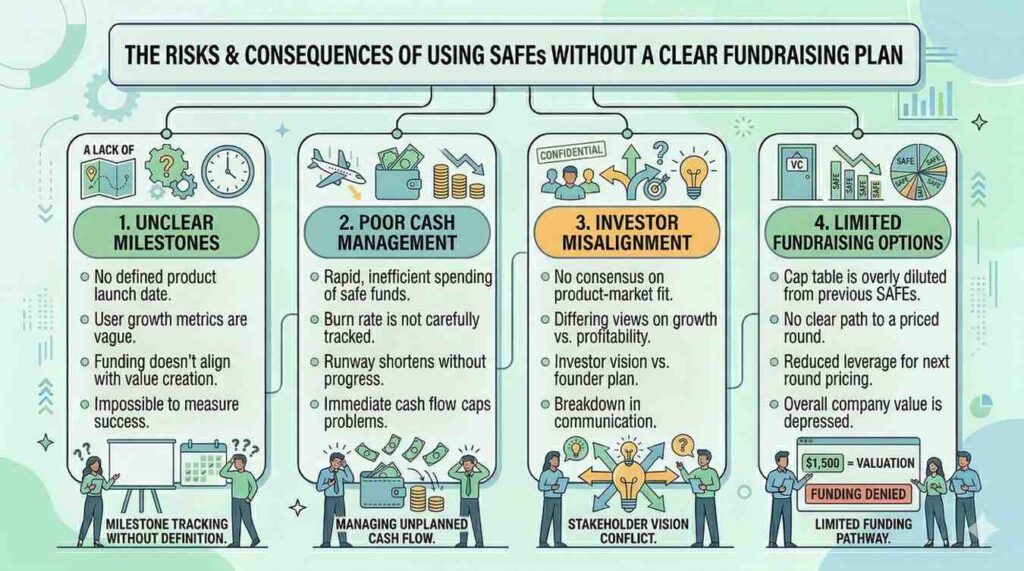
Some founders treat SAFEs as a quick way to bring in money without a larger plan.
They raise when needed, without thinking about how each round connects to the next.
This creates inconsistency.
One SAFE may have a low cap. Another may have a much higher cap. Some may include discounts while others do not.
Over time, the structure becomes uneven.
When the seed round begins, investors have to untangle this structure before making a decision. That adds friction.
Fundraising should feel like a clear progression.
Each round should build on the last, with consistent logic behind pricing and structure.
When founders plan ahead, SAFEs become a tool that supports growth rather than complicates it.
Overlooking the Power of Strong IP Early On
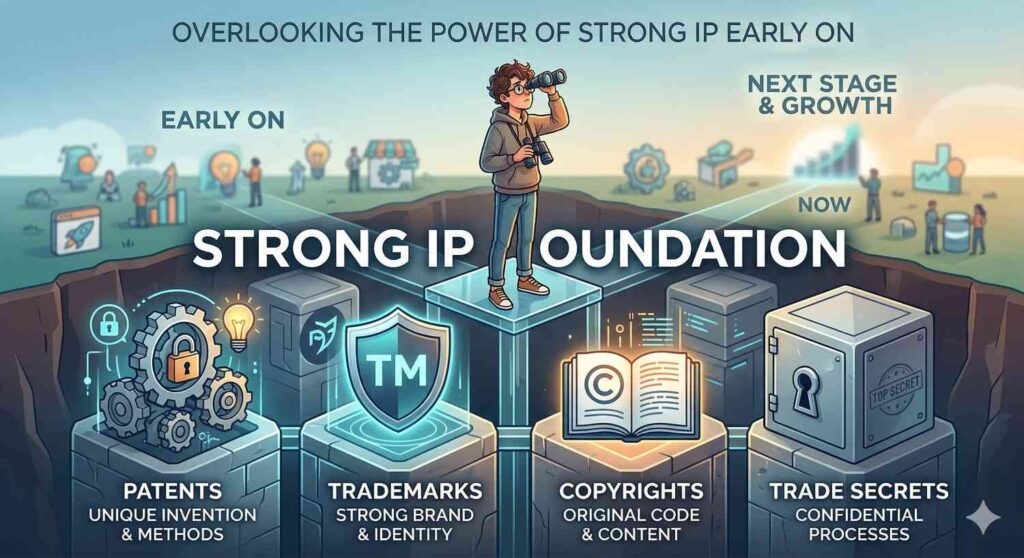
Many technical founders focus only on building the product during the early stage.
They delay thinking about patents and intellectual property.
At first, this seems reasonable.
The product feels urgent. The market is moving fast. Filing patents can feel like something to handle later.
But this delay can weaken your position.
Without IP protection, your technology is harder to defend. Investors may see higher risk. That often leads to lower valuation expectations or tougher negotiation terms.
On the other hand, when a company has strong IP early, everything changes.
Investors see a foundation.
They understand that the technology is not easy to copy. They see long-term value beyond just the current product.
This confidence often leads to smoother fundraising conversations.
At Tran.vc, this is a core part of how we support founders.
We invest $50,000 worth of in-kind patent and IP services so that technical founders can protect what they are building from the very beginning.
Instead of rushing into fundraising with weak leverage, founders build strength first.
If you are working on AI, robotics, or deep tech, this step can make a major difference in how investors respond to your SAFE pricing.
You can apply anytime here: