
Raising your first round is exciting. It also comes with many small choices that can shape the future of your company.
One of those choices is how to price your SAFE.
A SAFE is simple on the surface. It is meant to help founders raise early money without the stress of a full priced round. But many founders make one quiet mistake here. They pick numbers that look good today but create problems later when they try to raise their next round.
The truth is simple. A SAFE is not just about getting money in the bank. It quietly sets the tone for how future investors see your company.
Price it too high and seed investors may walk away.
Price it too low and you give away too much of your company before things even begin.
Many founders do not realize this until it is too late.
We have seen this happen many times with deep tech, AI, and robotics startups. Brilliant engineers build powerful technology, raise a quick pre-seed round with a SAFE, and then struggle when the seed round arrives. The numbers do not line up. Investors get confused. The cap table becomes messy.
But this problem is avoidable.
When you understand how SAFE pricing really works, you can raise early capital while keeping your future rounds clean and attractive to investors.
At Tran.vc, this is exactly where we help technical founders the most. Instead of pushing founders to raise money fast, we help them build leverage first. That includes strong intellectual property, a smart patent strategy, and a capital plan that does not trap them later.
In fact, many founders work with Tran.vc before they raise their first outside money. We invest $50,000 worth of in-kind IP and patent support so your inventions turn into real assets. When your technology is protected early, investors see a stronger company and pricing decisions become much easier.
If you are building in AI, robotics, or deep tech, you can apply anytime here:
https://www.tran.vc/apply-now-form/
In this guide, we will walk through the real thinking behind pricing a SAFE at the pre-seed stage. Not theory. Not textbook advice. Just clear guidance based on how early stage investing actually works.
By the end, you will understand:
- Why SAFE pricing quietly affects your next round
- How investors think about valuation caps
- The biggest mistakes founders make with pre-seed SAFEs
- How to keep your future seed round healthy
- And how strong IP can give you leverage during early fundraising
If you are a technical founder raising your first capital, this is one of the most important topics to understand.
Because the goal is not just to raise money today.
The real goal is to build a company that investors want to fund again and again.
And that starts with making smart choices from the very first SAFE you sign.
How to Price a SAFE at Pre-Seed Without Hurting Future Rounds
Why SAFE Pricing Matters More Than Most Founders Think
Raising your first round is exciting. It also comes with many small choices that quietly shape the future of your company.
One of those choices is how to price your SAFE.
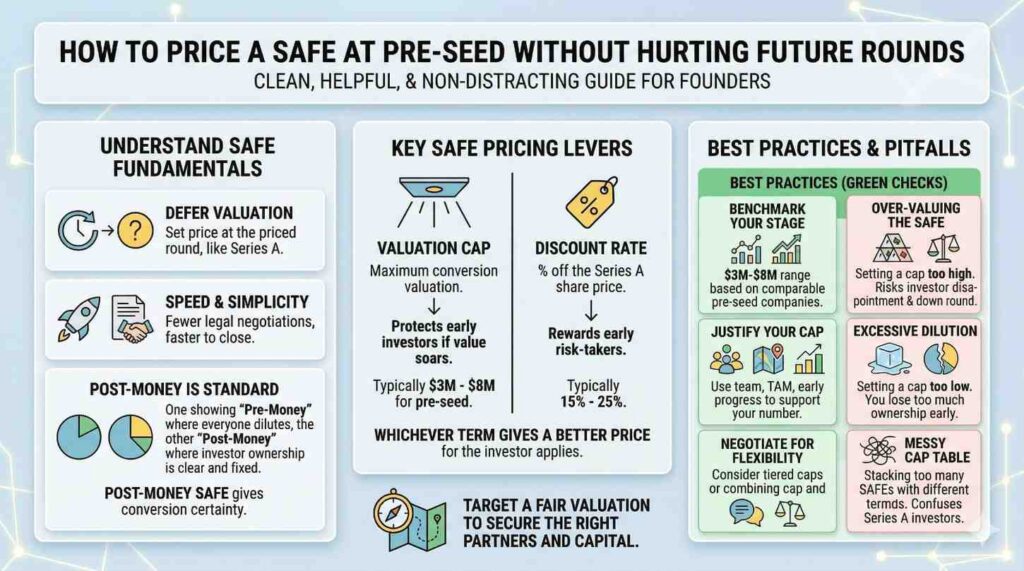
A SAFE looks simple on the surface. It was designed to help founders raise early capital without the pressure of setting a full valuation. There are fewer legal steps, fewer negotiations, and the process moves quickly.
Because of this simplicity, many founders assume the numbers inside the SAFE do not matter that much.
In reality, those numbers matter a lot.
The valuation cap you choose today will influence how investors see your company later. It affects your ownership, your cap table, and how easy your next round will be to close.
Many founders focus only on getting the money in the bank. They accept a cap that sounds exciting or impressive, without thinking about what happens when the next round begins.
But investors always look back.
They study the early SAFEs, the caps, the discounts, and how much ownership early investors will convert into later.
If those numbers do not make sense, the seed round becomes harder.
At Tran.vc, we see this pattern often with technical founders. Engineers build powerful technology, raise a small pre-seed round using SAFEs, and only later realize the structure creates friction for future investors.
That friction can slow down a round that should have been easy.
This is why SAFE pricing should never be treated as a quick shortcut.
It is a strategic decision that affects every round that comes after it.
And when founders understand this early, they avoid painful corrections later.
If you are building an AI, robotics, or deep tech company and want help building strong early leverage through patents and IP strategy, you can apply anytime here:
Strong intellectual property often gives founders more control during early fundraising. Investors become more comfortable when the technology behind the company is protected and defensible.
That leverage makes SAFE negotiations much easier.
What This Guide Will Help You Understand
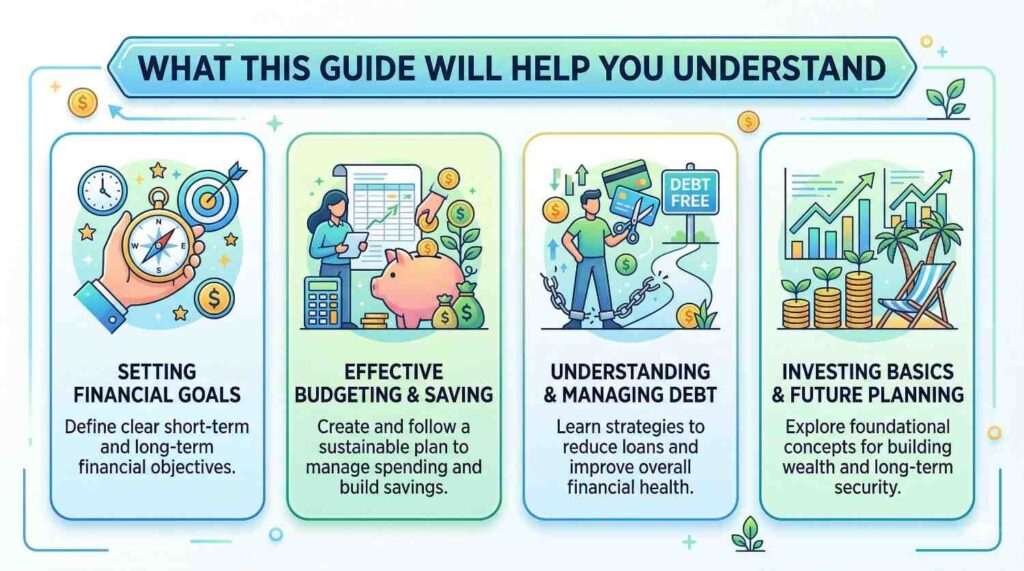
This guide will walk through the thinking behind SAFE pricing in a practical way.
Instead of focusing on legal language or complicated finance theory, we will focus on how investors actually evaluate early rounds.
You will see why some SAFE structures create problems during seed fundraising and how founders can avoid those traps.
You will also learn how experienced investors think about valuation caps at the pre-seed stage and why the “highest number possible” is rarely the smartest strategy.
Many early founders believe a higher cap always means a better deal.
In practice, that approach often backfires.
A realistic SAFE cap that leaves room for growth is far more helpful than a number that creates pressure on the next round.
Throughout this article, we will also discuss how intellectual property plays a quiet but powerful role in early stage fundraising.
Technology alone is not enough.
Investors want to know that what you are building can be protected, defended, and turned into long-term advantage.
That is one reason Tran.vc invests $50,000 in patent and IP services for technical founders before they raise large rounds. When patents and IP strategy are in place early, founders enter fundraising conversations with stronger leverage.
If you are building a technical startup and want help building that foundation, you can apply anytime here:
Now let us start with the basics.
Before we talk about pricing a SAFE correctly, it helps to understand what a SAFE really is and how investors think about it.
Understanding SAFEs at the Pre-Seed Stage
Why SAFEs Became the Default Tool for Early Fundraising
Before SAFEs became common, early stage fundraising was much more complicated.
Startups had to create priced equity rounds even at the earliest stages. That meant negotiating valuation, issuing shares, handling legal paperwork, and building complex cap tables before the company had even launched a product.
This process slowed everything down.
Early investors also faced higher legal costs for very small investments.
Y Combinator introduced the SAFE to simplify this process.
The idea was straightforward.
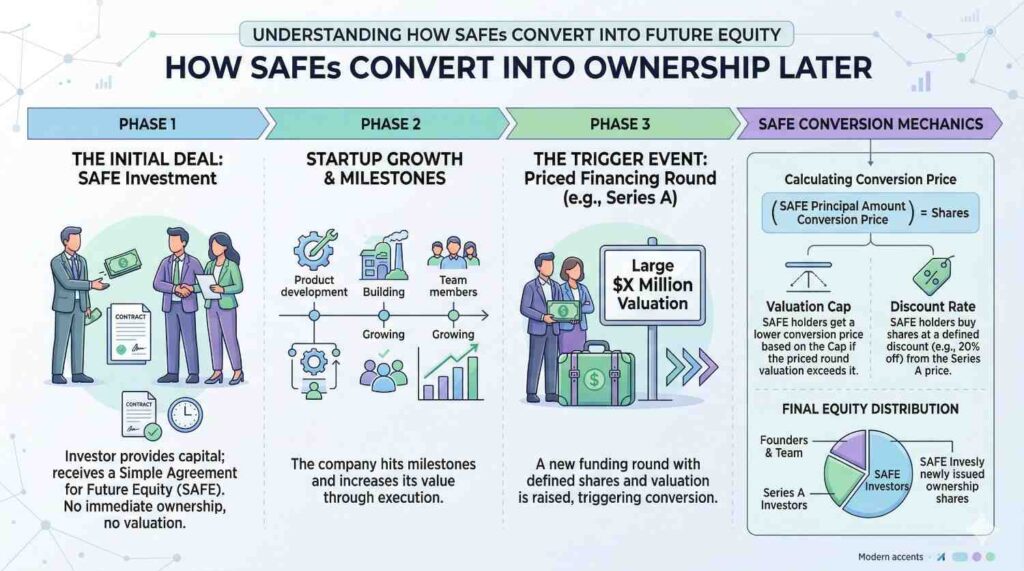
A SAFE allows investors to put money into a company today in exchange for the right to convert that investment into equity later, usually during the next priced round.
Instead of setting the company valuation immediately, the SAFE delays that discussion until a larger round takes place.
This made early fundraising faster and easier for founders.
But simplicity can be misleading.
While the legal structure of a SAFE is simple, the economics behind it still matter a lot.
The valuation cap, the discount, and the total amount raised through SAFEs will eventually determine how much ownership early investors receive when the conversion happens.
And that is where many founders run into trouble.
Why Pre-Seed SAFEs Are Different From Later Rounds
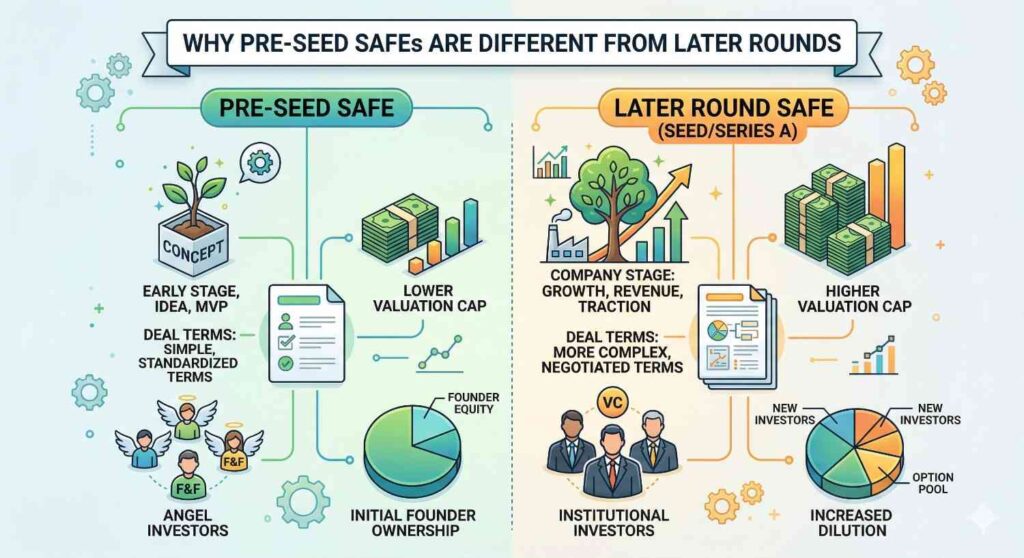
At the pre-seed stage, companies often have very little data.
There may be an early prototype, a small team, and a big technical vision.
Revenue is rare. Traction is limited. The product may still be under development.
Because of this uncertainty, pricing a SAFE at pre-seed is not about financial performance.
It is about potential.
Investors are betting on the founding team, the strength of the technology, and the size of the future market.
That uncertainty creates a wide range of possible valuation caps.
Some founders raise SAFEs with caps around $3 million. Others push toward $10 million or even higher.
Both numbers may appear reasonable depending on the story, the market, and the team.
But the right number is not just about what investors accept today.
It is about what makes sense when the seed round happens.
The seed round is where a real valuation is finally set. Investors will examine progress, product development, market validation, and intellectual property.
If the pre-seed SAFE cap sits too close to the seed valuation, new investors may hesitate.
They want to see a clear step-up between rounds.
That step-up signals progress.
When founders understand this relationship between rounds, SAFE pricing becomes much easier to manage.
How SAFEs Convert Into Ownership Later
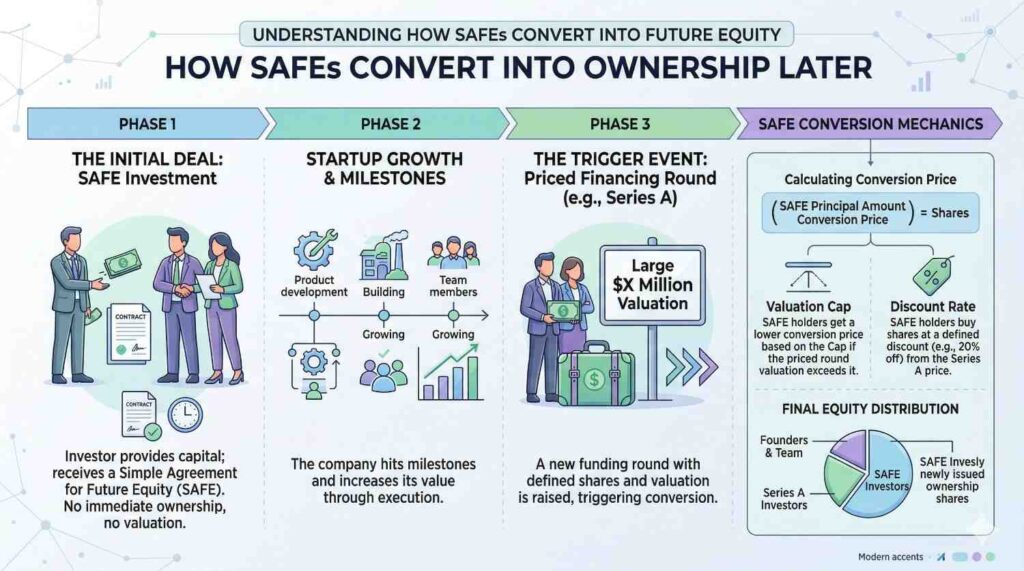
Many founders focus heavily on the cap number without thinking about what happens during conversion.
But conversion is where the real impact appears.
When the seed round happens, all outstanding SAFEs convert into equity.
The conversion price is usually determined by either the valuation cap or the discount rate, depending on which gives the investor a better deal.
If a SAFE has a $5 million cap and the seed round valuation is $10 million, the investor converts as if they invested at the $5 million valuation.
This means they receive more shares for the same amount of money.
That difference rewards early risk.
But it also affects how much ownership the founding team still holds after the round.
If too many SAFEs convert at low caps, founders may experience heavy dilution before the company even reaches its seed stage.
This is why the total SAFE pool matters just as much as the cap itself.
Many early companies unintentionally raise too much through SAFEs without modeling the future dilution.
By the time the seed round arrives, the cap table becomes crowded.
New investors may ask for restructuring, which slows down the fundraising process.
Careful SAFE pricing helps prevent that outcome.
It creates space for the next round while still rewarding early supporters.
The Quiet Role of IP in Early SAFE Pricing
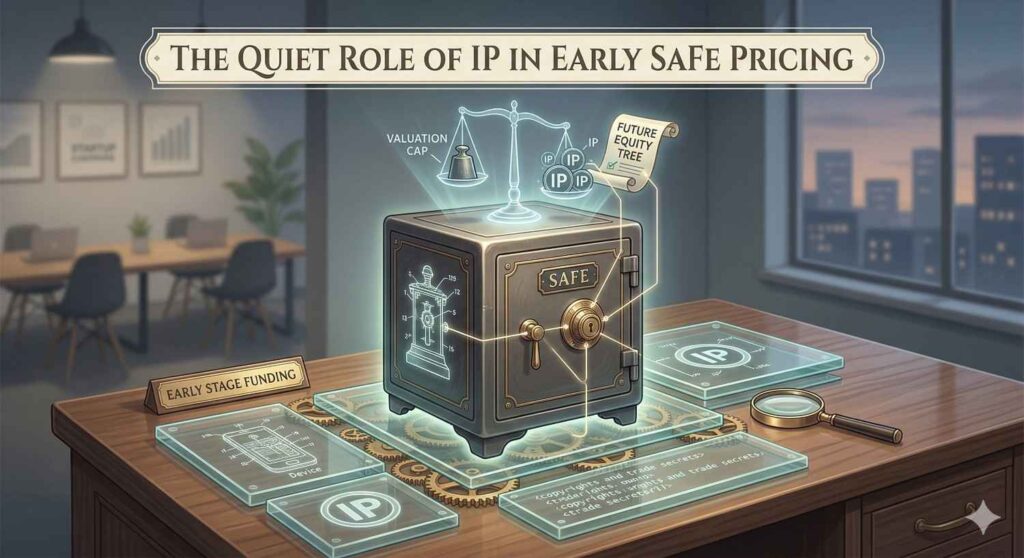
One factor that many founders underestimate during pre-seed fundraising is intellectual property.
For technical startups, patents and defensible technology can significantly influence investor confidence.
When a startup has strong IP foundations, investors see lower risk.
They know the technology is harder to copy. They also know the company is building assets that can grow in value over time.
That confidence often allows founders to justify stronger valuation caps during early fundraising.
Without IP protection, investors may push for lower caps because the technology feels easier to replicate.
This is one reason Tran.vc focuses so heavily on patents and IP strategy before large fundraising rounds.
Instead of pushing founders to raise money quickly, the goal is to strengthen the company first.
Protected technology changes investor conversations.
It signals that the company is not just building a product. It is building defensible innovation.
Tran.vc invests $50,000 worth of patent strategy and IP support to help early stage founders create this foundation.
If you are building something technical and want to protect your ideas before raising major capital, you can apply anytime here:
When your technology is protected early, SAFE pricing becomes a strategic decision rather than a negotiation under pressure.
And that can make a huge difference in how future rounds unfold.
Why Founders Often Misprice Their First SAFE
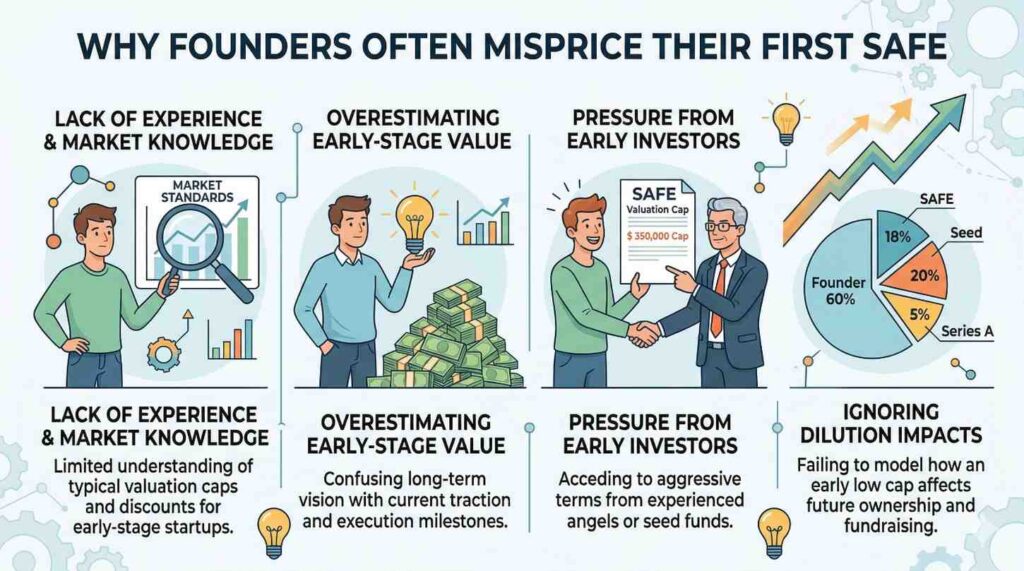
Most founders do not intentionally misprice their SAFEs.
The problem usually comes from incomplete information.
Early founders often hear numbers from other startups or online discussions and assume those caps are standard.
But every startup sits in a different context.
Market size, founder experience, product readiness, and intellectual property all influence early valuation expectations.
A robotics company with novel patents will be evaluated very differently from a basic software startup with no defensible technology.
Another common mistake is focusing too much on short-term signaling.
Some founders believe a higher valuation cap makes their startup look stronger.
In reality, experienced investors look deeper than the number itself.
They care more about whether the pricing creates room for healthy growth between rounds.
If the numbers make the next round difficult, the high cap becomes a liability rather than a win.
Smart founders approach SAFE pricing with the future in mind.
They choose numbers that allow the company to show progress and reward investors who join the next round.
This mindset keeps fundraising smooth and relationships strong.
And when founders combine thoughtful SAFE pricing with strong IP protection, they create a much more attractive opportunity for early investors.
That combination of defensible technology and clean fundraising structure is exactly what Tran.vc helps technical founders build from the start.
If you want help building that foundation, you can apply anytime here:
The Real Logic Behind SAFE Valuation Caps
How Investors Actually Think About Pre-Seed Pricing
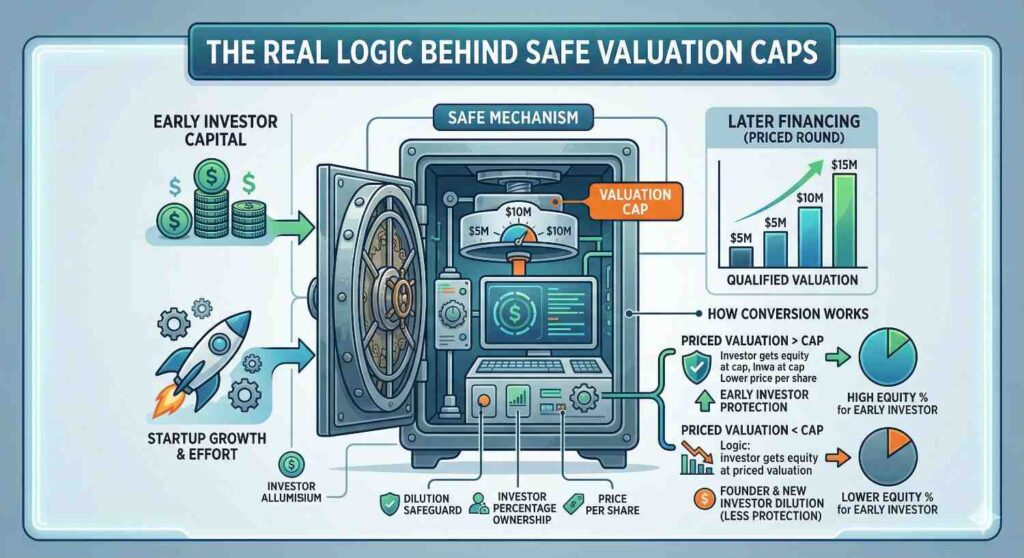
Many founders believe the valuation cap is mainly a negotiation number.
They assume the goal is simple: push the cap as high as possible so they give away less ownership.
But early investors do not see SAFE pricing this way.
Experienced investors think about progress between rounds. They want to see that the company will grow into a higher valuation by the time the seed round arrives. The cap needs to leave enough room for that growth to happen.
If the pre-seed cap already looks close to what the seed valuation might be, the next round becomes uncomfortable.
Seed investors start asking a difficult question.
“Where is the step-up?”
The step-up is the increase in valuation between rounds. It shows that the company has made real progress. New product work, stronger traction, patents filed, customer demand, or clear technical breakthroughs all help justify that growth.
Without a clear step-up, investors may hesitate.
It becomes harder for them to explain why they should invest at a higher valuation than the last round.
That is why SAFE pricing should always be tied to the story of future progress, not just the present moment.
Why the Highest Cap Is Not Always the Best Outcome
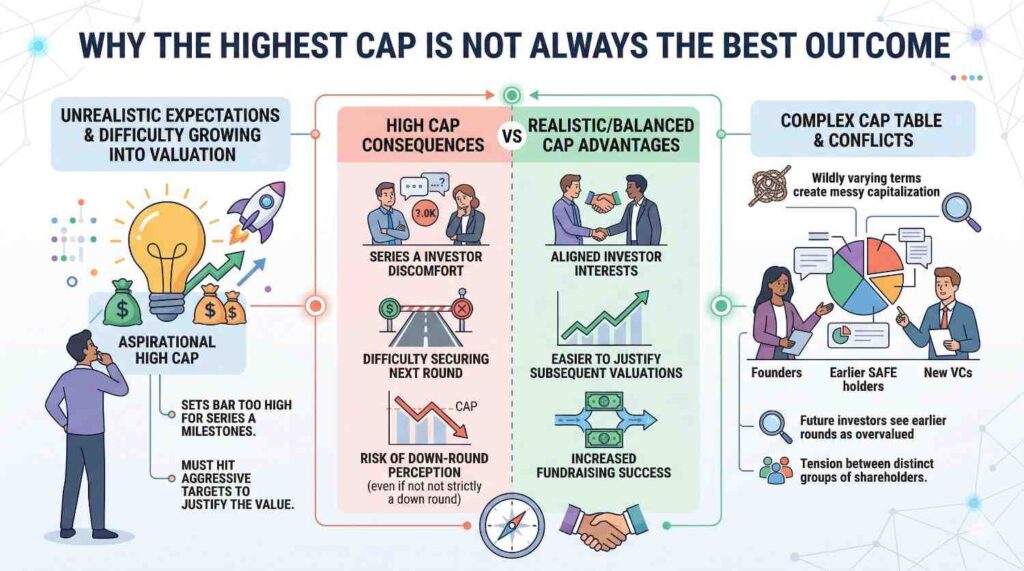
Early founders often celebrate when investors agree to a high valuation cap.
It feels like a signal that the company is strong.
But in practice, a cap that is too high can create hidden pressure.
Imagine a startup raises a pre-seed SAFE with a $12 million cap. The company is still building the first version of the product and has not yet launched.
When the seed round begins a year later, the company might reasonably be valued at $15 million.
On paper, that sounds like growth.
But seed investors may still hesitate.
The jump from $12 million to $15 million is small. It does not feel like meaningful progress between rounds. Investors expect to see larger jumps as companies mature.
They want to see clear momentum.
When the cap sits too close to the seed valuation, the conversion mechanics also become messy. Early investors convert into equity at nearly the same price as new investors.
That situation can create awkward conversations.
New investors want a clear incentive for early supporters while still receiving a fair entry price themselves.
Balanced SAFE pricing avoids this tension.
The cap should reward early investors for their risk while still leaving room for the next round to show strong growth.
How Early Caps Shape the Story of Your Company
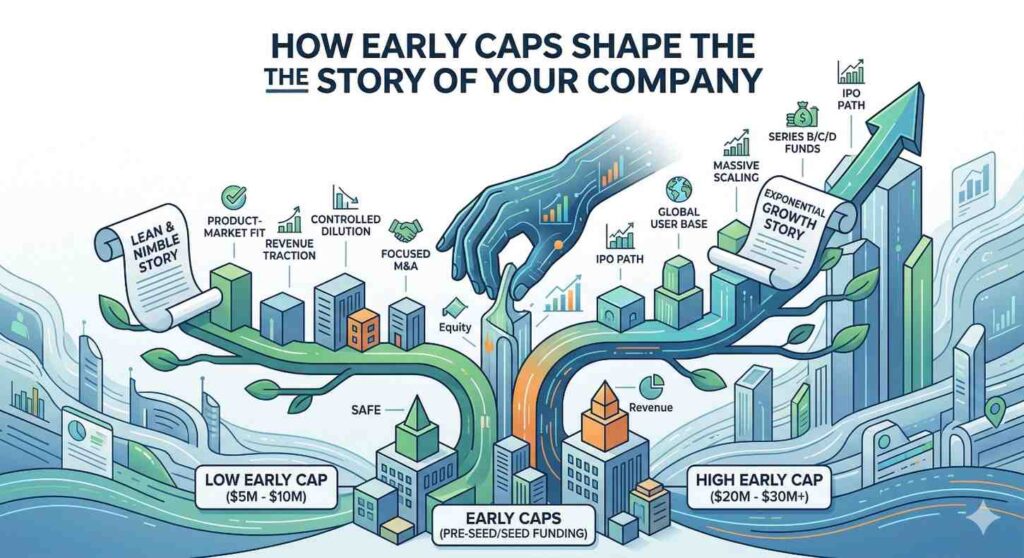
Every round of funding tells a story.
The numbers themselves communicate progress.
Investors want to see a company move through stages. The pre-seed round helps turn an idea into an early product. The seed round shows early validation. Series A demonstrates real market traction.
When the numbers move in a clear upward pattern, the story feels natural.
But when the first SAFE is priced incorrectly, that story becomes harder to tell.
If the early cap is too high, the company may struggle to justify the next valuation. If the cap is too low, founders may lose too much ownership before the company has fully developed.
Both outcomes weaken the company.
This is why experienced founders treat SAFE pricing as part of a long-term fundraising plan rather than a short-term negotiation.
They think about how each round will build on the last.
When investors see a clean and logical progression between rounds, confidence grows.
And confidence often leads to faster fundraising.
The Difference Between Signal and Reality
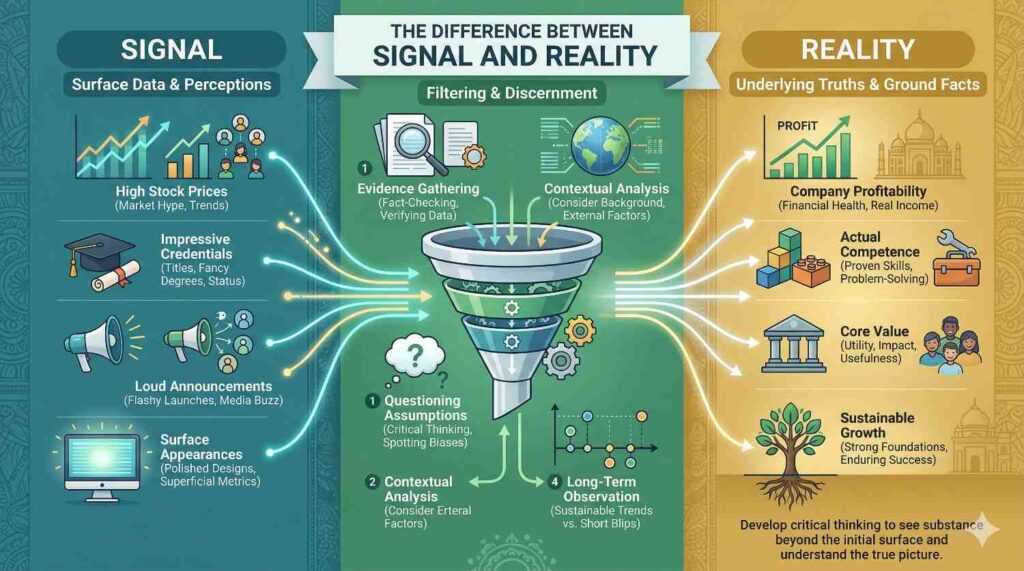
Another reason founders misprice SAFEs is the desire for signaling.
Some founders believe that a higher cap signals strength. They think it shows that investors believe strongly in the company.
But sophisticated investors do not focus on the signal.
They focus on the fundamentals.
They ask questions like:
How strong is the technology?
Is there real technical differentiation?
Can competitors easily copy the idea?
Does the team have the ability to build something difficult?
This is where deep tech startups often have an advantage.
When a company is built around novel algorithms, robotics systems, or unique AI infrastructure, the technology itself creates credibility.
And when that technology is protected through patents, the signal becomes even stronger.
Investors do not need inflated caps to believe in the company. They see the strength directly in the assets the company is building.
At Tran.vc, this is one of the first things we help technical founders establish.
Instead of focusing only on raising money, we help founders turn their technology into defensible intellectual property.
Patents protect the core ideas behind the product. They create long-term barriers that competitors cannot easily cross.
When investors see strong IP early, they often feel more comfortable with valuation discussions.
The company is not just building software.
It is building protected innovation.
Tran.vc invests $50,000 worth of patent strategy and IP services to help founders create this leverage before large fundraising rounds begin.
If you are building a technical company and want to strengthen your foundation early, you can apply anytime here: