
When you are raising venture capital, your name matters more than most founders expect.
It is not just a logo. It is not just a domain. Your company name becomes a shortcut in an investor’s head. It shows up in pitch decks, group chats, term sheets, press releases, and customer emails. If that name is shaky, everything feels shaky. And if you have to change it later, it is painful, slow, and expensive.
A trademark is the legal tool that helps you keep your name, protect your brand, and stop copycats before they confuse your market. It also helps you avoid the worst surprise of all: learning that someone else already owns the name you built your company on.
This guide is called “Trademark Basics for Startups Raising VC” because that is the moment when trademark work stops being “nice to have” and starts being a real risk item. Investors may not ask on day one. But when diligence begins, brand ownership can come up fast. And if you plan to scale, hire sales, and run ads, you will feel the need even sooner.
If you want to build your company with strong IP from day one, Tran.vc can help. We invest up to $50,000 in in-kind patent and IP services for deep tech founders, including the early strategy work that keeps you from stepping into brand traps. You can apply anytime here: https://www.tran.vc/apply-now-form/
What a Trademark Really Is
The simplest way to think about it
A trademark is a legal right tied to a “source name.” It tells the world, “When you see this name on this kind of product or service, it comes from us.” That is the whole point. It is not about owning a word in every context. It is about owning a word, phrase, logo, or slogan in the lane where you do business.
If your startup is called “Nova,” you do not automatically own “Nova” for everything. But you may be able to own “Nova” for the specific goods and services you offer, like robotics hardware, AI software, or a SaaS platform in a defined category. The law cares about confusion. If customers might think two offers come from the same company, that is where a trademark matters.
What a trademark is not
A trademark is not the same as a domain name. Buying a domain is like renting a plot of land on the internet. It helps people find you, but it does not give you legal control over the name. Someone else can own the trademark while you own the domain, and that mismatch can turn into a serious problem.
A trademark is also not the same as a business entity filing. Registering “Nova, Inc.” with the state does not mean you can safely use “Nova” nationwide. Entity filings are local and administrative. Trademarks are about brand rights and market confusion, and those fights can happen across state lines.
Why this matters the most during VC fundraising
When money is on the line, risk becomes real. Investors want to know that your company can scale without getting blocked by a brand dispute. A trademark conflict can force a rename right when you are trying to grow. That can break momentum and burn a lot of cash on new domains, new packaging, new marketing, and lost trust.
In diligence, investors often look for clean ownership of key assets. For deep tech, patents tend to get the spotlight. But the company name is also a core asset. If your name is exposed, it can make the whole company feel harder to finance.
If you want help building an IP plan that includes clean brand protection, Tran.vc supports technical founders with up to $50,000 in in-kind patent and IP services. You can apply anytime here: https://www.tran.vc/apply-now-form/
Why VCs Care About Trademarks
It signals you can operate at scale
A startup that treats trademarks as an afterthought can look unprepared. That does not mean you need a huge legal budget. It means you should show basic discipline. You chose a name with care. You checked for conflicts. You secured the parts that matter. You can explain your plan in plain terms.
Investors back teams that reduce avoidable risks. Trademark problems are avoidable. When a company ignores them and later gets a legal letter, it is not “bad luck.” It is usually a sign the basics were skipped.
It protects the “story” investors are investing in

A brand name becomes part of your moat, even if you are building deep tech. Customers remember the name. Partners say it out loud. Press writes it down. Over time, that name becomes attached to trust and performance.
If someone else can use a confusingly similar name, they can borrow your credibility. That is more than annoying. It can slow sales, create support issues, and weaken the story you are building in the market.
It reduces the chance of a forced rename
A rename is not just swapping a logo. It is a chain reaction. Your website changes. Your email addresses change. Your app store listing changes. Your sales decks change. Your customer contracts may need updates. Your SEO takes a hit. Even your hiring pipeline can get messy if candidates cannot find you.
VCs fear this because a forced rename often hits right when growth starts. They want your focus on shipping product and closing deals, not cleaning up a brand fire.
The Core Parts of a Trademark
The “mark” you are trying to protect
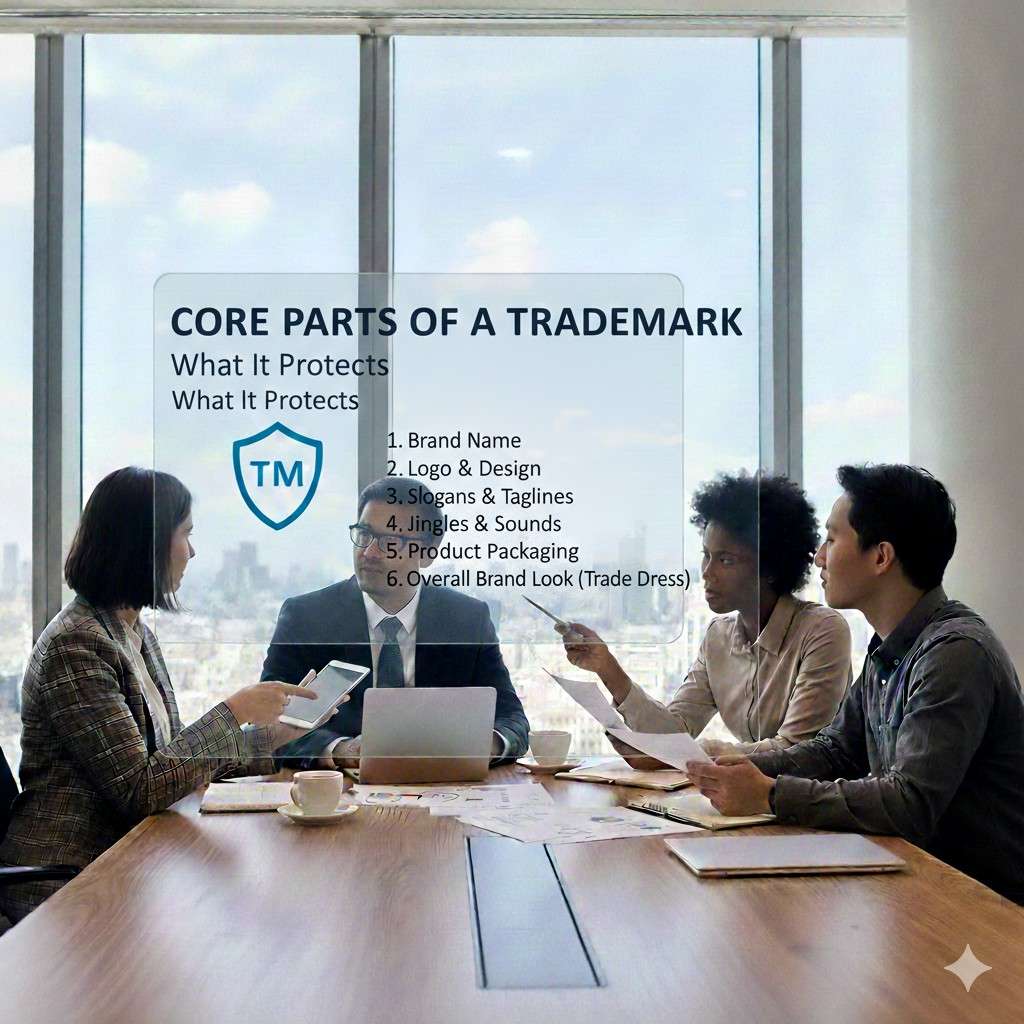
A trademark can be a word, like your company name. It can be a logo. It can be a slogan. It can even be a product name. For most startups raising VC, the first priority is the word mark for the company name, because it covers the name regardless of font or style.
A logo trademark can be helpful too, but logos change over time. Word marks are more stable. When money is limited, it is usually smarter to protect the name first, then add the logo later when the design has settled.
The goods and services category
Trademarks are tied to what you sell. The same name can sometimes exist in different markets without conflict. That is why the category matters so much. In the trademark system, categories are divided into “classes,” and each class maps to certain goods or services.
For a software startup, the most common area is software as a service, platforms, and related tech services. For robotics, it can include hardware, machines, and also software that controls the system. If you pick the wrong category, you might end up with weak coverage, even if the name is registered.
The geography of your rights

Where your rights apply depends on how you claim them. In many countries, registration gives you strong national rights. In the U.S., you can also gain rights through real use in commerce, even without registration, but those rights are narrower and harder to prove.
When you raise VC, you want clarity. Registration is the cleanest way to show ownership and reduce disputes. It is not the only path, but it is the path that tends to create fewer questions later.
Picking a Name That Can Survive Diligence
Why “cool” names can become legal headaches
Many founders pick names that sound modern, short, and techy. That makes sense. The problem is that a lot of those names are already taken in some form. Short names get crowded fast. If your name is close to a prior mark in your space, you may face pushback.
This is where founders often get trapped. They fall in love with a name before checking it. They build a website, social handles, and a deck. Then they search too late. At that point, it feels emotionally expensive to change, even when changing would be smarter.
What makes a name strong in trademark terms
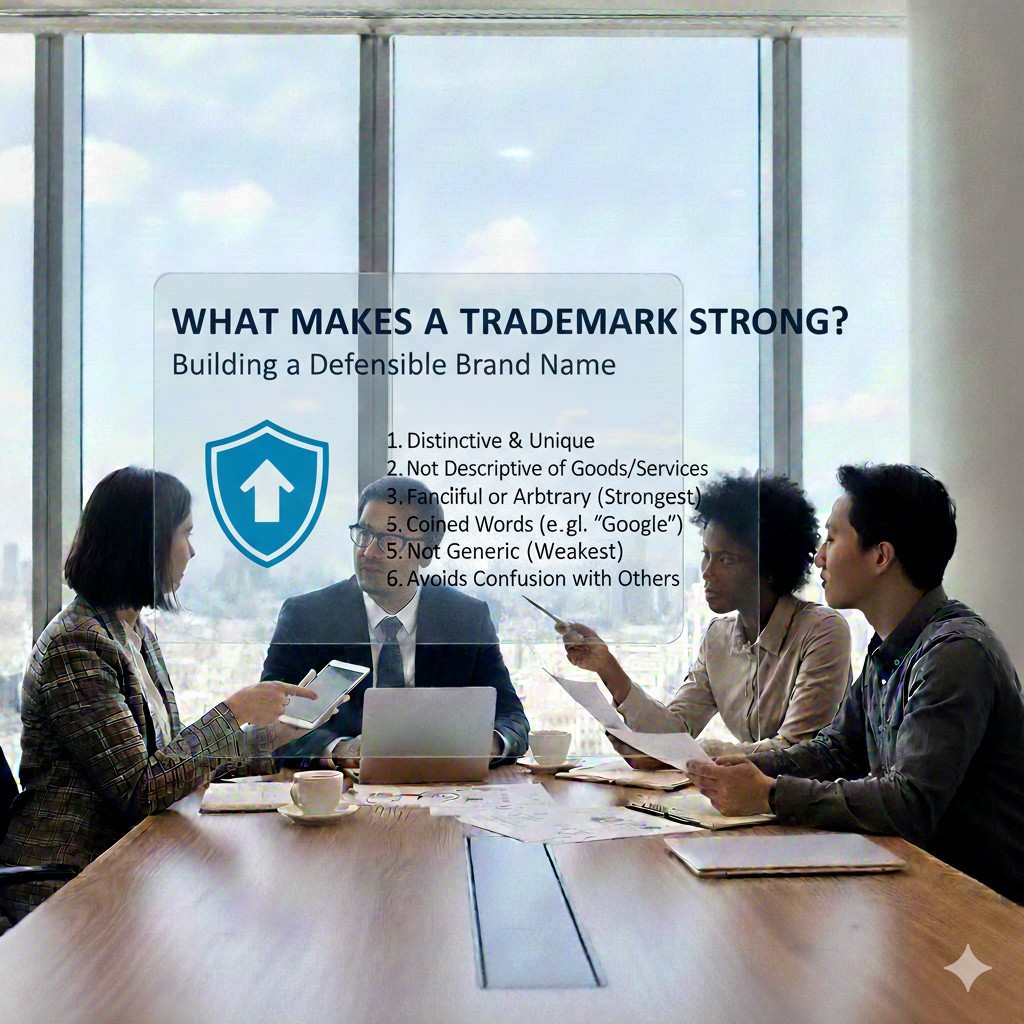
In trademark law, the strongest names are often the ones that are not literal descriptions of what you do. A name that directly describes the product is harder to protect. A name that hints at a benefit can be stronger. A made-up word can be strongest.
This does not mean you need a weird name. It means you should avoid names that are basically your product category. If the name is too close to “Robotics AI Platform,” you may struggle to claim exclusive rights.
How investors interpret name strength
Investors do not sit around grading trademark theory. But they do care about whether you can own your identity. If your name is generic or close to another known company, it can feel risky. It can also create brand confusion, which makes sales harder.
A name that is distinctive tends to be easier to protect and easier to remember. That combination helps you in fundraising and in go-to-market.
If you want a founder-friendly way to pressure-test your name and your IP plan early, Tran.vc can help. We invest up to $50,000 in in-kind patent and IP services for technical startups. Apply here anytime: https://www.tran.vc/apply-now-form/
The Most Common Trademark Mistakes Startups Make
Mistaking a quick Google search for real clearance
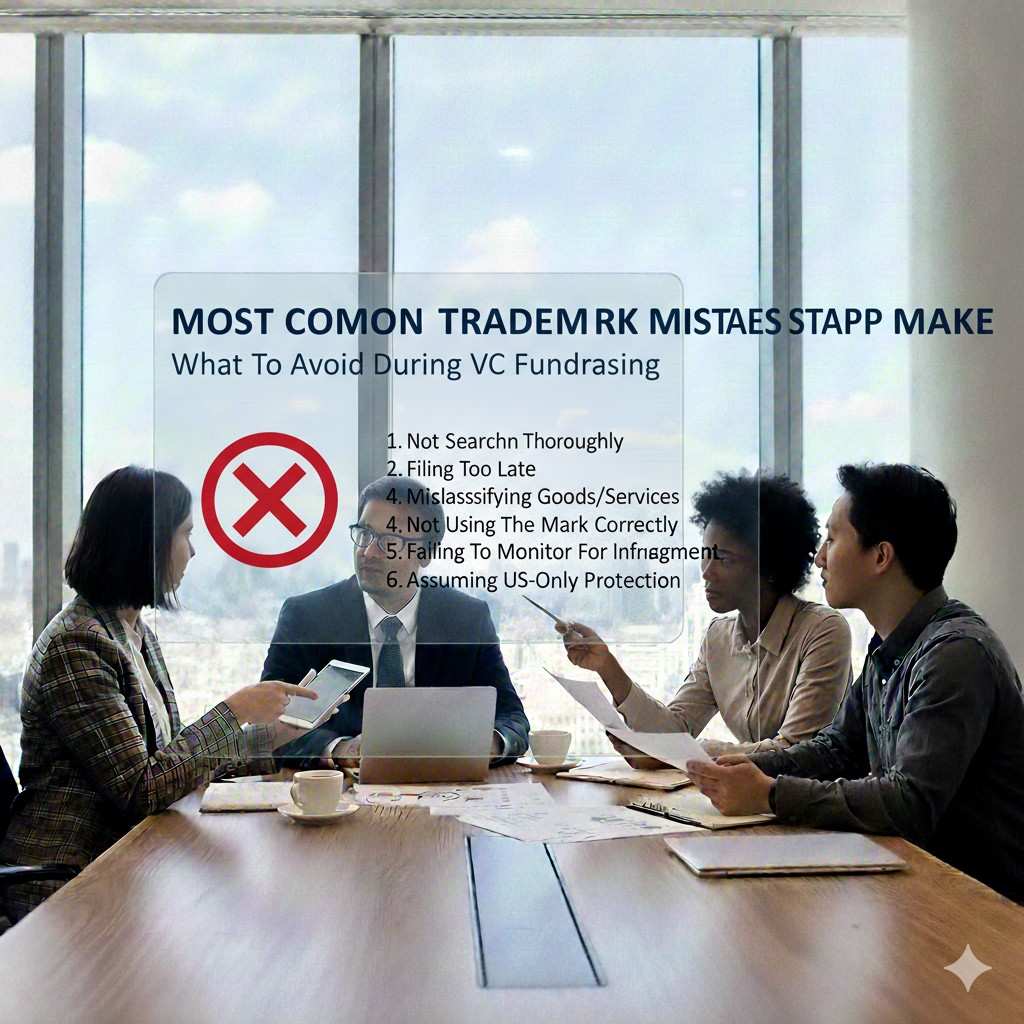
A search engine can miss a lot. It can miss similar spellings. It can miss marks that exist but do not rank in search results. It can miss marks filed but not widely used yet. It can also mislead you, because you might see “no obvious competitor,” and assume you are safe.
Trademark conflicts often come from names that are similar, not identical. If your name sounds the same when spoken, or looks similar on a screen, or sits in the same customer market, the risk can be real even if the spelling differs.
Filing too late, after brand momentum has already built
The later you file, the more you have to lose. You may have users, customers, press, and content ranking on Google. If a conflict shows up, you cannot easily pivot. You also may face a tougher fight if someone else filed earlier.
Early filing does not mean rushing blindly. It means planning the timeline so you are not exposed during fundraising or launch.
Choosing the wrong scope when filing
Some startups file a trademark in a narrow category that does not match what they actually do. Others file broad categories that they cannot support. Both can create problems.
If you file too narrow, you might not be protected where it matters. If you file too broad, you may get rejected or face disputes. The best approach is a thoughtful match between your near-term product and your realistic expansion path.
Trademark Search Basics Before You Spend Money
The goal is to spot red flags early
A trademark search is not about getting a perfect answer in five minutes. It is about reducing risk before you commit. The goal is to catch the obvious conflicts, like a near-identical name in your space, or a similar name used for similar services.
Even a basic search can save you months of pain. But you need to know what to look for and how to think about “similar enough” names.
How to think about “confusingly similar”
Confusion is not only about exact matches. It is about what a customer would think. If two names sound alike when said out loud, that matters. If they look alike on a phone screen, that matters. If they suggest the same idea in the same market, that can matter too.
This is why “different spelling” is not a safe shield. And it is also why “we are in a different niche” might not save you if buyers overlap.
A practical approach founders can use
Start with the names you already know in your space. Then look for near matches. Try common misspellings. Try spacing changes. Try plural forms. Try swapping letters. Try adding “AI,” “labs,” “robotics,” or “systems,” because those add-ons often appear in tech names.
Then check official databases. In the U.S., that means looking at filed marks as well as registered ones. The database search is not hard, but it is easy to misread without context. If you see a similar name in a related category, treat it as a caution sign, not something to ignore.
Filing Strategy for VC-Stage Startups
Start with what investors will care about first
When you raise VC, your company name is usually the first trademark item that matters. Not your tagline. Not your product feature name. The company name is the anchor. It is the name investors will put into their memos, the name customers will search, and the name partners will reference in contracts.
A clean plan often starts with filing for the word mark of your company name. That gives you protection for the name itself, not just a specific design. If your logo changes next year, your name still stays covered.
Decide what you are truly selling today
Trademark filings are tied to what you offer in the market. If you file for something you are not actually providing, you may end up with a fragile position. You do not need to have every future product ready, but you do need to be honest about what your company is putting out into the world right now.
For software startups, this often means describing the service in a way that fits how customers use it. For robotics startups, it often means thinking about the full system: the machine, the control software, and related services like monitoring or maintenance. The description needs to reflect reality, because the trademark is supposed to match the business.
Think in phases instead of trying to cover everything
Many founders either file too little or try to file for every possible path. Both can be costly in different ways. A better approach is to file for the core brand in the category that matches your current offer, then expand later as your product line becomes real.
This phased approach tends to be easier to defend and easier to explain. It also aligns with how most startups actually grow. You start with one clear product, then you widen the scope when the market pulls you there.
If you want guidance on how to stage IP work so it matches fundraising and product timing, Tran.vc helps technical founders do this early, without wasting effort. You can apply anytime here: https://www.tran.vc/apply-now-form/
Timing: When to File So You Don’t Get Stuck
The ideal time is before your public launch gets loud
Once you start getting traction, your name spreads quickly. You show up on podcasts, demo days, newsletters, and social media. That is when copycats notice you, and it is also when older companies might see you and decide your name is too close to theirs.
Filing before the noise gets big can reduce the chance that you get boxed into a rename. It also gives you a cleaner story in diligence, because you can say you have already taken the first step to protect the brand.
How to balance speed with smart checking
Some founders delay filing because they worry about picking the wrong name. Others file fast with no search and hope for the best. The better path is usually quick but careful. You do a solid search, look for dangerous similarities, and then file when the risk feels manageable.
This does not require months. It requires focus. The key is to treat it like other early startup decisions: you gather enough facts to avoid obvious harm, then you move.
Why “we can change later” is not a real plan
In the very early days, renaming might sound easy. But once you have users, investors, and inbound interest, it gets harder each week. Even a small rebrand can cause lost leads and confusion. It can also create awkward conversations with customers who wonder why the name changed.
VC-backed startups move fast. A preventable rename steals speed at the worst moment. Filing at the right time can be a simple way to protect your momentum.
Filing based on intent, then proving use later
A common path is to file based on “intent to use.” This is a way to reserve your place while you finish building and preparing launch. Later, you show evidence that you are actually using the mark in commerce, and the registration can move forward.
Founders like this approach because it gives early protection without requiring a perfect launch on day one. But you still need a plan to reach real use in time and to document it in a way the trademark office accepts.
What counts as evidence
Evidence is usually a real-world example of the mark used in connection with your offering. For software, it can be a live product page where users can sign up or buy. For a physical product, it can be packaging, labels, or a sales page tied to ordering.
The key is that it cannot be just a concept page with no real offer. It needs to show a real connection between your brand name and the thing you provide. If you prepare this early, you can avoid scrambling later.
Choosing the Right Trademark Coverage for a Tech Startup
Software companies often overlook how they describe their service
A lot of software founders describe their product in investor language rather than customer language. Trademarks should reflect the service in a way that matches how the market experiences it. If your product is a platform, you should describe it as such. If it is an AI-based analytics tool delivered online, that should be clear.
This may feel like word-smithing, but it matters. A sloppy description can lead to office actions, delays, or weaker coverage. A clean description helps the process move and makes the rights clearer.
Robotics companies often need a combined view
Robotics is often both hardware and software, and sometimes also a service. You may deliver a robot plus a subscription for monitoring, updates, and fleet management. You may also sell integration support or training.
That mix can influence what you file for and when. If you only file for the robot hardware and ignore the software side, you might be exposed. If you only file for the software and ignore the hardware, you might also be exposed. The right coverage depends on what you are actually shipping and how customers buy it.