Tran VC Content Team

Tran.vc is a small investment fund that gives $50,000 to early-stage startups using AI, software, or robotics in the form of intellectual property rights services. They help technical founders build strong ideas and grow their businesses without needing a lot of outside money. Their team also offers advice, connections, and support to help these startups succeed. The content team at Tran.vc writes with the same intensity and craftsmanship that define the founders they back. Composed of former entrepreneurs, engineers, patent strategists, and operators, the team approaches every piece as a build—starting from first principles, digging into technical depth, and shaping narratives that are as useful as they are clear. They don’t publish quickly or casually; each article is the result of days or weeks of research, interviews with domain experts, countless rewrites, and a ruthless filter for originality and precision.

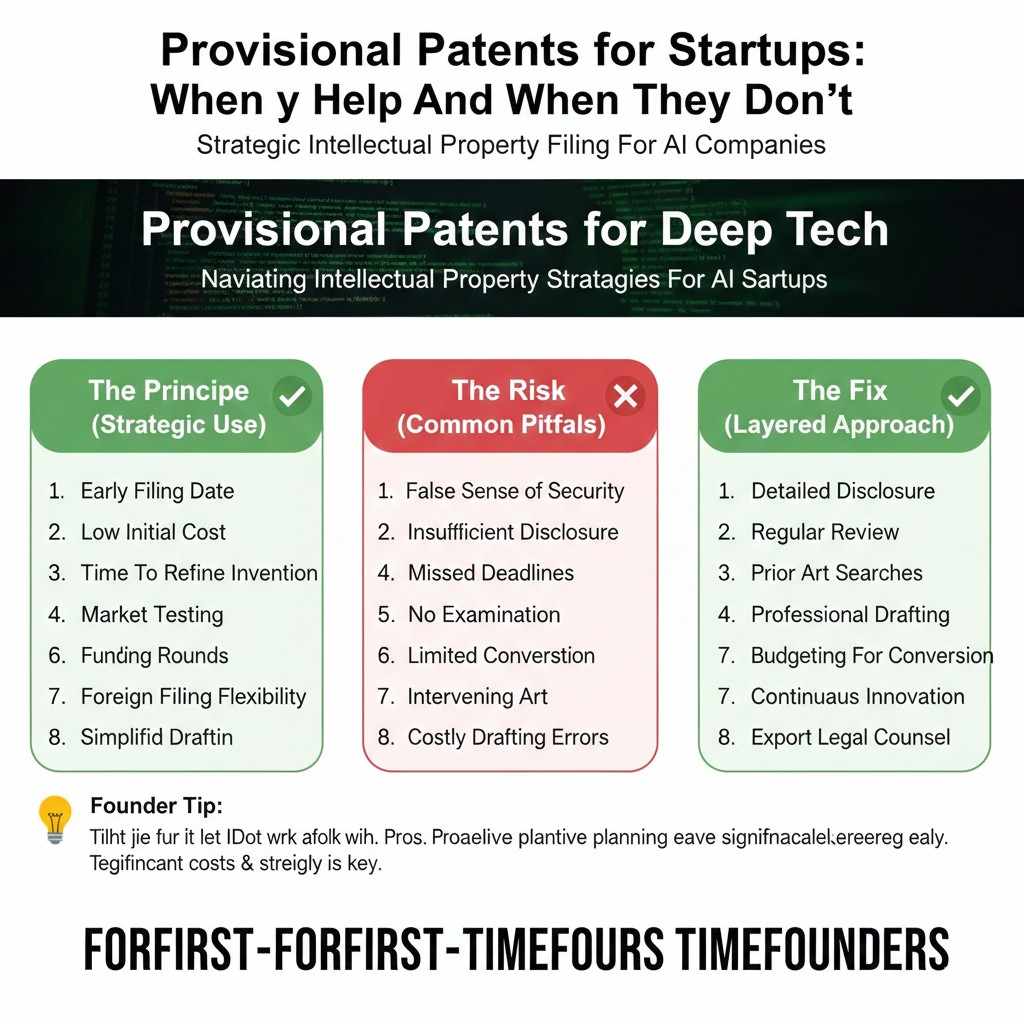
Provisional Patents for Startups: When They Help and When They Don’t

A provisional patent can feel like a safety net. You have something new. You can see the product in your head. Maybe you already built a working demo. Maybe you have real users. Maybe you are about to show it to a big customer or a partner. And someone says, “Just file a provisional. It’s

Provisional Patents for Startups: When They Help and When They Don’t Read More »

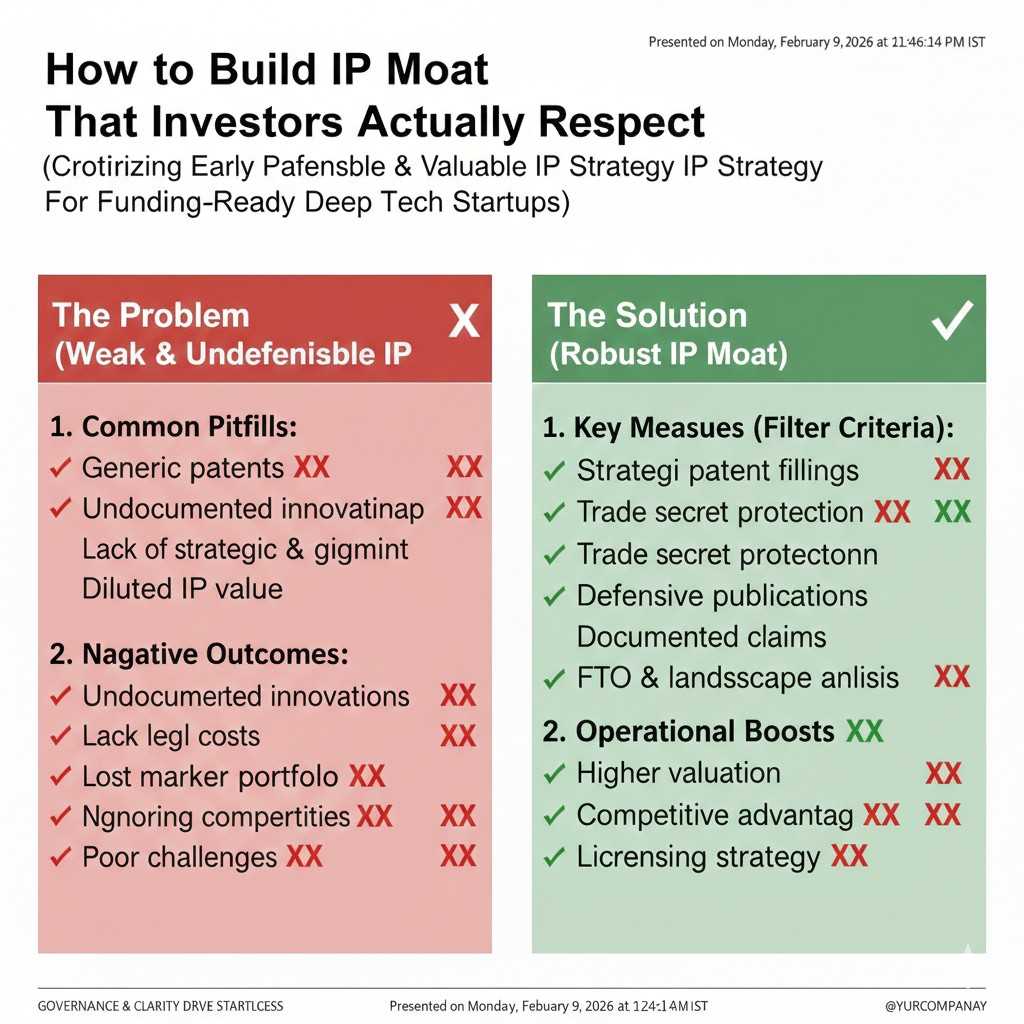
How to Build an IP Moat That Investors Actually Respect

Most founders hear “build a moat” and think it means speed, brand, or a bigger sales team. But in deep tech—AI, robotics, sensors, edge systems, novel hardware—investors also look for something quieter and harder to copy. They look for proof that what you built is yours. Not “yours” because you wrote the code first. Not

How to Build an IP Moat That Investors Actually Respect Read More »

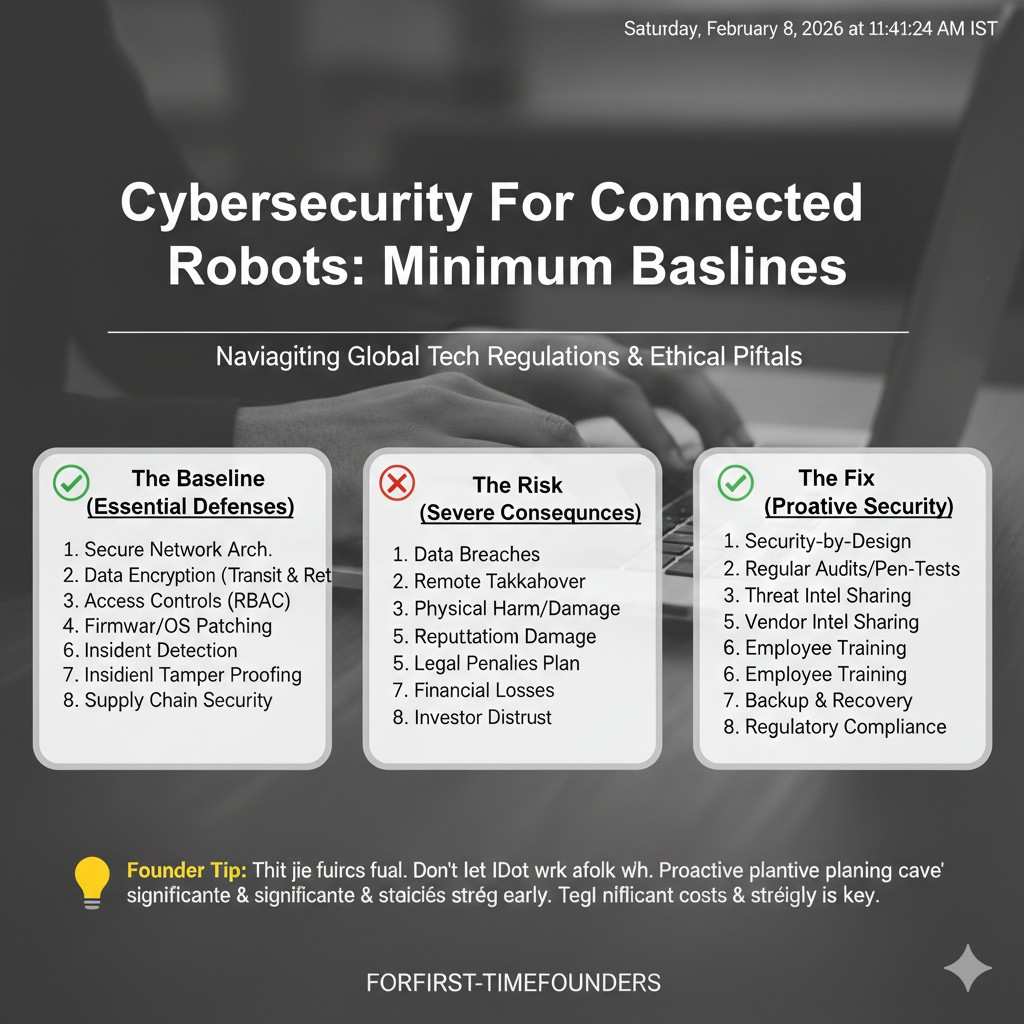
Cybersecurity for Connected Robots: Minimum Baselines

Connected robots are amazing. They can move goods, clean floors, help in hospitals, scan farms, and work in places humans should not. But the moment a robot connects to Wi-Fi, LTE, or the internet, it becomes a target. Not because your team is careless, but because attackers love anything that has sensors, motors, cameras, and

Cybersecurity for Connected Robots: Minimum Baselines Read More »

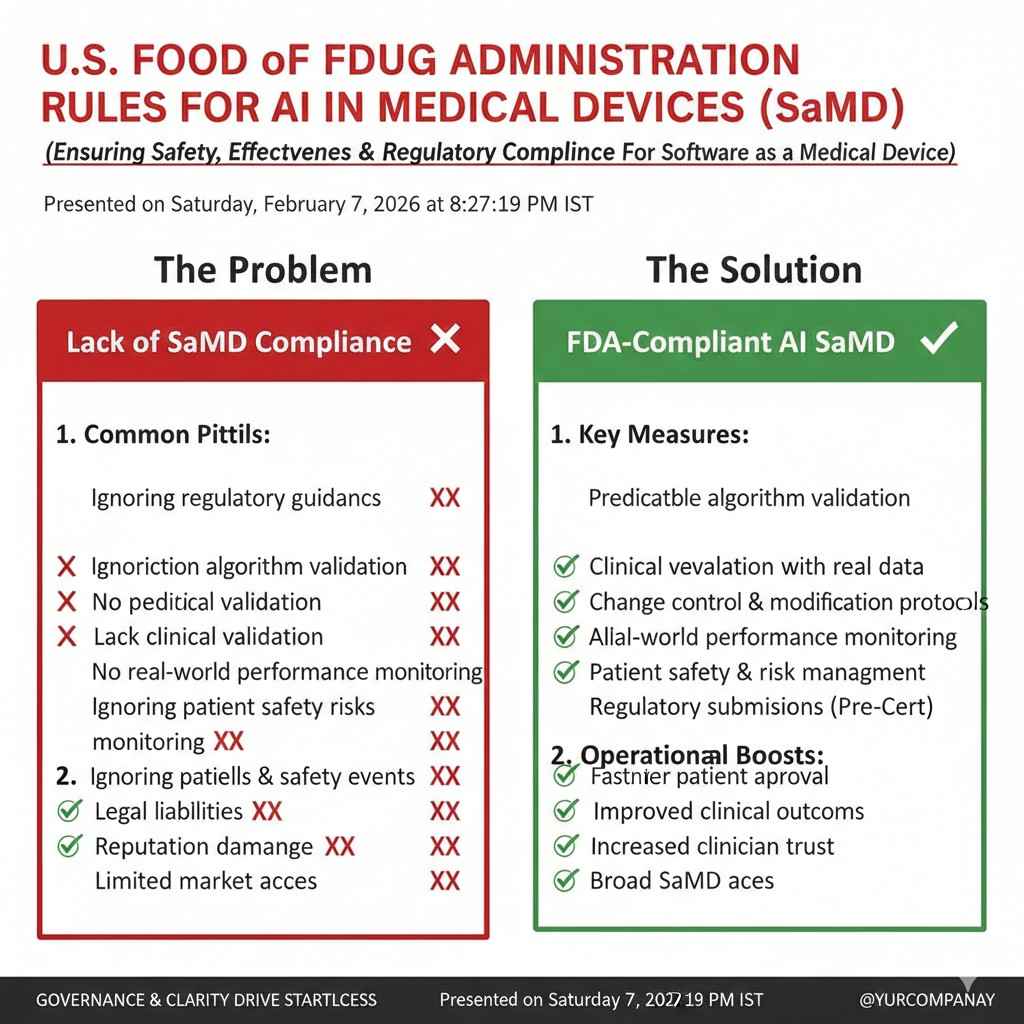
U.S. Food and Drug Administration Rules for AI in Medical Devices (SaMD)

AI is moving into hospitals fast. It reads scans, flags risks, guides doctors, and watches patients from afar. But in the U.S., you cannot ship AI for health care just because it “works.” If your software helps diagnose, treat, prevent, or even guides a clinical decision, the Food and Drug Administration (FDA) may treat it

U.S. Food and Drug Administration Rules for AI in Medical Devices (SaMD) Read More »