
Most pre-seed founders do not fail because their idea is bad.
They fail because no one understands it.
Your pitch deck is not just slides. It is your first test. Can you explain what you are building in a way that makes someone lean forward and say, “Tell me more”?
At the pre-seed stage, investors are not buying revenue. They are buying belief. They are betting on your mind, your clarity, and your edge. If your deck is confusing, messy, or full of noise, you lose the meeting before it even starts.
This guide will show you how to build a pre-seed pitch deck that gets meetings. Not likes. Not polite replies. Real meetings.
And if you are building in AI, robotics, or deep tech, this matters even more. Hard tech needs clear thinking. It needs proof. It needs a moat. That is where many decks break.
At Tran.vc, we work with technical founders at the very start. Many come to us with strong code and weak stories. Once we fix the story, doors open. Once we build IP around the tech, investors listen.
If you want to build a company that raises with leverage, not stress, you can apply anytime here:
https://www.tran.vc/apply-now-form/
Now let’s begin with the real purpose of your pre-seed deck.
The Real Goal of a Pre-Seed Deck
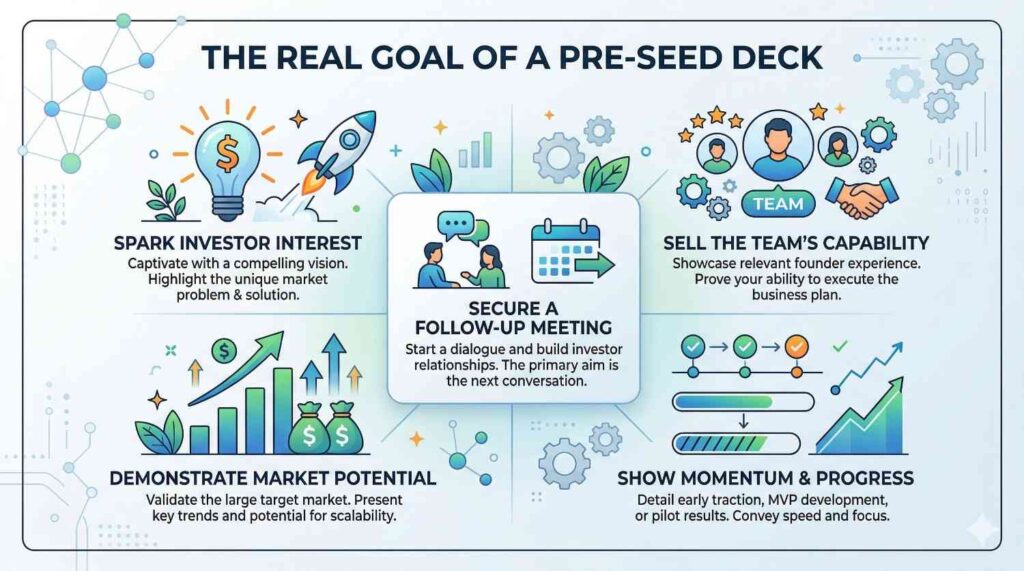
Your goal is not to raise money from the deck alone.
Your goal is to get a meeting.
That is it.
If you try to answer every question in the deck, you will overload it. If you try to impress with too much detail, you will lose attention.
At pre-seed, investors want three simple things:
They want to know the problem is real.
They want to know your solution is sharp.
They want to know you are the right team to build it.
Everything else supports those three points.
Think of your deck as a guided path. You are walking someone from confusion to clarity in under ten minutes. Every slide should move that story forward. If it does not, remove it.
Founders often make one big mistake here. They build the deck for themselves. They add every feature. Every model detail. Every chart. Every line of thought.
But investors are not living in your head.
They see hundreds of decks each month. They scan fast. They judge fast. They decide fast.
Your deck must respect that.
Start With the Problem — But Make It Sharp
Most decks say something like this:
“Small businesses struggle with automation.”
That is too soft.
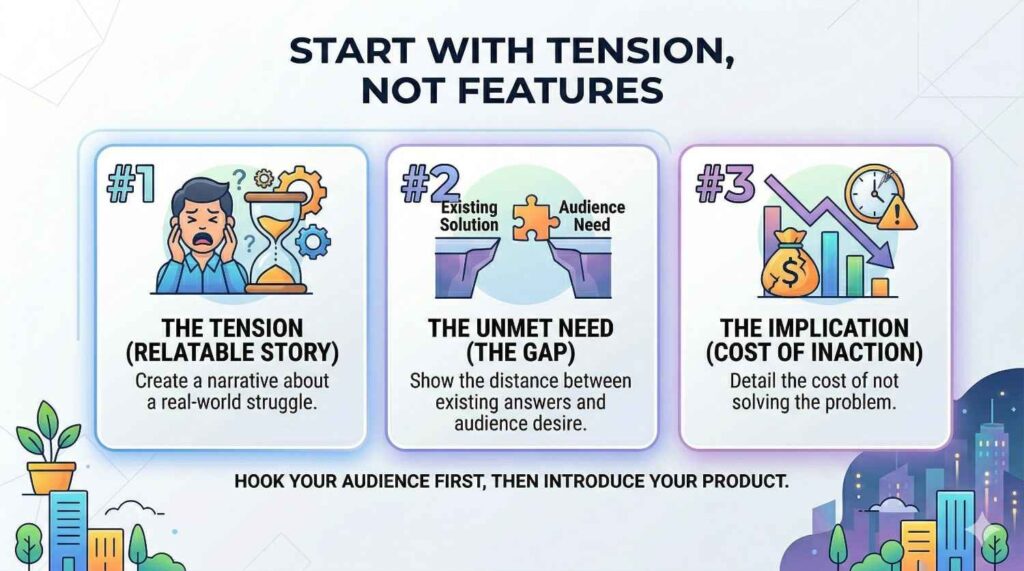
Investors need to feel pain. They need to see cost. They need to see urgency.
A better version sounds like this:
“Small factories lose 18% of output each year because they cannot afford custom robotics.”
Now we have something.
It is clear. It is specific. It is costly.
If you are building in AI, do not say “Companies need better data tools.” That means nothing. Show the gap. Show the waste. Show the risk.
If you are building robotics, show the labor cost. Show the safety risk. Show the production delay.
The stronger the problem, the easier the rest becomes.
Spend time here. Do not rush this slide. Ask yourself:
Who feels this pain the most?
How often does it happen?
What does it cost them each year?
What happens if they do nothing?
You want the investor to nod before you even show your product.
When we work with founders at Tran.vc, we often rewrite this slide many times. Not because the idea is weak, but because clarity wins. When your problem is sharp, investors trust that you understand the market deeply.
Clarity builds trust.
Now Show the Shift
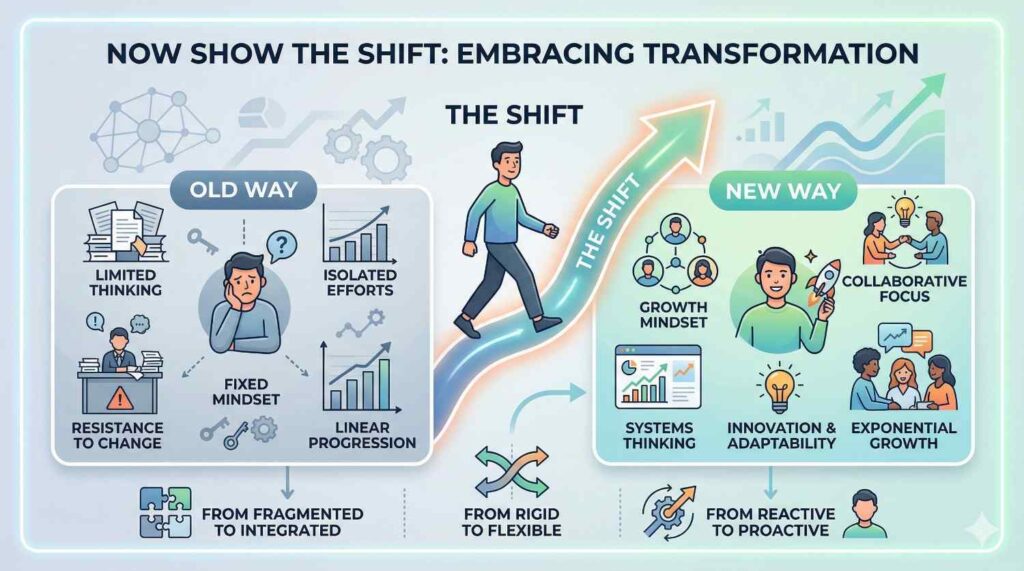
After the problem, you must show that the world is ready for change.
This is where you explain why now.
Why did this problem not get solved five years ago?
What has changed?
Maybe new chips made edge AI cheaper.
Maybe new laws changed compliance rules.
Maybe labor costs have doubled.
Maybe data is now easier to access.
Timing matters more than most founders think.
Even a strong idea can fail if the market is early. Investors know this. They are always asking in their heads: “Why now?”
Do not assume they see what you see.
Spell it out simply.
You want them to feel that the wave is forming. And you are positioned right in front of it.
Then Show Your Solution — But Keep It Clean
This is where many decks become messy.
Founders want to explain everything.
Resist that urge.
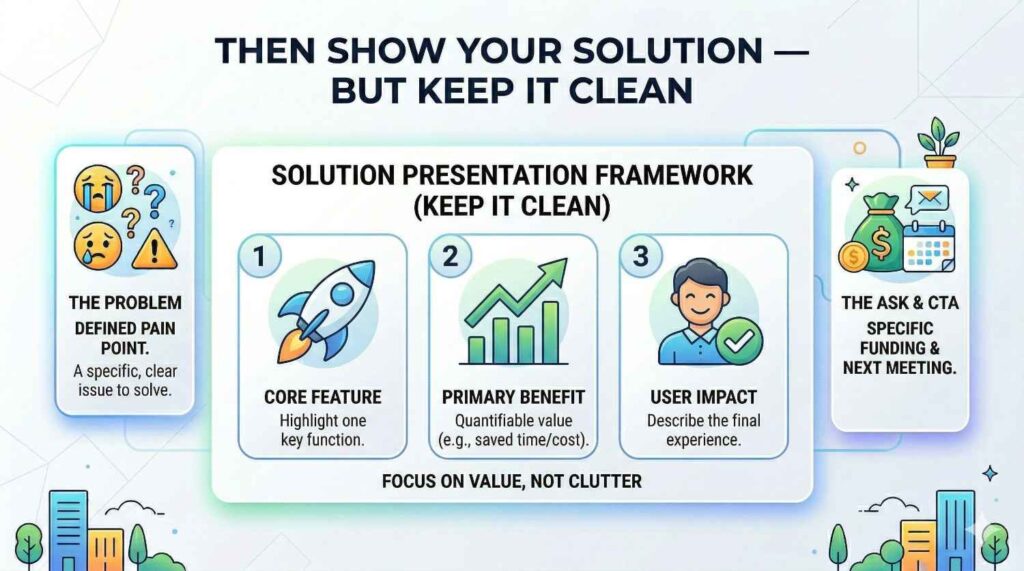
At pre-seed, your job is to explain the core idea in one clean sentence.
Not three paragraphs.
Not a wall of text.
One strong sentence.
For example:
“We build modular AI-powered robotic arms that small factories can install in one day without custom coding.”
That is clear.
Now the investor understands what you do.
Then you can add one visual. A product image. A simple diagram. A clean flow.
No crowded slides. No tiny fonts. No long blocks of text.
If your solution needs deep technical detail, save that for the meeting. Your deck should spark interest, not overwhelm.
Remember, you are not writing a research paper. You are starting a conversation.
Show Why It Wins
Now we get to the part most founders underestimate.
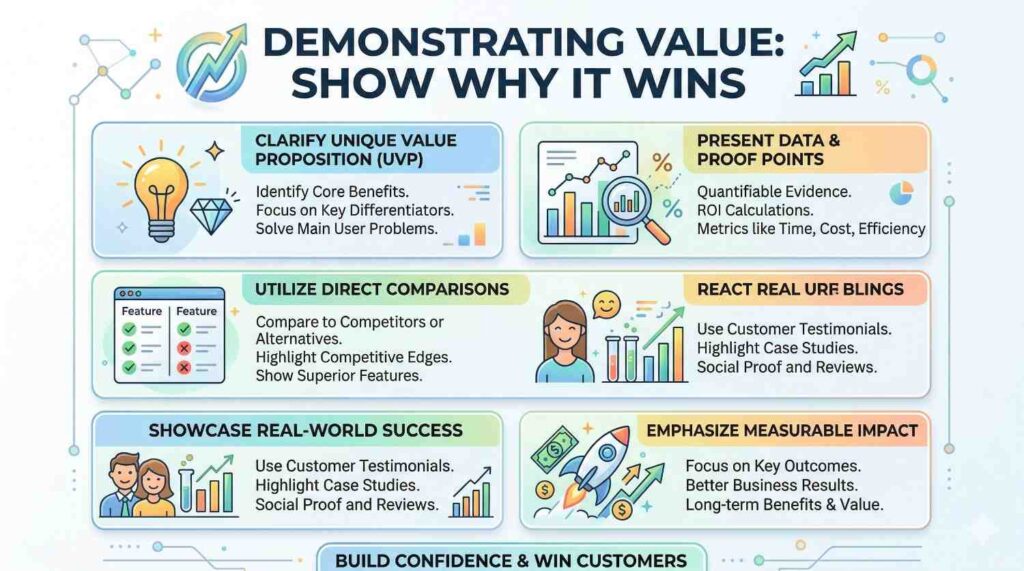
Why can you win?
This is not the same as “why is your product good.” It is about defensibility.
If someone funds you, what stops a bigger player from copying you?
If your answer is “we move fast,” that is weak.
If your answer is “we have strong community,” that is soft.
For deep tech founders, this is where IP matters.
Patents are not just legal tools. They are signals. They show investors you are building real assets.
They show that you are not just shipping code. You are building ownership.
At Tran.vc, this is where we lean in. We help founders shape patent strategy early. Before seed. Before big marketing pushes. Because once your core tech is protected, your pitch changes.
Instead of saying “we built a model,” you say, “we filed patents around our training method and hardware design.”
That changes the room.
Your defensibility slide should explain what is hard to copy. It can be technical depth. It can be unique data access. It can be patent filings. It can be deep domain skill.
But it must be real.
Investors are trained to smell weak moats.
Keep Traction Honest
At pre-seed, traction is often light. That is okay.
You do not need big revenue.
But you do need proof of motion.
Have you built a prototype?
Have users tested it?
Do you have letters of intent?
Are design partners signed?
Have you filed provisional patents?
Show progress.
Even small wins matter.
A founder with a working demo and two pilot users is stronger than a founder with slides only.
If you are still early, show speed. Show that you built version one in six weeks. Show that three factories agreed to test it. Show that you spoke to fifty users before building.
Momentum builds belief.
And belief gets meetings.
Make the Team Slide Count
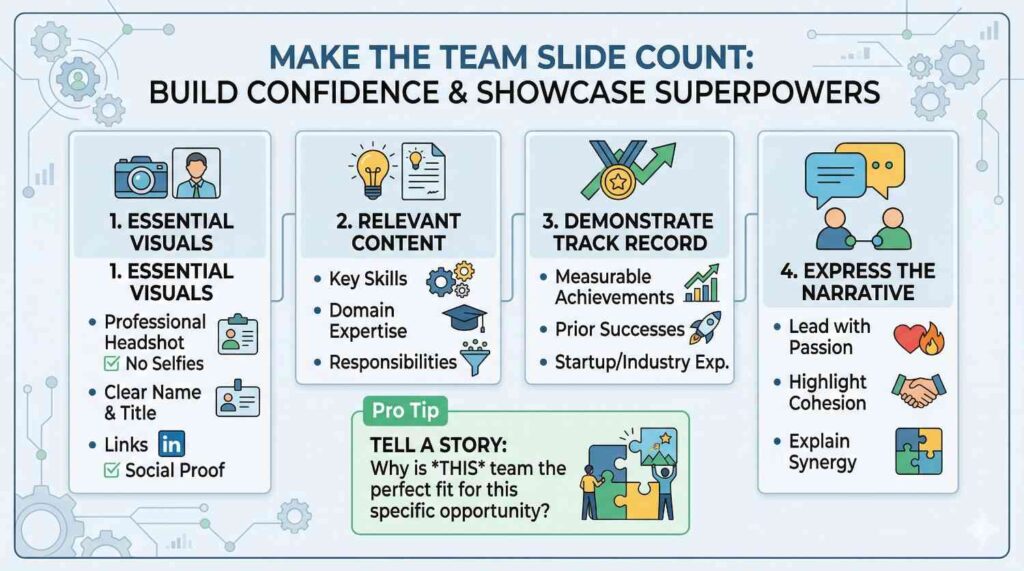
At pre-seed, team often matters more than traction.
Investors are betting on people.
Your team slide should not be a resume dump. It should show fit.
Why are you the right person to solve this?
Did you work in the industry?
Did you build similar systems before?
Did you ship hard tech before?
If your background is technical, show depth. If your co-founder knows the market deeply, show that connection.
If you are solo, be honest. But show how you plan to fill gaps.
One strong sentence under each name is enough. Focus on what connects directly to this problem.
You want the investor to think, “They understand this space better than anyone.”
The Market Slide — Stay Grounded
Many founders inflate numbers here.
They show a giant market worth billions and say, “If we capture one percent, we win.”
Investors have seen this slide too many times.
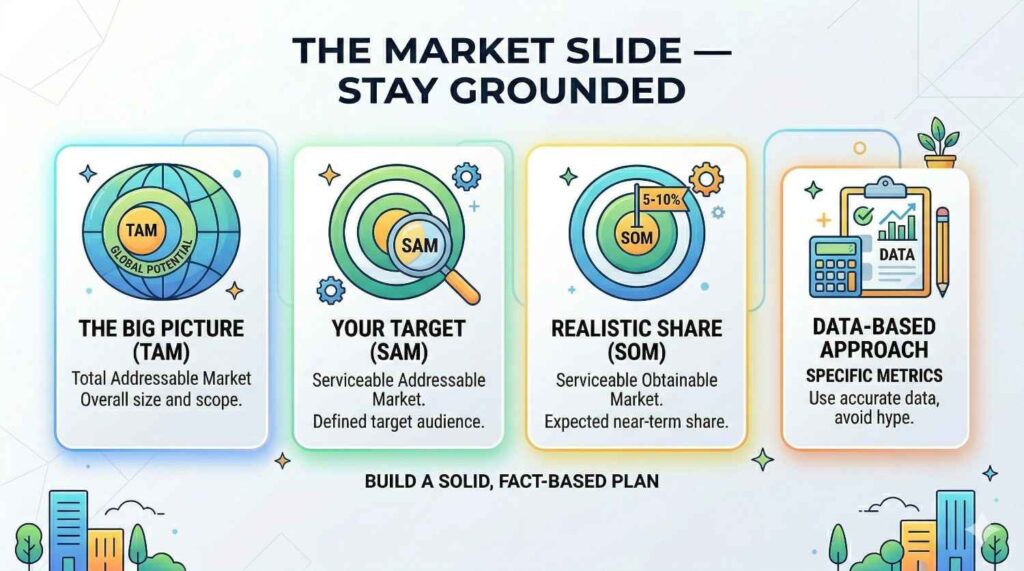
Instead, show a clear starting point.
Who is your first customer?
How many of them exist?
What do they pay today for current solutions?
Start small. Be real.
If you are building robotics for mid-sized warehouses in the US, show how many exist. Show average spend. Show how you reach them.
Precision beats hype.
Design Matters More Than You Think
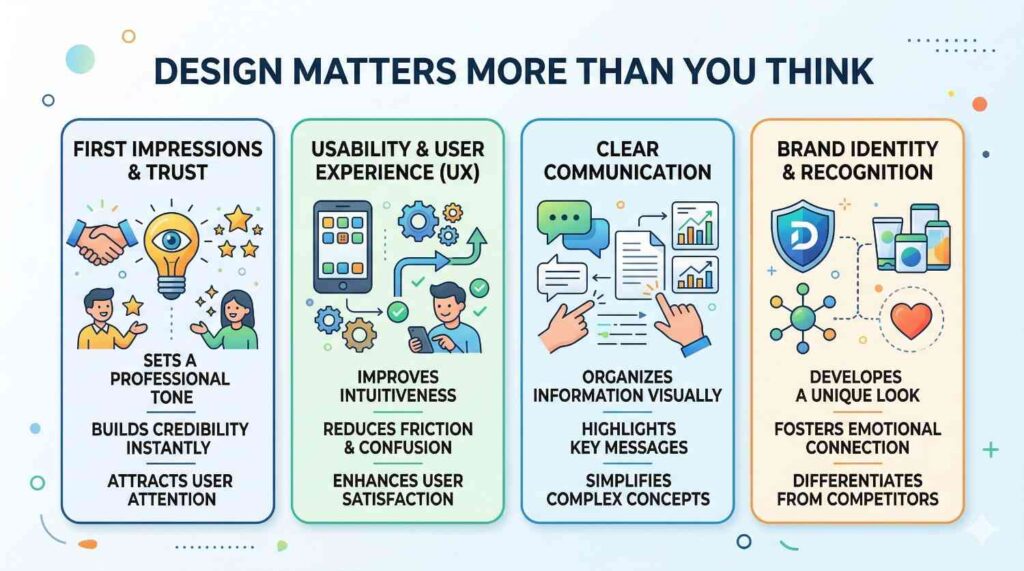
A messy deck signals messy thinking.
Keep slides clean.
Use simple fonts.
Use large text.
Use white space.
One idea per slide.
If your slide looks crowded, cut half of it.
Investors often read decks on phones. If they cannot read it easily, they move on.
Clarity is respect.
End With a Clear Ask
Do not make investors guess what you want.
State clearly how much you are raising.
State what you will use it for.
State what milestones you will hit.
For example:
“We are raising $750,000 to complete our beta units, file two core patents, and deploy pilots with five factories.”
Now it is clear.
If you are raising pre-seed and building deep tech, think carefully about how IP fits into your roadmap. Strong patent strategy early can increase your leverage in the next round.
If you want help shaping that from day one, you can apply here:
https://www.tran.vc/apply-now-form/
Tran.vc invests up to $50,000 in in-kind patent and IP services for AI, robotics, and deep tech founders. We help you turn raw invention into protected assets before you raise big rounds.
That changes your story.
That changes your power.
Crafting a Story Investors Can Follow
Why Story Flow Matters More Than Slide Order
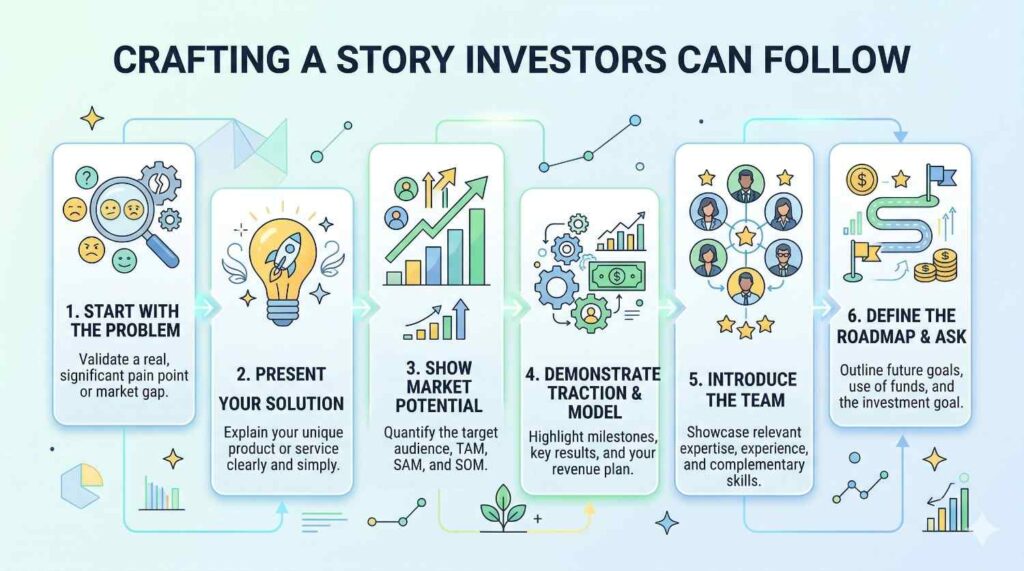
Most founders think a pitch deck is a checklist.
Problem. Solution. Market. Team. Ask.
But investors do not remember checklists.
They remember stories.
If your slides feel disconnected, your idea feels weak.
Even if your tech is strong.
A strong story moves like this:
There is pain.
The pain is growing.
Old tools do not work.
A new shift is happening.
You built the answer.
You are the right team.
Now is the time.
Each slide should feel like the next logical step.
The investor should never feel lost.
When we review decks at Tran.vc, we often see strong ideas buried under poor flow.
The founder knows the idea deeply.
But the slides jump too fast or explain things out of order.
Your job is to guide attention.Slowly. Clearly.
Start With Tension, Not Features
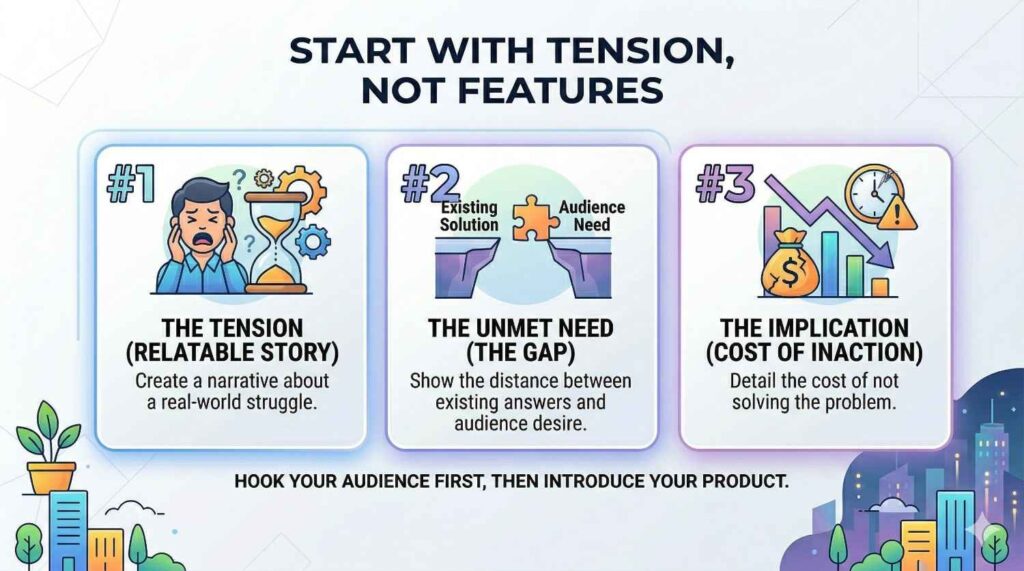
The opening slides must create tension.
Not excitement. Not hype.
Tension.
Tension makes someone curious.
For example, if you are building AI for fraud detection, do not begin with your model accuracy.
Begin with the cost of fraud.
Show how much money is lost.Show how current tools miss hidden patterns.Show how risk teams are overwhelmed.
Make the investor feel the pressure.Once tension is clear, your solution feels needed.Without tension, your product feels optional.
Control the Pace of Information
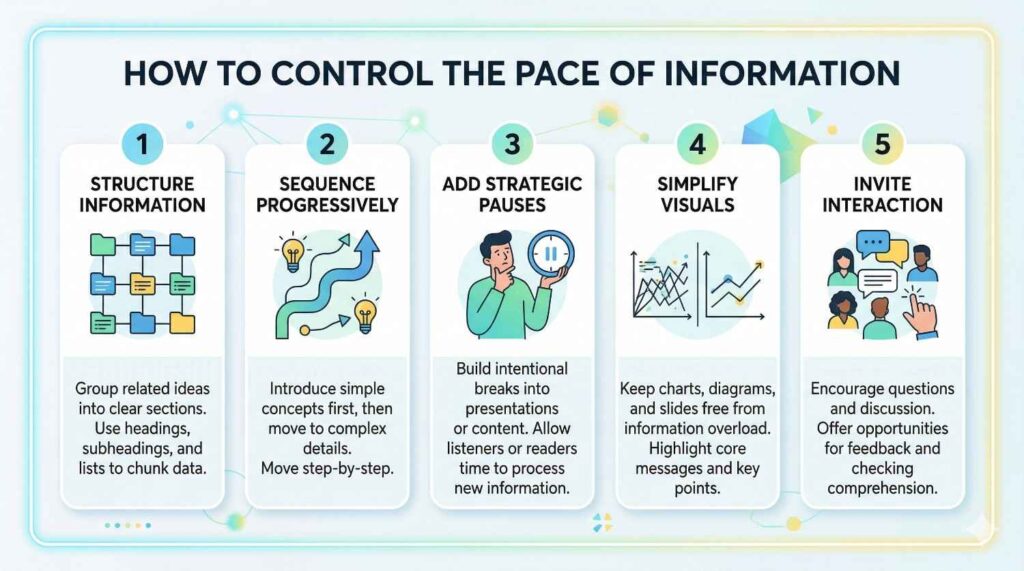
Many technical founders overload early slides with detail.
They explain architecture, data layers, and system logic too soon.
This creates friction.
At pre-seed, investors are not checking your code.
They are checking your thinking.
First, help them understand the outcome.Then explain the engine behind it. Think of your deck like steps up a staircase. If the steps are too tall, people stop climbing.
Keep each step small.
Clear.
Intentional.
Showing Technical Depth Without Losing Attention
Translate Complexity Into Value
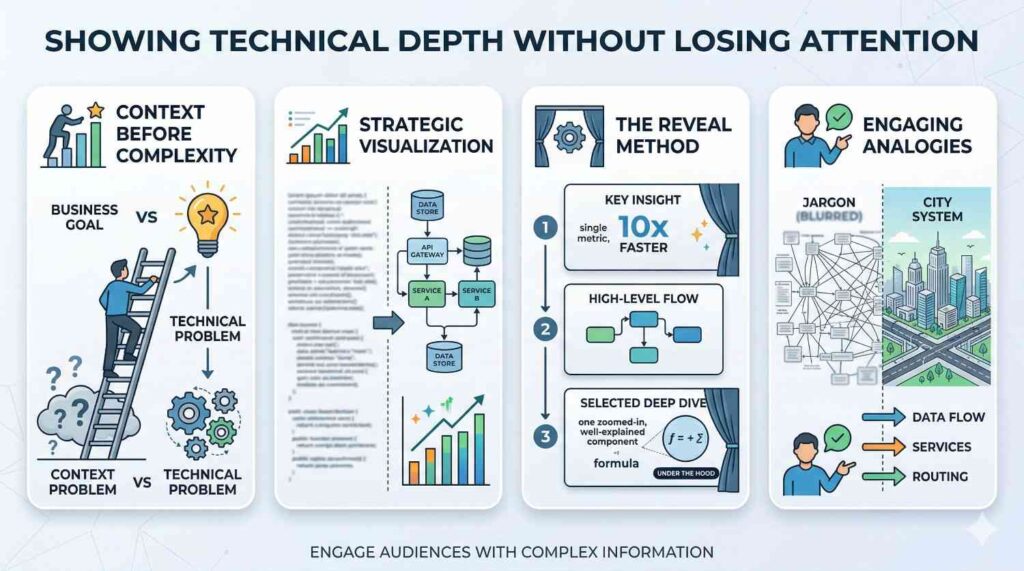
If you build in AI, robotics, or hard tech, your work is complex.
That is good. Complexity can create moats.
But do not confuse complexity with clarity.
Instead of explaining your neural network layers, explain what that design allows you to do that others cannot.
For example, rather than saying your model uses a new training structure, explain that it reduces compute cost by 40 percent and runs on lower-cost hardware.
Now investors understand impact.
Technical depth should always connect to advantage.
If it does not lead to advantage, it becomes noise.
Use Visual Simplicity
A simple diagram can replace five paragraphs.
But it must be clean.
If your slide looks like a research paper screenshot, it will be skipped.
Use boxes. Use arrows.
Show flow.
Keep labels short.
When investors review decks on phones or laptops between meetings, they scan.
Make scanning easy.
At Tran.vc, we often help founders reshape technical slides.We keep the insight.
We remove the clutter.
Strong IP strategy also supports technical credibility.
When you show that you have filed patents around core systems, investors see commitment.
You are not just experimenting.
You are building ownership.
If you want help shaping that foundation early, you can apply here:
https://www.tran.vc/apply-now-form/
Separate What Is Novel From What Is Standard
Investors assume some parts of your system are standard.
That is normal.
You do not need to explain common tools or common frameworks.
Instead, highlight what is truly new.
What part of your system is unique? What part did you design from scratch? What part is defensible?
Draw attention to that.
The clearer you are about what is novel, the easier it is for investors to understand your moat.
Silent Mistakes That Kill Meetings
Being Too Broad
If your deck says your product serves “all businesses” or “every warehouse,” it feels unrealistic.
Investors want focus.
At pre-seed, narrow markets are fine.
What matters is depth, not width.
When you show clear understanding of one segment, it builds confidence.
It shows discipline.
You can expand later.
Hiding Weak Spots
Some founders try to avoid hard questions by skipping risk areas in their deck.
This often backfires.
Investors are trained to look for gaps.
If they sense avoidance, trust drops.
Instead, show awareness.
If hardware production is complex, explain how you plan to manage supply chain risk.
If regulation is a factor, explain your path to compliance.
Confidence grows when founders show they understand obstacles.
Overclaiming Results
At pre-seed, honesty is power.
If your pilot is small, say it clearly.
If your prototype is early, explain what is left to build.
Do not inflate numbers.
Experienced investors check references.
They speak with customers.
Trust once lost is hard to rebuild.
Designing Slides That Invite Conversations
Keep Text Light But Meaningful
Avoid crowded paragraphs on slides.
Each slide should deliver one clear insight.
Short phrases are fine.
But they must be meaningful.
For example, instead of writing “Large market opportunity with strong growth potential,” write specific numbers tied to your target segment.
Specific language builds authority.
Use Data to Build Belief
Data does not need to be complex.
It needs to be relevant.
If you spoke with thirty warehouse managers and twenty-two confirmed the same pain point, say that.
If you built a prototype in eight weeks and reduced task time by 25 percent, show that.
Real data builds belief faster than bold claims.
Belief leads to meetings.
Positioning Your Raise With Strength
Show Clear Use of Funds
When you ask for capital, show intention.
Explain what milestones you will reach.
Tie each milestone to risk reduction.
For example, filing patents reduces copy risk.
Completing pilots reduces product risk.
Hiring a key engineer reduces execution risk.
Investors want to see progress toward de-risking the company.
Align Your Raise With Long-Term Control
At pre-seed, valuation and ownership matter.
If you raise too early without protection around your core tech, you may lose leverage later.
Strong IP built early can increase confidence and protect your position in future rounds.
Tran.vc focuses exactly on this stage.
We invest up to $50,000 in in-kind patent and IP services to help deep tech founders secure their core assets early.
Instead of rushing to raise on raw slides, you build a protected base.
That changes how investors see you.
It shifts you from idea-stage to asset-backed founder.
If you are building in AI, robotics, or deep tech and want that edge, you can apply here:
https://www.tran.vc/apply-now-form/