
Credibility is the quiet force that makes people lean in. It helps investors take your call, customers trust your roadmap, and future teammates bet their time on you. The good news is you do not need fame, a big title, or a huge round to earn it. You can build credibility step by step, with choices you control.
If you want to build real trust early, Tran.vc can help you do it the right way with IP and patent support (up to $50,000 in-kind), so your work looks serious, protected, and investable. You can apply anytime here: https://www.tran.vc/apply-now-form/
How to Build Credibility as a Technical Founder
Credibility is the quiet force that moves deals forward

Credibility is what makes people take you seriously before they fully understand your product. It helps investors trust your plan, customers trust your delivery, and strong builders trust you with their time. You do not need a famous background or a big fundraise to earn it. You can build it through the way you communicate, the way you execute, and the way you protect what you build.
Tran.vc helps technical teams build credibility early by turning real work into real assets through patents and IP support worth up to $50,000 in-kind. If you want help building trust the right way, you can apply anytime at: https://www.tran.vc/apply-now-form/
Why technical founders often feel overlooked
Many technical founders can build fast, solve hard problems, and ship real systems. Still, they sometimes get treated like they are “just experimenting.” This happens because most people cannot judge code quality, model design, or system safety by looking at it. They judge what they can see and what they can measure in a short time.
So they look for signals that the company is real. They look for clear proof, steady progress, and a founder who understands the business side. If those signals are missing or unclear, they assume the risk is too high, even when the tech is strong.
The true meaning of credibility in a startup
Credibility is proof plus clarity. Proof means you can show real work, real results, or real learning. Clarity means you can explain what the work means, why it matters, and what happens next. A founder can have great proof and still struggle if they cannot explain it in simple words.
When proof and clarity are together, you become easier to trust. People stop guessing and start believing. They can see what you are doing and how you think. That is the moment when credibility starts compounding.
Apply the audit mindset from day one
A simple way to build credibility is to behave as if your company will be audited by a smart outsider. That person is not trying to attack you. They just want to confirm the story matches the facts. When you build with that mindset, you naturally create records, evidence, and clean explanations.
You document key decisions, track results, and share progress without drama. You show risks instead of hiding them. Over time, people notice that you are steady, not slippery. Steady founders earn trust faster.
Build small trust before you ask for big trust
Many founders ask for big trust too early. They ask for funding, pilots, or key hires while the story still depends on hope. That makes people nervous. Instead, earn smaller trust first, then grow into larger asks.
Small trust looks like a demo that works without excuses, a clear problem story, and a roadmap that makes sense. It looks like honest limits, clear next steps, and proof that you can deliver on what you promise. Once that is in place, bigger trust becomes a natural next step.
Your first credibility asset is a one-page truth
A technical founder needs one page that explains the business in plain language. This is not a pitch deck and not a long document. It is a simple “truth page” that can be shared quickly and read in a few minutes. It should match reality and feel grounded.
It should explain what you build, who it is for, what pain it solves, and why your approach is different. It should also state what you have done so far and what you will do next. The goal is not to impress. The goal is to remove confusion and create alignment.
If you want a clean way to strengthen this page, add a short section called “What changed this month.” Write a few lines about what you learned, what you built, and what you dropped. This creates a visible track record of progress, and that track record builds trust.
Your second credibility asset is a demo that feels safe
A lot of technical founders show demos that are impressive but fragile. They need special setup, special hardware, or perfect conditions. When the demo feels fragile, the viewer feels risk. Even if the technology is advanced, the experience reduces trust.
A credible demo feels safe. It starts quickly, shows one clear outcome, and follows a simple path. It does not require the viewer to imagine too much. It also fails in a calm way if something goes wrong. For AI and robotics, safety and reliability matter even more, so the demo should feel stable and controlled.
A practical approach is to build two demos. One is the “always works” demo that shows the core value in a clean flow. The second is the deeper demo for technical buyers or technical investors. The mistake is showing the deep demo first and losing the room before they understand the value.
How to Build Credibility as a Technical Founder
Credibility grows when your thinking is visible
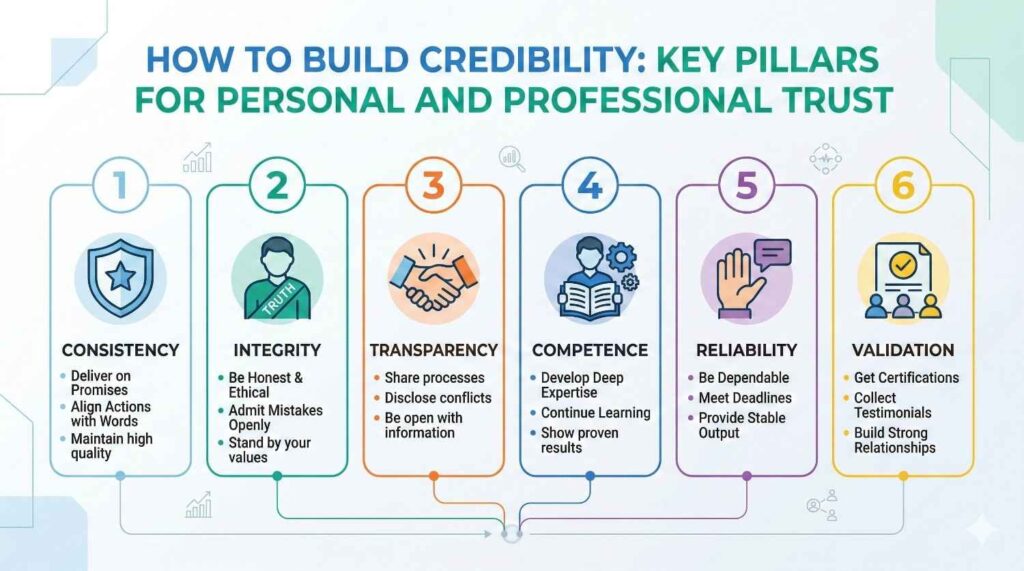
People trust founders who show how they think, not just what they build. When your reasoning is visible, others feel they understand you. This reduces fear and increases confidence. You do not need to share everything, but you should share enough to show your logic and judgment.
This can be done through short updates, simple write-ups, or calm explanations during calls. When you explain why you chose one approach over another, people see discipline. When you explain trade-offs, they see maturity. Over time, this creates a strong sense that you are in control of the problem.
Clear communication matters more than perfect language
You do not need fancy words to sound smart. In fact, simple words often sound more confident. Many technical founders lose credibility by over-explaining or using terms that only experts understand. This creates distance instead of trust.
When you explain your work as if you are talking to a smart friend from a different field, you become easier to follow. This shows respect for the listener and control over your own knowledge. If you truly understand something, you can explain it simply without losing meaning.
Progress updates are quiet credibility builders
One of the most effective ways to build credibility is to share consistent progress updates. These updates do not need to be long or polished. They need to be honest and regular. Over time, they show momentum and reliability.
A good update explains what moved forward, what slowed down, and what you learned. It also states what you will focus on next. When people see this pattern repeat month after month, they start trusting your ability to execute, even if the product is still early.
Learning publicly builds trust faster than pretending
Early-stage startups are full of unknowns. Founders who pretend to have all the answers often lose trust once reality shows up. Founders who show learning build trust faster because they feel real and grounded.
When you share what did not work and what you learned from it, you show honesty and growth. This does not weaken your position. It strengthens it. Investors and partners know that strong founders adapt. Showing learning signals that you can adjust without breaking.
Your roadmap is a credibility signal
A roadmap is not a promise of dates. It is a map of thinking. A strong roadmap shows that you understand the order of problems and the reason behind that order. It shows that you are not building randomly.
A credible roadmap explains what you are building now, what comes next, and what depends on what. It also explains why certain things are delayed. When your roadmap matches your updates over time, people begin to trust your planning and judgment.
Credibility comes from saying no
Saying yes to everything makes you look unsure. Saying no with clear reasons makes you look focused. Focus is a strong credibility signal, especially for technical founders who can build many things.
When you say no to features, partnerships, or shortcuts that do not align with your core goal, you show discipline. People trust founders who protect their time and attention. It signals that you know what matters and what does not.
Protecting your work makes you look serious
One of the fastest ways to lose credibility is to build valuable technology and treat it casually. If your work can be copied easily, people assume it will be. This makes investors and partners nervous, even if they like the product.
When you show that you are thinking about patents, ownership, and long-term protection, you signal seriousness. You show that you are not just building for today but planning for tomorrow. This is especially important in AI, robotics, and deep tech, where copying is common.
Tran.vc helps founders turn real technical work into protected assets through patent strategy and filings. This support, worth up to $50,000 in-kind, helps founders look prepared and investable early. You can apply anytime at: https://www.tran.vc/apply-now-form/
IP is not about fear
IP is not about fear, it is about leverage
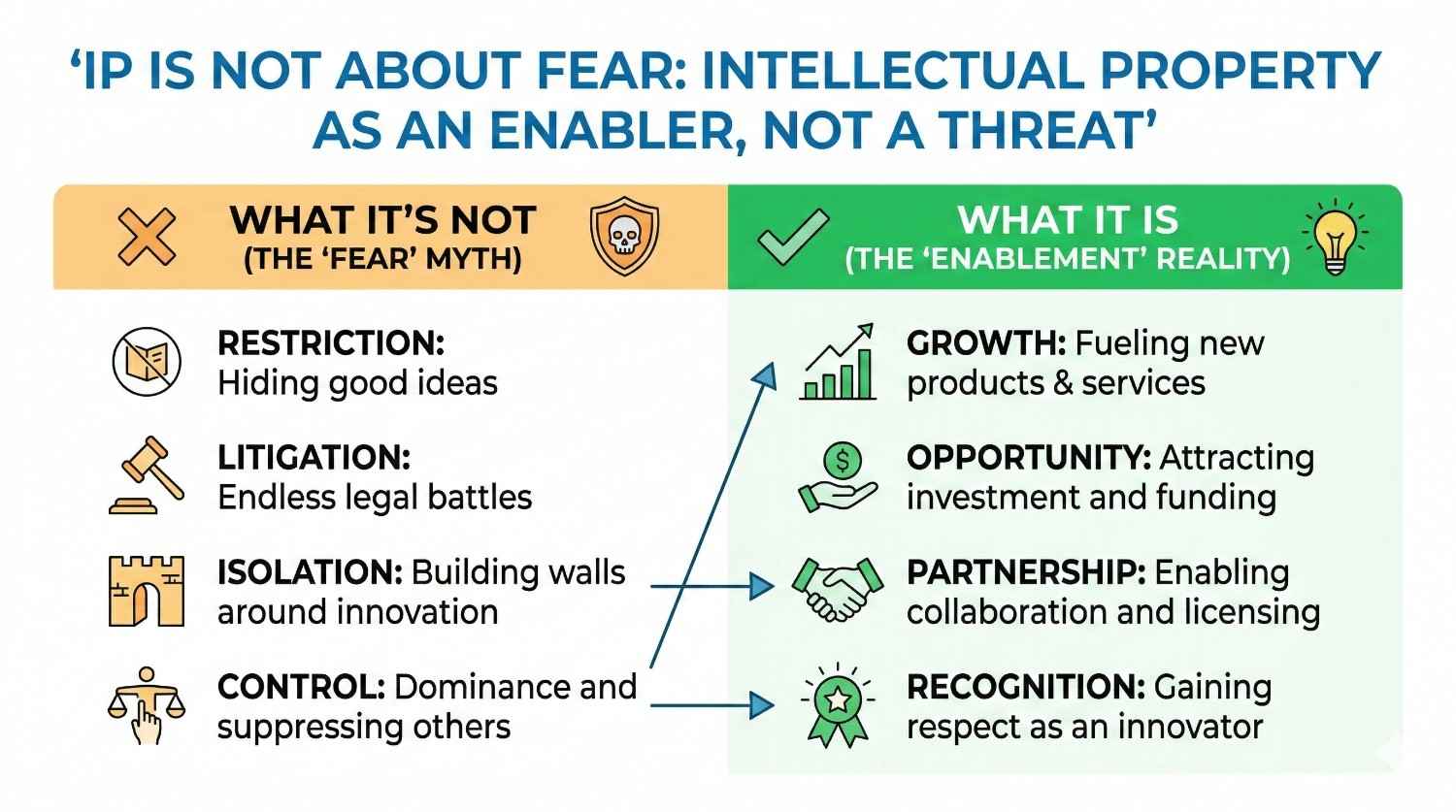
Many founders avoid patents because they think it is too early or too complex. In reality, early IP work is about clarity, not fear. It forces you to define what is unique and what is defensible.
When you can explain your core invention clearly enough to protect it, you also become better at explaining it to investors and customers. IP work sharpens your story and strengthens your position. This clarity directly increases credibility.
Consistency beats intensity
Doing one big push and then going quiet hurts trust. Consistent action, even at a steady pace, builds it. People want to know that you will still be here next quarter, still building, still learning.
Consistency in communication, progress, and behavior creates predictability. Predictability creates comfort. Comfort creates trust. This is how credibility compounds over time.
How credibility shows up in investor conversations
When credibility is strong, investor conversations feel different. You are not trying to convince. You are explaining. Questions feel thoughtful instead of defensive. Feedback feels constructive instead of dismissive.
Investors begin asking about scale, protection, and long-term vision instead of basic survival. This shift happens when they trust you as an operator, not just a thinker.
How to Build Credibility as a Technical Founder
Credibility is tested when things go wrong
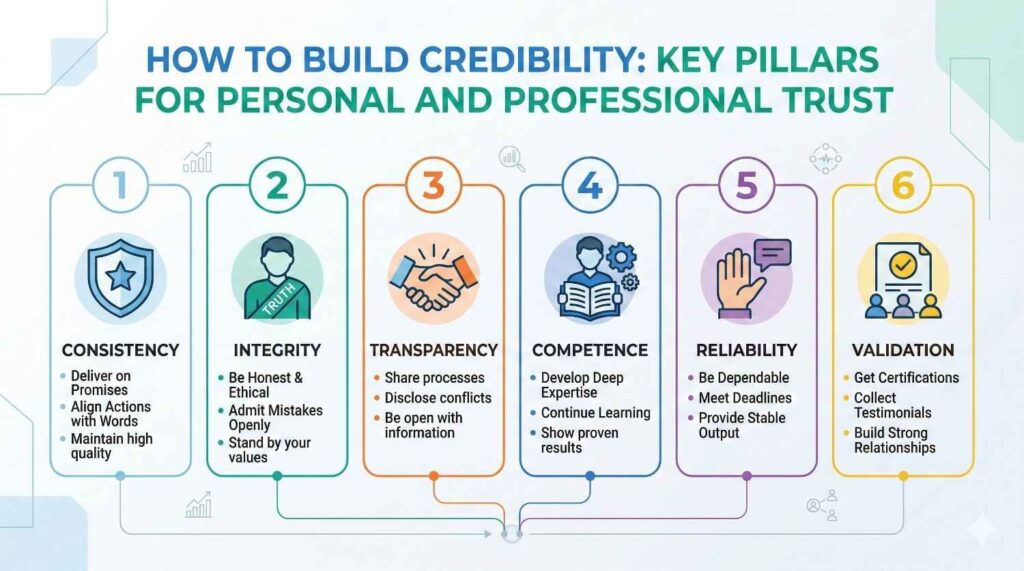
Every startup faces setbacks. Demos fail. Timelines slip. Assumptions break. Credibility is not built by avoiding these moments. It is built by how you respond to them. Calm, honest responses create trust even in difficult situations.
When something goes wrong, explain what happened in clear terms. Share what you learned and what you changed. Avoid excuses and avoid drama. This shows control and maturity. People trust founders who stay steady under pressure.
Reliability is more important than speed
Moving fast is valued in startups, but reliability matters more. A founder who delivers slightly slower but consistently is more credible than one who promises fast results and misses deadlines. Missed commitments create doubt, even when the reasons are valid.
If you are unsure about timing, give a range instead of a date. If something will slip, say it early. This behavior builds a reputation for honesty. Over time, people begin to believe your estimates because you respect their expectations.
How you handle feedback shapes trust
Feedback is a test of ego. Founders who dismiss feedback too quickly look defensive. Founders who accept everything look unsure. Credible founders listen carefully, ask clarifying questions, and decide with intention.
When you explain why you accepted or rejected feedback, people see thoughtfulness. They may disagree, but they respect the process. This balance between openness and conviction is a strong credibility signal.
Your team reflects your credibility
Even in the early days, the people around you shape how others see you. If teammates speak clearly, understand the mission, and respect the work, it reflects well on you as a founder. If communication is messy or roles are unclear, it raises concern.
As a technical founder, take time to align your team on the story. Make sure everyone can explain the product and the goal in similar words. This consistency builds confidence with outsiders and reduces internal confusion.
Trust builder
Documentation is a silent trust builder
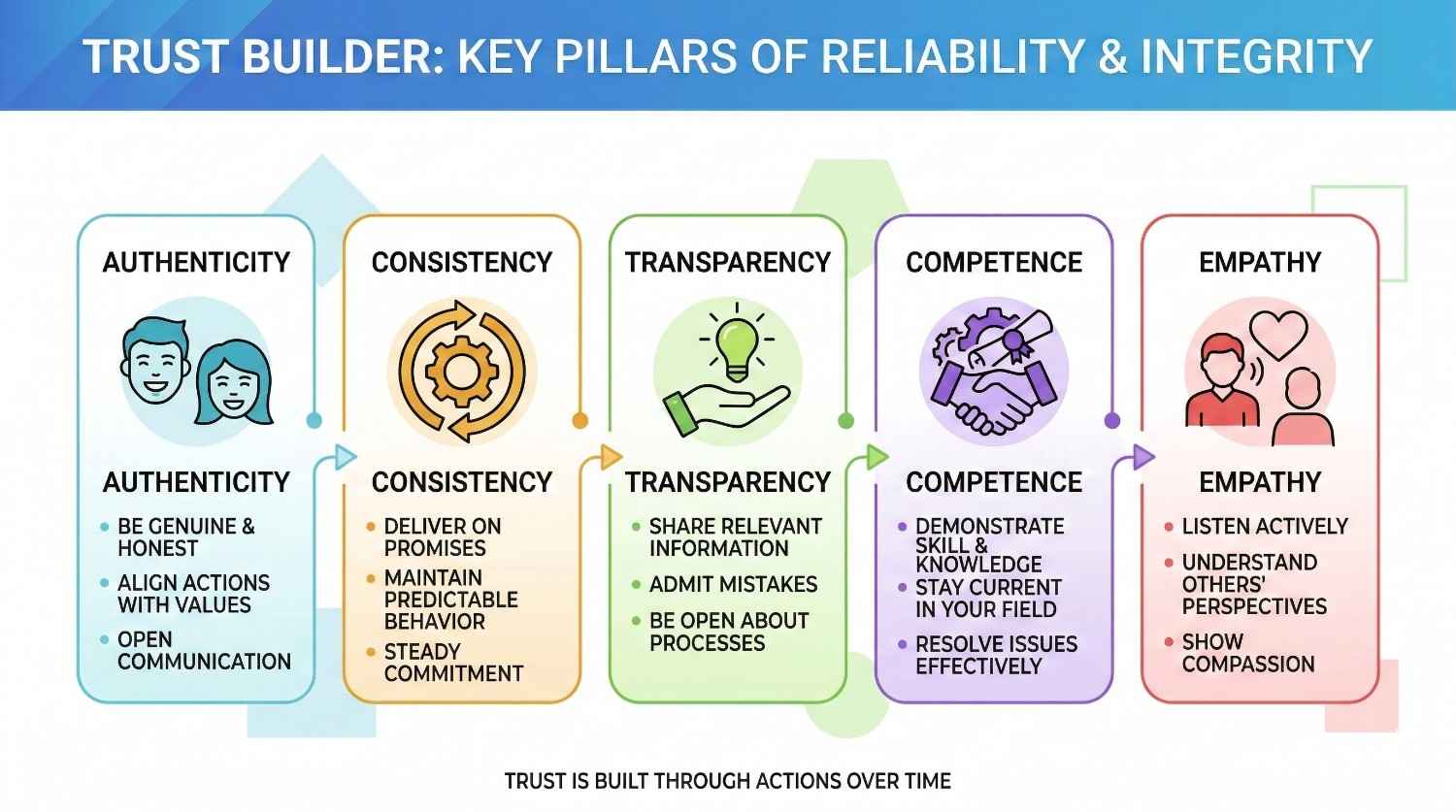
Good documentation rarely gets praise, but it quietly builds credibility. Clear docs show that you think ahead, respect others’ time, and care about quality. They also make your company easier to work with.
This applies to product docs, onboarding notes, and even internal decisions. When someone can read a document and understand why a choice was made, they feel safer working with you. Safety and trust are closely linked.
Credibility with customers comes from honesty
Early customers know your product is not perfect. What they care about is whether you are honest and responsive. If you oversell and underdeliver, trust breaks quickly. If you set clear expectations and follow through, trust grows.
Explain what your product does well and what it does not do yet. When issues come up, respond quickly and clearly. Customers who feel respected often become your strongest advocates, even if the product is still evolving.
Social proof should feel earned, not staged
Logos, quotes, and partnerships can help, but only if they are real. Forced social proof feels empty and can backfire. Credible founders let proof emerge naturally from real work.
A short quote from a real user or a simple case example is often more powerful than a long list of names. Authentic proof builds trust because it feels grounded in reality.
Long-term thinking builds short-term trust
When you show that you are thinking beyond the next milestone, people take you more seriously. This does not mean making big promises. It means showing awareness of future risks, scale issues, and competition.
Talking thoughtfully about what could break your business and how you plan to address it signals depth. It shows that you are not just chasing momentum but building something meant to last.
Raising with leverage instead of desperation
Credibility changes the fundraising dynamic. When you have clear progress, protected IP, and a strong story, you raise from a position of leverage. You choose partners instead of chasing checks.
Tran.vc helps founders build this leverage early through hands-on IP strategy and patent support, not just advice. This foundation helps technical founders raise with confidence and control. You can apply anytime at: https://www.tran.vc/apply-now-form/
Credibility compounds over time
Credibility is not built in a week. It grows through repeated signals that you are honest, capable, and thoughtful. Each small action adds to a larger picture. Over time, that picture becomes hard to ignore.
When people trust you, doors open faster. Conversations go deeper. Opportunities appear with less effort. This is the quiet power of credibility.
How to Build Credibility as a Technical Founder
Credibility shows in how you frame risk
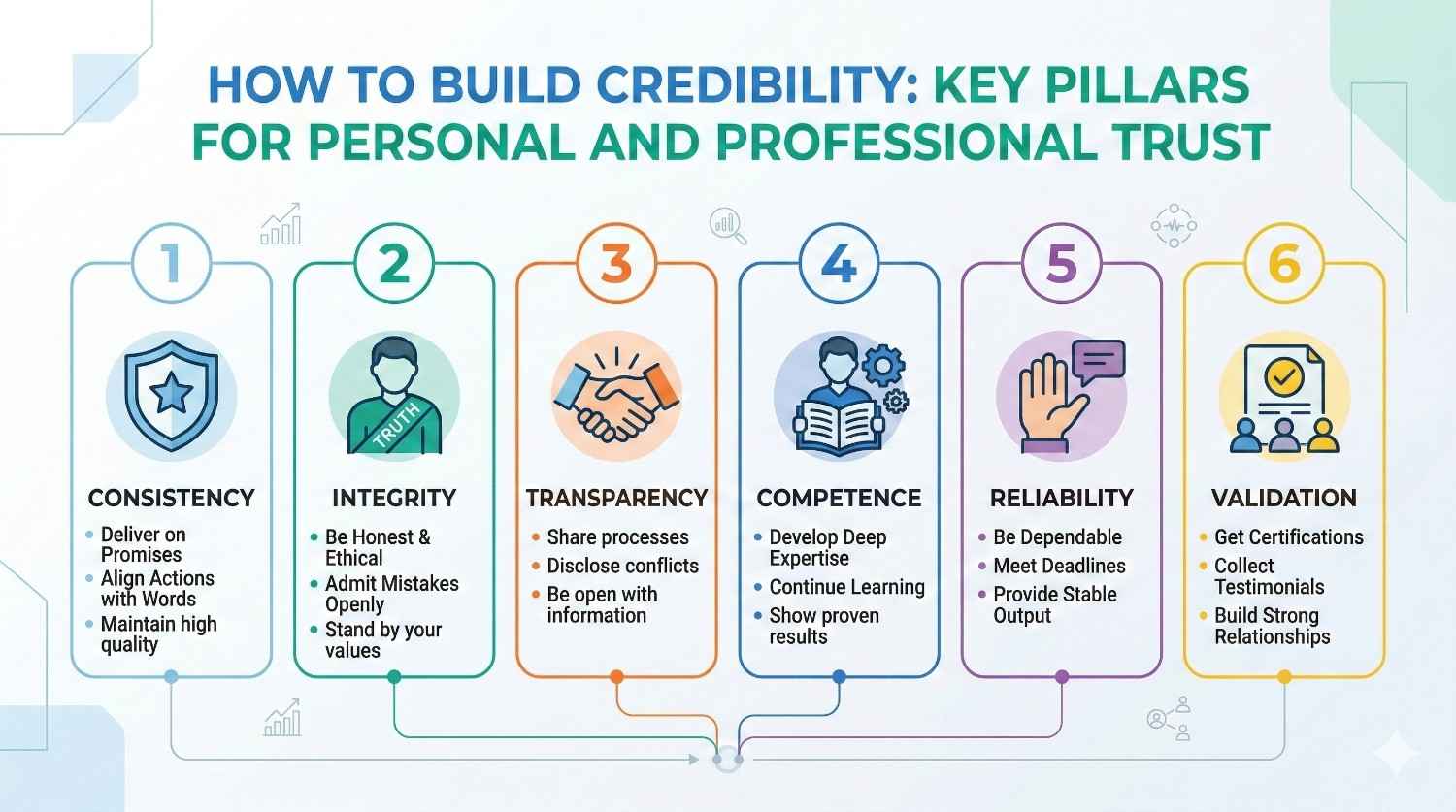
Strong founders do not pretend risk does not exist. They frame it clearly. When you name risks in a calm and structured way, people feel you understand the terrain. This reduces fear because unknown risk is more scary than known risk.
Explain what could go wrong, how likely it is, and what you are doing about it. You do not need complex models or long speeches. Simple explanations show confidence. This approach makes investors and partners feel you are prepared, not naive.
Avoiding hype protects your reputation
Hype can get attention, but it rarely builds lasting trust. When founders exaggerate progress or use big promises to cover gaps, credibility suffers. Once lost, it is very hard to rebuild.
A credible founder lets the work speak first. You describe what exists today and what is reasonably next. You do not inflate timelines or outcomes. This restraint signals maturity and long-term thinking.
Depth matters more than breadth
Trying to impress everyone often leads to shallow stories. Focusing deeply on one clear problem and solving it well builds stronger credibility. Depth shows mastery. Mastery builds trust.
When you explain one use case clearly and show real progress there, people can imagine expansion later. But if everything feels vague and wide, they struggle to believe any of it will work.
Your online presence is part of your credibility
People will look you up. They will read your site, your profile, and your posts. You do not need to post often, but what exists should match reality. Inconsistencies raise doubts.
A simple, clear website that explains the problem and solution is better than a flashy one with empty claims. A profile that reflects your current focus is better than one filled with outdated achievements. Alignment builds trust.
Writing clarifies your thinking
Writing is not just for marketing. It is a tool for clarity. When you write about your product, your decisions, or your lessons, you sharpen your own understanding. Clear writing leads to clear conversations.
Short essays, updates, or explanations help others follow your journey. Over time, this creates a public record of how you think and grow. That record becomes a strong credibility asset.
Credibility in partnerships comes from boundaries
Partnerships can boost a startup, but only when expectations are clear. Vague partnerships create confusion and disappointment. Credible founders define roles, outcomes, and limits early.
When you set clear boundaries and honor them, partners feel safe working with you. This safety leads to stronger collaboration and better outcomes.
Respecting time is a sign of professionalism
Showing up prepared, starting on time, and following up clearly are small actions with big impact. They signal respect and discipline. Many founders overlook these basics, but they matter deeply.
When you respect others’ time, they assume you respect your own work. This assumption increases trust and willingness to engage again.
Attracts better opportunities
Credibility attracts better opportunities
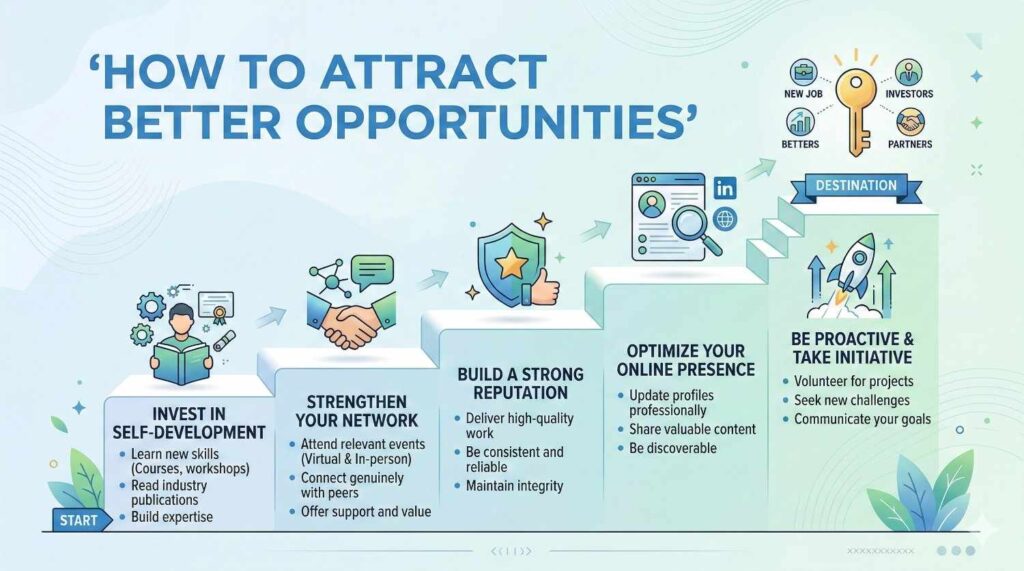
As your credibility grows, the quality of opportunities changes. You get warmer intros, better advice, and more thoughtful interest. This is not luck. It is the result of consistent behavior over time.
People prefer to work with founders who feel steady and honest. They refer those founders to others. This creates a network effect built on trust.
Building credibility before scale
Before scaling product or sales, scale credibility. Make sure your story, proof, and protection are solid. Scaling without credibility creates friction and resistance at every step.
This is where early IP work matters. Protecting your core ideas early signals seriousness and long-term intent. Tran.vc supports founders at this stage with hands-on patent strategy and execution, helping you look credible before you grow fast. You can apply anytime at: https://www.tran.vc/apply-now-form/
Credibility is a daily practice
There is no single moment where credibility is “done.” It is built daily through choices, communication, and execution. Each interaction either adds to it or takes away from it.
When you treat credibility as a practice, not a goal, it becomes part of how you operate. That is when it becomes durable and hard to shake.