
How to Create Investor FOMO in a Pre-Seed Round
Most founders think raising a pre-seed round is about convincing investors.
It’s not.
The best founders don’t beg for attention. They create momentum so strong that investors feel nervous about missing out. When that happens, the conversation changes. Instead of you chasing checks, investors start chasing you.
That feeling is called FOMO — fear of missing out.
At the pre-seed stage, FOMO is one of the most powerful forces in fundraising. Investors move faster. They ask fewer questions. They compete to get into your round.
But here is the part most founders miss.
FOMO is not created with hype.
It is built with signals.
Real signals that show your company is becoming valuable before the rest of the market realizes it.
This is especially true for deep tech founders building in AI, robotics, infrastructure, or other complex areas. Your product may still be early. Revenue might not exist yet. But investors still need to believe something powerful is forming.
They need to see that your company is becoming hard to copy, hard to ignore, and hard to access.
That is where smart founders focus their energy.
They build early advantages. They show deep technical insight. They protect what they create. And they move in a way that signals strength.
This is also where intellectual property becomes a powerful tool.
When your technology is protected, when your innovation has a clear moat, and when your idea becomes a real asset instead of just a pitch deck, investors pay attention.
At Tran.vc, we see this happen every day.
Technical founders come to us with strong ideas but little leverage. Through smart patent strategy and deep IP work, those ideas turn into defensible assets. Suddenly the conversation with investors changes.
Instead of asking, “Why should we invest?”
Investors start asking, “Can we still get in?”
That shift is everything.
It gives founders control. It creates urgency. It builds momentum before the round even begins.
And the best part is that creating this effect is not luck. It is a process.
In this guide, we will walk through exactly how smart founders create investor FOMO in a pre-seed round. Not with noise or inflated promises, but with clear signals that investors cannot ignore.
You will learn how to position your technology, how to show early traction even when you are pre-product, and how to turn your startup into something investors feel they might miss.
Because the truth is simple.
Investors rarely move because they are convinced.
They move because they are afraid someone else will move first.
And if you are building something important in AI, robotics, or deep tech, you should not be raising from a position of desperation.
You should be raising from strength.
If you are building a serious technical company and want to protect your innovation from day one, you can apply to work with Tran.vc anytime.
They invest $50,000 worth of patent and IP support to help early founders turn raw ideas into real assets investors respect.
You can apply here anytime:
https://www.tran.vc/apply-now-form/
Understanding Why Investors Actually Move
The psychology behind early-stage investing
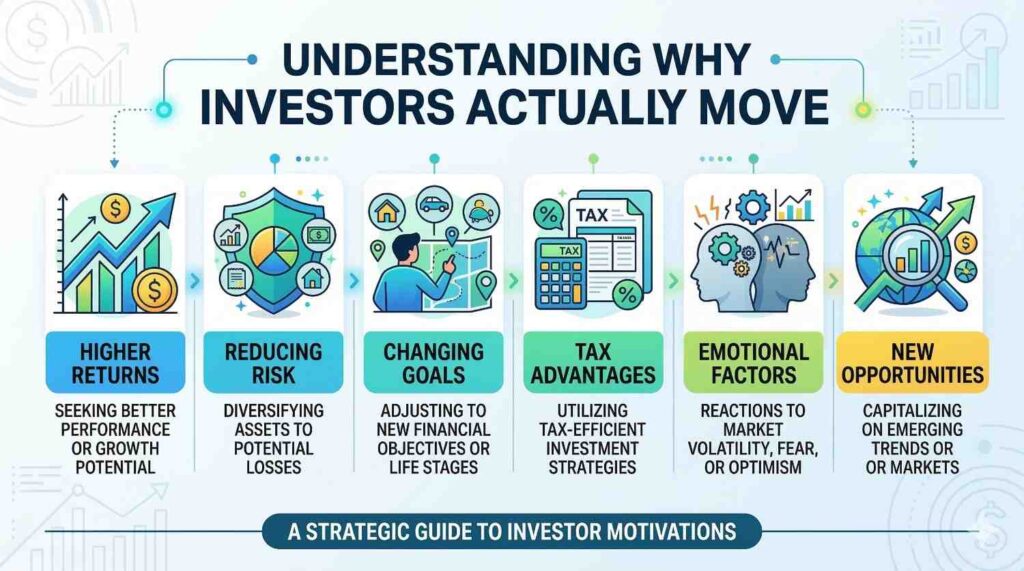
Most founders believe investors make decisions using pure logic. They imagine long meetings, deep spreadsheets, and slow analysis before a check is written. In reality, early-stage investing works very differently.
At the pre-seed stage, there is very little data. Revenue is often zero. The product may still be a prototype. The market may not even fully exist yet.
Because of this, investors rely heavily on signals rather than proof.
They look for signs that something important is forming. These signals help them guess whether a company might become valuable before everyone else realizes it.
This is why momentum matters so much.
When investors sense that other smart people are paying attention to a startup, their curiosity increases. They start wondering if they are seeing an opportunity early or if they are about to miss it.
That small feeling of uncertainty quickly turns into urgency.
And urgency is what drives most early investment decisions.
Why scarcity creates urgency
Human behavior changes when access becomes limited. When something is easy to get, people move slowly. When something feels rare, they act faster.
This rule applies strongly to venture capital.
If investors believe a round is wide open and will stay open for months, they take their time. Meetings stretch out. Decisions drag on. Emails go unanswered.
But the moment they sense that access is becoming limited, everything changes.
Suddenly meetings happen faster. Partners get involved earlier. Term sheets appear sooner.
This is the beginning of investor FOMO.
Scarcity creates pressure, and pressure accelerates decisions.
The founders who understand this dynamic design their fundraising process around it.
They do not try to convince investors with endless explanations. Instead, they build signals that make investors feel they must move quickly.
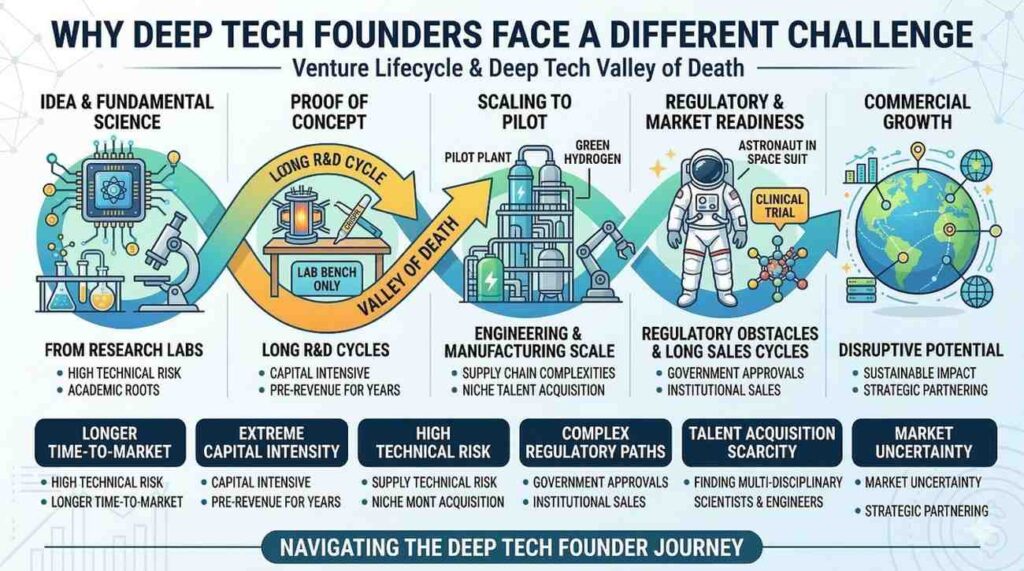
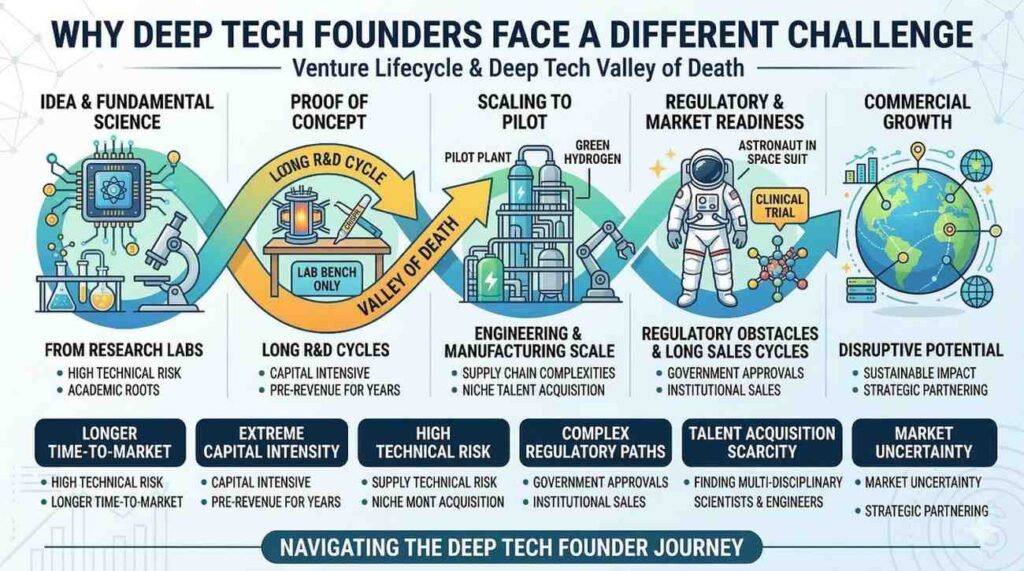
Why deep tech founders face a different challenge
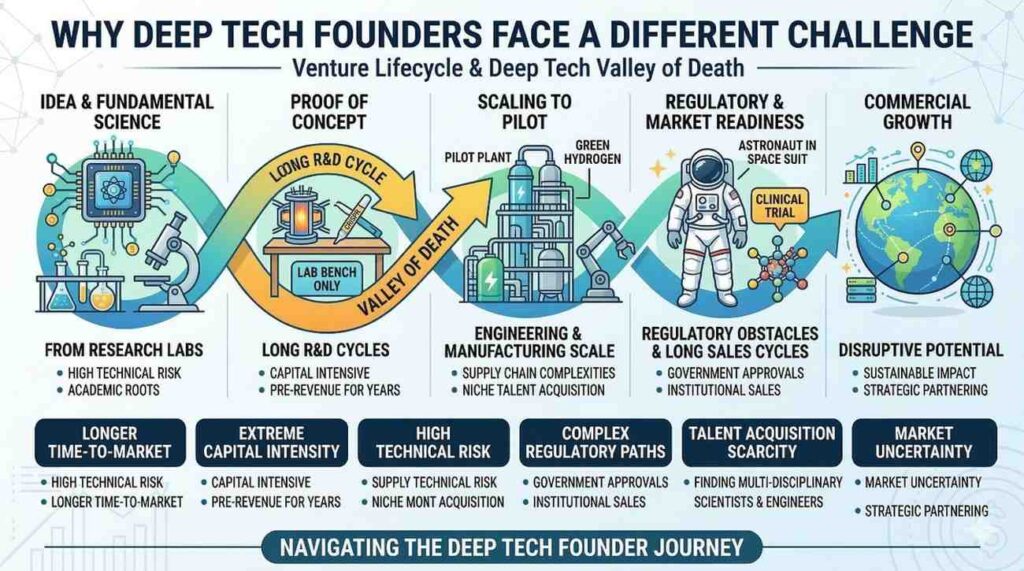
Creating FOMO is harder for founders building technical companies.
Consumer startups can often show early growth quickly. A simple mobile app might gain thousands of users within weeks. Social proof appears naturally.
Deep tech does not work that way.
If you are building advanced AI systems, robotics platforms, or infrastructure technology, development cycles are longer. The complexity is higher. Early traction looks different.
Many investors struggle to understand these technologies deeply. Because of that, they often hesitate.
This is where strategic positioning becomes critical.
Technical founders must show that their innovation is not just interesting but also defensible.
Investors want to know that if the company succeeds, competitors will struggle to copy it.
This is exactly why intellectual property becomes such a powerful signal at the pre-seed stage.
How strong IP changes investor perception
When a startup begins building real intellectual property, the entire conversation shifts.
Instead of a simple idea, investors now see an asset.
Patents, proprietary algorithms, and unique technical approaches show that the founders are building something that can be protected. This reduces risk in the eyes of investors.
It also signals seriousness.
Anyone can create a pitch deck. Very few founders invest early effort into protecting their core innovation.
When investors see founders doing this work early, they begin to view the company differently. It signals long-term thinking.
This is one of the reasons Tran.vc focuses heavily on helping founders build strong IP foundations before major fundraising begins.
By investing $50,000 worth of patent and IP services, Tran.vc helps early-stage companies transform their technology into real strategic assets.
Those assets often become one of the earliest drivers of investor attention.
If you are building something novel in AI, robotics, or deep tech, protecting your innovation early can change how investors evaluate your company.
You can apply to work with Tran.vc here:
https://www.tran.vc/apply-now-form/
Positioning Your Startup So Investors Pay Attention
Why positioning matters more than most founders realize
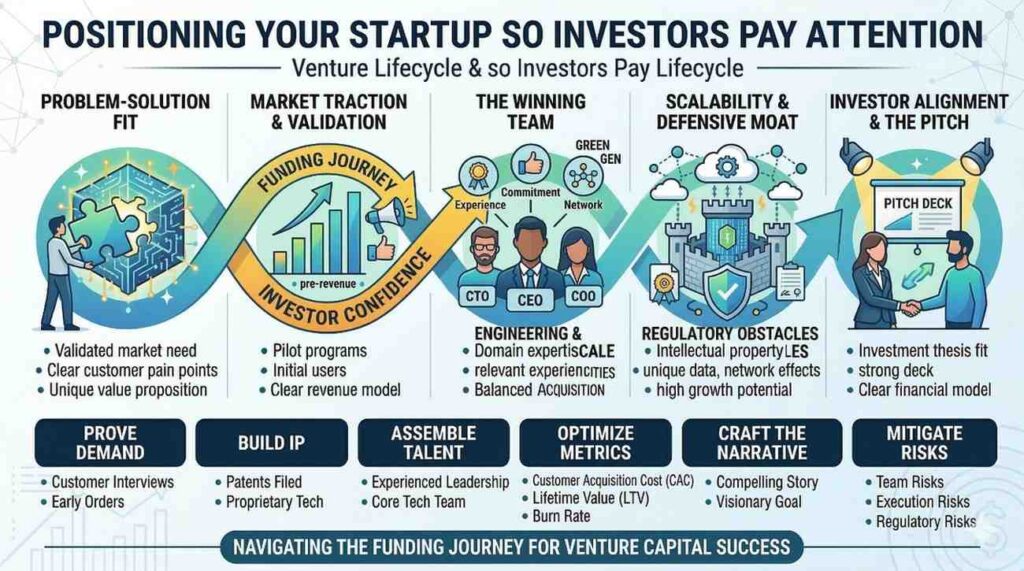
Before investors experience FOMO, they must first understand why your company matters.
Many founders jump into fundraising conversations with a heavy focus on product features or technical architecture. They explain how their system works in deep detail.
But investors are not initially looking for that level of complexity.
They want to understand something much simpler.
They want to know what big problem this company is solving and why the founders are uniquely able to solve it.
This is where positioning becomes essential.
Strong positioning helps investors quickly grasp the importance of your work. It frames the opportunity clearly and shows why your startup could become valuable.
Without this clarity, even great technology can be overlooked.
The difference between ideas and insights
Investors hear thousands of startup ideas every year. Most sound interesting at first but fail to stand out.
The companies that capture investor attention usually share something deeper than just an idea.
They show a clear insight about the world.
An insight reveals something that many people have missed. It explains why a problem exists and why previous solutions have failed.
When founders communicate this insight well, investors begin to feel they are seeing the future slightly earlier than others.
That feeling is powerful.
It makes the opportunity feel rare.
For deep tech founders, insights often come from technical experience. Maybe you worked inside a system that is fundamentally broken. Maybe you discovered a new way to solve a complex problem.
Whatever the case, the insight becomes the foundation of your story.
It is not about saying your product is better. It is about explaining why the old way of doing things cannot work anymore.
Why clear narratives create investor momentum
Once your positioning is strong, the next step is building a narrative investors can easily repeat.
Investors talk to each other constantly. When they encounter an interesting company, they often share it with partners or other funds.
If your story is confusing, it will not spread.
But when your narrative is simple and clear, investors begin repeating it.
That is when momentum starts to build.
A strong narrative explains three things clearly.
It explains the problem that exists today. It explains the breakthrough your company introduces. And it explains why now is the perfect moment for that breakthrough to succeed.
When those pieces come together, investors begin to imagine the company’s future.
That imagination fuels curiosity, and curiosity often leads to meetings.
How IP strengthens your positioning
Positioning becomes even stronger when your technical insight is supported by intellectual property.
Patents signal that your breakthrough is not just theoretical. It is something you are actively protecting.
This makes your narrative far more credible.
Investors see that the founders are not only inventing something new but also taking the right steps to secure it.
That combination is rare at the pre-seed stage.
This is one reason why many deep tech startups choose to work with Tran.vc early in their journey.
Tran.vc helps founders build smart IP strategies while their technology is still developing. This ensures the most important innovations are protected from the beginning.
It also strengthens the story founders tell investors during fundraising.
If you are building breakthrough technology and want to create a real moat around it, you can apply to Tran.vc anytime here:
Creating Early Signals That Make Investors Curious
Why investors look for signals before they invest
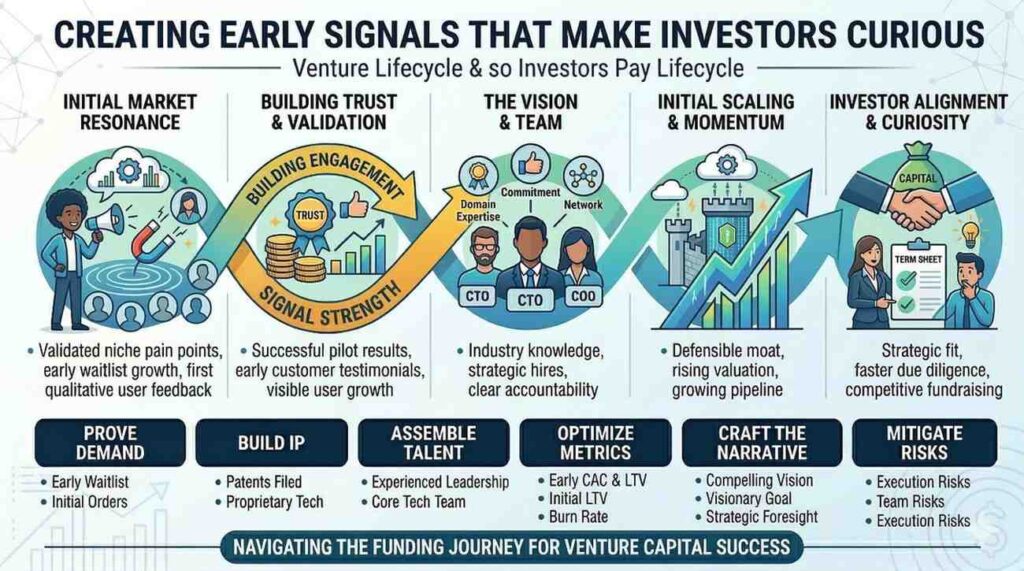
At the pre-seed stage, investors are trying to answer one difficult question.
They want to know whether your startup might become important before the rest of the market notices it.
Since hard proof is rare at this stage, investors rely on signals that hint at future success.
These signals can appear in many forms. They might come from early users showing excitement. They might appear through strong technical breakthroughs. Sometimes they come from respected people showing interest in the company.
The key point is that investors watch for patterns.
When several positive signals appear at the same time, curiosity grows quickly.
This curiosity often leads to deeper conversations. Those conversations can eventually turn into investment decisions.
Smart founders do not wait for these signals to appear randomly.
They actively design them.
Why technical progress can create powerful momentum
For deep tech startups, product development itself can become a signal.
When founders demonstrate meaningful technical progress, investors begin to notice. This progress might include building a working prototype, publishing strong benchmark results, or solving a difficult engineering challenge.
These achievements show that the team is capable of executing complex work.
Execution matters far more than ideas.
Investors know that difficult technology requires persistence and deep understanding. When founders consistently show forward movement, confidence grows.
It tells investors that the company is not just dreaming about the future. It is building it.
Sharing technical progress carefully can therefore create quiet momentum around your company.
This momentum often spreads through conversations between investors.
Why public credibility attracts investor interest
Another powerful signal comes from credibility.
When respected people, researchers, or industry experts show interest in your work, investors take notice.
Credibility acts as a shortcut for trust.
Investors understand that talented people tend to recognize strong ideas early. When they see credible individuals supporting a startup, it reduces uncertainty.
This support can appear in many ways.
A well-known advisor joining the company can create attention. Positive discussions within research communities can also help. Even early partnerships with respected organizations can become strong signals.
Each small piece of credibility increases the sense that something meaningful is forming.
Over time, these signals begin to compound.
Why intellectual property becomes a long-term signal
Among all early signals, intellectual property often carries unusual weight for deep tech companies.
Patents demonstrate that a startup is creating something truly novel. They show that the founders are building technology that can be protected and defended.
For investors, this matters deeply.
If a startup succeeds but competitors can easily copy the technology, long-term value becomes uncertain.
Strong IP changes that equation.
It shows that the founders are not only building technology but also building a defensible moat around their work.
This is exactly why many sophisticated investors look carefully at patent strategy during early rounds.
They want to see that founders understand how to protect what they are creating.
Tran.vc focuses specifically on helping founders build this advantage early.
Instead of offering only capital, Tran.vc invests $50,000 worth of in-kind patent and IP services. This allows founders to develop strong intellectual property while their technology is still emerging.
The result is a startup that looks far more mature in the eyes of investors.
Your idea becomes an asset.
Your technology becomes harder to replicate.
And that combination can create powerful investor interest.
If you are building a technical company and want to strengthen your IP foundation, you can apply to work with Tran.vc anytime here:
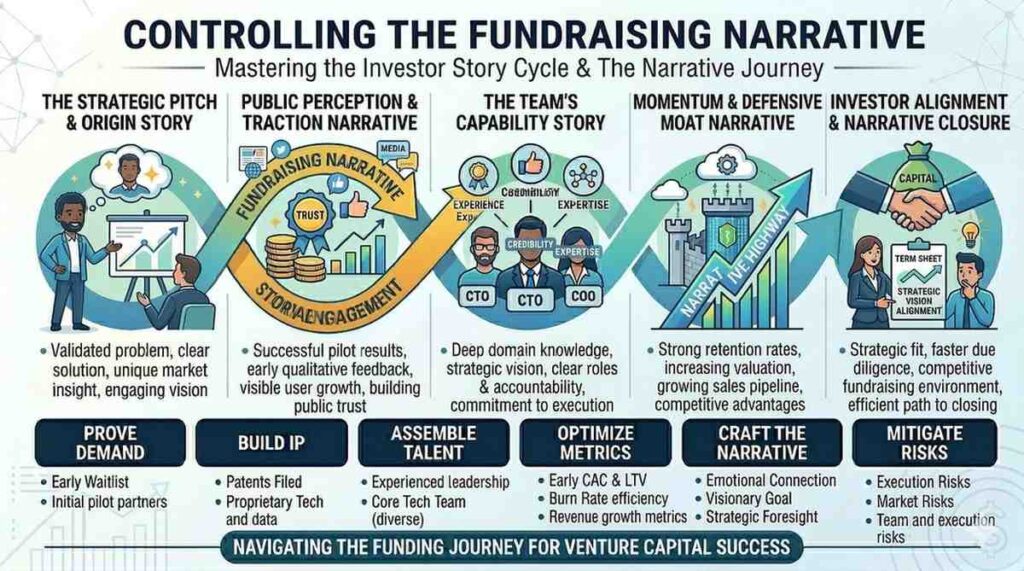
Controlling the Fundraising Narrative
Why the best founders guide the conversation
Many founders approach fundraising as a reactive process.
They answer investor questions. They send updates when asked. They wait for investors to show interest before pushing forward.
But the most successful founders do something different.
They guide the narrative.
Instead of simply responding to investor curiosity, they shape how investors think about the company from the very beginning.
This subtle difference creates momentum.
When founders control the narrative, investors begin to see the company through the founder’s lens.
The story becomes clearer. The opportunity becomes easier to understand.
And clarity encourages faster decisions.
How timing can influence investor behavior
Timing plays a quiet but powerful role in fundraising.
When fundraising feels unstructured, investors often delay decisions. They assume the round will remain open and that they can revisit the opportunity later.
But when a clear timeline exists, behavior changes.
Investors begin to feel that they must evaluate the opportunity sooner.
This does not mean rushing conversations or creating artificial pressure.
Instead, it means running a focused process.
Smart founders often begin investor conversations within a relatively short time window. Meetings happen within the same few weeks rather than spreading across several months.
When investors realize others are looking at the opportunity simultaneously, attention increases.
This environment naturally creates FOMO.
Why updates can quietly build pressure
Investor updates are often misunderstood.
Many founders think updates are only useful after raising capital. In reality, updates can play a powerful role before the round even opens.
Sending occasional progress updates to potential investors helps maintain visibility.
Each update shows that the company is moving forward.
Maybe a prototype milestone was reached. Maybe early customer conversations revealed strong demand. Maybe a patent application was filed.
These updates gradually build confidence.
Over time, investors begin to feel they are watching a company grow in real time.
When the fundraising round finally opens, they already understand the trajectory.
Instead of starting from zero, the conversation continues from existing momentum.
Why transparency builds trust
While creating momentum is important, honesty must remain central to the process.
Investors respect founders who communicate clearly about both progress and challenges.
Transparency signals maturity.
When founders openly discuss what they are learning, investors see a team that is capable of adapting and improving.
This honesty also strengthens long-term relationships.
Many investors may not invest immediately but will continue watching the company closely.
Over time, these relationships can become extremely valuable.
The goal is not just to raise one round.
The goal is to build lasting trust with people who may support your company throughout its growth.