
You have an idea.
You see the problem clearly.
You know you can build the solution.
But you do not have a product yet.
No demo.
No users.
No revenue.
And now you are asking the big question:
Can I raise a pre-seed round without a product?
The short answer is yes.
The real answer is this:
You do not raise money because you have a product.
You raise money because you have a clear path to building something that cannot be ignored.
At the pre-seed stage, investors are not buying your app. They are buying your mind. Your clarity. Your edge. Your ability to turn raw insight into something strong and hard to copy.
This is where most founders get it wrong.
They think they need to rush and build something fast.
They think they need traction screenshots.
They think they need hype.
You do not.
You need proof of depth.
Proof of thinking.
Proof that you are building something real.
And if you are in robotics, AI, or deep tech, the bar is even higher. Ideas are easy. Code is easy. What matters is defensibility. What matters is whether what you build can be owned.
That is why smart founders focus on three things before they raise:
Clarity.
Credibility.
Control.
In this guide, I will show you how to raise a pre-seed round without a product. Not with tricks. Not with hype. But with strategy that works.
And if you are serious about building something strong from day one, Tran.vc helps technical founders do exactly that. They invest up to $50,000 in patent and IP services so you can turn your idea into protected assets before you even raise your seed round. You can apply anytime here:
https://www.tran.vc/apply-now-form/
Now let us go deeper.
First, Understand What Pre-Seed Really Means
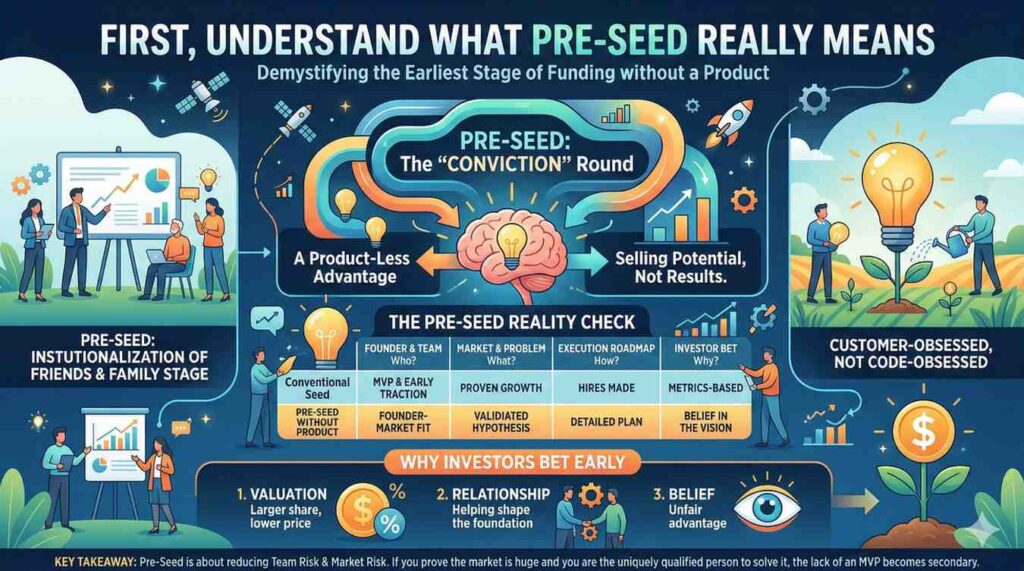
Pre-seed is not about traction. It is about belief.
At seed stage, investors want signals. Users. Growth. Data.
At pre-seed, they want conviction.
They are asking one main question:
“Is this founder the right person to build this?”
If you do not have a product yet, your job is not to pretend you do. Your job is to show that when you build, it will matter.
That means your edge must be clear.
Maybe you spent years inside the problem.
Maybe you worked in a lab and saw the gap.
Maybe you built systems no one else understands.
Maybe you have insight others missed.
Pre-seed money follows unfair advantage.
If anyone could build what you are planning to build, investors will wait. They will let someone else take the risk.
But if you can show that you see something others do not, now you have leverage.
You are not raising to experiment.
You are raising to execute.
That difference changes everything.
What Investors Really Want When There Is No Product
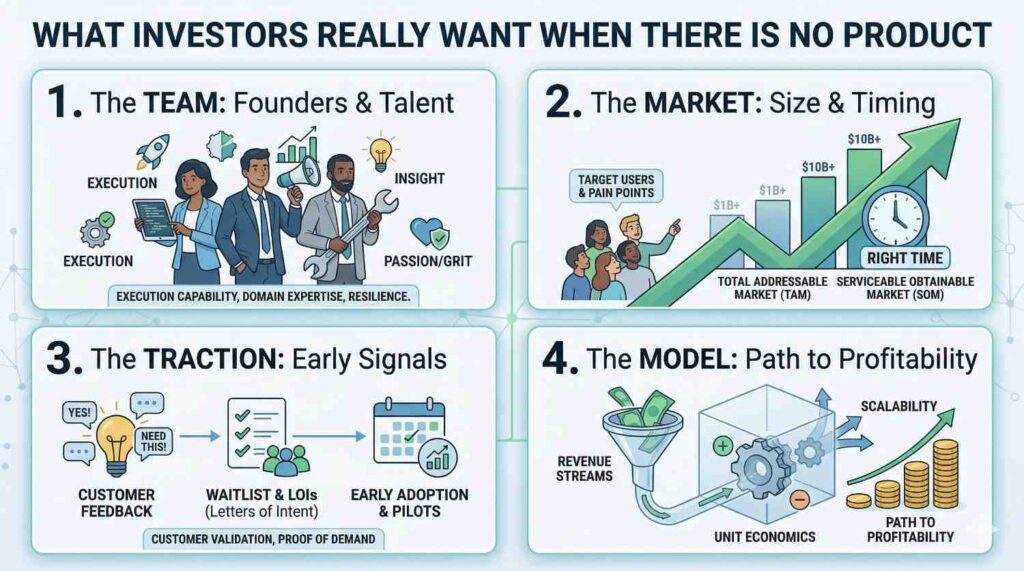
When there is no product, investors look for five invisible signals.
They want to see that you understand the problem at a deep level. Not surface level. Not “this market is big” level. They want to see that you have lived it.
They want to see technical strength. If you are building AI, robotics, or hard tech, they want to know you can build what you say. That does not mean a demo. It means clarity in how it would work.
They want to see a wedge. A starting point that is narrow and sharp. Not a giant vision that sounds good but is impossible to start.
They want to see speed. Not rushed code. But fast thinking. Clear milestones. A plan that moves.
And they want to see ownership. This is where most founders are weak.
If your idea can be copied in six months, investors will not feel safe. Especially in AI.
This is where IP changes the game.
When you file early patents around your core methods, models, hardware designs, or system architecture, you show intent. You show that you are not just building features. You are building assets.
Tran.vc works with founders exactly at this stage. Before product. Before hype. They help you design a smart IP strategy that protects what matters and strengthens your raise. Instead of spending your first $50,000 on random development, you can invest it into patents and IP through Tran.vc’s in-kind investment.
That means you walk into investor meetings with more than slides. You walk in with filings. With structure. With real protection.
If you want that kind of foundation, you can apply here:
https://www.tran.vc/apply-now-form/
Step One: Sell the Insight, Not the Idea
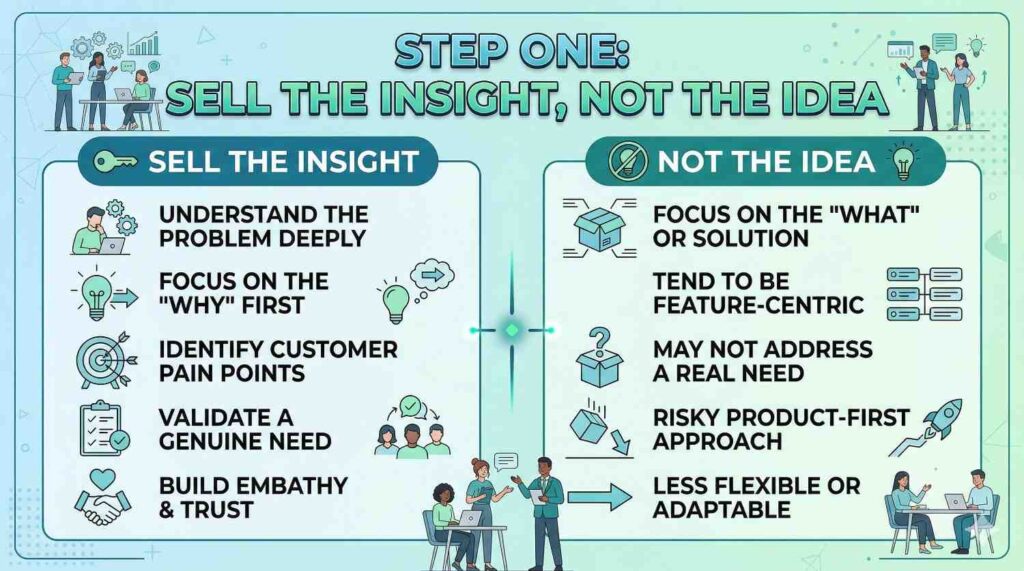
Most founders pitch ideas.
Smart founders pitch insight.
An idea sounds like this:
“We are building an AI system that automates logistics.”
An insight sounds like this:
“Mid-sized logistics firms lose millions because their routing systems cannot handle dynamic last-minute changes. Current AI tools fail because they are trained on static datasets. We discovered a new training method that adapts in real time without retraining the full model.”
Do you feel the difference?
One is broad.
One is sharp.
When you do not have a product, your words must carry weight.
To sell insight, you must answer three questions clearly:
What is broken?
Why is it broken?
Why has no one fixed it properly?
If you can answer those three in simple language, investors will lean in.
Do not show them ten slides of market size. Show them that you see something others missed.
That builds trust faster than any prototype.
Step Two: Show Technical Depth Without a Demo
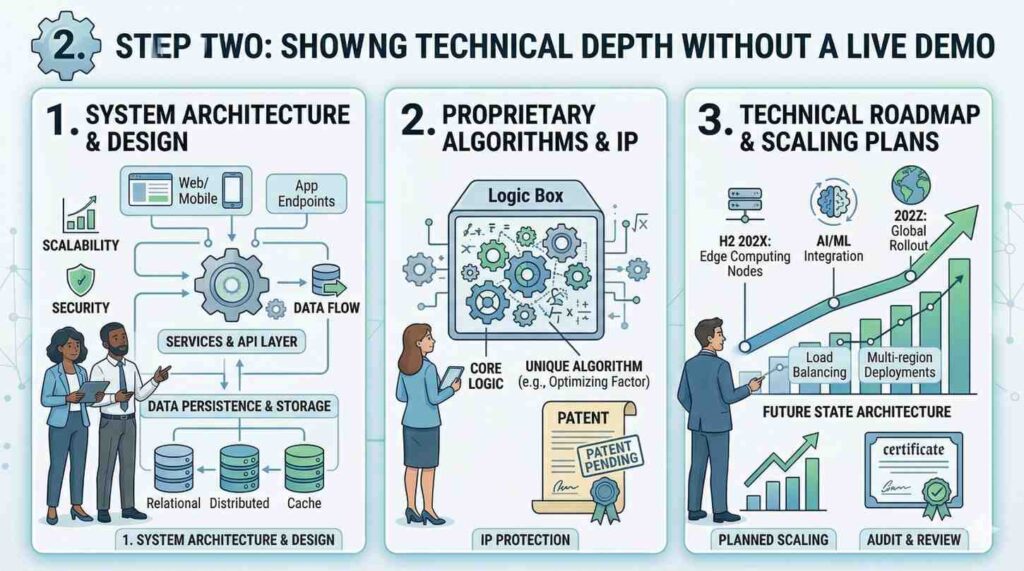
You may not have a finished product. But you can still show depth.
Explain your architecture in simple terms.
Explain the trade-offs.
Explain the risks and how you plan to handle them.
If you are building robotics hardware, talk about materials, power limits, control systems. Show that you have thought through real constraints.
If you are building AI models, explain training data, compute costs, failure modes.
Investors do not expect perfection. They expect realism.
When you speak clearly about challenges, you signal maturity.
You also reduce fear.
Fear kills early checks.
Clarity unlocks them.
Step Three: Design a Clear 12-Month Path
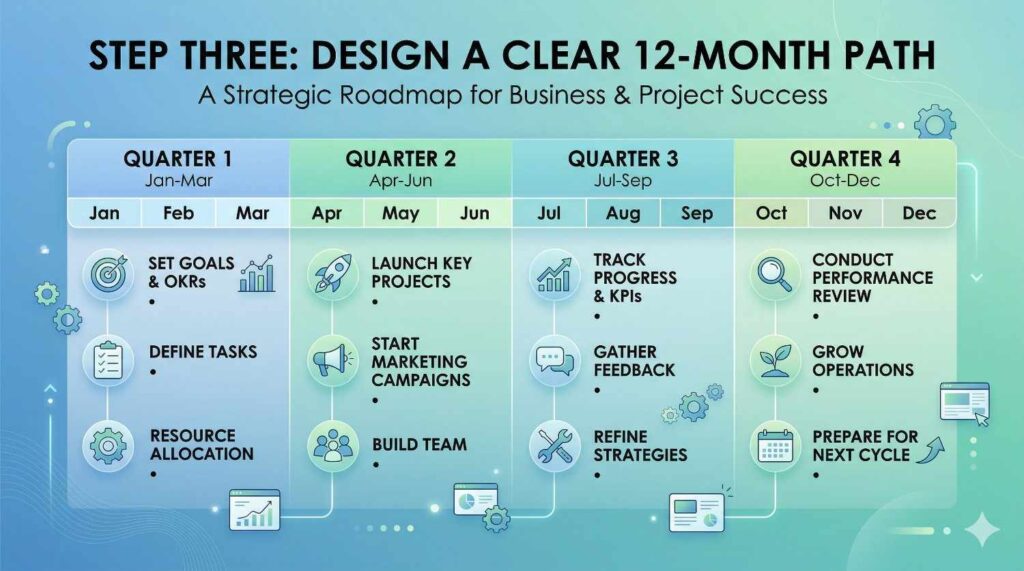
Without a product, your roadmap becomes your proof.
But it must be simple.
Do not create a giant timeline with twenty phases.
Create three strong milestones.
For example:
Month 1–3: Finalize core architecture and file patents.
Month 4–8: Build prototype and test with two design partners.
Month 9–12: Refine and prepare for seed raise.
That is it.
Simple. Clear. Focused.
If IP is core to your strategy, show when filings happen. Show that protection starts early, not later.
This is something Tran.vc emphasizes strongly. Founders often wait too long to think about patents. By then, value is lost. Filing early creates leverage in your seed round. It shows that what you are building is not just code. It is property.
And investors respect property.
If you want to build that leverage from day one, apply here:
https://www.tran.vc/apply-now-form/
Step Four: Borrow Credibility
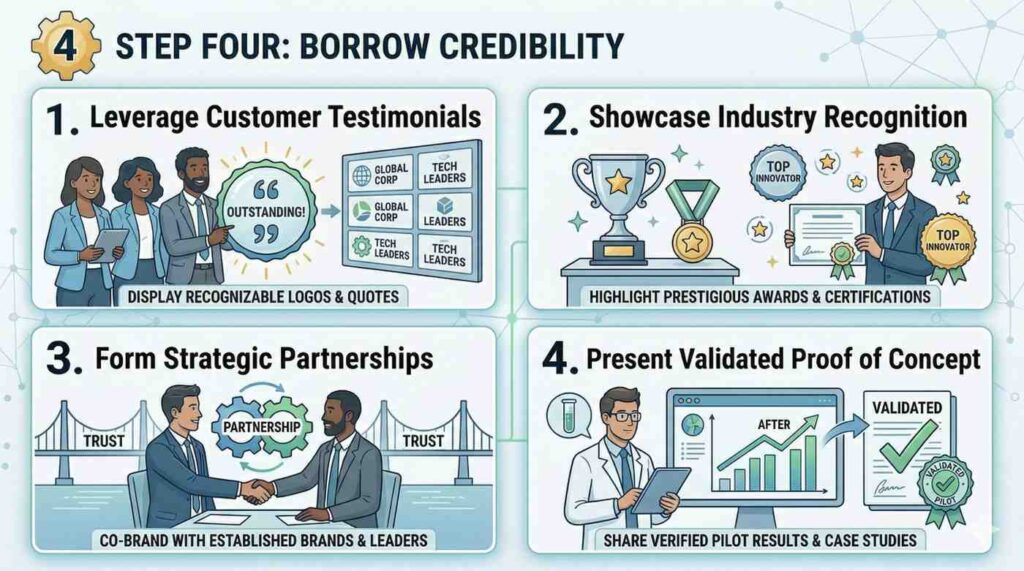
If you do not have traction, borrow trust.
Advisors.
Early design partners.
Former managers.
Professors.
Industry experts.
Even a short letter of intent from a potential user helps.
You are showing that smart people believe in you.
That lowers risk in the investor’s mind.
But be honest. Do not fake traction. Do not inflate numbers.
Serious investors can tell.
And once trust is broken, it does not come back.
Raising a pre-seed round without a product is not about pretending you are further than you are.
It is about being extremely clear about where you are going and why you will get there.
You are selling vision backed by depth.
You are selling execution backed by insight.
You are selling ownership backed by protection.
This is how strong companies begin.
And this is exactly where Tran.vc steps in. They help technical founders turn raw ideas into protected, fundable companies before the world catches on.
If you are building in AI, robotics, or deep tech, and you want to raise from a position of strength, apply now:
https://www.tran.vc/apply-now-form/
Build Trust Before You Build the Product
Why Trust Is Your Real Currency at Pre-Seed
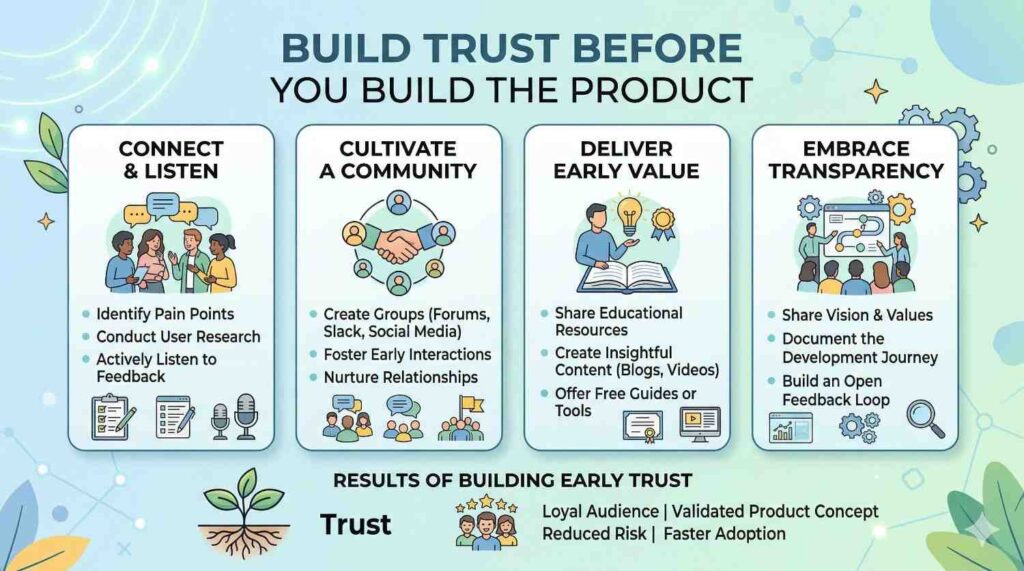
When you do not have a product, trust becomes your main asset. At the pre-seed stage, investors are not buying usage charts or revenue graphs. They are buying belief in you. They are deciding whether you are someone who can take a raw idea and turn it into a real company.
Trust is built through clarity and calm confidence. When you explain your thinking in a structured way, you signal that you are not guessing. You show that you have done the work in your head before asking for capital. This alone separates serious founders from dreamers.
Investors are trained to look for risk. Your job is to reduce that risk through logic, not excitement. When you speak clearly about your assumptions, your unknowns, and your next steps, you give them a reason to lean forward instead of pulling back.
Show That You Understand the Problem Deeply
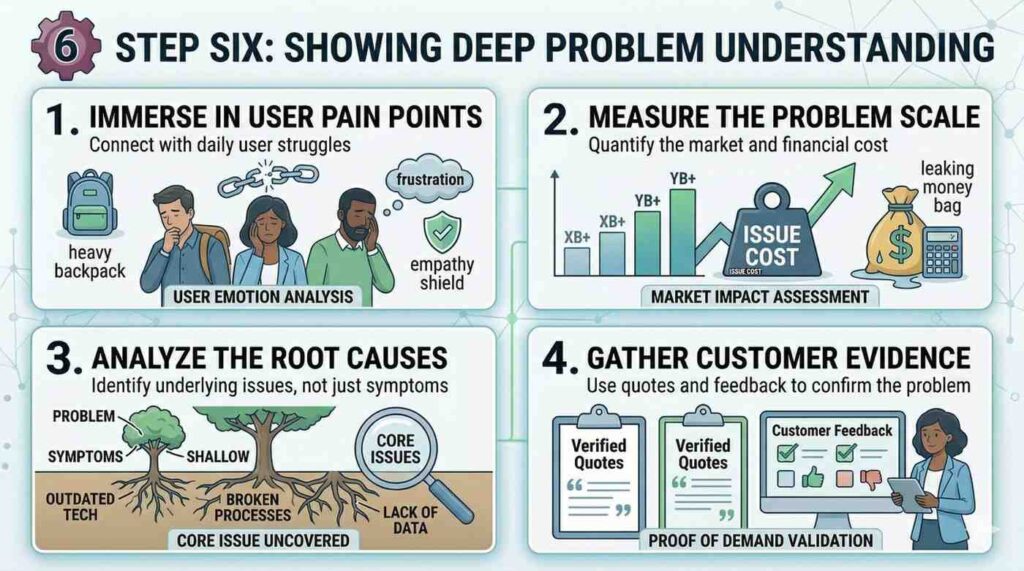
A shallow understanding kills pre-seed conversations. If you describe the problem in a way that sounds like a blog post, investors will assume you are early in your thinking. You must show that you understand the daily pain behind the problem.
Talk about how the issue affects budgets, timelines, or safety. Explain how current solutions fail in real use cases. If you are building robotics, describe the physical constraints and field conditions that make current systems unreliable. If you are building AI tools, explain where models break down in live environments.
Depth creates confidence. When you can explain the small details of the problem, it becomes clear that you have spent time inside it. That level of detail makes it easier for investors to believe that your solution has weight.
Position Yourself as the Right Builder
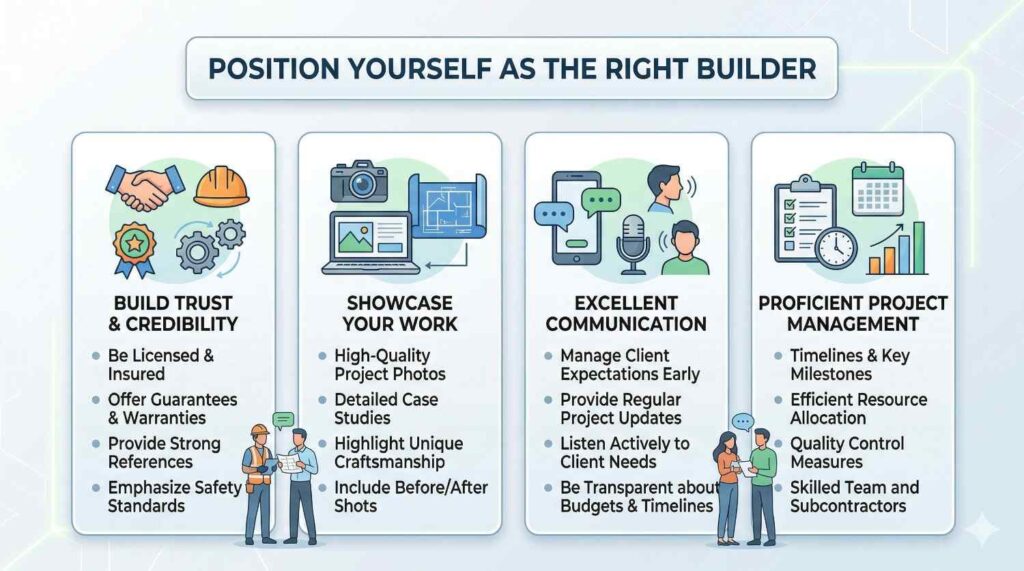
Without a product, you must prove that you are the right person to build it. This does not mean listing awards. It means connecting your background directly to the problem you are solving.
If you worked in a lab and saw a technical gap, explain that experience. If you deployed systems that failed in production, describe what you learned. If you built similar tools before, outline the lessons you are now applying.
Investors look for pattern recognition. When your story fits naturally with your idea, it feels less risky. You become the logical founder for this specific company.
If you are building in AI, robotics, or deep tech, this alignment matters even more. These sectors are complex and capital heavy. You must show that you are not experimenting. You are executing on something you understand deeply.
This is also where early IP strategy strengthens your position. When you show that you are already thinking about protecting your core methods or designs, you signal seriousness. Tran.vc helps founders do this from day one by investing up to $50,000 in patent and IP services. That kind of early structure makes you look prepared, not reactive.
If you want to build that foundation before you raise, you can apply here: https://www.tran.vc/apply-now-form/
Turn Vision Into a Clear, Structured Plan
Replace Big Dreams With a Focused Starting Point
Many founders think they must present a huge vision to impress investors. In reality, large unfocused visions create doubt. At pre-seed, a sharp entry point is far more powerful than a broad mission statement.
Start with a narrow problem that you can solve well. Describe the first use case in detail. Show how solving this one case opens the door to a larger market later. This approach makes your company feel manageable and real.
Investors know that great companies expand over time. What they want to see is discipline at the beginning. A focused wedge tells them you are thinking about execution, not just ambition.
Present a 12-Month Execution Roadmap
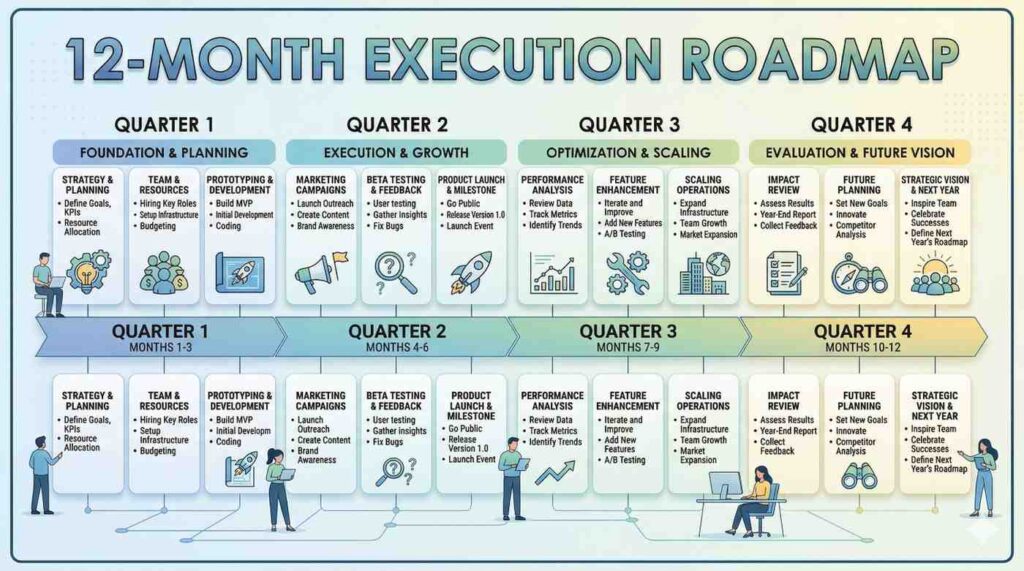
When you do not have a product, your roadmap becomes your proof. It must be simple but structured. Instead of listing dozens of tasks, group your work into meaningful phases that show progress.
In the first phase, you may finalize architecture, validate assumptions with experts, and file core patents. In the next phase, you might build a working prototype and test it with one or two early partners. In the final phase, you refine, collect early data, and prepare for your seed round.
Each phase should have a clear outcome. Investors should be able to see what changes at the end of every stage. This reduces uncertainty and makes your raise feel grounded.
If IP is central to your strategy, show exactly when filings happen. Filing early sends a strong signal. It shows that you are not just building features. You are building assets that can be owned and defended.
Tran.vc works closely with founders to design this type of roadmap. Instead of rushing into development without protection, they help you create an IP plan that strengthens your next raise. Their in-kind investment allows you to secure patents while preserving cash for product development.
If you want your roadmap to include real protection from the start, apply here: https://www.tran.vc/apply-now-form/
Be Honest About Risks and Unknowns
No early-stage company is free of risk. Trying to hide this will only weaken your pitch. Investors respect founders who understand the challenges ahead.
Explain the hardest technical problem you still need to solve. Describe the dependencies that could slow you down. Then explain how you plan to manage these risks. This shows maturity and realistic thinking.
When you acknowledge uncertainty but show a plan to reduce it, you build credibility. You also prevent investors from discovering hidden weaknesses on their own, which can create doubt.
A calm and structured discussion of risk is often more persuasive than an overly optimistic forecast. It signals that you are building for the long term, not just for a quick raise.
Use IP to Create Leverage Before You Launch
Why Ownership Matters More Than Hype
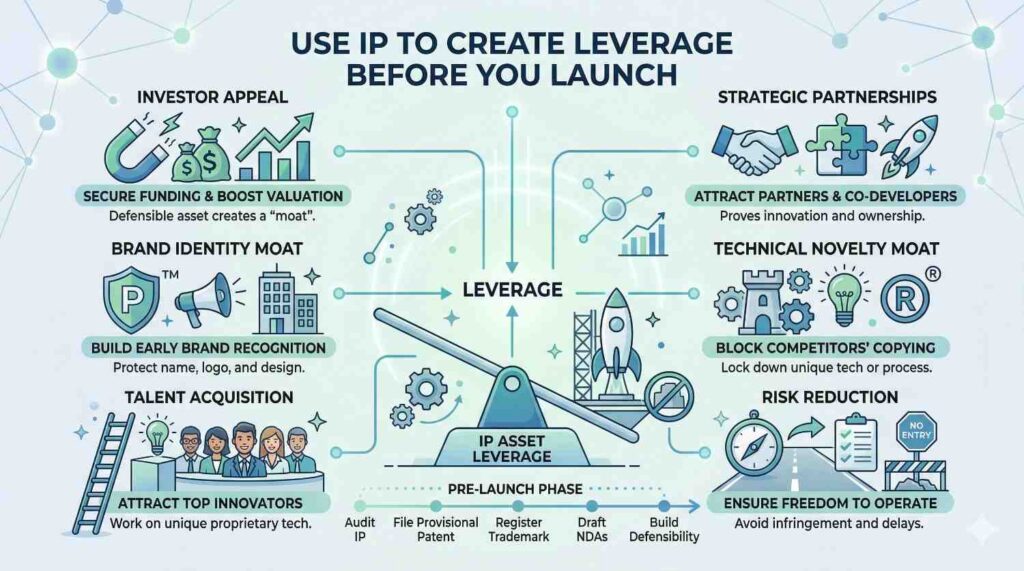
In AI and robotics, new ideas spread fast. Code can be replicated. Features can be copied. Without protection, your early work may not create lasting value.
When you raise without a product, investors need to believe that what you are building will be hard to duplicate. Intellectual property plays a central role in this belief. Filing patents around your core technology gives you an advantage that is not based on speed alone.
Ownership changes the tone of investor conversations. Instead of asking whether someone else can build the same thing, they start thinking about how strong your position could become.
This is not about filing random patents. It is about identifying the true technical edge in your system and protecting it properly. That requires strategy and experience.
Build an IP Strategy That Matches Your Product Vision
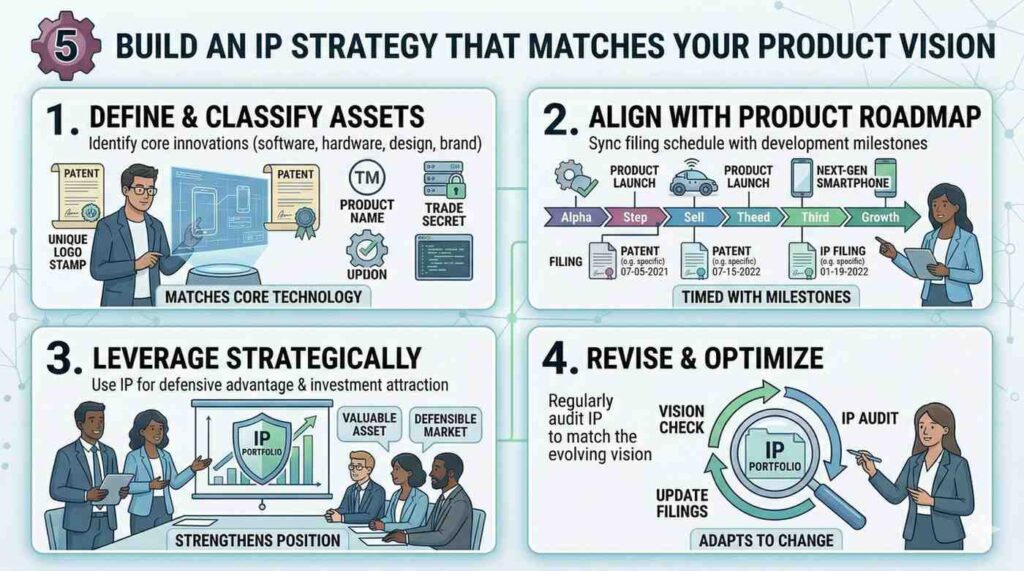
A strong IP strategy starts with clarity about what makes your approach different. It may be a new training method for a machine learning model. It may be a hardware design that improves efficiency. It may be a system architecture that solves a long-standing constraint.
Once that edge is clear, patents can be structured around it. Timing also matters. Filing too late can reduce protection. Filing too early without proper planning can waste resources.
This is where Tran.vc provides real value. Instead of giving you cash and stepping away, they invest up to $50,000 in in-kind patent and IP services. You work with experienced patent attorneys and operators who understand startups. They help you build a moat before product-market fit.
This approach gives you leverage. When you sit in front of seed investors later, you are not just another technical team. You are a company with protected assets and a clear foundation.
If you are serious about raising from strength instead of urgency, you can apply anytime at https://www.tran.vc/apply-now-form/
Strengthen Your Pitch With Protected Assets
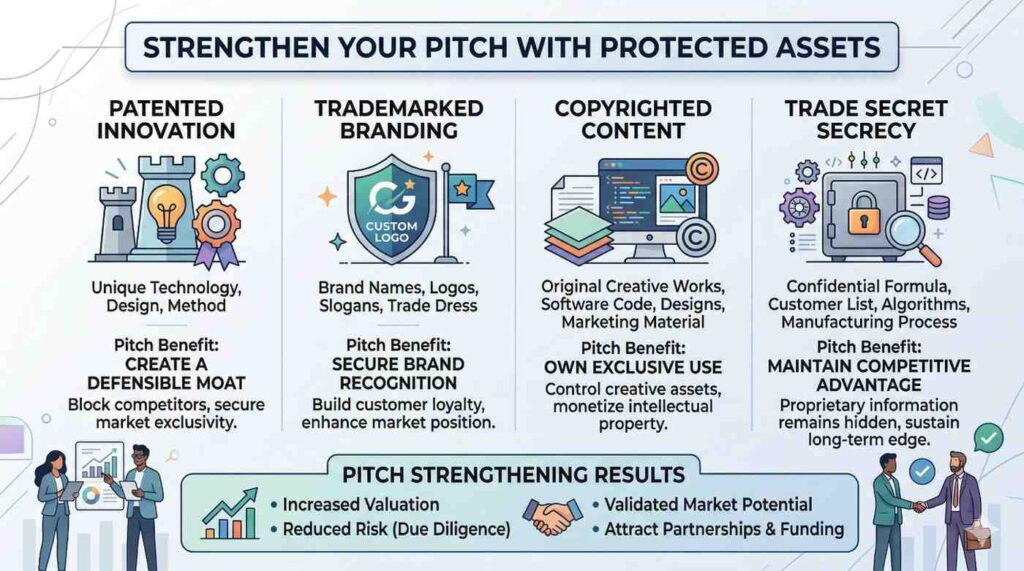
Imagine walking into a pre-seed meeting and being able to say that your core technology is already filed and structured for protection. That changes the energy in the room. It shows commitment and foresight.
Investors begin to see a company, not just a project. They see long-term value, not short-term experimentation. This can influence valuation, terms, and the quality of investors who want to participate.
Raising without a product is possible when you replace missing traction with strong foundations. Clear insight, structured execution, realistic risk management, and early IP protection together create a powerful narrative.
This is how you raise pre-seed capital without a demo or revenue. You build belief through depth, not noise.