
Most founders think “data network effect” means one thing: get more users, collect more data, win.
That’s only half true.
The other half is the part most teams ignore until it’s too late: ownership and control. Not just of the product, but of the data flows that make the product smarter over time. If you don’t protect those flows early, you can end up doing all the hard work of building the loop—then watching a bigger player copy the loop and outspend you.
That’s where IP comes in.
Used well, IP does not slow you down. It helps you build a data network effect that is harder to copy, easier to defend, and more valuable to partners and investors. It helps you turn “we have data” into “we have a moat.”
Tran.vc was built for this exact moment in a startup’s life: when the product is moving fast, the tech is real, the data is starting to show up, and you want to protect what matters without wasting time or giving up control. If you want help turning your data loop into protected assets, you can apply any time at https://www.tran.vc/apply-now-form/.
Do you want to build a data network effect, or just collect data?
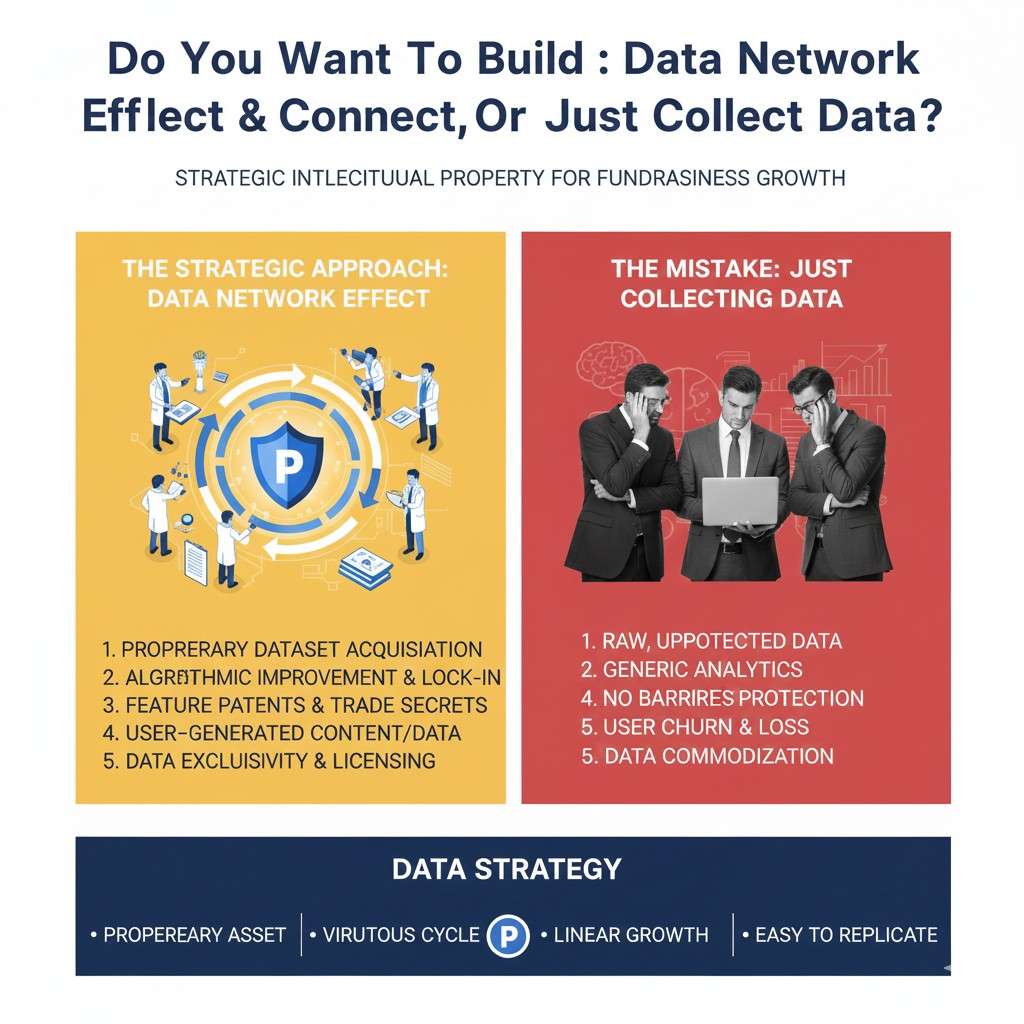
Here’s the simple difference.
Collecting data is passive. It happens because the product runs.
A data network effect is active. It happens because the product learns, and that learning makes the product better in a way that brings more usage, which creates more learning.
That loop has to be real. Not a slide. Not a story. A working system.
In robotics, it could be: more robots in the field → more edge cases captured → better planning and control → fewer failures → more deployments.
In AI, it could be: more customer queries → better routing and answers → higher retention → more queries.
In manufacturing, it could be: more sensor readings → better fault detection → less downtime → more plants adopt it.
So far, so good.
But now the hard question: what exactly is “the loop” made of?
Because the loop is not one thing. It is a chain of steps, and each step can be protected.
And when you protect the right steps, you don’t just defend yourself. You also create leverage. You can negotiate better partnerships. You can raise on better terms. You can grow without begging for permission.
That is the point.
Why IP matters more when your advantage comes from data
Many founders file patents too late because they assume the moat is “the model” or “the dataset.”
But in most real businesses, the moat is not the model.
Models change quickly. Vendors improve. Open source moves fast. Even your own stack will look different next year.
The moat is often something else:
- how you collect the data
- how you clean it
- how you label it
- how you connect it to outcomes
- how you feed it back into the product
- how you run it safely in the real world
- how you learn from failures without breaking trust
Those are not soft details. Those are the core.
And those are the parts competitors struggle to recreate, because it takes time, access, and the right system design.
When you capture those system designs as IP, you are doing two things at once:
- You are making it harder for a competitor to copy the loop step-by-step.
- You are turning your internal process into an asset that investors can value.
That second part matters more than most founders expect. Especially in deep tech, AI, and robotics. Investors want to see that your advantage is not just execution today, but defensibility tomorrow.
If you want Tran.vc to help you shape that defensibility from day one, apply any time at https://www.tran.vc/apply-now-form/.
How to Use IP to Build a Data Network Effect
What most founders miss about “data network effect”
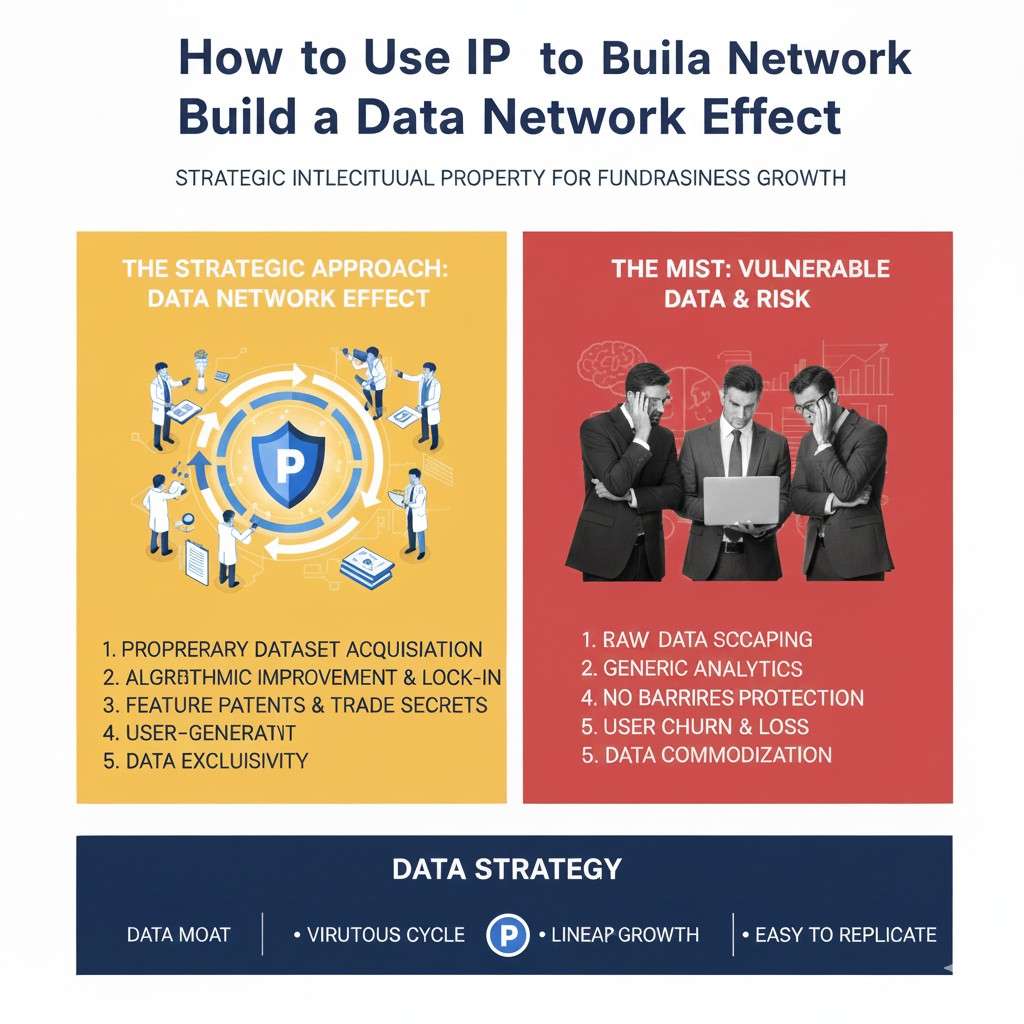
A data network effect is not the same as collecting a lot of data. Collecting data can happen by accident, just because people use your product. A true data network effect is a loop you design on purpose. More use creates better data. Better data improves the product. A better product brings more use. The loop keeps turning, and it becomes harder for others to catch up.
Many teams stop at the first step. They log events, store files, and call it a moat. That is risky. If the loop is easy to copy, a bigger player can clone the steps, spend more, and move faster. The winner is not the one with the biggest database. The winner is the one with the best learning loop, owned and protected.
Why IP belongs in the loop, not at the end
IP works best when it is part of the design, not a task you do after launch. If you wait until the product is “done,” you will miss the real inventions. The real inventions show up when you solve messy problems in the real world: sensor noise, missing labels, drift, safety limits, privacy rules, and cost pressure. Those are the moments where you build methods that others cannot easily recreate.
This is where Tran.vc helps technical teams move with speed and control. They invest up to $50,000 as in-kind patent and IP services so you can protect what matters while you build. If you want to turn your data loop into defensible assets, you can apply any time at https://www.tran.vc/apply-now-form/.
A simple promise of this guide
This guide is about using IP in a practical way. Not as a trophy. Not as a legal project that lives in a folder. The goal is to protect the parts of your data loop that create compounding advantage. When you do that early, you raise with more leverage, you negotiate better partnerships, and you reduce the chance that your best work becomes someone else’s feature.
The Real Meaning of a Data Network Effect
The loop is the product, not a side effect
In many AI and robotics companies, the product people see is only the surface. The real product is what happens behind the scenes after every use. When your system captures signals, improves, and ships that improvement back into the workflow, you are building a living product. The loop is not “training.” The loop is “learning in production, safely, repeatedly, and measurably.”
This matters because your advantage is not a single model version. Models change. Tools improve. Vendors catch up. What does not change is your ability to learn from real use faster than others. If you can keep improving with less cost and less risk, you create a gap that grows over time.
Examples that make the idea concrete
In robotics, the loop often starts in the field. More robots running means more edge cases captured. Those edge cases teach your planning and control system what to do in rare conditions. Fewer failures mean more deployments. More deployments mean more learning. Over time, you are not just selling robots. You are building a fleet brain that gets smarter with scale.
In B2B AI software, the loop may start with customer tasks. More usage means more queries, more feedback, and more outcomes to measure. If your system uses those outcomes to improve routing, reduce errors, and increase trust, customers stay longer and expand. Expansion creates more usage, and the learning loop keeps turning.
Why “data” alone is not a moat
It is tempting to say, “We have proprietary data.” But that line is weak unless the data is hard to reproduce. Many datasets are only proprietary because nobody tried to copy them yet. If a competitor can gather similar data with a similar product, your advantage will shrink fast.
A stronger story is not “we have data.” A stronger story is “we have a protected system that creates unique data and turns it into better outcomes.” That is what investors and partners want to see, especially in deep tech where execution takes time.
If you want help shaping that system into real IP, apply any time at https://www.tran.vc/apply-now-form/.
Where IP Fits Inside a Data Network Effect
Think in four parts, not one big invention
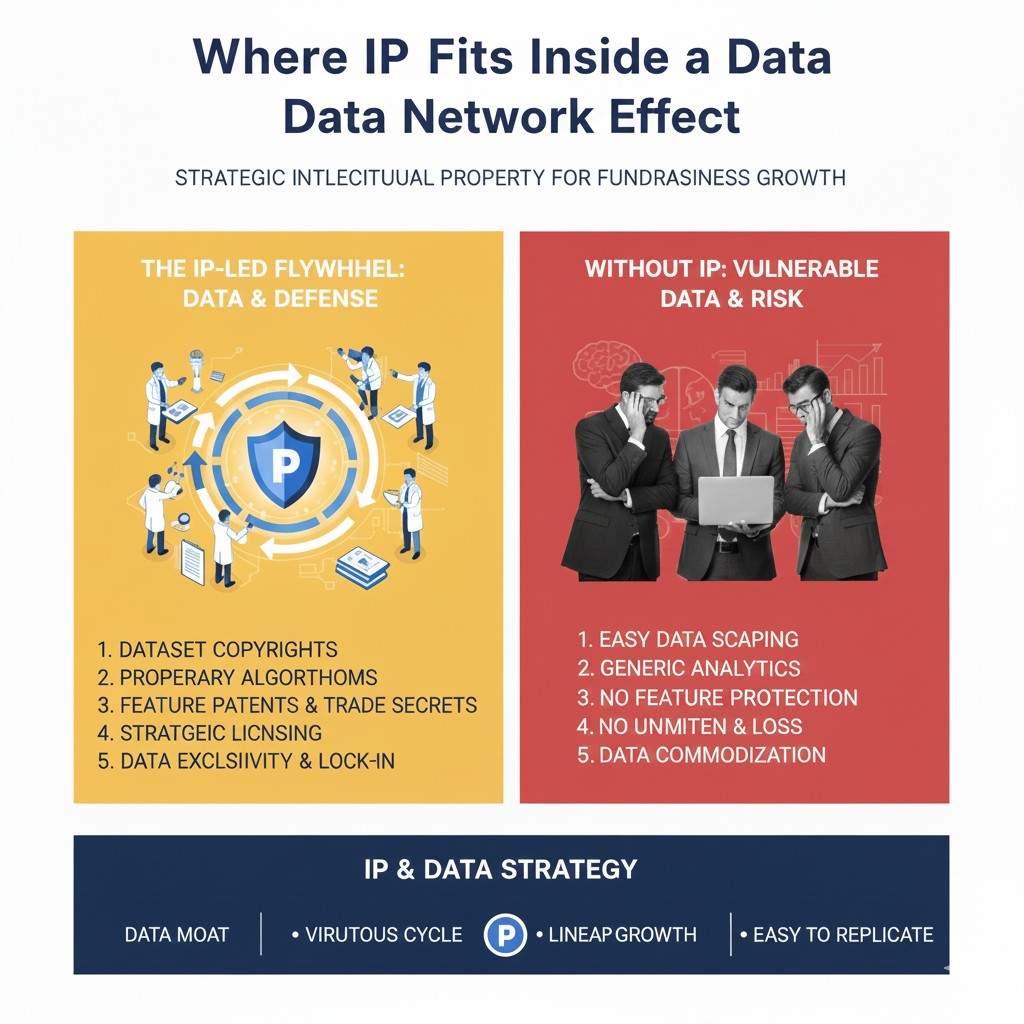
A data network effect is usually built from four connected parts. First, you capture data. Second, you improve its quality. Third, you learn from it in a way that changes the product. Fourth, the improved product drives more usage, which drives more data. Each part has technical methods inside it, and each method can become IP if it is novel and useful.
Most founders try to patent the “model” as if the model is the whole loop. In many cases, the model is not the hardest part. The hard part is the system design that makes the model improve in the real world. That is where IP tends to be strongest.
What makes loop-based IP strong
Loop-based IP becomes strong when it is specific. Courts and examiners do not like vague claims like “using AI to improve outcomes.” They respond better to concrete methods tied to real constraints. Constraints are not a weakness. Constraints are your proof that the invention is real.
For robotics, constraints include latency, compute limits, safety rules, and sensor failure. For AI in regulated spaces, constraints include privacy, audit needs, and consistent behavior. When you solve within tight limits, your methods become more defensible.
A practical way to spot “patent-worthy” work
If your team solved a problem that made your loop faster, cheaper, safer, or more accurate, slow down and capture what you did. Write down the problem, the constraint, the method, and the result. Do it while it is fresh. These notes become the foundation for strong filings later.
Tran.vc is built around helping founders catch these moments early, before they get buried under the next sprint. If you want that support, apply any time at https://www.tran.vc/apply-now-form/.
Part 1: IP for Data Capture
Why capture is the true starting line
If you cannot capture the right data, your loop does not exist. This sounds simple, but it is where most companies struggle. They either capture too little and cannot learn, or they capture too much and drown in noise and cost. Good capture design balances value and burden. It makes sure the system records what matters, in the moment it matters, with context that makes learning possible.
In robotics, capture design is often the difference between a fleet that improves and a fleet that repeats the same failure. Timing, sensor sync, calibration, and environment tags can decide whether an event is usable for training. In AI software, capture design decides whether feedback is real or just random user frustration.
What capture inventions look like in plain terms
Capture inventions often feel like “engineering decisions” until you realize how unique they are to your product. A method that decides what to record and when to record can be very valuable. A system that detects rare events on-device and stores extra context only when needed can lower costs while improving learning speed. A method that aligns data from multiple sensors so training signals stay consistent can be the difference between stable improvement and chaos.
In AI products, capture inventions can show up in how you collect feedback without annoying the user. If your system asks for feedback at the right time, in the right way, with the right options, your labels become more reliable. That feedback method may be part of your moat, and it may be protectable.
How to design capture for defensibility
If you want capture to become defensible IP, design it as a system, not a log. Ask yourself what data you get “for free” today, and what data you need to improve faster. Then ask what is hard to capture in your domain, and what method you built to make it easier. The hardest-to-capture signals often lead to the strongest IP, because they prove you solved real constraints.
When you can say, “Here is how we capture high-value signals that others cannot capture without our setup,” you are describing a defendable advantage. If you want help identifying those signals and protecting the methods, apply any time at https://www.tran.vc/apply-now-form/.
Part 2: IP for Data Quality
Why quality is where most loops fail
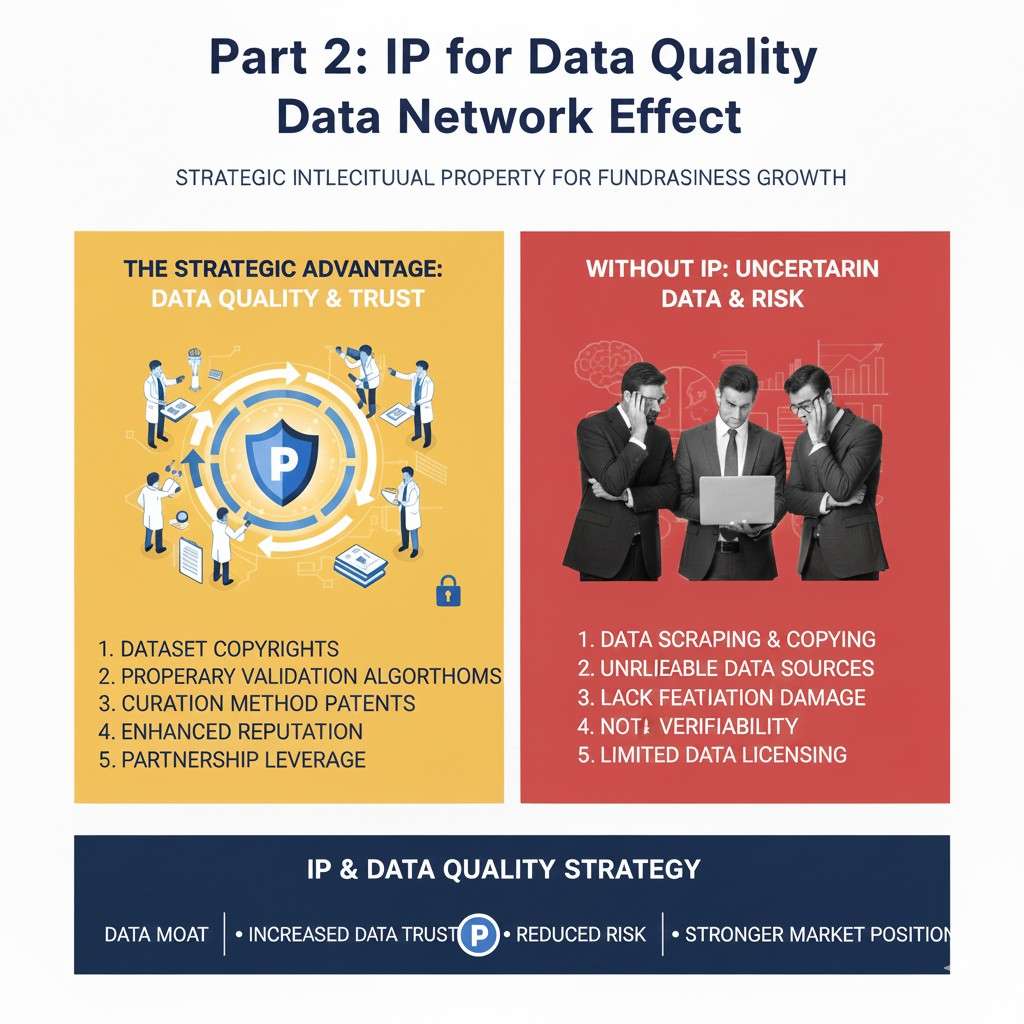
More data does not automatically mean better learning. Bad data can train bad behavior, waste compute, and destroy trust. Quality is what turns raw signals into something your system can rely on. In many industries, quality problems are not edge cases. They are the daily reality. Noise, missing fields, late feedback, and inconsistent labels are normal.
This is why quality work is often the hidden engine of a true data network effect. When you solve quality at scale, you speed up learning and reduce risk. That engine is also hard to copy because it depends on deep knowledge of failure modes.
What “quality IP” looks like in real systems
Quality inventions often involve methods to check data without heavy human work. For example, a system can auto-check labels using a second signal and only send uncertain cases to review. Another method can score data trust by source, then use that score during training so low-trust signals do not poison the system. In robotics, a quality method may detect drift in sensor behavior and trigger safe fallbacks while still capturing useful learning signals.
These methods can be protectable because they are specific processes tied to real constraints. They are not generic ideas. They are working systems that improve outcomes in measurable ways.
Why protecting the “refinery” is smarter than protecting the headline
Many founders want to patent the model because it sounds impressive. But the model is often replaceable. The data refinery is not. The refinery is how you clean, label, filter, and validate signals so learning stays reliable. If you protect the refinery, you protect the part competitors struggle to recreate.
This is also the kind of IP that investors respect, because it suggests repeatable improvement. If you want Tran.vc to help you find and protect these refinery methods, apply any time at https://www.tran.vc/apply-now-form/.
Part 3: IP for Learning Loops
Learning is not training, it is shipping improvement safely
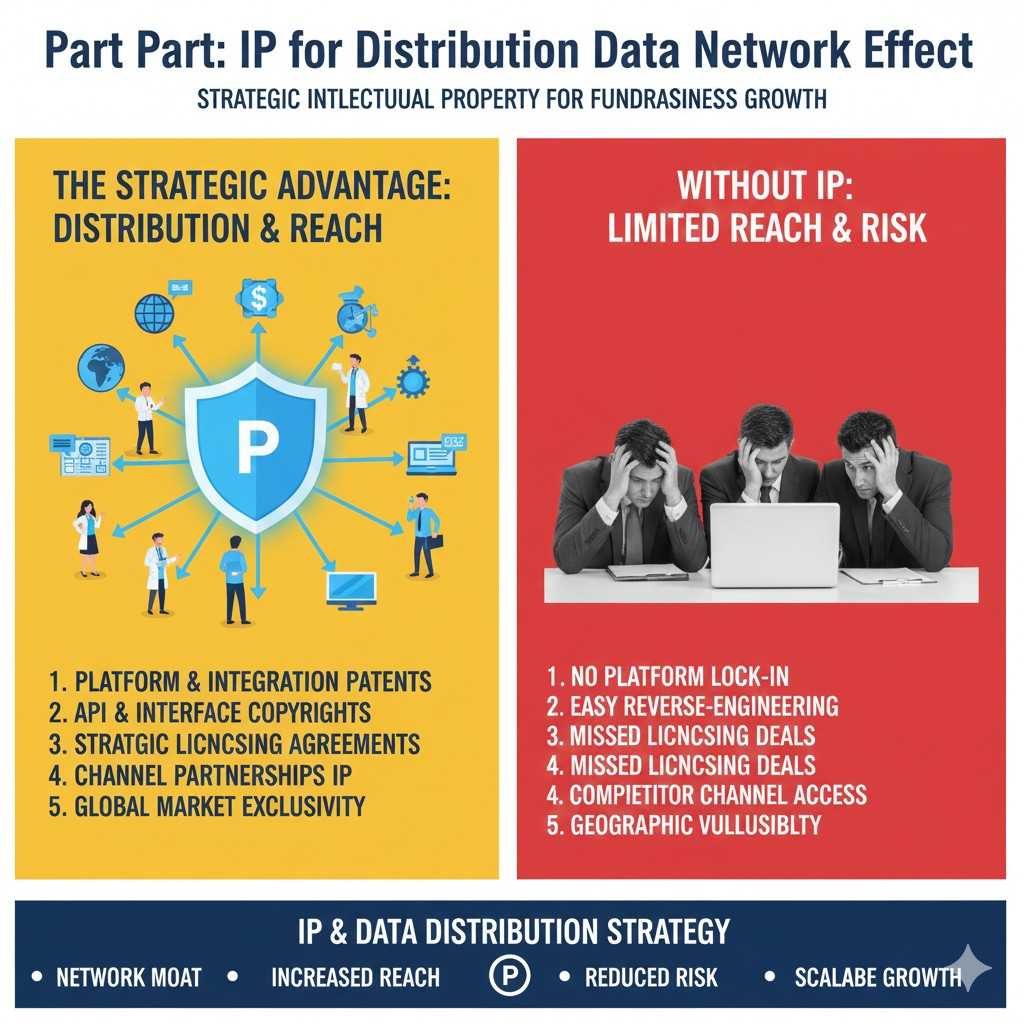
A data network effect requires learning that changes the product in a dependable way. That means more than retraining a model. It means building a pipeline that can take production data, convert it into learning, test changes, and deploy safely. The “safe” part is not a nice-to-have. In robotics and serious B2B AI, unsafe updates can cause failures, downtime, or loss of trust.
This is why learning loops are invention-rich. When you solve safe learning in production, you often create methods that are unique to your system and protectable as IP.
Where learning-loop inventions tend to hide
Many inventions hide inside feedback design. Users do not want to label things. Operators do not want to write reports. If you found a way to capture useful feedback with low friction, that is valuable. Inventions also appear in how you separate experiments from core use, how you detect regressions, and how you roll back when a change performs worse.
In human-in-the-loop systems, inventions often involve routing decisions. You may send only uncertain cases to a human, or you may ask for confirmation only when the cost of being wrong is high. If that routing method improves both quality and speed, it may be a key part of your loop and worth protecting.
How to make learning-loop IP stronger
Strong learning-loop IP connects to outcomes. If you can show that a method reduced failure rates, improved accuracy, or reduced review time, you create a clear value link. When you document inventions, capture the “before and after,” even if the numbers are not perfect. The goal is to show cause and effect, not to write a research paper.
This is where a good IP partner helps. They translate your system work into claims that map to real value. If you want Tran.vc to support that process, apply any time at https://www.tran.vc/apply-now-form/.
Part 4: IP for Distribution
Distribution can be technical, not just marketing
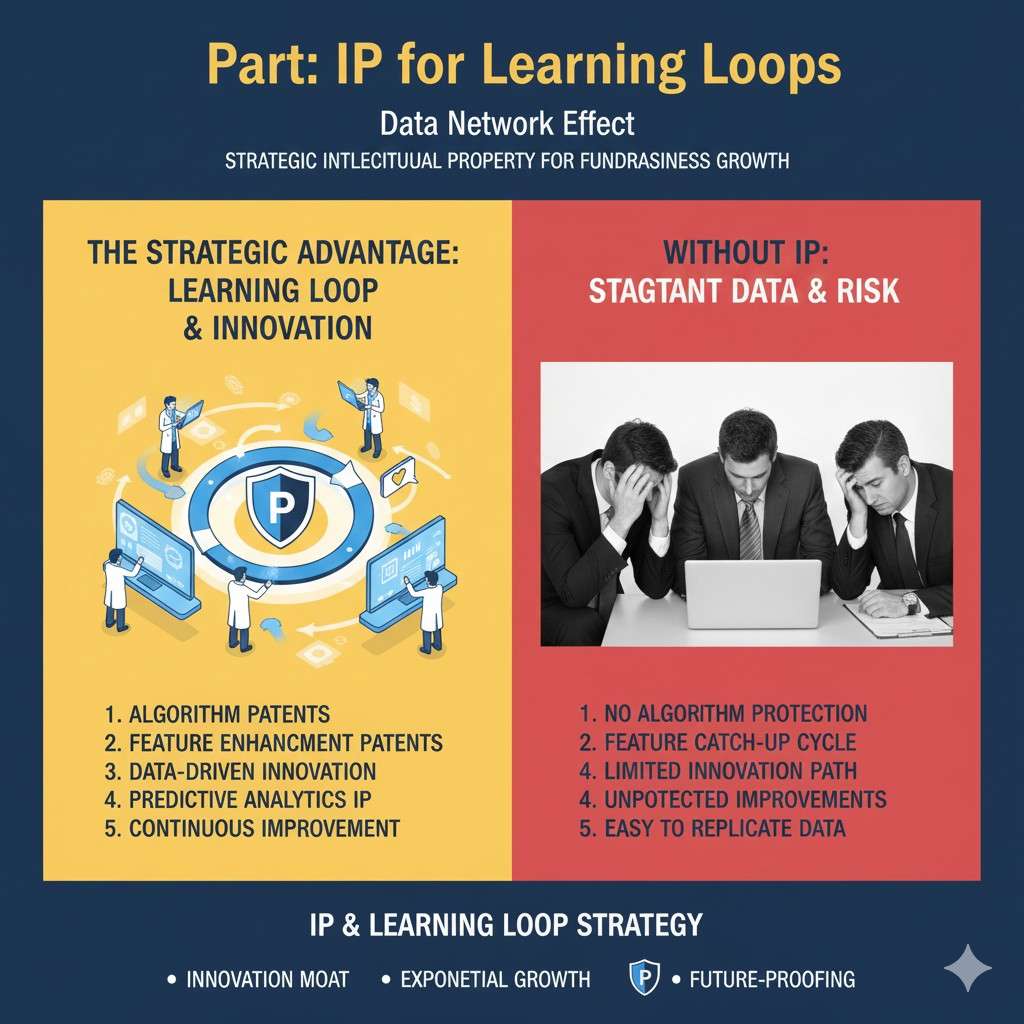
Many founders hear “distribution” and think ads or sales. In deep tech, distribution often depends on technical design. If onboarding takes months, growth stalls. If integration is painful, pilots never turn into rollouts. If customers cannot trust data sharing, partnerships die early.
When distribution depends on technical methods, those methods can be protectable. For example, a privacy-preserving data sharing system can unlock collaboration in industries where raw data cannot move. A secure partner pipeline that allows pooled learning without exposing sensitive records can create a strong network advantage.
Protecting what makes adoption easy
Some of the most valuable distribution inventions are the ones that reduce setup time. If you built a method to map customer data into your system with fewer steps, that is an adoption lever. If you created a way to generate “day one value” before full deployment, that is a growth lever. When these methods are unique and tied to constraints, they can become strong IP.
This matters because distribution is part of the loop. A product that learns but does not spread will not build a true network effect. If your technical design makes spreading easier while protecting trust, you are building compounding advantage.
Using IP to improve partnership leverage
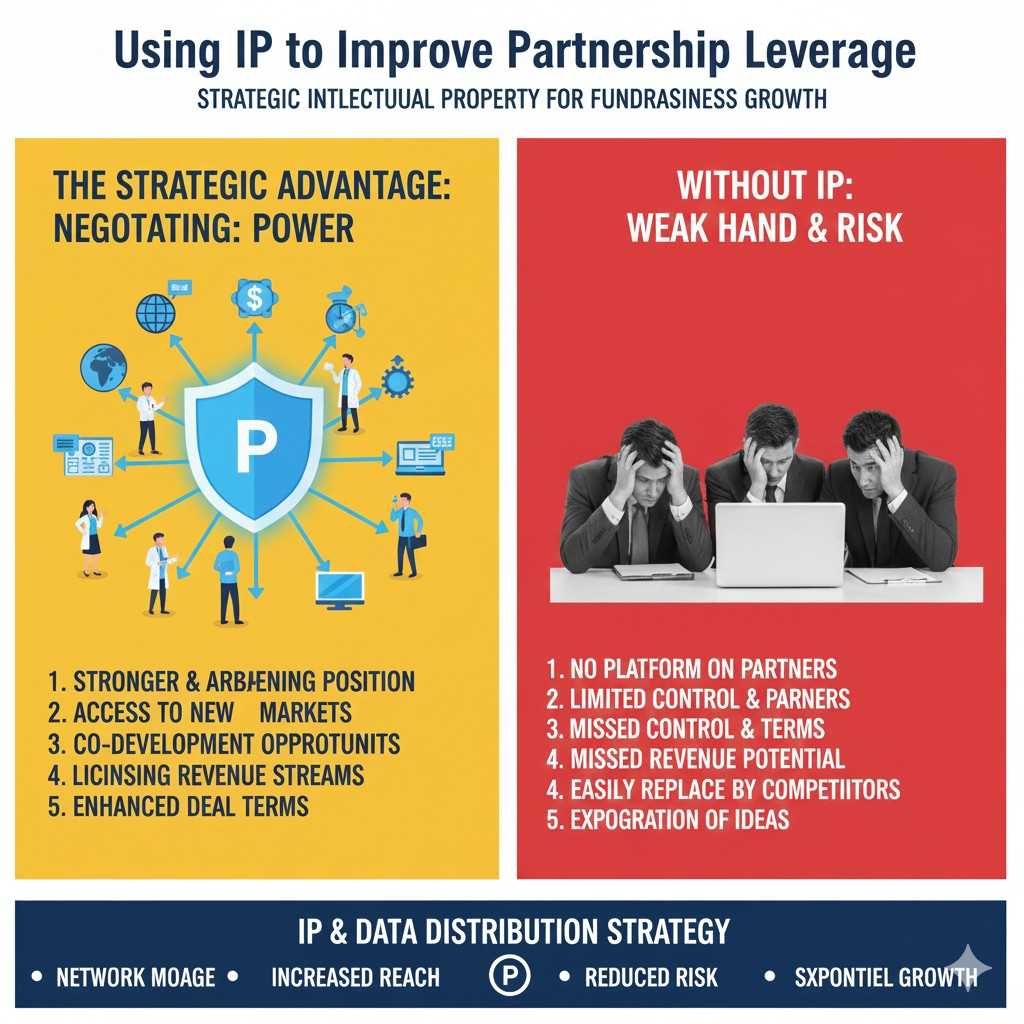
In many B2B settings, the fastest way to scale a data loop is through partners. But partners negotiate hard. If your advantage is not protected, they can demand control over the data or build the same thing internally. When you have IP around capture, quality, learning, and sharing, you can negotiate from strength. You can keep ownership clear and protect your ability to keep learning.
If you want help structuring that protection early, apply any time at https://www.tran.vc/apply-now-form/.