
Revenue is great—but early on, it’s not the only proof that matters. Smart investors look for quiet signs that your product works in the real world. They want clear, simple signals that say users get value fast, your loop is safe, and your edge is hard to copy. You can show all of that before big dollars show up.
This guide walks you through the strongest non-revenue signals: the ones that move a partner from “interesting” to “let’s talk.” We’ll keep it plain and tactical. You’ll see how to collect proof from real scenes, package it well, and tie it to IP so your advantage lasts. No fluff. Just steps you can run this week.
If you want a hands-on partner, Tran.vc invests up to $50,000 in in-kind patent and IP services for AI, robotics, and deep tech teams. We help you turn early signals into protected assets and a fundable story. Apply anytime at https://www.tran.vc/apply-now-form/.
Fast Activation in New Cohorts

Early revenue may be light, but a strong activation story turns heads. Activation is the first real win a new user reaches. It proves your promise shows up fast in the wild. When you define it well, measure it cleanly, and shave time to reach it, you create a non-revenue signal that investors trust.
Define the first win in plain words
Pick a moment that maps to the job, not to your UI. If your product inspects parts, the win is the first good catch on a real frame, not a login or a tour. Keep the line short so no one debates what counts. This clarity lets you compare weeks without changing the yardstick.
Make the definition strict enough to matter and simple enough to repeat. You want a moment a stranger can reach without your team on a call. If it needs help, note the help as a separate tag so you can remove it later. Strict beats fuzzy because it pushes the product to carry the weight.
Write the definition at the top of your metrics doc and inside your app notes. When the team uses the same words, fixes aim at the same goal. This alignment is a quiet but powerful signal: you run a tight ship.
Measure the path to the first win
Track new users as small cohorts by start week. For each cohort, record the share that hits the win and how long they take. Time matters as much as rate because speed builds trust. A win in minutes lands differently than a win in days.
Capture each step on the way. Data in, device ready, dry run, live result. You still report one headline, but the step view shows where people stall. When you remove one sticky step and the rate jumps next week, you have proof that feels causal, not lucky.
Keep the window honest for your domain. Heavy tools may need a longer clock than a browser app. Name the window on the slide so outsiders read the number in context. Context beats big claims every time.
Shorten time to value with tiny fixes
Preset the most common case so a new user can press one button and see a safe, useful result. A ready scene, a default threshold, and a short sample can cut minutes with little risk. People forgive rough edges when progress is fast.
Move scary actions behind a dry run. Show the path or output without risk first. Dry runs do not slow power users; they free them. They also reduce support, which you can note in your update as fewer tickets per cohort.
Save state after the win so a second win is even faster. Returning users who repeat with one click are your best non-revenue proof. A rising share of “second wins within a week” reads like early fit, even before invoices land.
Shadow Runs That Match Real Work

Shadow deployments create strong signals without taking control. Your system watches live feeds, makes calls in parallel, and logs results while humans act. You learn under true pace and true noise. Buyers see caution paired with progress. Investors see field proof before contracts.
Design the shadow with real limits
Install beside the real flow with the same sensors, latency, and compute. Do not grant yourself extra light, extra buffers, or extra hardware. Tight bounds make success believable and failure useful. If you would not have those aids in production, do not use them now.
Log every decision with time to decision and a confidence score. Also capture the human action taken and when it happened. These pairs tell a clean story: what you would have done, what the operator did, and how long each took. Patterns jump out in days, not months.
Pick a short, fixed window so the project does not drift. Two weeks over two shifts is often enough to see the common edge cases. Short windows keep focus high and the team energized. They also make it easy to book the next step.
Score calls with a shared rubric
Agree on categories before you start. Correct pass, correct fail, false reject, false accept, and defer. Defer is important because it shows your system chose safety. Buyers like to see that the machine knows when to slow down.
Review a random slice with the site lead every few days. Resolve disagreements on the spot. Store the rulings so end-of-pilot debates vanish. A clear, shared truth lowers friction later when you discuss scope and price.
Report with humility and numbers. If your system deferred in glare and then improved after a preset, say so with dates. Show the share of correct calls rising. A quiet slope with clear fixes is a better signal than a one-time spike.
Turn shadow proof into a tiny paid step
Convert the top two learnings into a narrow control guardrail. Offer to take action only when the scene is within those safe bounds. State the bound and the metric you will move. Safety first earns the right to expand.
Price the step modestly with a clear clock and one success line. If you hit it, the door opens wider. If you miss, you learned fast and kept risk low. Either way, you have moved beyond talk.
Capture any novel arbitration or fallback you built to make this work. If the logic is new and practical, file it. Guardrail methods that buyers trust are hard to copy later. Filing now turns today’s caution into tomorrow’s moat.
Expert Panels That Pressure-Test Your Claims

When real users are scarce, gather people who live the task. A small panel of operators and leads can act like your first user base. They give fast, sharp feedback and shape specs you can defend. If you run the panel like a build loop, it becomes a repeatable signal of progress.
Recruit hands-on voices, not just titles
Invite the person who fixes errors at 2 a.m., not only the person who signs budgets. A shift lead, a senior tech, a lab supervisor—people who can say “here’s how it breaks on Tuesdays.” Their words carry weight because they come from real days.
Balance variety with focus. Three similar sites with different lighting can reveal blind spots while keeping the job constant. Too much spread turns sessions into debates. Tight scope makes patterns appear.
Offer a clear give-get. One hour per week for three weeks. You bring early access, a small stipend, and a first look at a safe pilot path. Dates set up front make attendance real, which keeps momentum.
Run sessions that force tradeoffs
Bring one artifact per session: a short clip, a dry-run video, or a draft spec. Ask pass or fail and why. Avoid theory. Ask about the last live case that looked like this. Past tense keeps people honest and helps you tag causes.
Ask for counts and clocks. How often does this scene appear? How long before someone notices? What is the risk if it slips? Numbers turn talk into targets. Later, they turn into price frames without a fight.
Close each session with a change you will ship before the next call. Then show it working. The panel becomes a build engine, not a focus group. This rhythm is a signal by itself: you learn, you ship, you improve.
Turn panel output into specs and IP
Transcribe three short quotes in raw words. Tag each by role and scene. Real lines land better than crafted copy in sales and in raises. They also keep your team anchored to the job.
Write a one-page spec with accept thresholds the panel agreed on. State units, scenes, and clocks. Use it in your sims, sandboxes, and shadow runs. A repeated spec that survives multiple tests becomes a core asset.
If a recurring check or fallback wins the panel every time, capture it as a method in simple steps. File a provisional if it is new and useful. Protecting the thing experts trust most makes later sales easier and keeps rivals behind.
Safety Cases That Calm Risk and Speed Cycles

Safety is a traction signal in deep tech. A crisp, living safety case shows you know your edges and act with care. It shortens reviews, unlocks guarded pilots, and pairs well with filings that make your approach hard to copy.
Write the case for humans first
Define the system boundary in one line. Say what you sense, what you decide, and what you never do. People relax when they see edges. Fear fades when scope is clear.
List the top hazards you target, each with detect, decide, and act steps. Keep sentences short. Link each hazard to one proof: a sim clip, a sandbox bundle, or a shadow pair. Proof beats claims, even small proof.
Add an appendix with logs for guardrail events. Dates, reasons, and outcomes. A simple table says more than a long essay because it shows real behavior over time.
Keep it alive with weekly reviews
When guardrails fire, record cause and resolution. Review patterns each week. Most will be routine. Some will point to a tiny fix that raises trust and retention. Those fixes are worth a slide.
Add date stamps when you ship safety improvements. Over a quarter, your case becomes a timeline of risk reduction. Legal teams and buyers love timelines because they show control, not hype.
Share a short version early in sales. One clear page can cut weeks from security back-and-forth. Faster reviews mean faster shadow runs, which mean faster paid steps.
Protect the logic that earns trust
If your confidence scoring, sensor fusion, or arbitration is new and practical, write it as a method flow. Inputs, thresholds, branches, and fallbacks. Simplicity helps counsel and examiners see the novelty.
File quickly when the logic drives acceptance. Safety engines that buyers learn to trust become hard to displace. Once protected, they also anchor price because you own the thing that lowers risk.
Tran.vc helps founders turn safety logic into claims while keeping cycles light. If you want a partner for filings and story, we invest up to $50,000 in in-kind IP work. Apply at https://www.tran.vc/apply-now-form/.
Independent Benchmarks That Others Respect
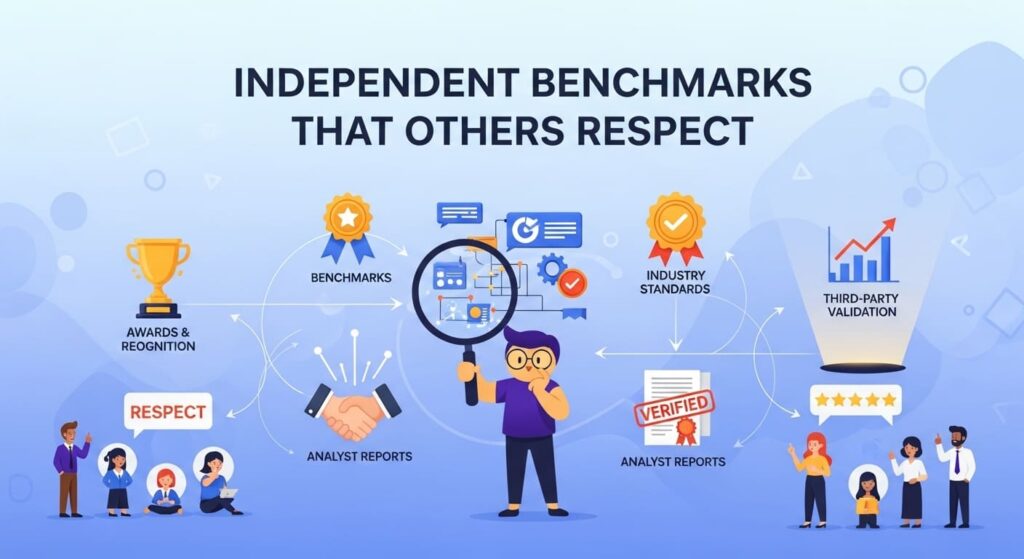
A pass on a known bar is a strong non-revenue signal. It says an outside adult looked at your work and agreed it meets a level. Pick a bar that matches your wedge so the pass matters on day one.
Choose a bar your buyer already cites
Ask prospects which standards they use in reviews. Pick the smallest slice that maps to your first job. A tight scope is better than a broad, slow audit. Speed builds momentum, and momentum wins deals.
Map the bar to your boundary in plain words. Say what will be tested and why it matters to the job. Avoid side quests. If a test does not help a buyer say yes, park it for later.
Freeze configs and data before testing. Share them with the assessor so runs can be replayed. Repeatable runs turn passes into durable proof, not one-off luck.
Run in the open and learn fast
Invite a future champion to watch one short session. Seeing the process reduces doubt. It turns certification into shared learning, not a black box.
When gaps appear, log them, fix one, and retest fast. Each closed gap is a line in your monthly update. Over a few weeks, your “open issues” list shrinks, which calms rooms more than big claims.
Publish a one-page summary in simple words: bar, scope, criteria, outcome. Add one still image. Buyers forward short, clear pages. Long binders stall in inboxes.
Pair the pass with a guarded pilot
Offer a tiny step tied to the same scope you just passed. State the guardrails and the metric you will move. The pass lowers fear; the pilot turns comfort into motion.
If a unique method helped you pass with less setup, capture it. Filing now keeps rivals from riding your homework later. The combo—pass plus claim—signals quality and moat together.
Tran.vc can help select the right method to protect and package the story. When your proof becomes IP-backed, your raise gets easier. Start here: https://www.tran.vc/apply-now-form/.
Product Velocity That Users Can Feel

Speed is a signal. Not just shipping fast, but shipping the right fix in short loops. When your release notes show steady wins tied to real scenes, people trust your team. They see a group that listens, learns, and moves with care. That trust stands in for early revenue because it says the engine works.
Show dates, not drama
Keep a simple log with the day you shipped, the change you made, and the metric it touched. Use the same few words each time so anyone can read the pattern in seconds. “Dry run added → faster second win.” “Preset tweaked → fewer false rejects.” Dates make motion feel real. Dates also stop long debates because they anchor memory to proof. When you speak with dates, partners stop guessing and start leaning in.
Publish a short note each week. Two lines and one image are enough. The image should be a real screen, not a mock. This rhythm teaches your market to expect progress. It also gives you lots of small artifacts to drop into meetings. A pile of tiny, dated wins beats one large launch that fades.
When a change misses the mark, write it down. “Tried X, no lift, rolled back.” Calm honesty builds more trust than spin. It shows you protect users when an idea does not work. It shows you will not chase fads. That tone is rare and valued at pre-seed.
Tie releases to measurable loops
Each release should name one loop: trigger → decision → result. If a fix shortened the loop, say by how much. If it made the loop safer, show the drop in defers or overrides. Loops help people see cause and effect. They also map well to claims later if the method is new and useful.
Keep the scope small so effect shows up in a week. A default, a label, a fallback branch—these are low-risk moves that teach fast. When the curve moves, you know which lever did it. That clarity compounds into a playbook you can repeat across sites.
Use the same cohorts for reading results. A steady lens avoids false wins that come from mixing old and new users. Partners will notice the discipline. It says your numbers are not convenient; they are consistent.
Protect the methods behind the wins
If a fix that moved the curve comes from a unique method—a planner under mixed light, a ranking score that blends sensors, a data recipe that finds hard cases—write the steps in plain order. Inputs, transforms, checks, fallbacks. Keep it short and clear.
Draft a provisional on that method if it is novel and practical. The best time to file is right after you see the lift. You have fresh logs, clean screenshots, and an exact story. This package helps counsel write strong claims and helps investors see a moat forming.
Note “provisional filed” in the next release note. One quiet line links product velocity to defensibility. It signals that you build fast and you protect fast. Tran.vc can help you choose and file without slowing the team. Apply at https://www.tran.vc/apply-now-form/.
Pipeline Quality Without Invoices

You can show a healthy future even before cash hits the bank. A clean, qualified pipeline tells a simple story: who is real, why they care, and what happens next. Quality beats volume. A short list of the right names says more than a long list of maybes.
Define “qualified” in one line
Write a rule that anyone on your team can apply in five seconds. “Buyer with the problem, path to budget, next step dated.” If any piece is missing, it is not qualified. This hard line keeps your view honest and your time focused.
Apply the rule across channels. A partner intro that lacks a date is not qualified. A cold lead with a booked shadow run is. When you treat every path the same, your math stays clean. You can say, “We have X in true pipeline for next month,” and people believe you.
Recheck weekly. Deals go stale if no step lands. Move them out without drama and refill with better fits. The act of pruning is the signal. It shows discipline and control, not hope.
Show stage speed, not just totals
List how long deals spend in each step: discovery, sandbox, shadow, guarded pilot. Old stages teach where friction lives. If discovery takes two days but legal takes two weeks, you know where to push. “We cut legal to five days with a one-page order” is a strong line in any meeting.
Highlight the steps you changed and the speed gains you saw. A new security FAQ, a safety one-pager, a preset for first runs—when these cut days, write the before and after. Time saved is a non-revenue signal that feels like revenue because it brings dollars closer.
Track stage-by-stage win rate by segment. If line 2 managers convert twice as fast as corporate IT, lean in. This focus does not make you small; it makes you sharp. Sharp funnels close sooner and teach faster.
Connect pipeline to proof assets
Tie every qualified deal to a proof artifact: a sim bundle, a sandbox clip, a shadow pair, or a benchmark pass. This link calms rooms because talk is backed by files. It also speeds internal reviews at the buyer: your champion forwards assets that answer common doubts.
Use the same asset names across deals. Reuse works wonders. A “Glare-03” bundle that has survived three sites becomes a shared language. It shortens calls and makes decisions easier.
When an asset keeps winning, consider filing on the method it proves. The more sites it passes, the stronger the case for utility. Protecting it now means the next five wins stay yours. Tran.vc helps make these calls and does the filings as part of our in-kind investment.
Integration Depth as a Signal of Fit

Even without revenue, deep integration says a lot. If your system connects to real devices, real data, and real alerts—and does it with care—that depth looks like commitment on both sides. It suggests staying power.
Integrate with the few systems that matter
List the three systems your buyer uses daily at the wedge. A camera and PLC on the line. A LIMS and storage in the lab. Pick one or two to start. Shallow links to ten tools signal noise. Two deep links signal fit.
Implement the link with safe defaults and clear logs. Show how you handle auth, errors, and retries. Show where you store nothing at all. These details shorten security reviews and make tech leads relax. Calm leads move deals.
Publish a tiny “integration note” per system: setup time, version tested, and limits. One page per link beats a giant doc. It’s easy to share and easy to keep fresh.
Measure use of the integration, not just its presence
Log whether data flows each day and whether the link reduces steps. “Preset pulled from PLC” is better than “PLC connected.” “Spec auto-pushed to LIMS” is better than “API live.” Words matter because they show the link does work.
Show the lift that came from the link: fewer re-teaches, fewer manual exports, faster second runs. These tie integration to retention. Retention is the non-revenue signal investors believe most at this stage.
If an integration lowers risk—a safe stop on bad values—call it out. Safety value often justifies access even before full ROI is proven. That is how early pilots get greenlit.
Protect the glue if it is special
If you invented a way to keep state across devices, or a method to arbitrate conflicting signals, write the flow down. If it is new and practical, file it. Glue is often the moat in deep tech; it is where others stumble.
Mark “claims in prep” in your integration note once you start. This quiet tag tells technical reviewers that your approach is not a quick script; it is a method. That raises respect and slows copycats.
Tran.vc helps founders decide which glue to protect. We turn quiet connector tricks into claims that stick, as part of our up to $50,000 in in-kind IP work. Apply at https://www.tran.vc/apply-now-form/.
Put It All on Two Slides People Remember

Busy partners and buyers need a story they can retell without you. Two slides can do it: one for proof under real limits, one for motion with discipline. Keep both clean and repeatable.
Slide 1: Proof under real limits
Title the slide with the job in the buyer’s words. Show three scenes in small boxes: sandbox, shadow, and benchmark. Under each, write target, result, and the constraint (“30 FPS, sodium light, Jetson Xavier”). Add one small image per box. The eye reads the pattern fast.
Place one raw quote near the boxes. A single sentence from an operator is better than any tagline. “Dry run made it safe to try on shift.” Real words anchor the slide in the field, not in your office.
In the bottom corner, add a quiet line: “Method: glare-safe planner; provisional filed.” This binds outcome to moat. Partners repeat that line in their own meeting. That is the goal.
Slide 2: Motion with discipline
Title the slide “Velocity and Pipeline.” On the left, show three dated release notes with the metric each moved. Keep each to one line. On the right, show a tiny table of qualified deals with stage and next step date. End the table with a single ratio: near-term pipeline vs. near-term goal.
Add a small cohort curve at the bottom with two labels: “added dry run,” “kept presets.” Dates under the labels keep the story honest. You do not need axes art; you need cause and effect.
Finish with one call to action that matches your wedge: “Two-week guarded pilot on line 2; owners and dates set in kickoff.” Clear, small asks get yes. Vague asks get stalls.
Keep assets behind the slides
Have your sim bundles, sandbox clips, shadow pairs, safety page, and integration notes in the appendix. When a question comes, you flip and answer with a file, not a promise. This saves time and raises trust.
Name files in a way people can find later. “Scene-Glare-03.mp4” beats “final-v7.mov.” The first can be forwarded and reused; the second dies in a thread. Small details win rooms.
When you ship a new fix or pass a new scene, swap it into the slide. The frame stays; the proof gets fresher. Your deck becomes a living, two-page story that always reflects the latest truth.
Conclusion
Strong startups do not wait for revenue to prove they are real. They show wins under real limits, even with few users. Fast activation, clean shadow runs, tight panels, safety cases, honest benchmarks, steady releases, focused pipeline, and deep integrations—stacked together—tell a simple story: the product works, the team learns, and the risk is falling each week. That calm, steady proof raises eyebrows because it feels like control, not luck.
Keep your loop tight. Pick one job, set one target, run one scene, ship one fix, and show the lift with dates. Save the clip, the log, and the quote. When a unique method makes the lift repeat—whether it is a guardrail, a planner, a data recipe, or the glue between systems—write the steps and protect them. Now each new signal is not only traction; it is an asset you own. That is how non-revenue proof turns into a moat and a better round.
If you want a partner to help you do this well, Tran.vc invests up to $50,000 in in-kind patent and IP services for AI, robotics, and deep tech teams. We work with you to choose the right scenes, file the right claims, and package your proof so partners say yes fast. If that is your next step, apply anytime at https://www.tran.vc/apply-now-form/.