
Robotics is hard.
It takes time. It takes money. It takes deep focus. And if you are building something real — not just slides and demos — you already know the road is long.
Pre-seed funding is the first real test.
This guide will help you understand how pre-seed funding works for robotics startups, what investors actually look for, how to prepare, and how to protect your advantage before you ever raise a big round.
If you are building a robotics company, this is for you.
And if you want expert help turning your technology into protected, investor-ready assets, you can apply anytime at https://www.tran.vc/apply-now-form/
Why Robotics Startups Have a Different Funding Path
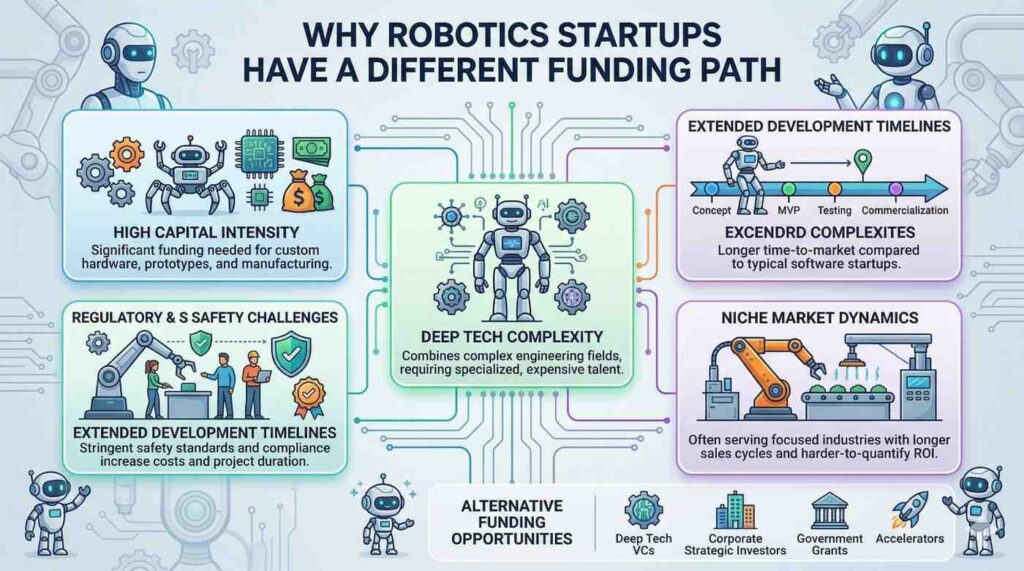
Robotics is not software.
You cannot ship a half-working robot into the world and fix it with a patch the next day. Hardware costs money. Sensors cost money. Testing costs money. Manufacturing costs money. Time costs money.
Most early investors are used to software. They like fast growth charts. They like low burn. They like quick pivots.
Robotics does not move that way.
You may spend 12 months building and testing before you ever sell one unit. You may spend months solving a single motion control issue. You may need to refine your hardware three times before it works well enough for a pilot.
That means the pre-seed stage for robotics looks different.
At this stage, you are not trying to show massive revenue. You are trying to prove three things:
First, that the problem is real and painful.
Second, that your technical approach works.
Third, that your solution can be protected and scaled.
Most founders focus only on the second point. They build. They test. They improve.
But investors also care about protection and scale. If your robot can be copied easily, your long-term value drops. If your core system has no defendable edge, you become a commodity.
That is why pre-seed funding for robotics must include a strong IP plan from day one.
This is where many founders make mistakes.
They build first. They raise later. They think about patents after launch.
By then, it is often too late.
If you want to build a robotics company that lasts, you must think about IP before you talk to investors. If you want help with that, Tran.vc works with robotics founders at the earliest stage. They invest up to $50,000 in in-kind patent and IP services to help you build a strong foundation before your seed round. You can apply at https://www.tran.vc/apply-now-form/
What Pre-Seed Funding Really Means in Robotics
Pre-seed funding is not about scaling fast.
It is about survival and validation.
At this stage, you are usually pre-revenue or very early revenue. You may have a prototype. You may have a lab setup. You may have early pilot talks. But you are not yet a full company with stable operations.
Pre-seed capital is meant to help you:
Finish your working prototype
Run early tests
File key patents
Hire one or two key engineers
Prepare for pilots
Build early investor relationships
In robotics, pre-seed checks can range from $250,000 to $2 million depending on the team and the tech. But raising that money is not easy.
Why?
Because robotics is capital heavy. Investors know that your pre-seed round will not be your last. They want to believe that you can reach meaningful milestones before your next raise.
If you cannot clearly explain what the pre-seed money will unlock, you will struggle.
You must show a clear path from:
Idea → Prototype → Protected IP → Pilot → Seed round
Without that path, you look risky.
With that path, you look focused.
The Real Question Investors Ask (But Rarely Say Out Loud)
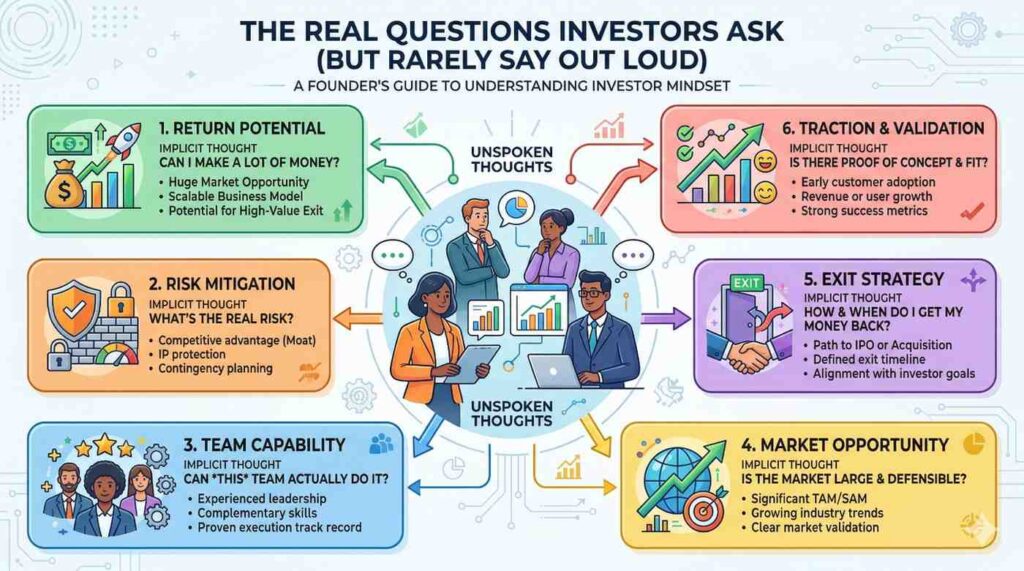
When an investor looks at a robotics startup at pre-seed, they are asking one big question:
“Is this a science project, or is this a company?”
A science project is exciting but unclear. It may be technically impressive, but it has no clear path to revenue or defensibility.
A company is different.
A company has:
A clear problem in a defined market
A working technical approach
A plan to protect the core innovation
A realistic view of cost and production
A team that understands both tech and business
Many robotics founders lean too much on the tech side. That is natural. You are engineers. You love building.
But pre-seed investors need to see that you understand the business side too.
They want to know:
Who will pay for this?
How much will they pay?
How long is the sales cycle?
What makes you hard to replace?
If your answer is just “we are the best engineers,” that is not enough.
You must show why your work cannot be easily copied.
And this is where IP becomes powerful.
Why IP Is a Core Asset at Pre-Seed
In robotics, your value often sits in:
Control systems
Mechanical design
Sensor fusion methods
Navigation algorithms
Gripper systems
Battery management
Data processing
These are not just features. They are assets.
If you protect them early, you build leverage.
If you wait, you lose leverage.
Many founders think patents are only useful later. That is a mistake.
At pre-seed, strong IP signals three things:
You think long-term.
You understand your edge.
You are serious about building a real company.
It also helps in another way.
When investors see filed patents or a clear IP roadmap, they feel safer. They know that if they invest, your core work is not wide open for competitors.
Tran.vc was built around this idea. Instead of writing a small check and stepping back, they invest up to $50,000 worth of in-kind patent strategy and filings. That means real patent attorneys, real strategy sessions, and real execution. This is not a template service. It is built for deep tech and robotics.
If you are serious about pre-seed funding and want to build an IP-backed moat from day one, you can apply here: https://www.tran.vc/apply-now-form/
How to Prepare Before You Raise
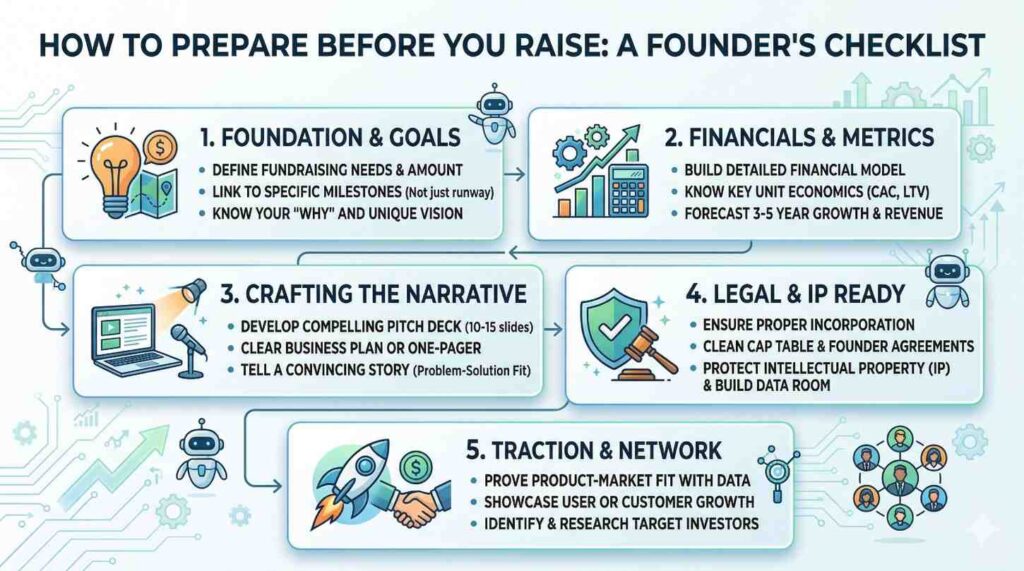
Before you even speak to investors, you should be able to clearly explain five core things.
You must describe the problem in simple terms.
If your explanation takes ten minutes and three diagrams, it is too complex. A strong founder can explain the pain point in two minutes.
Next, you must show that your robot solves that problem better than current options.
This does not mean you need full production units. But you need proof. Test data. Pilot feedback. Early validation.
Then, you must explain your unfair edge.
This is where many founders hesitate.
Your edge is not just “we are smart.” It is something specific. A novel actuation system. A unique mapping method. A lower cost manufacturing approach. A patented design.
If you cannot define your edge clearly, you cannot protect it.
After that, you need a milestone plan.
Pre-seed investors want to know what happens in the next 12 to 18 months.
Will you complete version two of your prototype?
Will you run three paid pilots?
Will you reduce unit cost by 40 percent?
Will you file two core patents?
Clear milestones build trust.
Finally, you must show that you understand your burn rate.
Robotics founders sometimes underestimate cost. Parts get delayed. Testing takes longer. Manufacturing quotes change.
You need a realistic financial plan, not a hopeful one.
Common Mistakes Robotics Founders Make at Pre-Seed
One common mistake is raising too early without protection.
You share detailed design insights in pitch meetings. You describe your novel system openly. You circulate technical documents without NDAs.
Later, you realize that others are building similar systems.
Without filings in place, you have little defense.
Another mistake is chasing large venture firms too early.
Big VC firms often prefer later-stage robotics startups with strong traction. If you approach them at pre-seed without strong IP and milestones, you may burn relationships.
It is better to build a strong base first.
Some founders also focus only on grants and ignore equity funding. Grants are helpful. But grants do not always bring strategic guidance or investor networks.
Balanced capital sources work best.
Finally, many robotics teams ignore storytelling.
You are not just selling a machine. You are selling a vision of change.
If your pitch is too technical and lacks clear business value, you lose attention.
The Power of “Seed-Strapping” in Robotics
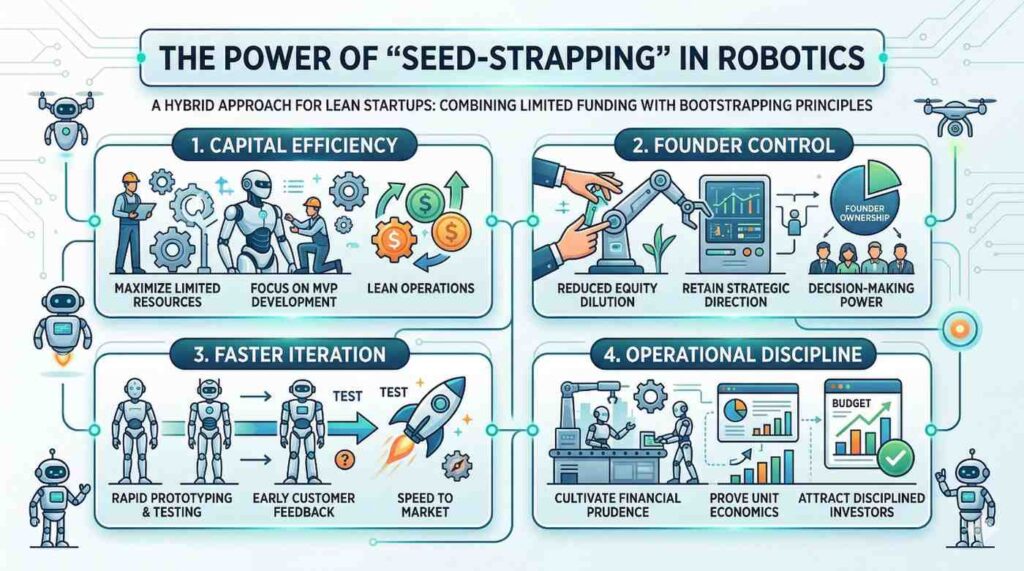
There is a smarter way to approach pre-seed.
Instead of raising a large round quickly and giving up major ownership, you can build leverage first.
This means:
Protect your core tech
Prove technical milestones
Secure small pilots
Show cost improvements
Build early IP
Then raise from a position of strength.
At Tran.vc, this approach is called seed-strapping.
It is about growing with intention. Using smart automation. Building strong IP early. Avoiding desperation.
When you show up to a seed investor with protected technology and early proof, your negotiation power increases.
You are no longer asking for permission.
You are offering opportunity.
If you want support building this kind of foundation, you can apply at https://www.tran.vc/apply-now-form/
Structuring Your Pre-Seed Round the Right Way
Start With a Clear Funding Purpose
Before you decide how much to raise, you must first decide what this round is meant to achieve.
Pre-seed funding is not meant to build a full company. It is meant to unlock the next proof point. In robotics, that usually means moving from early prototype to reliable pilot-ready system.
If you cannot clearly explain what this round will accomplish, investors will sense confusion. They want to see focus. They want to know that every dollar has a job.
When you define the purpose first, the round size becomes easier to calculate. You raise what you need to reach the next strong milestone, not what sounds impressive on paper.
If you want help mapping those milestones and aligning them with IP strategy, you can apply anytime at https://www.tran.vc/apply-now-form/
Decide How Much to Raise Based on Milestones
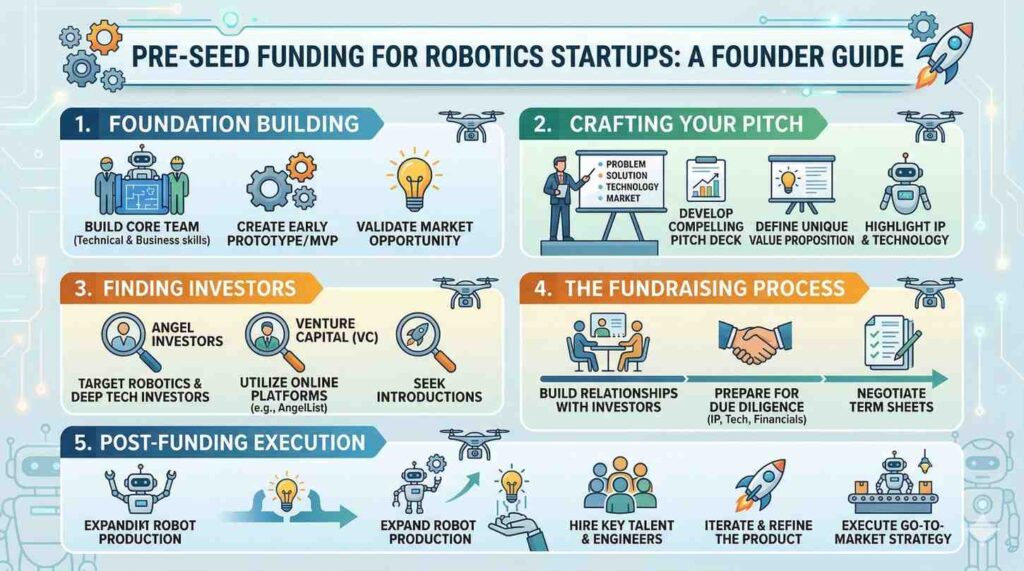
Many robotics founders look at what other startups raised and copy that number. That approach often backfires.
Your raise amount should connect directly to engineering goals, hiring needs, patent filings, testing cycles, and pilot deployments. Robotics timelines are longer, so your budget must reflect that reality.
If your next 18 months require two hardware revisions, three pilot programs, and three patent filings, then your financial plan should reflect those exact steps.
Investors respect founders who show detailed, realistic planning. They lose trust when projections feel rushed or overly optimistic.
Raising too little creates stress and distraction. Raising too much too early can force you into giving up more equity than necessary.
A balanced plan gives you enough runway to build strength before your next round.
Choose the Right Instrument for Your Round
At pre-seed, most robotics startups use SAFE notes or convertible notes instead of priced equity rounds.
These tools allow you to delay valuation discussions until you have stronger traction. That works well for robotics, where proving technical reliability takes time.
However, you must understand your cap table clearly. Even early convertible instruments affect ownership. If you stack too many early notes without planning, your dilution can surprise you later.
It is wise to model different outcomes. Think about what happens if you raise again at a modest valuation versus a high one. Make sure your early structure keeps you in control.
Control matters deeply in robotics. Development cycles are long. You need patient capital, not pressure capital.
Avoid the “Big Round” Trap
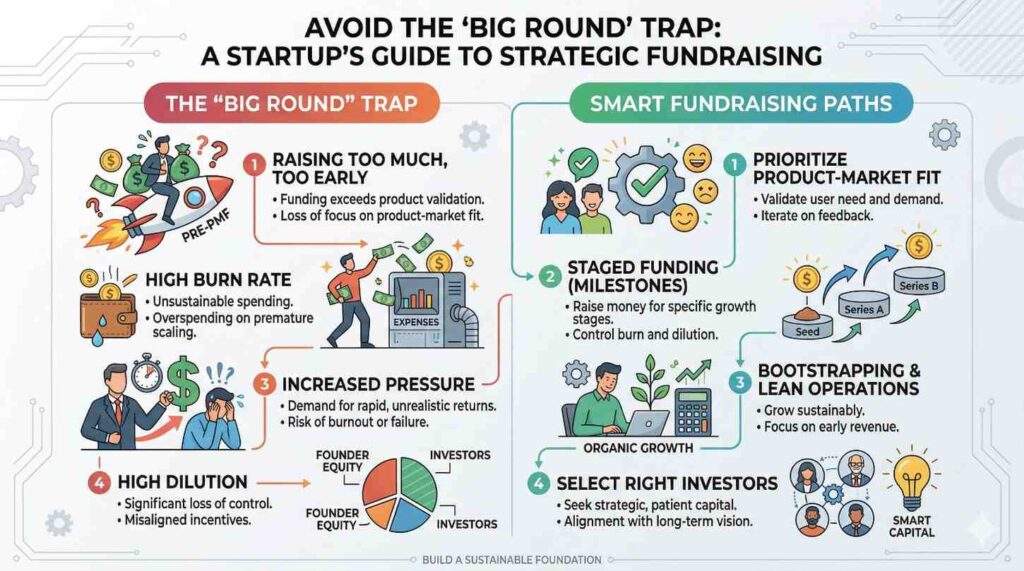
Some founders believe raising a large pre-seed round signals strength. In robotics, it can do the opposite.
A very large early round creates high expectations. Investors may expect rapid commercial traction that hardware timelines cannot support.
It can also lead to loose spending. When capital feels abundant, discipline weakens. Robotics companies must stay sharp and focused.
A lean but well-planned pre-seed round often creates stronger long-term outcomes. It forces clarity, efficiency, and tight milestone tracking.
That discipline becomes attractive when you approach your seed round.
How Much Equity Should You Give Up?
Protect Founder Ownership Early
Robotics companies take time to mature. If you give up too much equity at pre-seed, you may find yourself under pressure in later rounds.
A healthy pre-seed round typically results in 10 to 20 percent dilution, depending on valuation and structure. Going far beyond that range this early can limit your flexibility.
You must think beyond this round. Imagine your Series A. Imagine future option pools for key hires. Your early decisions shape those future negotiations.
Keeping meaningful ownership also keeps your motivation strong. Robotics is a long journey. Founders need both financial and emotional alignment.
Tran.vc strongly believes founders should build leverage before giving away large stakes. Their model invests up to $50,000 in IP services without pushing you into premature dilution. You can apply at https://www.tran.vc/apply-now-form/
Understand the Trade-Off Between Valuation and Support
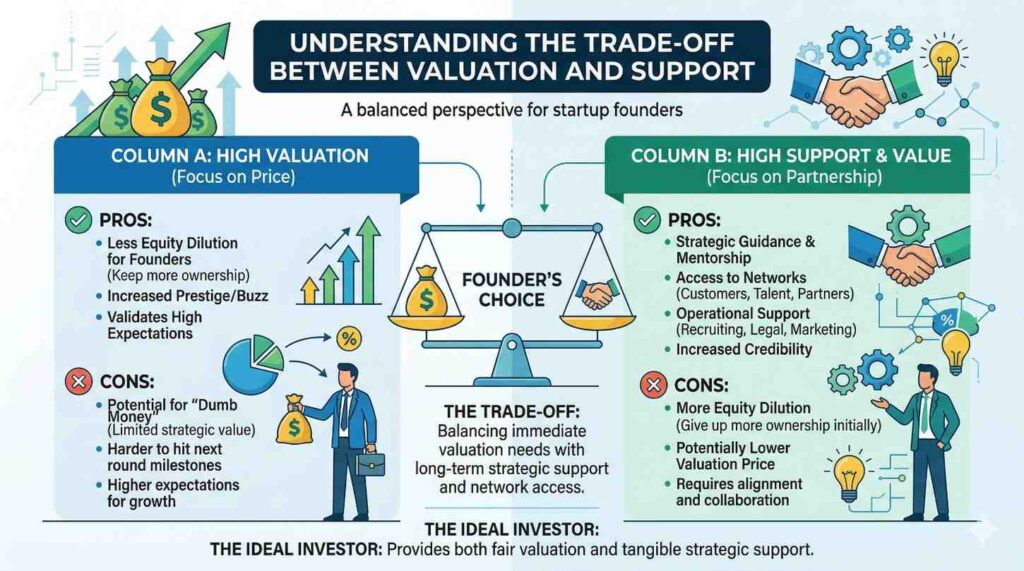
A high valuation sounds good. It protects equity on paper. But valuation alone is not the goal.
The real question is what support comes with the capital. Do your investors understand robotics timelines? Can they help with manufacturing partners? Do they connect you with pilot customers?
Sometimes a slightly lower valuation with strong strategic help leads to far better long-term results.
Robotics is complex. You need partners who respect engineering cycles and do not demand unrealistic growth curves.
Choose investors who see the full picture, not just short-term numbers.
Plan for Future Rounds From Day One

Pre-seed is only the beginning. Your structure must allow clean future raises.
If your cap table is messy, future investors hesitate. If early investors hold unusual terms, it complicates negotiations.
Work with experienced advisors who understand deep tech funding. Build a clean structure. Keep terms simple. Avoid hidden clauses.
Your future self will thank you.
The Right Types of Investors for Robotics Startups
Deep Tech Specialists
Not all investors understand robotics. Some focus on consumer apps or quick-growth SaaS companies. Their expectations may not align with your reality.
Deep tech investors look at technical risk differently. They evaluate patents, engineering depth, and long-term defensibility.
They understand that strong IP can be more valuable than early revenue in complex industries.
Finding investors who speak your language reduces friction and builds trust.
Operator-Led Funds
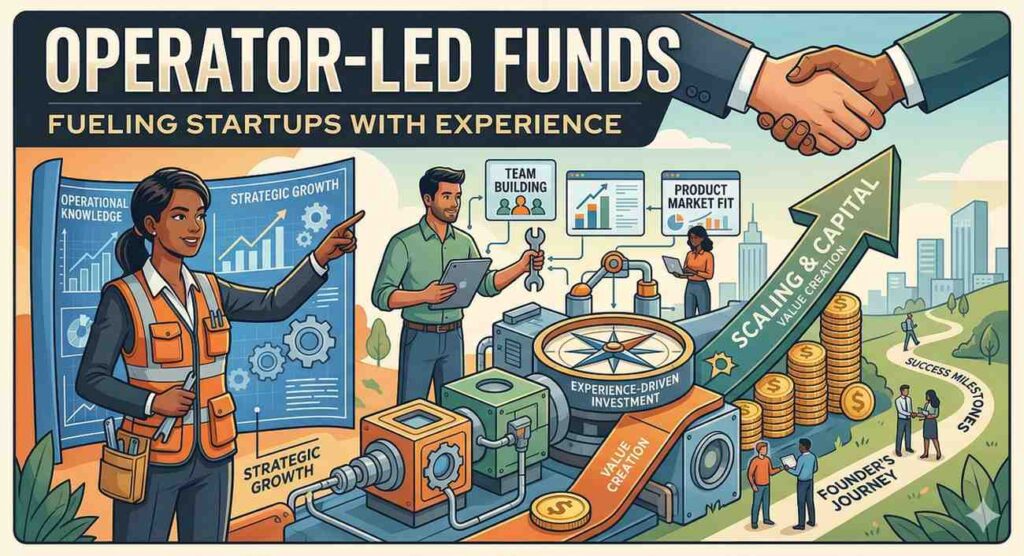
Investors who have built hardware companies before bring practical insight. They know supply chain pain. They understand hardware iteration cycles.
Their feedback is grounded in experience, not theory. They can guide you through early manufacturing decisions and avoid costly mistakes.
Tran.vc was started by operators and engineers who have built and sold companies themselves. They understand what it means to be in the lab late at night solving real problems.
If that kind of partnership matters to you, consider applying at https://www.tran.vc/apply-now-form/
Strategic Angels
Experienced angels can play a powerful role at pre-seed. They often move faster than large funds and may take more patient positions.
Look for angels with robotics, manufacturing, logistics, or AI backgrounds. Their industry knowledge can open doors to pilot customers.
However, choose carefully. Too many small angel checks can clutter your cap table. Be selective and thoughtful.
Grants and Non-Dilutive Capital
Government grants can support robotics research and early development. They reduce dilution and extend runway.
But grants often move slowly and require detailed applications. They are best used alongside equity funding, not as a full replacement.
A balanced funding strategy protects both ownership and growth pace.
Building Investor Trust Before You Pitch
Warm Introductions Matter

Cold outreach rarely works in robotics fundraising. Investors trust referrals from founders, operators, and industry experts.
Start building relationships months before you need capital. Share updates. Ask for feedback. Show progress consistently.
When investors see steady execution over time, confidence grows naturally.
Show Technical Depth Without Overwhelming
You must demonstrate strong technical understanding. But your pitch should not feel like a PhD defense.
Explain your system clearly. Use simple language. Focus on outcomes and impact.
Investors want to understand how your technology translates into value. They do not need every circuit detail in the first meeting.
Clear communication signals leadership.
Demonstrate Capital Efficiency

Even if robotics is expensive, investors want to see disciplined spending.
Show how you reduced prototype costs. Explain how you reused components. Describe how you shortened testing cycles.
Capital efficiency builds trust. It shows that you respect investor money.
Make IP Visible and Strategic
Do not treat patents as an afterthought slide.
Explain what you have filed. Describe what you plan to file next. Show how each filing protects a core part of your system.
When investors see that your IP strategy is intentional, your company feels more defensible.
Tran.vc works directly with robotics founders to design these strategies early. They help identify what to protect, when to file, and how to align filings with funding milestones.
If you want to build that foundation before your next raise, apply at https://www.tran.vc/apply-now-form/
Connecting With the Right Seed Partners
Build Leverage Before You Raise

The strongest seed rounds happen when founders are not desperate.
If you approach seed investors after protecting your core technology, running successful pilots, and showing measurable improvements, you negotiate from strength.
Seed investors compete for companies with real traction and defensible assets.
Your goal at pre-seed is to build that leverage.
Tell a Cohesive Story
Your story should connect problem, technology, IP, market, and growth into one clear path.
Avoid scattered messaging. Keep your narrative consistent across meetings.
When investors repeat your story accurately to others, you know your message is strong.
Choose Long-Term Partners
Robotics companies take years to reach full scale. Choose seed partners who think long-term.
Short-term pressure can damage product quality and team morale. Patient capital supports durable companies.
You are not just raising money. You are choosing partners for a long journey.
If you want help preparing for that journey and building an IP-backed robotics company that investors respect, you can apply anytime at https://www.tran.vc/apply-now-form/