
If you are raising money for the first time, you will hear one term very early: pro rata rights.
Some founders treat it like a small line in the paperwork. Some investors treat it like a deal breaker. In real life, it is neither “always good” nor “always bad.” It is a tool. Used well, it can help you build a strong investor group and raise faster later. Used in the wrong way, it can slow future rounds, create messy cap tables, and make new lead investors nervous.
This article will show you what pro rata rights really mean, why investors ask for them, and most important: when you should offer them, to whom, and how to shape them so you stay in control.
Also, quick note before we start: Tran.vc works with deep tech, AI, and robotics founders who want to build a real moat early—often before the big checks arrive. We invest up to $50,000 in in-kind patent and IP services so your ideas are protected and easier to fund. If you want help building a strong IP story that supports your next raise, you can apply anytime here: https://www.tran.vc/apply-now-form/
What pro rata rights are (in plain words)
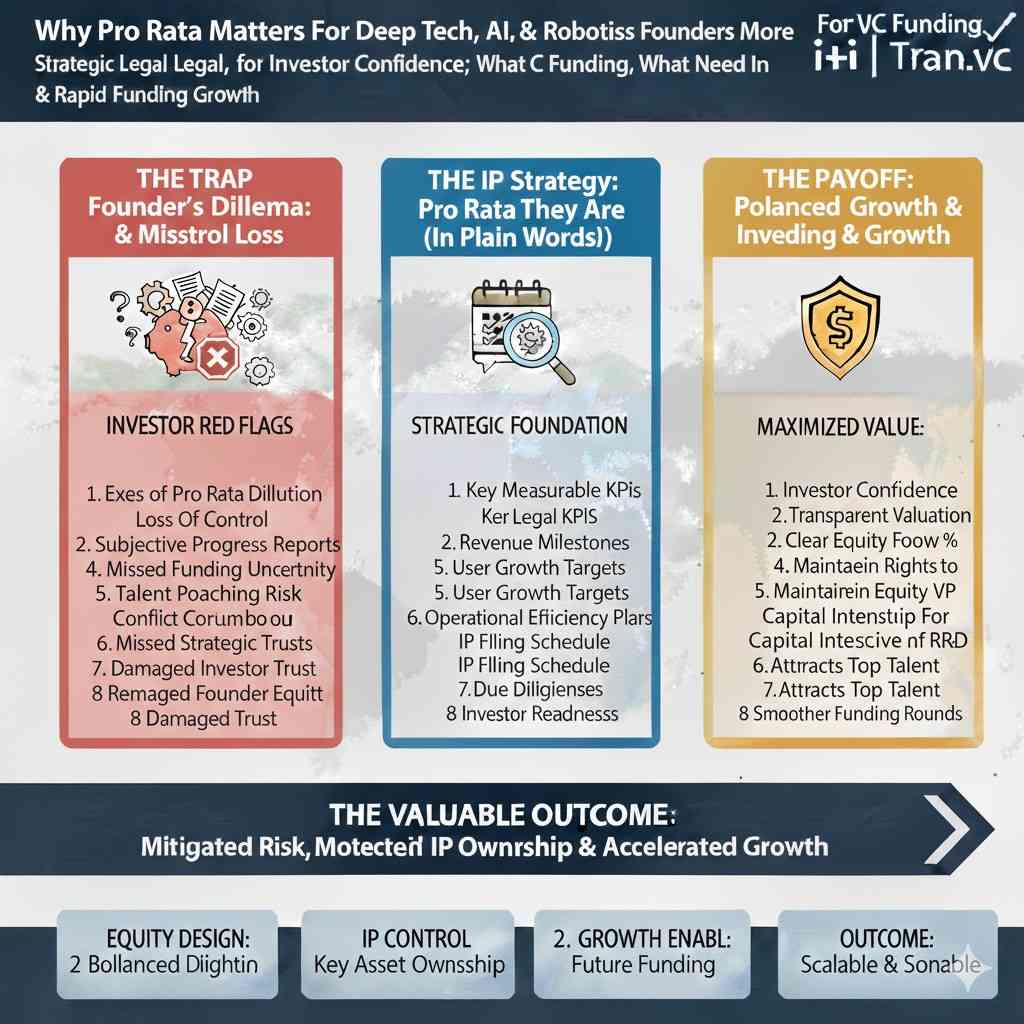
When an investor puts money into your startup, they buy a slice of the company. Later, when you raise another round, new shares get created and sold. That usually means the early investor’s slice becomes a smaller percent of the whole. This is called dilution.
Pro rata rights give that investor the option (not the duty) to buy enough shares in the next round to keep their ownership percent about the same.
That’s it. It is a right to “keep my share,” as long as they can write another check when the time comes.
Why investors care so much
Good investors care because the best companies often look uncertain early, then grow fast later. If an investor is right early, they want a fair chance to keep backing the company when it is clearly working. Pro rata is how they do that.
But there is a second reason that is less talked about: pro rata rights are also a signal of status. When an investor gets pro rata, they feel like they are “inside the tent.” They feel seen. That can change how helpful they are, how fast they respond, and how hard they push to support you.
As a founder, you can use that psychology. You do not need to “give away the store,” but you should understand that these rights can shape behavior.
Why founders get nervous about offering them
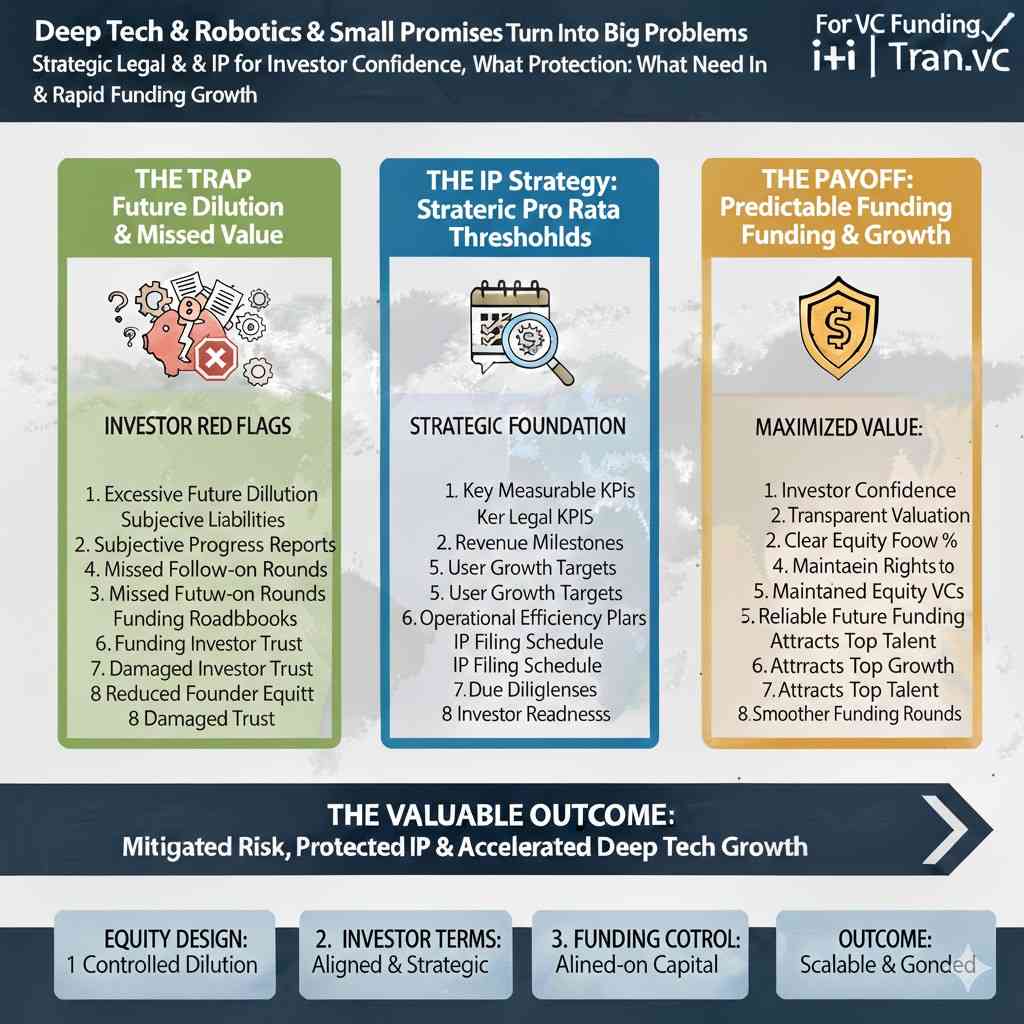
Founders usually worry for three reasons.
First, pro rata rights can crowd out new investors. A new lead investor may want a large part of the round. If too many old investors insist on taking their full pro rata, the lead may feel boxed in.
Second, they can create ongoing pressure. If you give pro rata to many people, you may spend time in every round managing expectations: who is taking it, who is not, who is upset, who wants more.
Third, pro rata can reduce your future flexibility. Sometimes you want to bring in a new strategic investor. Sometimes you want to reward a high-signal investor who will lead the next round. If the round is already “spoken for” because too many people have rights, you lose options.
So the founder fear is real. Still, pro rata rights are not something to avoid by default. They are something to offer with intention.
The key idea: pro rata is not a “yes/no” question
Most founders think the choice is binary: either you offer pro rata, or you don’t.
A smarter view is this: you can shape pro rata rights across four dials:
- Who gets them
- How much they get
- When the rights apply
- What happens if they don’t use them
You can tune these dials to fit your round, your leverage, and your long-term plan.
And this is where a lot of early-stage founders miss the real game. The best founders do not treat pro rata like a “legal point.” They treat it like a relationship and fundraising tool.
Why this matters even more for deep tech, AI, and robotics founders
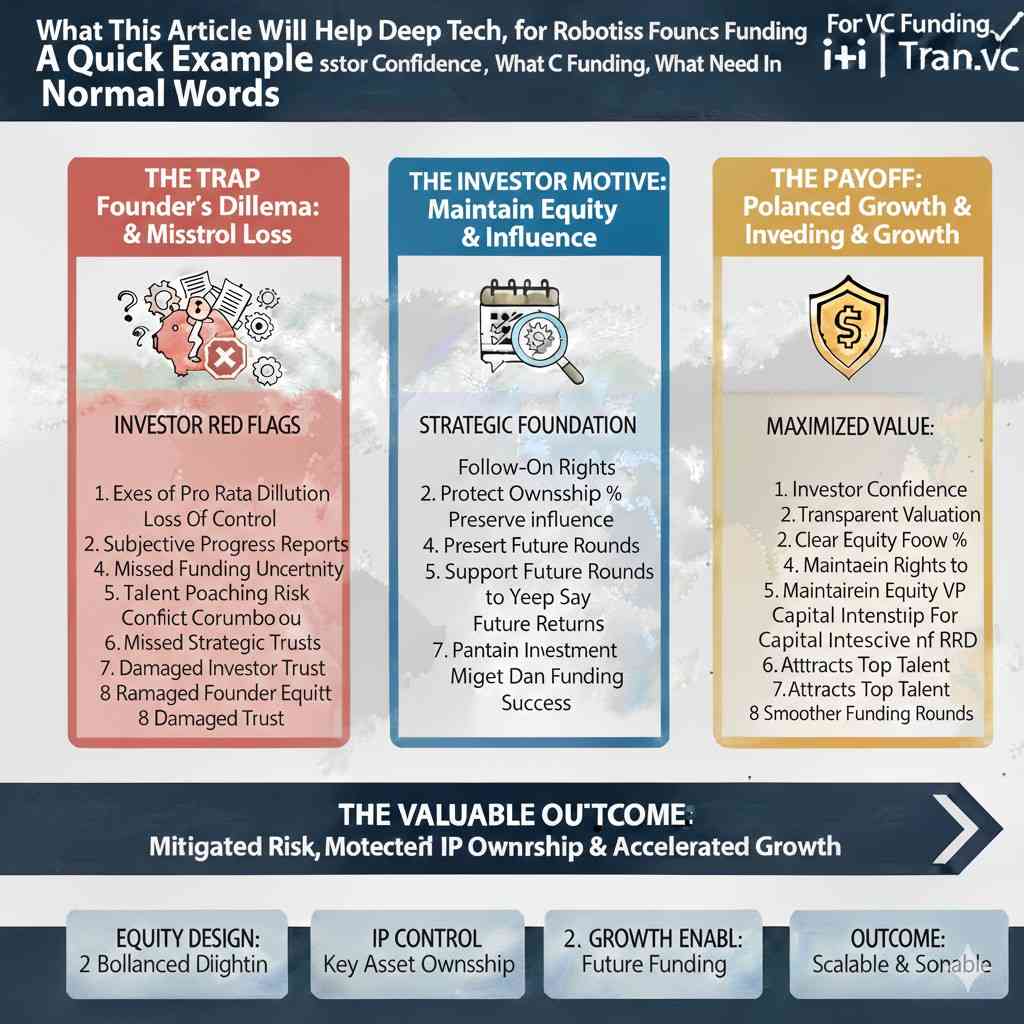
If you build software that looks like other software, investors can often “get comfortable” just by watching growth. But in deep tech, AI, and robotics, the story is different. Timelines are longer. R&D is heavier. Competitive risk is real. Often, your edge is not just your product—it is your know-how and your IP.
That changes how investors think about follow-on rounds. It also changes the role of pro rata. In many deep tech deals, the investors who understand your domain early are the ones you want to keep close. Pro rata can keep them close. But if you give it too broadly, you may trap yourself later when you need a new lead with a bigger check.
This is also why Tran.vc focuses on patents and IP strategy early. When your IP is strong, you do not need to give away extra control to get support. You raise with more calm. If you want to build that kind of leverage, you can apply anytime: https://www.tran.vc/apply-now-form/
If you want, I’ll continue into the next section where we’ll cover:
- the “good, bad, and risky” types of investors to give pro rata to,
- how pro rata affects your next lead investor,
- and the clean rules you can use so your cap table stays simple.
Pro Rata Rights: When to Offer Them
Why this topic matters right now
Pro rata rights show up early, even when your company is still small. Many founders treat them like fine print. Many investors treat them like a must-have. The truth is more practical: pro rata is a tool that shapes who stays close to your company, who can keep buying, and how easy your next round will be.
If you set pro rata the right way, you can keep strong supporters near you and still leave room for new leads. If you set it the wrong way, you can accidentally lock up your future rounds and spend months managing investor feelings instead of building.
Tran.vc works with deep tech, AI, and robotics founders who want to build leverage early. We invest up to $50,000 in in-kind patent and IP services so your work becomes a moat investors respect. If you want help building that kind of foundation, you can apply anytime: https://www.tran.vc/apply-now-form/
What this article will help you decide

You will learn what pro rata rights really do in real fundraising, not just in legal language. You will also learn when offering them helps you, and when it can quietly harm you.
Most important, you will learn how to choose who gets them, how much they get, and what rules keep your future rounds clean. That way you can be fair to early believers without giving away control of your cap table.
What Pro Rata Rights Really Mean
The simple definition
When an investor buys shares, they own a percent of your company. Later, when you raise another round, you usually create new shares and sell them to new investors. That causes the early investor’s percent to drop. This drop is dilution.
Pro rata rights give that early investor the option to buy enough in the next round to keep their percent about the same. It is not a promise that they will invest again. It is simply a right to try to maintain their slice if they want to.
A quick example in normal words
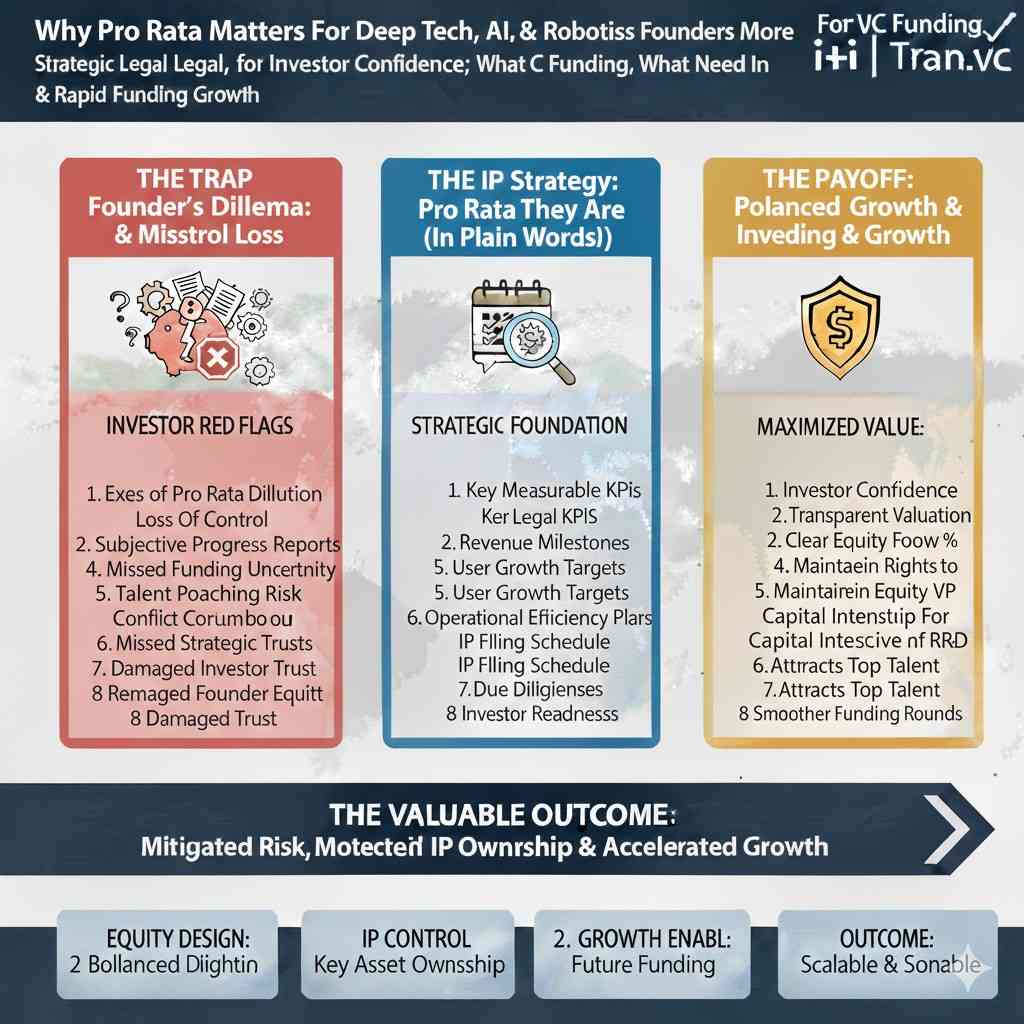
Imagine an investor owns 10% after your seed round. In your next round, you sell more shares and everyone’s percent shrinks. Without pro rata, that investor might drop to 7% or 6% depending on the round size.
With pro rata, they get the chance to buy enough of the new shares so they stay close to 10%. This can matter a lot if your company becomes a big winner later.
The part founders often miss
Pro rata is not only about math. It also changes behavior. When an investor feels they have a right to stay in, they often feel like they are part of the long-term story. That can make them more willing to introduce hires, customers, and future investors.
But the same right can also create friction if your next lead investor wants a large share and there is not enough room. So pro rata is also about how you manage space in your future rounds.
Why Investors Ask for Pro Rata
The “winners get crowded” problem
Investors know that the best companies get more interest over time. Early on, the company looks risky. Later, when it is clearly working, many funds want in. The early investor worries they will be pushed out right when the company becomes valuable.
Pro rata rights reduce that fear. They tell the investor, “If this goes well, you will have a fair chance to keep backing us.” That promise can make it easier for them to commit early.
Pro rata as a status signal
There is a human side to this. Getting pro rata rights often signals that the founder views the investor as a core partner. It can make the investor feel trusted, included, and important.
That feeling can turn into action. Many investors will spend more time helping companies where they feel they belong long-term. Not always, but often enough that it matters.
Why some investors push hard for it
Some investors push for pro rata because they have a portfolio strategy that relies on follow-on investing. They may invest small early, then double down in the few companies that show real traction.
Others push for it because they want to protect their ownership in case the company becomes a breakout. In both cases, pro rata is how they keep the door open for that future check.
Why Founders Hesitate to Offer Pro Rata
The fear of crowding out your next lead
Your next round needs a lead investor who can set terms and commit a large amount. That lead investor usually wants enough ownership to justify the work and risk. If too many early investors insist on taking their full pro rata, the lead may not get the allocation they want.
When that happens, you can lose momentum. A lead investor might walk away simply because the round feels too tight. This is one of the most common ways pro rata hurts founders without them noticing until it is too late.
The hidden cost of managing many rights
If you give pro rata to a lot of people, each new round turns into a negotiation. Some investors will want their full amount. Some will want more than their amount. Some will be quiet until the last minute, then create pressure when you are trying to close.
This takes time, and it also creates stress. Fundraising is already hard. You do not want your own paperwork to add more chaos.
The flexibility problem
Sometimes you want to bring in a strategic investor who can unlock customers, partnerships, or talent. Sometimes you want a new investor with deep domain expertise. Sometimes you want a fund that can lead the next two rounds.
If your round is already filled with pro rata claims, you lose flexibility. You might have to say no to a valuable new investor, not because they are wrong, but because you promised too much space earlier.
The Most Important Mindset Shift
Pro rata is not “yes or no”
Many founders think the choice is simple: offer pro rata or refuse it. In real deals, it is more flexible. You can design pro rata in ways that protect your future.
You can choose who gets it, how much they get, and what conditions apply. This is where strong founders separate themselves. They treat pro rata like a tool for shaping their investor group over time.
Four levers you can control
First, you can control who gets the rights. Not every check deserves the same privileges. Second, you can control how much of the next round the right covers. Third, you can control when the rights apply, such as which rounds or what time period.
Fourth, you can control what happens if an investor does not use their rights. In many cases, there should be a clear rule that unused rights do not linger forever.
Why this matters even more in deep tech
Deep tech, robotics, and AI startups often take longer to prove out. The investors who truly understand your domain early can be worth keeping close. Pro rata can keep them close.
At the same time, these companies often need larger later rounds. That means you need room for big new checks. If you give broad pro rata too early, you may block the very type of investor you will need later.
If you want to build leverage early, strong patents and IP strategy can help you do that without over-promising terms. Tran.vc invests up to $50,000 in in-kind patent and IP support to help you build that foundation. Apply anytime: https://www.tran.vc/apply-now-form/
When Offering Pro Rata Is a Smart Move
When the investor is truly high-signal
Offer pro rata when the investor brings more than money. This means they can reliably help you hire, close customers, shape strategy, or raise the next round. The key word is reliably. A friendly person who “might” help is not the same as a person who has a track record of helping.
High-signal investors also help in subtle ways. Their name on your cap table can increase trust with other investors. Their presence can reduce doubt in later rounds. If they can do that, pro rata can be a fair trade because their continued ownership keeps them motivated.
When you want the investor to stay close
Some investors are great early, then drift away. Pro rata can keep them engaged because it keeps their future upside meaningful. If you want a person involved over years, not months, offering pro rata can be one way to show you are building a long relationship.
This matters if the investor understands your market deeply. If they can guide you through technical decisions, regulation, manufacturing, enterprise sales, or long R&D cycles, you often want them staying close through the hard middle years.
When the round is simple and your cap table is clean
If you have a small number of investors and a clean structure, pro rata is easier to manage. You can track who has the rights, you can plan space for them, and you can avoid last-minute surprises.
In early rounds with just a few key investors, offering pro rata to the right people can be simple and beneficial. Problems usually start when pro rata is handed out to many small checks without a clear plan.
When Offering Pro Rata Can Hurt You
When you are stacking too many rights too early
If ten or twenty investors all have pro rata, you are setting up future friction. Even if each investor is small, together they can claim a large part of your next round. This is how founders accidentally “pre-sell” their future round without realizing it.
The danger is not only math. It is also coordination. Many small investors move slowly, ask many questions, and respond at different times. That chaos can spook a new lead investor who wants a clean, fast close.
When the investor is unlikely to follow on
Some investors ask for pro rata but rarely use it. If they do not have reserves, or if they do not write follow-on checks by habit, the right is mostly symbolic. Symbolic rights can still create real future problems because you still have to offer the option, track it, and manage it.
In these cases, you are giving away flexibility for a promise that will likely never turn into money. That is not a strong trade unless the investor brings major value in other ways.
When you expect a tight next round
If you know your next round will need a lead who wants a big share, be careful with pro rata. A lead investor may want enough ownership to justify joining your board, spending time, and taking the risk of leading. If your old investors have rights that fill too much of the round, the lead may not be able to get what they need.
This becomes even more important in capital-heavy startups, where later rounds can be large but also structured with specific ownership targets. In those cases, your early pro rata promises should be made with extra care.
How to Decide Who Should Get Pro Rata
Start with “help and trust,” not with check size
Many founders make a simple mistake: they give pro rata to the biggest check. That can be reasonable sometimes, but it is not the best rule. The better rule is: give pro rata to investors you trust to act like partners and who can help you win.
If an investor is not responsive, does not follow through, or creates stress, pro rata can actually reward the wrong behavior. In that case, you want less long-term entanglement, not more.
Look for proof of follow-through
Before you offer pro rata, ask yourself if the investor has shown proof in how they work. Did they make intros quickly? Did they help you solve a hard problem? Did they show up when you needed them, even when there was nothing in it for them yet?
Pro rata is best used for people who already behave like long-term allies. It is risky to use it to “buy” good behavior from someone who has not proven it.
Align pro rata with your future fundraising plan
Pro rata should match your next round reality. If you expect your next round to have one clear lead and a few supportive follow-on checks, then a limited set of pro rata rights can fit well.
If you expect a competitive round where you will choose a lead from many options, you might want more flexibility. That means being selective about who gets the right to take space later.
How Much Pro Rata to Offer Without Losing Flexibility
Full pro rata is not always required
Some investors will ask for full pro rata. But many deals can work with limited pro rata, especially at pre-seed or seed. You can offer a right that covers a portion of what they would need to maintain their ownership, rather than all of it.
This approach can keep investors happy while preserving space for a future lead. It can also reduce the chance that a future round becomes overly crowded.
Think in terms of “space management”
A good way to think about pro rata is to imagine your next round as having limited seats. If you give too many old investors guaranteed seats, you have fewer seats left for new people who can change the company’s trajectory.
When you plan pro rata, you are really planning who gets first dibs on seats in the next room. You want those seats reserved for the people who truly increase your odds of winning.
Make it easy to administer
Complex structures sound clever until you are trying to close a round under time pressure. The best pro rata terms are easy to track and easy to explain. If you cannot describe your approach in plain words, you will likely struggle to manage it later.
The Founder-Friendly Way to Talk About Pro Rata
How to frame it so it feels fair
You can tell investors you are being thoughtful because you want to protect the company’s ability to raise future rounds. Most reasonable investors understand that. They want you to win because that is how they win too.
A strong framing is that you are offering pro rata to investors who are committing to be active partners, and that you need to keep room for future leads who will fund the next stage. This is not personal. It is planning.
How to avoid tension with small checks
Smaller investors sometimes feel left out if they do not get pro rata. You can reduce tension by being clear that your goal is a simple cap table and a smooth next round. You can also be generous in other ways, like keeping them informed, giving them access to updates, and including them in wins.
The main point is to avoid making it feel like a ranking of human worth. It is not. It is simply a strategy to keep your future rounds clean.