
Most founders wait too long to file a trademark.
Not because they don’t care. But because there’s always something louder pulling their attention: the product build, the first customers, hiring, runway, demos, investor calls.
The problem is simple: your brand is not just a logo. It is the name people remember. It is the word they type into Google. It is the handle they tag. It is the thing a partner repeats when they introduce you to someone else.
And once that name starts to spread, it becomes an asset. An asset you can protect. Or an asset someone else can take.
This article will help you make that decision with a clear head. You’ll learn when it makes sense to file a trademark, when it’s safe to wait, and how to avoid the painful mistakes that force rebrands at the worst time. I’ll keep it practical and plain. No legal fog. No filler.
One quick note: Tran.vc helps technical teams build real protection early—so you don’t get boxed in later. If you’re building in robotics, AI, or deep tech and you want serious IP support (patents and more) without giving up control too early, you can apply any time here: https://www.tran.vc/apply-now-form/
Before we get tactical, here’s the mindset shift that makes trademark timing easy.
A trademark is not a trophy you hang on the wall. It’s a tool. It’s there to reduce risk.
Risk shows up in very normal moments, like:
You finally get a press hit and your name spreads, and then a different company says you can’t use it.
A bigger player launches a product with a similar name and you get drowned out.
A customer tries to find you and lands on someone else, because the names are too close.
An investor runs a quick check and sees brand confusion, then quietly worries you’ll need a rebrand.
Founders often treat trademarks like “later.” But “later” can be the most expensive time. The best time is usually not when you’re huge. It’s when your name starts to matter but before it becomes costly to change.
That “window” is what we’re going to map out in this guide.
To make this concrete, I want you to hold one question in your head as you read:
If we had to change our name in 30 days, would it break our growth?
If the answer is “no,” you have more freedom. If the answer is “yes,” you need protection sooner than you think.
In the next section, we’ll get very clear on what a trademark does (and what it does not do), because many teams confuse it with a domain name, a company registration, or a patent. That confusion leads to bad timing decisions.
Also: if you’re already building strong tech and want help protecting what matters from day one—patents, strategy, and smart next steps—Tran.vc can help. Apply any time: https://www.tran.vc/apply-now-form/
What a Trademark Really Does
A trademark is a “this is us” signal
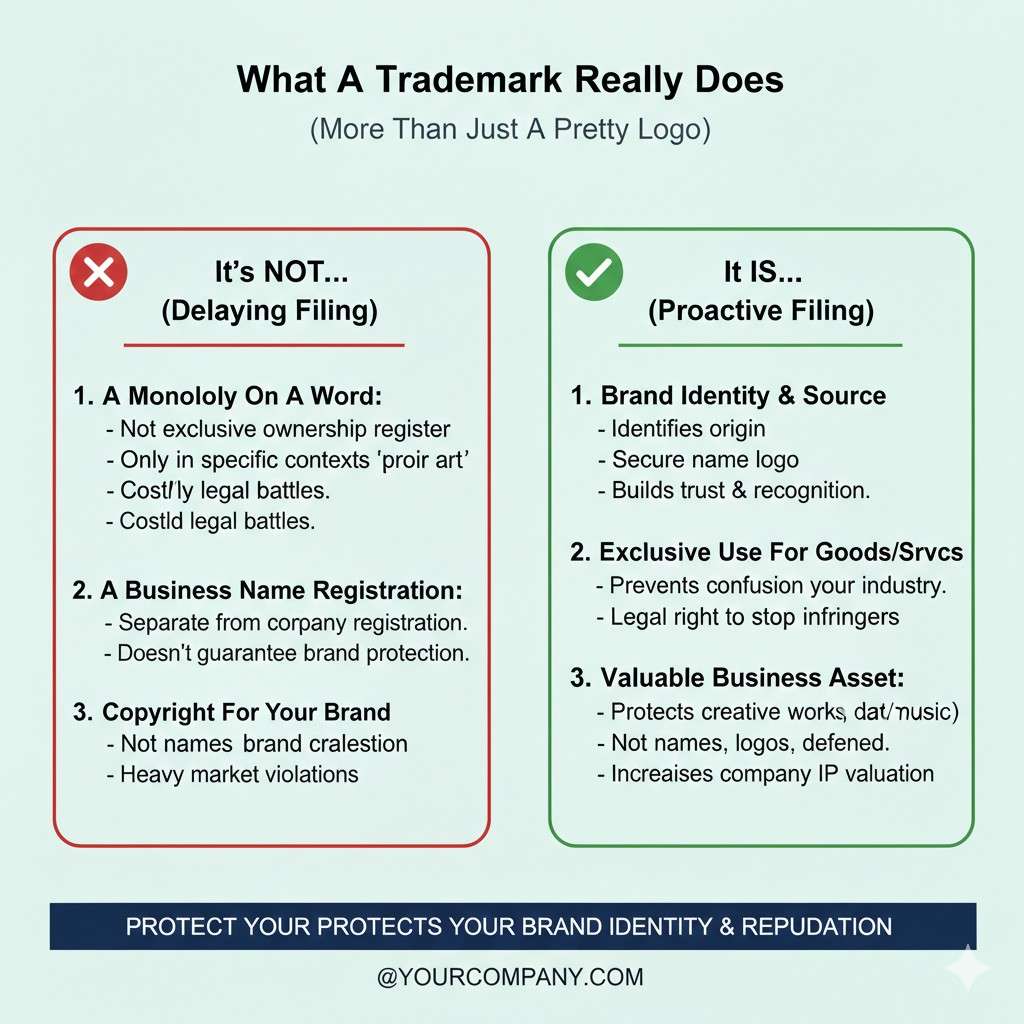
A trademark protects the words people use to point to you in the market. It usually covers your company name, your product name, and sometimes a slogan or logo. The core idea is simple: it helps stop other people in your space from using a name that is too close to yours in a way that confuses buyers.
When your brand starts moving, confusion becomes expensive. A trademark gives you a clear right to say, “That name is ours for this kind of product or service.” It does not make you famous. It does not force people to trust you. But it does give you a strong tool when someone tries to ride your momentum.
It is not the same as a domain name
Buying a domain feels like you “own” the name. You do not. A domain is only a web address. Someone else can still have legal rights to that same name in business, even if you own the .com or the .ai.
This is why a lot of founders get shocked later. They spend time building under a domain they love, then learn the name is already protected in their market. At that point, the domain does not save them. It can even become useless if they have to change the brand.
It is not the same as forming a company
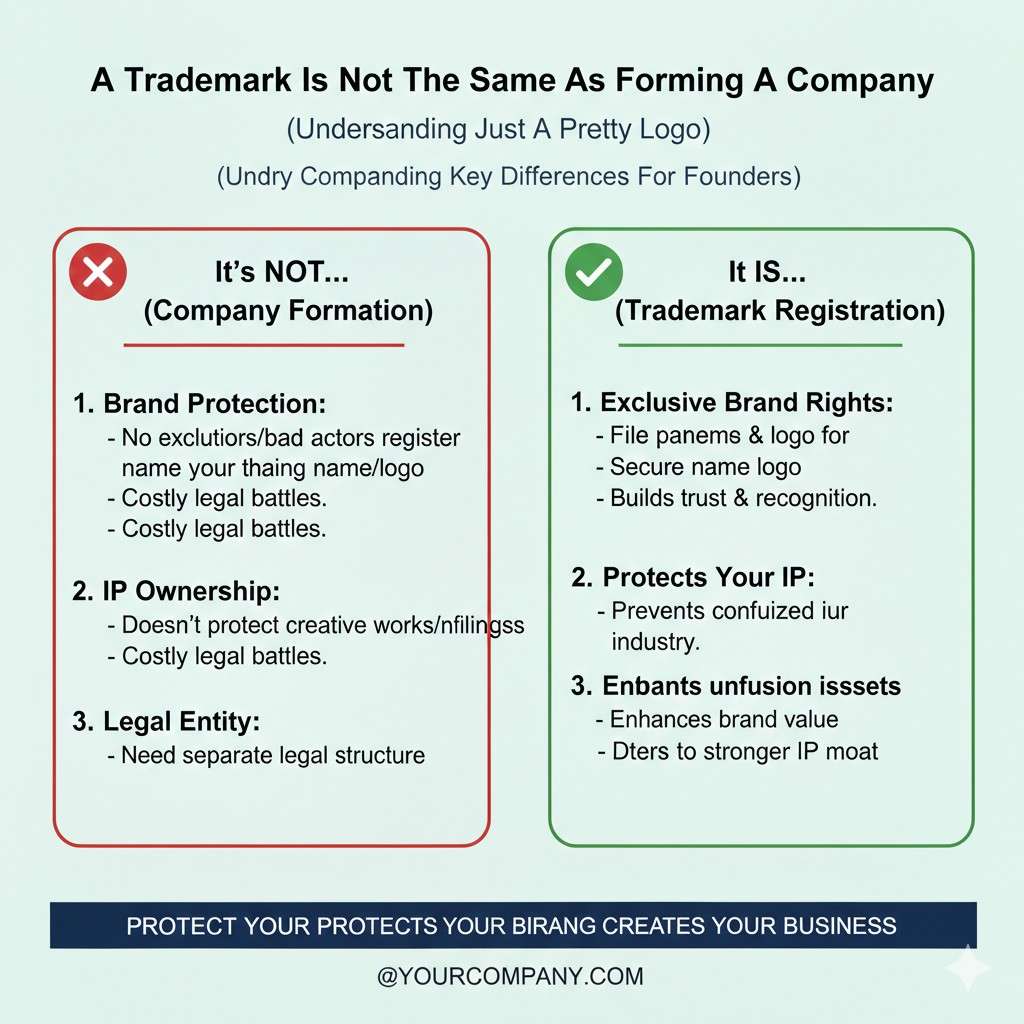
Registering a company name is also not the same as owning the brand. State or country business registries often allow similar names because they are not checking the same way trademark offices do. You might be “ABC Robotics Inc.” in a registry and still be blocked from using “ABC Robotics” as a brand in your market.
A company registration helps you operate as a business. A trademark helps you protect how customers find and remember you. Those are different jobs, and they protect you in different ways.
It is not a patent
Patents protect how something works. Trademarks protect how something is named and presented. A patent can stop copying of a technical invention. A trademark can stop a confusingly similar brand that steals demand meant for you.
For robotics and AI startups, you often need both over time. Patents protect the core. Trademarks protect the front door. When founders only protect one side, they leave an opening that competitors can use.
If you want help building that protection early—especially patents and the strategy around them—Tran.vc supports technical teams with up to $50,000 in-kind patent and IP services. You can apply any time here: https://www.tran.vc/apply-now-form/
When Trademarks Matter Most
The moment your name becomes hard to change
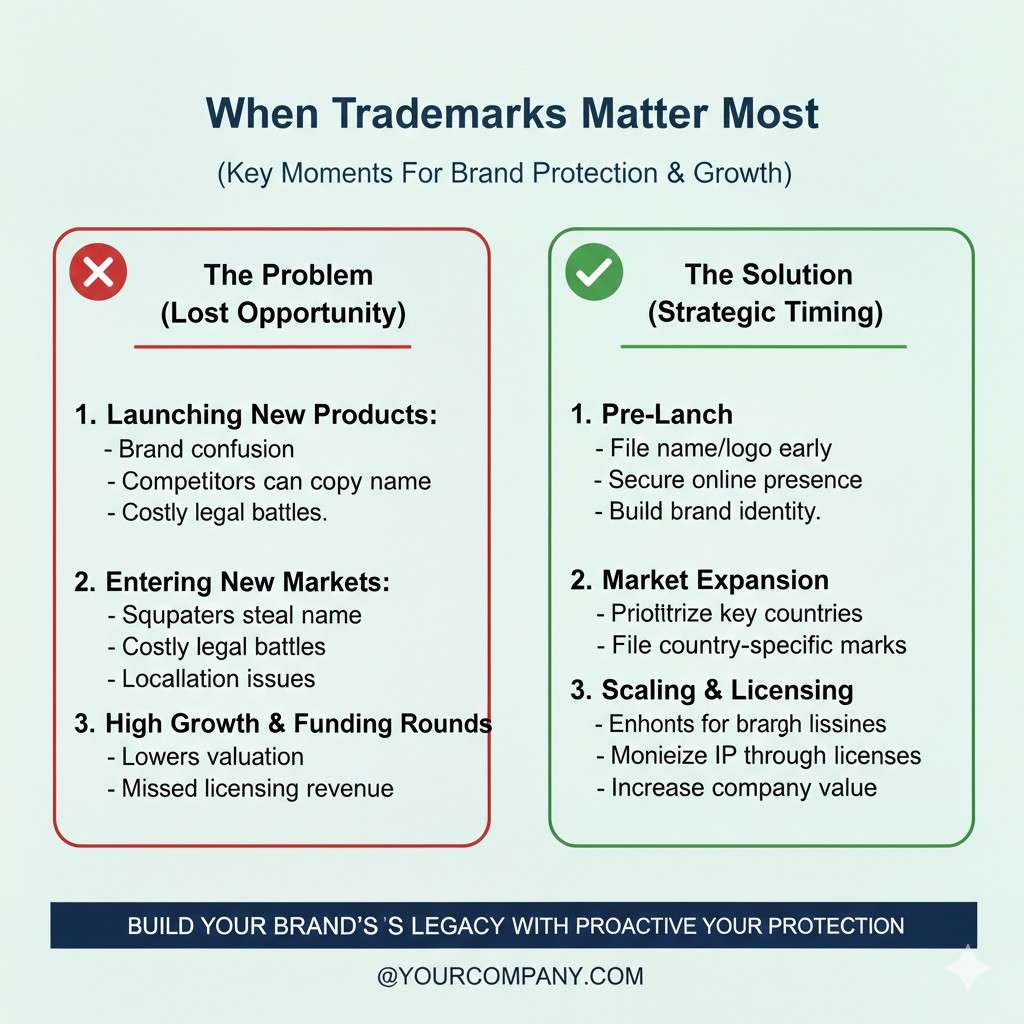
Early on, your name is flexible. You might still be in private beta. You might have a small group of test users. You might even be known mostly by your team name on GitHub or by a short description like “that warehouse robot team.”
Then something shifts. You publish content. Customers start to talk. Partners start to mention you. A few inbound leads come in because someone heard your name and searched it. That is the moment your name becomes a growth engine.
When your name starts producing demand, changing it is not just a design task. It becomes a business risk. It can slow sales, break trust, and force you to explain yourself again and again. That is why trademark timing is not about ego. It is about how painful a forced change would be.
When you are entering a real sales motion
If you are moving from testing into selling, your name is going to show up in more places. It will be in decks, proposals, security forms, vendor systems, and procurement tools. The more places it appears, the more expensive it is to remove later.
In B2B, the sales cycle is long. If you rebrand mid-cycle, you can lose deal momentum because buyers get confused. They wonder if you are the same company. They worry about stability. Even if you explain it well, it adds friction at the exact time you want things to feel easy.
When you are raising from serious investors
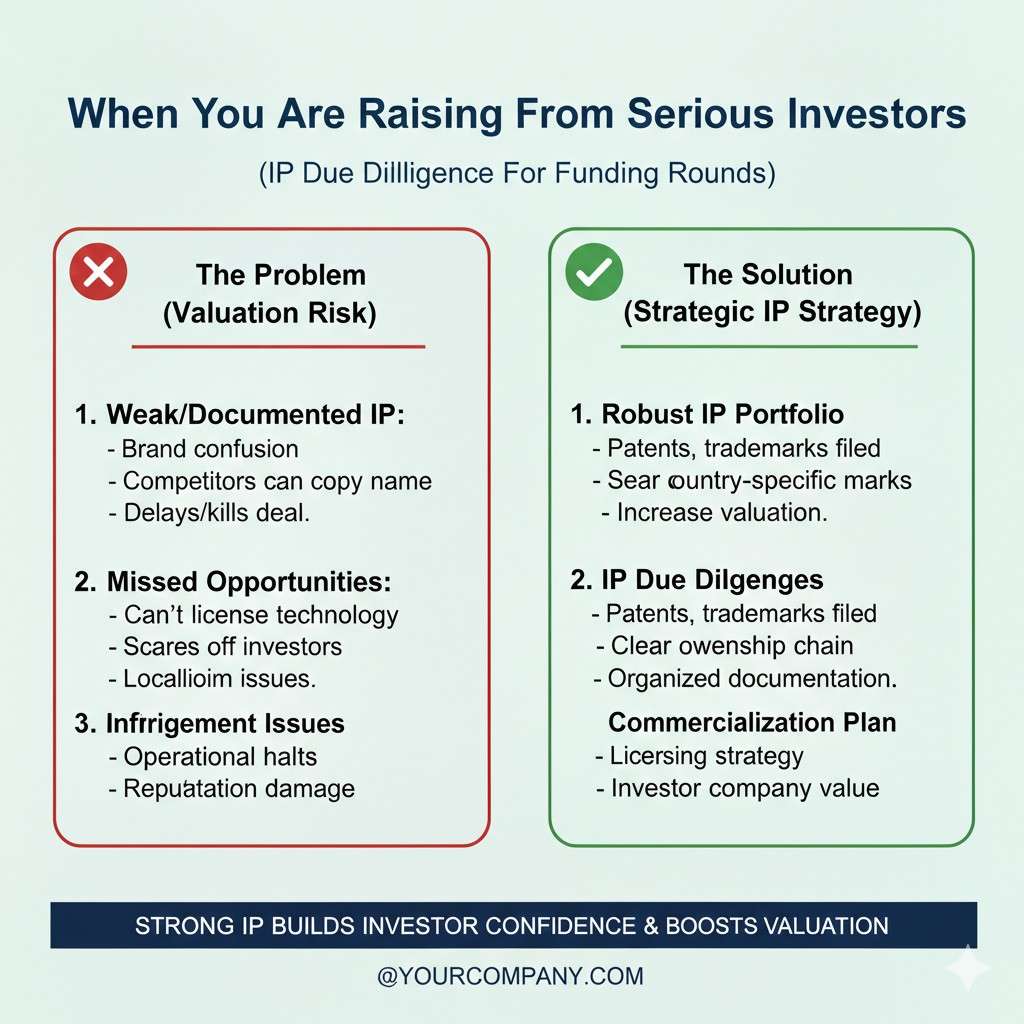
Investors look for risk that can slow a company down. Brand conflict is one of those quiet risks. If your name is too close to another company in your space, it can be a problem later when you scale. Some investors will push you to fix it before a round closes.
This is not because they love legal work. It is because they know rebrands cost money and attention. They also know brand confusion can block growth. Having a clean brand story and a defendable name helps reduce that stress.
If you are preparing to raise and you want to build leverage the smart way, Tran.vc can help you protect what matters early. Apply any time: https://www.tran.vc/apply-now-form/
The Most Common Trademark Timing Mistake
Founders wait for “after traction”
A lot of teams tell themselves, “We’ll do trademarks once we have traction.” That sounds reasonable, but it misses the real risk. The risk does not arrive after traction. It arrives because of traction.
The more people who hear your name, the more likely you run into someone else with a similar one. The more you market, the more visible you become. Visibility attracts copycats and also attracts conflict, sometimes without anyone acting in bad faith.
Waiting until after traction is like waiting to buy insurance until after the accident. The cost is higher, and the choices are worse.
Founders assume “we’ll just change if needed”
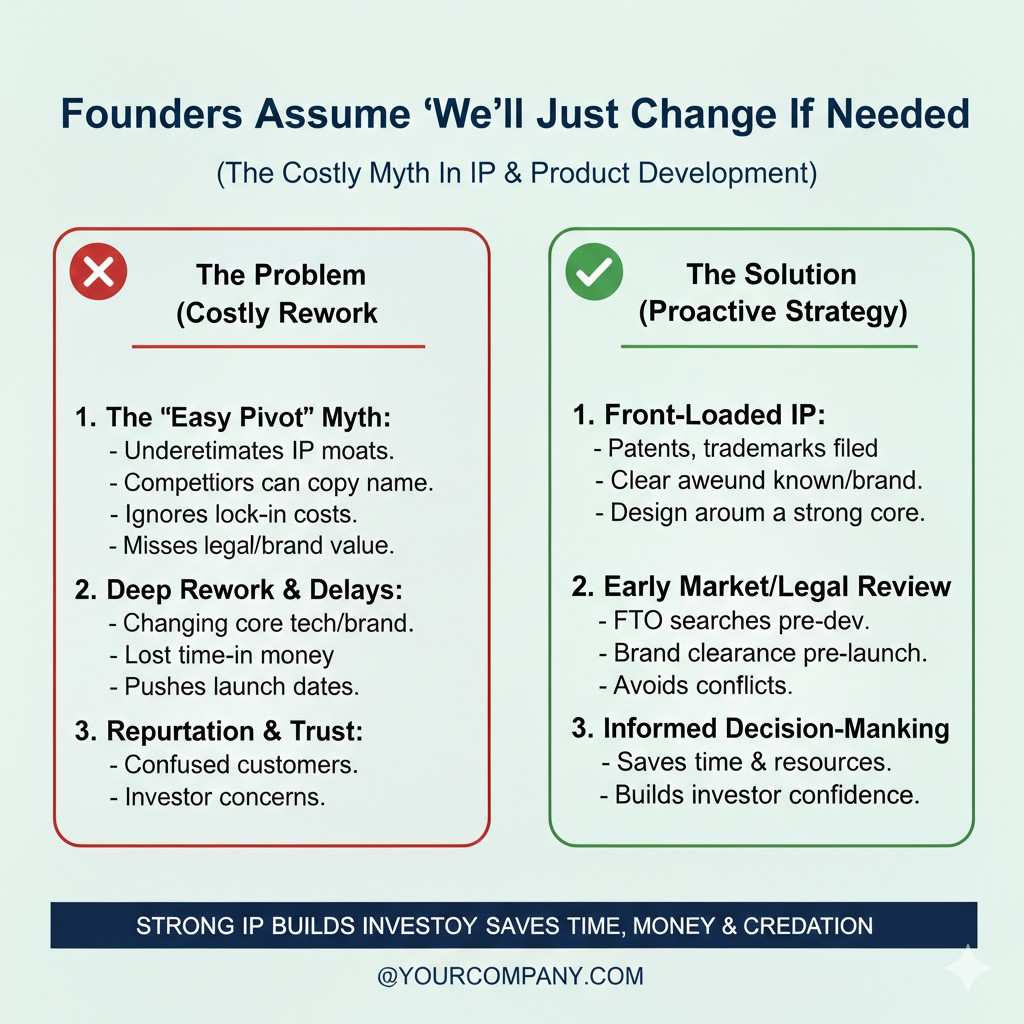
Yes, you can change a name. But most founders underestimate the cost because they only think about the logo and domain. The real cost is in trust and continuity.
Your customers have stored your name in their minds. Your partners have saved your email threads. Your early users have bookmarked your docs. Your sales team has opened accounts in systems under your name. Your search traffic starts to connect the name to a problem you solve.
When you rebrand, you are not just changing paint. You are breaking a chain of memory that was starting to work for you. That break can slow growth for months.
Founders treat “close enough” names as safe
Many brand problems come from names that feel “kind of different.” They are spelled differently or have an extra word, but they sound similar when said out loud. Buyers do not compare spelling in a careful way. They hear a name once, then search it later from memory.
If your name can be confused with another company that serves similar buyers, you should treat that as a real business problem, not a minor detail.
The Practical Triggers That Say “File Now”
You are about to launch publicly
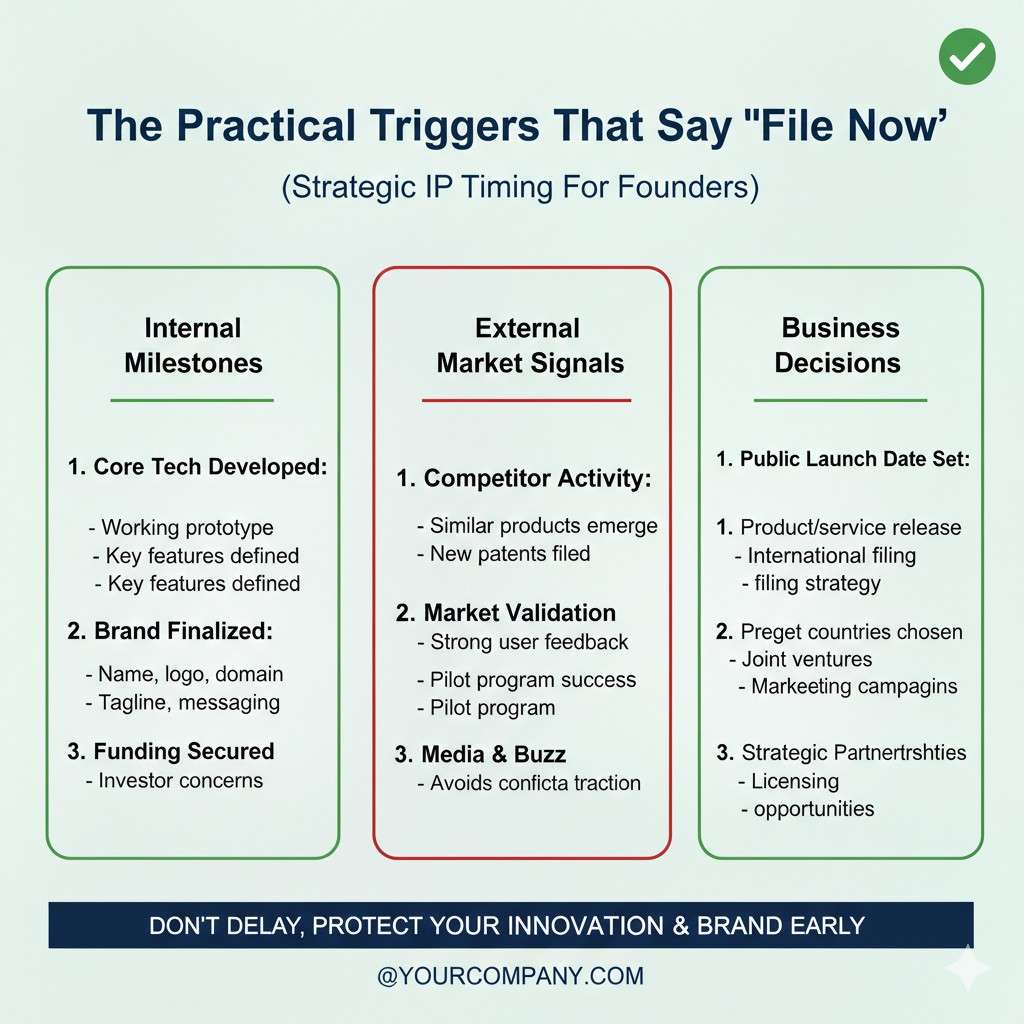
A public launch is a line in the sand. The day you go from quiet building to real visibility is the day your name starts living outside your control. Journalists, users, and partners will repeat it. Social posts will spread it. The name becomes part of the market.
If you plan to launch in a real way—press, events, product hunt style posts, a major webinar, or a big partner announcement—this is one of the cleanest moments to file. You are locking in protection right when the name starts to matter.
You are investing real money into the brand
Spending money is a strong signal. If you are paying for design, a new website, brand video, booth graphics, merch, or paid ads, your name is becoming a financial asset. It is wise to protect it before you pour more into it.
The reason is simple. If a conflict appears later, the money you spent becomes harder to recover. You may have to throw away materials, rebuild your site, and redo your messaging. Filing earlier helps protect the investment you are already making.
You are signing larger customers and long contracts
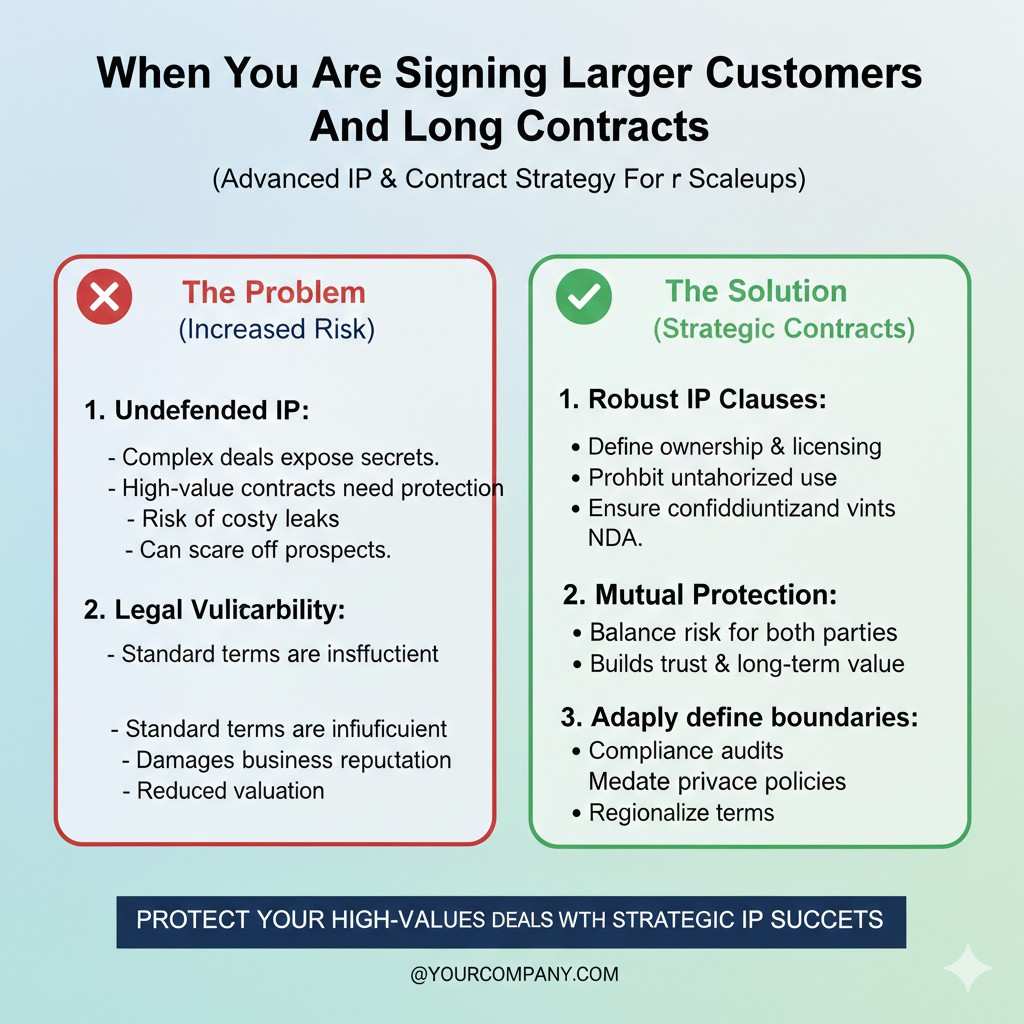
Once larger customers sign, your name enters their systems. If you later have to change it, it can create headaches for them. It can also trigger internal questions like, “Are they stable?” Even when the product works, perception matters.
If your deals are moving toward longer contracts or bigger checks, filing a trademark is often a clean way to reduce a future shock. It signals that you are acting like a long-term company.
Your name is central to your product
Some startups can rebrand with less pain because customers care more about the feature than the name. Others cannot. If your name is tied to trust, safety, or high-stakes work, a forced change is more disruptive.
Robotics and AI companies often sell into serious operations. The buyers are careful. They value stability. If your brand plays a role in trust, it deserves protection sooner.
Tran.vc helps technical founders build strong protection early, so you don’t get trapped later. If you want that kind of support, apply any time: https://www.tran.vc/apply-now-form/
How to Think About “Too Early”
Filing too early can waste focus
There is such a thing as too early. If your name is still a placeholder, and you do not know what you will ship, filing might lock you into a brand you later regret. The filing itself is work. It takes attention, and early founders have limited attention.
The goal is not to file the day you buy a domain. The goal is to file when the name starts carrying real business value and you can commit to it.
A simple test for early-stage teams
If you are still changing your name in casual conversations, you are not ready. If you have a short list of names and you are not sure which one fits, you are also not ready.
But if you say the name with confidence, use it across every deck, and feel that changing it would cause real pain, you are closer than you think. A trademark works best when it protects something you truly plan to keep.
Another test: can you survive a forced rename?
Imagine you get a legal email tomorrow telling you to stop using your name. If you can switch names with little harm, you likely have time. If that would break your pipeline, confuse your users, and cost you months, then the risk is already present.
This is not fear. It is just honest planning.
Choosing What to Trademark First
Company name versus product name
Some startups file the company name first because it appears everywhere. Others file the product name first because the product is what buyers remember. The best choice depends on how you go to market.
If your company name and product name are the same, life is simple. If they are different, you need to decide which one carries demand. The one that pulls buyers toward you is often the one to protect first.
Word mark versus logo
A word mark protects the name as text. That is usually the most valuable part, because people speak and type words more than they copy exact logo shapes. Logos also change over time, especially as you mature and redesign.
A logo filing can still help in some cases, but many founders get more value by protecting the word first. It is the thing that lives in conversations and search results.
Slogans and taglines
Taglines can be protected too, but most early teams do not need that first. The name is the priority. A slogan only matters if it is central to how the market knows you and you are putting it everywhere.
If your tagline is just a nice line on your homepage, protect the name first. Build the base, then protect the extras when they truly matter.
How to Avoid Picking a Name You Can’t Own
Start by assuming “somebody else already has it”
Founders often fall in love with a name because it sounds clean and modern. Short names feel powerful. One-word names feel premium. The trouble is that the more “perfect” a name feels, the more likely another company has already used it in some form.
A safer mindset is to assume the name is already taken until proven otherwise. That one shift keeps you from printing swag, buying ads, and building a whole story around something you might be forced to drop later.
This does not mean you must choose an ugly name. It means you should test reality before you commit.
Do a confusion check, not a spelling check
Most people do not compare names like lawyers. They compare names like busy buyers. They hear the name once in a call, then search it later, then click the first result that looks right.
So your check should focus on confusion. If another company name sounds similar, looks similar, or creates a similar “feel,” you should treat it as a risk. Even if the spelling is different, the market does not care about spelling the way you do.
This is why names like “Nova Robotics” and “Novah Robotics” can still cause trouble. On a call, they are nearly the same. In a memory, they are the same. In a rushed search, they are the same.
Look in the places buyers actually look
If you only check the domain, you are missing most of the risk. Buyers will search on Google. They will check LinkedIn. They will look at app stores, GitHub, and sometimes Crunchbase or similar databases.
Your goal is not to find every single use of the word in the world. Your goal is to see if your buyers will get confused when they try to find you. If confusion is likely, you should either pick a safer name or file sooner and prepare to defend it.
What “clear enough” looks like
A name is safer when it has a distinct sound and a distinct meaning, especially inside your niche. If you are building in robotics, names that sound like common hardware terms can be risky. If you are building in AI, names that sound like common model words can be risky.
A distinct name gives you two advantages. It reduces confusion. It also makes it easier for people to remember you after one meeting, which helps sales.
If you want support doing this the right way while you build serious IP, Tran.vc helps technical founders lock in protection early. Apply any time: https://www.tran.vc/apply-now-form/