
CLOs will matter a lot in 2026. The market will be big. It will be late-cycle. It will be split between strong and weak managers. Spreads at the top of the stack are tight. Equity math is thin. And results will depend more on who runs the deal and how it is built than on “credit up or down.”
This guide is your simple, no-jargon view of what is coming and what to do. We translate the key signals into clear steps. We also show how Tran.vc thinks about where to build and back companies that feed, power, and improve this market.
If you build tools for credit, data, AI, or risk, this is for you. If you allocate to credit and want a plain-English map for 2026, this is for you too.
Shortcut: If you want help applying this to your product or fund, you can apply here: https://www.tran.vc/apply-now-form/
The one-page summary (read this first)
- Set-up: 2026 is likely high volume, late cycle, and high dispersion.
- What that means: Record or near-record issuance. Tight spreads at AAA–BB. Equity returns depend on manager skill, structure, and timing.
- Key risk: Less a big crash. More a long tail of weak loans and weak vintages. Manager choice matters.
- Key edge: Data, analytics, AI-assisted surveillance, clean docs, and flexible structures.
- Our take: Don’t make a “CLOs vs everything else” bet. Back the plumbing—origination, data pipes, analytics, and AI risk tools that help the whole market work better.
- Action now: Map your platform to this plumbing. Build products that spot dispersion, score managers, and help investors trade around it.
- Call to action: Want to turn your tech into protected IP investors value? Apply: https://www.tran.vc/apply-now-form/
Where we are coming from: 2025 was two markets
2025 was split.
- On one side: a big tail of weaker loans. Some sectors were stressed (parts of chemicals and some post-COVID laggards). There were many liability-management moves.
- On the other side: performing loans got tighter and tighter. Credit spreads for strong names sat near 10-year lows. CLO portfolios full of these loans traded close to par plus small spreads.
Issuance and refi/reset activity stayed strong. By late November, new U.S. broadly syndicated loan (BSL) CLOs ran in the $150–180B range. Refinances and resets were near $100B. Global totals pushed into the high hundreds of billions and looked set to beat 2024 by year-end.
Spreads were tight:
- AAA: ~119–121 bps
- AA: ~155 bps
- A: ~175 bps
- BBB: ~250–260 bps
- BB: ~460 bps
That gave mid-single-digit returns at the top of the stack and high-single-digit in BBs. Not bad, but not “easy money.”
Keep that picture in your head. It rolls into 2026.
What 2026 looks like

1) Big volumes, tight spreads, thin arbitrage
Rating agencies and sell-side desks expect 600B-plus in global activity across new issues, resets, and refis. Growth should come from U.S. BSL, U.S. middle-market, Europe, and private-credit CLOs.
The “arbitrage”—assets minus liabilities—is tight. Loans are rich. Tranche spreads are tight. Yet deals still get done because:
- Captive funds and accounts need to put money to work.
- Banks, insurers, and ETFs want high-quality, floating-rate paper.
- Refis and resets, especially in Europe, keep the machine running.
Plain English: Plenty of paper. Not much margin for error. Skill and structure matter.
2) Late-cycle with a long tail
Most credit talk fears a sudden wave of defaults. Here, the risk is more slow grind than big shock. We see stress in pockets: single-B and triple-C names, certain sectors, certain vintages, certain managers. CLOs, especially the upper tranches, have held up as designed. But the tail can drag.
Plain English: The boat floats, but the barnacles slow you down. You win by steering better, not by hoping for a wind gust.
3) Dispersion everywhere
Manager quality. Documentation quality. Vintage effects. Reinvestment status. All these will drive results.
- Many deals that did reset during tight markets look fine.
- The smaller group that didn’t reset often has weaker credit stats, shorter life, and more pressure on junior OC tests.
- In some datasets, ~40% of out-of-reinvestment deals are breaching junior OC tests and trapping interest.
- Failures are concentrated: one panelist noted ~35% of test failures came from just three managers.
- Some deals show negative WAS cushions (-1% to -2%). That is hard to reverse.
Plain English: 2026 is not “all CLOs are the same.” It’s “pick the right manager and deal—or pay for it.”
4) Reinvestment clock matters
Over the last two years, many managers used tight liability markets to reset and refi. So, the share of deals out of reinvestment shrank from roughly half to ~10–20%. The ones left outside are often the weaker ones.
Plain English: The good ships got repaired. The older boats that missed the yard visit need extra care.
5) Europe and private credit step up
Europe had a record year: about €112B across new issues, refis, and resets, with just under €60B new issue alone. There are more “end deals” (calls or wind-downs) than before, which shows a maturing cycle.
Private-credit CLOs should keep growing too. Direct-lending shops want to term out risk in a rated format, and investors like the idea of “private credit in a CLO wrapper.”
Plain English: It’s not just the U.S. BSL world. Europe and private credit are now core parts of the map.
What this means for investors
The top of the stack looks steady

If you want clean carry and floating-rate exposure, AAA and AA can still make sense even with tight spreads. Demand should stay healthy. These tranches keep the whole engine running.
Action: Build a “core carry” sleeve with strict manager screens. Focus on docs, covenants, triple-C management, and vintage mix.
The bottom of the stack is selective
CLO equity can still work, but the margin is thin. You need:
- Best-in-class managers.
- Strong docs.
- Smart timing (new issue vs. reset vs. refi).
- A view on loan-level risk and how it moves.
Action: If you go down the stack, do it with managers you would trust in a storm. Use deal-by-deal analytics. Size positions modestly.
The middle can be sweet—sometimes
BBB/BB can offer higher yields. But look at OC cushion, triple-C buckets, WAS cushion, WARF, cov-lite mix, and reinvestment tail. With dispersion high, idiosyncratic blow-ups matter more.
Action: Run a cross-manager scorecard and stick to your cut lines. Don’t chase a few extra bps if the structure is brittle.
What this means for builders (the Tran.vc lens)
We like the plumbing. In a big, tight, late-cycle market, the edge moves to the platforms that feed deals and improve decisions. We see four clear lanes:
- Origination tech
Tools that source, clean, and package loans that “fit” CLO needs (data-ready, doc-clean, rating-friendly). If you help managers get the right assets faster, you win. - Data pipes and normalization
Loan data is messy across BSL, middle-market, private credit, and Europe. Normalize it, tag it, map it to docs, and keep it fresh. - Analytics and AI risk engines
Manager scoring, vintage scoring, covenant intensity scoring, loan-level surveillance, OC test early-warning. AI can help flag weak assets before they show up in tests. - Workflow and secondary tools
Faster resets and refis. Better “end deal” decisions. Liquidity screens for tranches. Tools that cut hours and errors.
Why this fits now: With spreads tight, the market pays for edge, speed, and clarity. It does not pay as well for “directional beta.”
If you are building in these lanes and want to turn your code into IP that lasts, we can help. Apply here: https://www.tran.vc/apply-now-form/
How to invest in 2026: a simple, step-by-step playbook
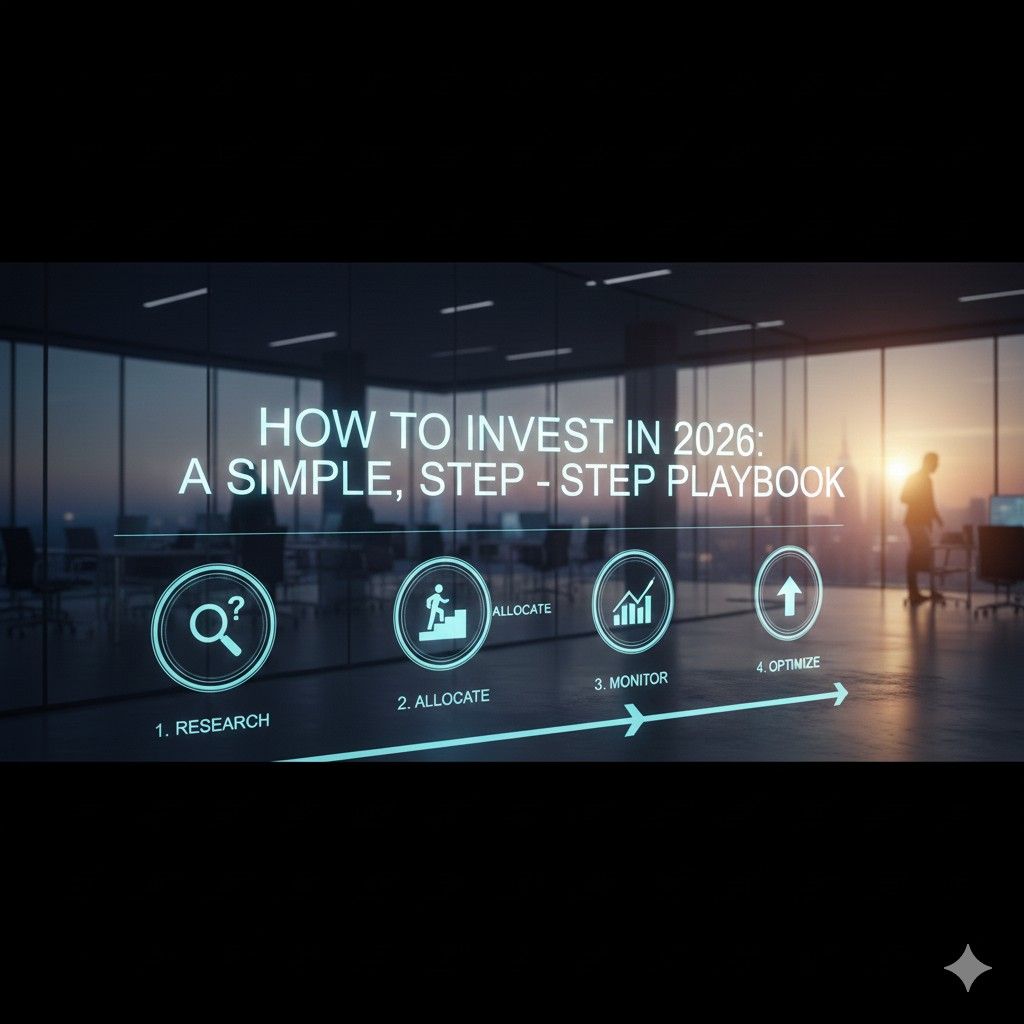
Step 1: Choose the lane
- Carry sleeve: AAA/AA with strict manager filters.
- Risk sleeve: Select BBB/BB with strong OC cushions and clean docs.
- Opportunistic: Equity with top-tier managers, targeted vintages, and clear timing catalysts (e.g., post-reset).
- Infra sleeve: Equity in platforms that power origination, data, analytics, and AI risk.
Tip: Most allocators should blend 2–3 sleeves. Keep equity smaller unless you have real edge.
Step 2: Build your manager and deal scorecard
Keep it short. Weight what matters.
- Manager quality (40%)
- OC breach history
- Triple-C bucket control
- Trading discipline
- Vintage results vs. peers
- Reset/refi execution track record
- Structure (30%)
- OC cushion (junior and mezz)
- WAS and WAS cushion
- WARF trend
- Reinvestment length left
- Concentration and covenants
- Docs (20%)
- Covenant intensity
- “Trap” mechanics (interest diversion)
- Reclass flexibility
- Bucket definitions and limits
- Timing (10%)
- New issue vs. reset vs. refi value
- Loan spread outlook around pricing date
Score each deal 1–5. Set a cut line (e.g., ≥4.0 to buy). Stick to it.
Step 3: Track the three numbers that matter
- OC cushions (by tranche)
- Triple-C bucket (and trend)
- WAS cushion (and trend)
If any trend goes the wrong way for 2–3 months, cut or hedge.
Step 4: Use simple rules for size and pacing
- Top of stack: bigger tickets, steady pacing.
- Mezz: moderate size, buy across managers and months.
- Equity: small tickets, only with top managers, only when structure and timing line up.
Step 5: Write down your exit
- How do you get paid?
- Carry: coupons and roll-down.
- Mezz: carry + price pop on spread tightening.
- Equity: distributions + optional call.
- What would make you sell?
- OC cushion drop
- Triple-C spike
- Manager drift
- Spread shock
If the exit is fuzzy, size small.
2026 watch-list: six things to monitor monthly
- Global issuance pace
If it pushes toward the $600B+ mark, demand for AAA/AA likely stays strong. - Loan spreads
If loan spreads widen while liability spreads lag, arbitrage improves (good for new equity). If both tighten, margin stays thin. - Reset/refi windows
When windows open, weaker vintages can fix themselves. When windows close, stress grows. - OC test failures
Watch the share of deals failing junior OC. If it rises broad-based, step up in the stack. - Manager concentration of stress
If a few managers keep showing trouble, avoid them even if coupons look sweet. - Europe and private-credit growth
More European resets/refis and private-credit CLOs mean more data to learn from—and more places for your tools to sell.
For founders: build for dispersion, not for hype
You cannot fix tight spreads. You can help the market choose better.
Product ideas that win in 2026
- Manager heatmap: rank managers by OC cushion trend, triple-C trend, and vintage outcomes.
- Vintage lens: fast views of which years and structures still show cracks.
- Loan-level AI alerts: “This name is drifting toward triple-C risk; here’s why.”
- Doc intelligence: score covenant strength and map to expected OC behavior.
- Reset/refi optimizer: show when to pull the trigger and how a reset changes cushions and returns.
- Private-credit normalizer: make private loans “CLO-ready” with clean tags, docs, and data.
Go-to-market tips
- Sell to both managers and allocators.
- Lead with a single pain (e.g., OC early-warning), then expand.
- Show before/after on one vintage for one manager.
- Offer an API first. Dashboards second.
- Make “time to answer” your metric: how fast can a user go from question to decision?
IP moves (our home turf)
- File on your scoring method and data pipe design.
- File on your doc-to-data transformation.
- Protect your model features if they are unique.
- Build trademark strategy around your platform brand and key modules.
If you want help turning this into a strong, defensible IP plan, apply now: https://www.tran.vc/apply-now-form/
Europe, private credit, and cross-border strategy

The map is global. Treat U.S. BSL, U.S. middle-market, Europe, and private credit as one connected opportunity, not four separate silos.
What to do:
- Keep a single data model across regions.
- Support multiple risk languages (agency ratings, internal scores, private marks).
- Add currency and legal flags in your data model from day one.
- Design your analytics so a global allocator can compare apples to apples.
- Build “end-deal” help: call vs. wind-down vs. reset, with local rules baked in.
This is how big allocators think. Build for the way they work and you will grow faster.
Where value hides in a tight-spread year
Even when spreads are tight, you can still find good trades. Here are simple places to look.
- Reset “orphans” with fixable issues
Some deals missed the last reset window. If the next window opens, a reset can restore OC cushions and extend life. Buy ahead of that with managers who act fast. - Mezz with quiet strength
Find BBBs/BBs where OC cushion and WAS cushion are trending up, not down. You get paid for risk, but the structure is getting safer. - Private-credit CLO pilots
Early deals from proven direct lenders can price with a small premium. If docs are clean, these can balance a portfolio. - European refi wave
Refis and end deals can create small dislocations. Use analytics to pick spots and time entries. - Cross-manager dispersion trades
Go long the strong manager, short the weak one in similar tranches (if you have hedging tools). If you cannot short, just choose the better manager and pass on the weaker.
Risk map: simple, not scary
What can go wrong in 2026?
- Tail risk grows: More weak names slip into triple-C.
- Reset window shuts: Deals that need fixing can’t fix.
- Docs bite: Loose language blocks needed moves.
- Manager drift: Discipline slips to chase carry.
- Spread shock: Funding costs jump while loan spreads lag.
How to defend:
- Stay higher in the stack for core cash.
- Keep equity small and only with top managers.
- Require rising OC cushions and WAS cushion.
- Favor managers who acted early in past windows.
- Watch Europe and private credit data for early signs.
For Tran.vc founders: a 90-day build plan
Days 1–30: Nail the problem
- Talk to 10 managers and 10 allocators.
- Choose one pain: OC early-warning, doc scoring, or loan drift alerts.
- Build a thin demo on one 2018–2021 vintage.
- File your provisional on your pipeline and scoring idea.
- Add ™ to your brand on site and product.
Days 31–60: Prove value
- Ship an API that returns a simple score and an explanation.
- Run a pilot with two managers and one allocator.
- Measure time to answer (question→decision) and wins vs. false alarms.
- Start a watch service on your mark.
- Draft claims for your scoring and transformation steps.
Days 61–90: Make it stick
- Add basic dashboards.
- Package a “reset/refi helper” module if data supports it.
- Draft a U.S. non-provisional or PCT plan if traction is real.
- Write a 1-pager: “How our scores would have flagged X OC breach 60 days early.”
- Prepare a 5-slide investor deck tied to real P&L impact for buyers.
Need hands-on help with patent strategy, filings, and go-to-market? Apply anytime: https://www.tran.vc/apply-now-form/
FAQs in plain words
Are CLOs safe in 2026?
Top tranches look steady because structures are built to handle single-name trouble. Equity is more selective. Pick managers with care.
Will issuance really be that big?
Yes, forecasts point to 600B+ across new issues, resets, and refis. Europe and private credit add to the total.
What about defaults?
The main worry is a tail of weak loans, not a sudden wave. Structures have handled bumps so far, but manager and doc quality matter.
Is the arbitrage too tight to invest?
It’s tight, so you need edge. That’s why the plumbing—data, analytics, AI tools—matters. At the top of the stack, carry can still work. Down the stack, be picky.
How do private-credit CLOs fit?
They are growing. Think of them as another lane that needs the same tools: clean data, good docs, and strong managers.
Where should founders build?
Build where you can reduce errors and speed decisions: scoring, surveillance, doc intelligence, resets, cross-border normalization.
The Tran.vc stance: back the plumbing
In 2026, CLOs are not just an “asset class.” They are infrastructure for credit. They move risk from originators to investors in a repeatable way. When volumes are high and spreads are tight, small edges decide outcomes. Infrastructure that makes those edges repeatable is valuable.
So we focus on:
- Origination tech that makes collateral “CLO-ready.”
- Data pipes that unify BSL, middle-market, private credit, and Europe.
- Analytics and AI that turn noise into clear, early warnings.
- Workflow that speeds resets, refis, and end-deal choices.
We invest up to $50,000 of in-kind IP services—patent strategy, filings, and practical guidance—to help founders in these lanes lock down their edge early. We are operators and engineers. We’ve filed patents, shipped product, and lived early stage life. We like moats, not hype.
If that sounds right for you, apply now: https://www.tran.vc/apply-now-form/
A simple checklist you can print

For allocators
- Pick your sleeves: carry / mezz / equity / infra.
- Build a 1-page scorecard (manager, structure, docs, timing).
- Track three trends: OC cushion, triple-C bucket, WAS cushion.
- Size and pace with rules you will follow.
- Pre-plan exits.
- Add at least one “plumbing” allocation (data/analytics platform).
For founders
- Choose one pain to solve and solve it well.
- Ship an API first; dashboards second.
- Prove time-to-answer and error cuts.
- File provisional on your data pipe and scoring logic.
- Add ™, plan word-mark filing, then logo.
- Show one vintage case study with real lifts.
Closing

2026 will be bigger. It will be tighter. It will reward skill and punish shortcuts. If you invest, choose managers and structures with care. If you build, make the plumbing better: cleaner data, clearer scores, faster actions. That is where real value sits in a late-cycle, high-dispersion year.
When you are ready to turn this plan into patents, trademarks, and a real moat, we are here to help.
Apply anytime: https://www.tran.vc/apply-now-form/
Let’s build with intention. Protect what matters. And scale on your terms.