
Raising your first round of funding can feel confusing. Most technical founders spend months building the product. They focus on code, models, hardware, or research. Then suddenly investors ask for something very different.
They ask for a data room.
Many founders hear this term and panic. They imagine a complex legal system full of hundreds of documents. In reality, a pre-seed data room is much simpler than people think.
A good data room does one thing very well. It helps investors quickly understand your company and trust that you know what you are doing.
It shows that you are organized.
It shows that you understand your technology.
And most important, it shows that you are building something real.
For deep tech founders in AI, robotics, or advanced software, the data room becomes even more important. Investors are not just betting on your product. They are betting on the defensibility of your technology. They want to know one key thing.
Can this company build something that others cannot easily copy?
This is why intellectual property matters so much early on.
At Tran.vc, we see this problem all the time. Technical founders often build powerful technology but forget to package it properly for investors. That is why we invest up to $50,000 in in-kind patent and IP services to help early teams turn their inventions into real assets.
Instead of chasing funding with only a slide deck, founders can show investors something stronger:
a protected technology foundation.
If you are preparing for a pre-seed round, your data room should tell a very clear story.
It should answer simple questions:
- What problem are you solving?
- What technology makes your solution unique?
- Why are you the team that can build it?
- How will this become a large company?
In this guide, we will walk step by step through how to build a strong pre-seed data room that investors actually want to read.
You will learn how to organize your materials, what documents matter most, how to show technical strength, and how to highlight your intellectual property before competitors catch up.
If you are building in AI, robotics, or deep tech, this step is not optional. A well-built data room can be the difference between investors saying “interesting idea” and saying “let’s fund this.”
And if you want help building the IP foundation that investors look for, you can apply anytime here:
Tran.vc works directly with technical founders to turn their inventions into protected assets before they raise. This gives you leverage when you walk into investor meetings.
Because the best time to build your moat is before everyone else sees the opportunity.
In the next section, we will start with the basics: what a data room actually is and why investors rely on it so heavily during pre-seed fundraising.
What a Data Room Really Is
Understanding the Purpose of a Data Room
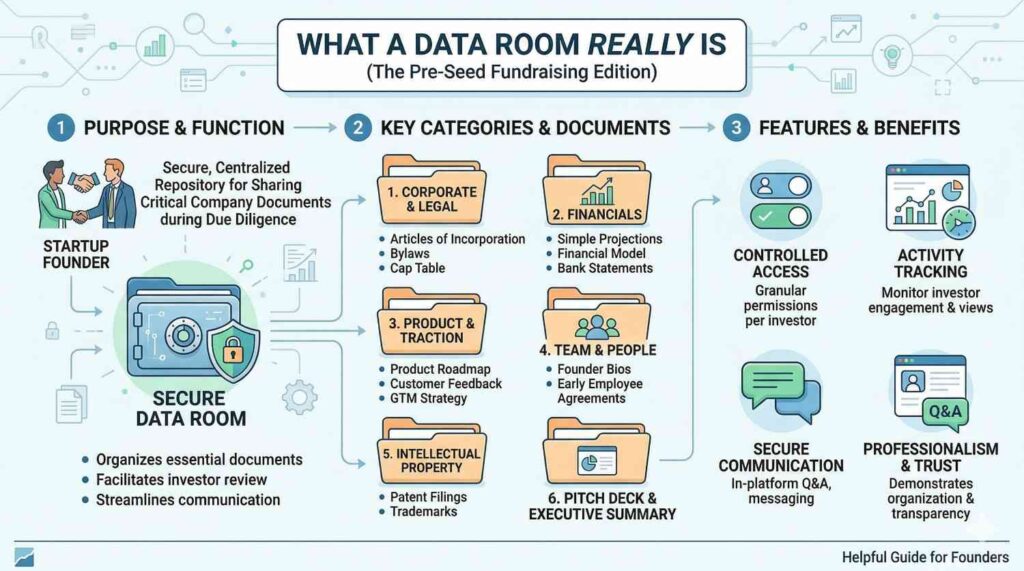
A data room is simply a secure place where investors can review the key information about your company. Most founders imagine something complex or highly technical, but in practice it is just a well-organized folder of documents.
Think of it as the backstage of your startup. Your pitch deck shows the story. The data room shows the proof.
Investors look at a data room when they want to go deeper. After a first call or a strong pitch, they often ask for access so they can understand how the company actually works.
This is where they examine the details. They want to see how the product is built, who owns the technology, how the company is structured, and how the team plans to grow.
At the pre-seed stage, investors are not expecting perfection. They know your company is still early. What they care about is whether the founder understands the business well enough to build something real.
A clean data room signals discipline. It shows that the founder is thoughtful and prepared. It tells investors that if they invest today, the company will handle bigger responsibilities tomorrow.
Why Investors Ask for a Data Room
Many founders think the data room exists to help investors make decisions. That is partly true, but there is another reason.
Investors use the data room to reduce risk.
Early stage investing always involves uncertainty. The product may change. The market may evolve. The business model may shift. But investors want to remove the risks that can be avoided.
For example, they want to know that the company legally owns the technology it is building. They want to confirm that founders actually hold the rights to the code, research, or algorithms.
They also want to see how the company is structured. If ownership is messy or unclear, investors become nervous.
A well prepared data room answers these questions before they become problems. It gives investors confidence that the founder has thought carefully about the company’s foundation.
For deep tech startups, this confidence often comes from something very specific.
It comes from intellectual property.
Why IP Matters So Much at Pre-Seed
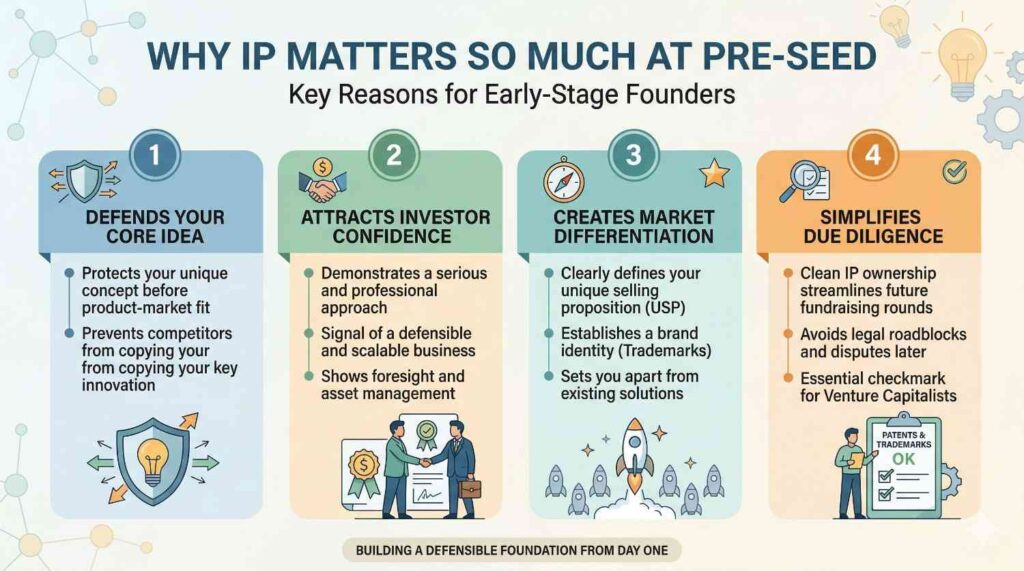
In software startups, investors sometimes focus mostly on growth potential. But in deep technology companies, the situation is different.
If you are building advanced AI models, robotics systems, hardware, or scientific tools, investors need to know that the innovation can be protected.
Without protection, a large company can copy the technology once it becomes visible.
That is why patents and IP strategy often become part of the conversation even at the pre-seed stage.
A strong data room does not just show a prototype. It shows that the core invention is defensible.
This is one of the main reasons founders work with Tran.vc.
Tran.vc helps technical teams turn their ideas into protected assets early. Instead of waiting until after fundraising, founders can build an IP strategy before they approach investors.
This changes the entire fundraising dynamic.
When investors see early patent filings or a clear IP roadmap, the conversation shifts from “interesting experiment” to “valuable technology platform.”
If you are building deep technology and want to strengthen this part of your story, you can apply anytime here:
Tran.vc invests up to $50,000 in in-kind patent and IP services to help founders build this protection before their seed round.
The Data Room Is Also a Story
Many founders make one common mistake. They treat the data room like a storage folder where random documents are uploaded.
That approach rarely works well.
A strong data room is structured like a story. Each document helps investors understand a different piece of the company.
When investors move through the folders, they should slowly gain confidence.
First they understand the problem.
Then they see the technology.
Then they see the team.
Then they understand the market.
Finally, they see the path to growth.
If the documents appear scattered or unclear, investors become confused. Confusion is dangerous during fundraising because it creates hesitation.
Clarity builds trust.
How Investors Actually Review Data Rooms
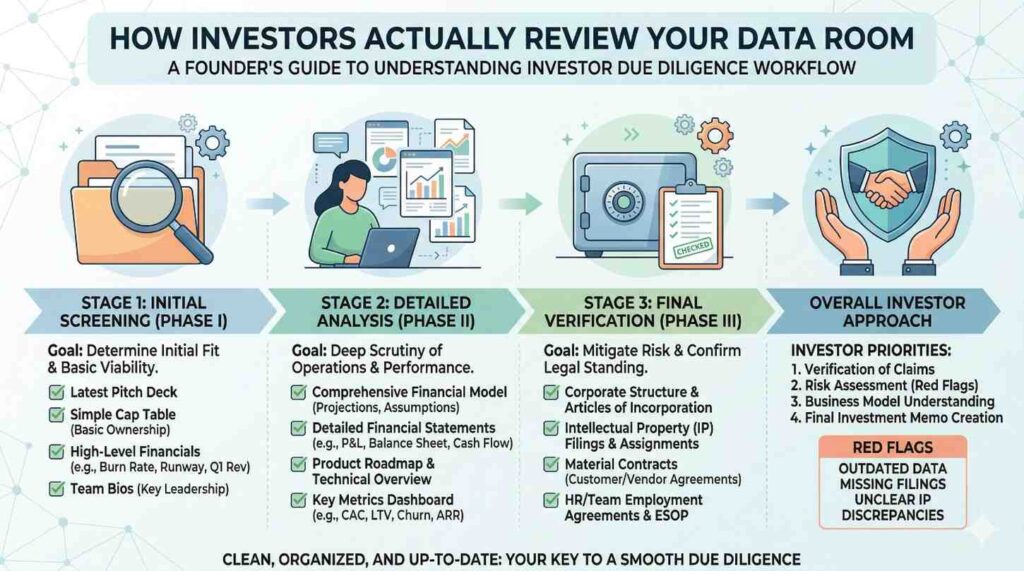
Another fact surprises many founders.
Investors rarely read every document in detail.
Instead, they scan quickly. They open a few files, look at the structure, and try to understand how well the company is organized.
If the structure feels logical, they continue exploring. If it feels messy, they may lose interest.
This means presentation matters more than volume.
You do not need hundreds of documents. You only need the right documents presented in a clear way.
A small, well organized data room often performs much better than a large but chaotic one.
The Best Time to Build Your Data Room
Many founders wait until investors ask for a data room before building one. This usually leads to stress and rushed preparation.
The smarter approach is to build the data room before fundraising begins.
When the documents are already prepared, you can respond to investor requests immediately. This creates momentum during conversations.
Momentum matters more than most founders realize.
When an investor becomes interested, delays can break the energy of the discussion. If they must wait weeks for documents, they often shift their attention to another opportunity.
Having a ready data room allows you to move quickly.
It signals professionalism and preparedness.
The Hidden Advantage of a Strong Data Room
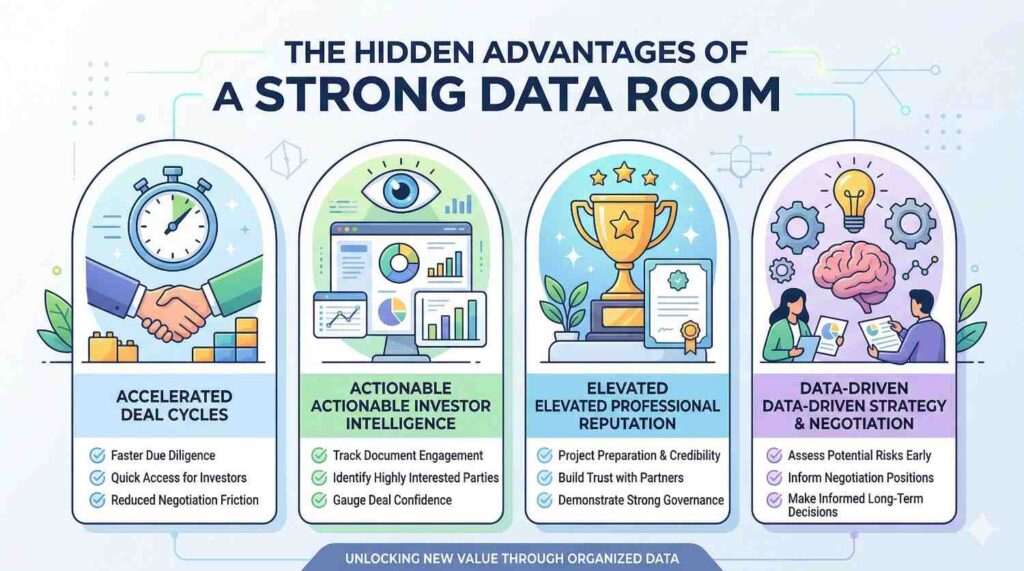
There is also a hidden benefit that many founders do not expect.
Building a data room forces you to clarify your own thinking.
When you start organizing documents, you quickly notice gaps in your strategy. You might realize that your technology description is unclear, or that your market story needs stronger evidence.
This process helps you strengthen the company before investors even review it.
Many founders say that building their data room improved their pitch dramatically. It forced them to explain the company more clearly.
This clarity often leads to better investor conversations.
Why Deep Tech Founders Should Start Early
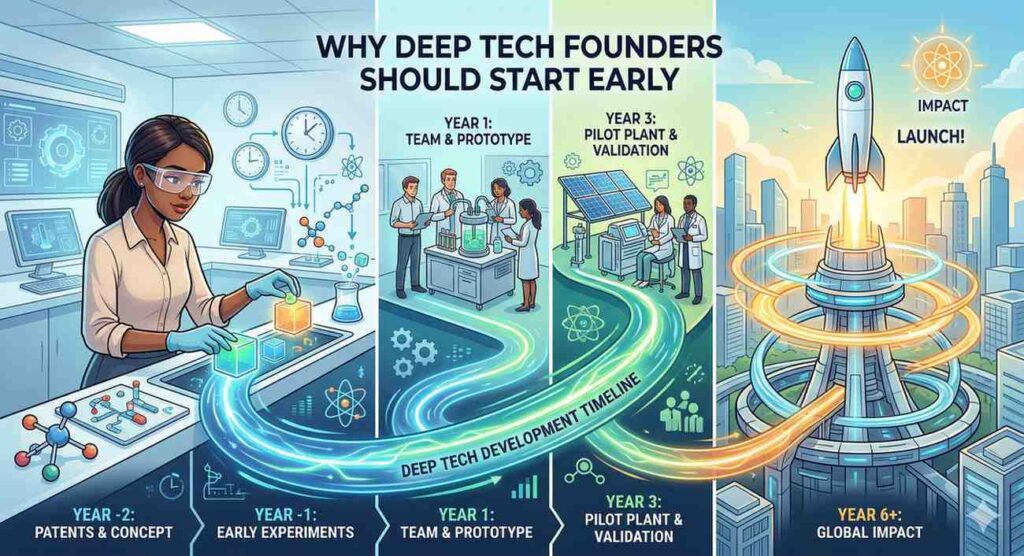
If your startup is building complex technology, the data room becomes even more valuable.
Deep tech investors often include engineers, scientists, or technical partners. These people will look deeper into the materials than typical venture investors.
They want to understand how the technology works.
They want to know what makes it different.
And they want to see whether the company has built a real barrier against competition.
A thoughtful data room allows you to present this information in a clear way.
It also gives you a place to showcase early patent work, research insights, or technical breakthroughs that may not fit inside a pitch deck.
This is exactly the type of foundation Tran.vc helps founders build.
By developing an IP strategy early, technical teams can show investors that their innovation is not just impressive — it is protected.
If you want help creating that foundation before raising your pre-seed round, you can apply here:
Tran.vc works directly with founders to turn ideas into defensible technology assets that investors respect.
Preparing for the Next Step
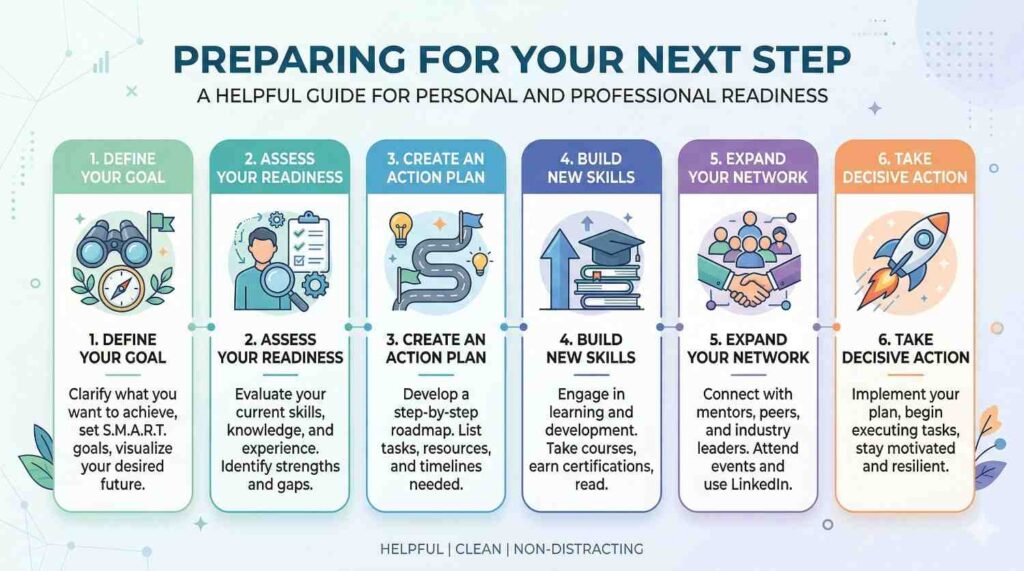
Now that we understand what a data room is and why investors care about it, the next question becomes much more practical.
What should actually go inside it?
Many founders overthink this step. They assume they need dozens of complex legal documents. In reality, a strong pre-seed data room focuses on a few key areas.
It shows the company story.
It shows the technology.
It shows the team.
And it shows the foundation of the business.
The Core Structure of a Pre-Seed Data Room
Start With Clear Organization
The biggest mistake founders make is turning the data room into a messy document dump. Investors open the folder and see dozens of files with random names. They have no idea where to start.
When this happens, they often stop exploring.
A strong data room feels calm and structured. When an investor opens it, they should instantly understand where everything lives.
Think of the data room like a small library. Each section has a clear purpose. Documents sit in logical places. Nothing feels hidden or confusing.
You do not need complex tools to achieve this. Most early founders simply use Google Drive or Dropbox.
What matters is not the platform. What matters is how clearly the information is organized.
If an investor can understand your company within a few minutes of browsing the folders, you are doing it right.
The First Folder: Your Company Story
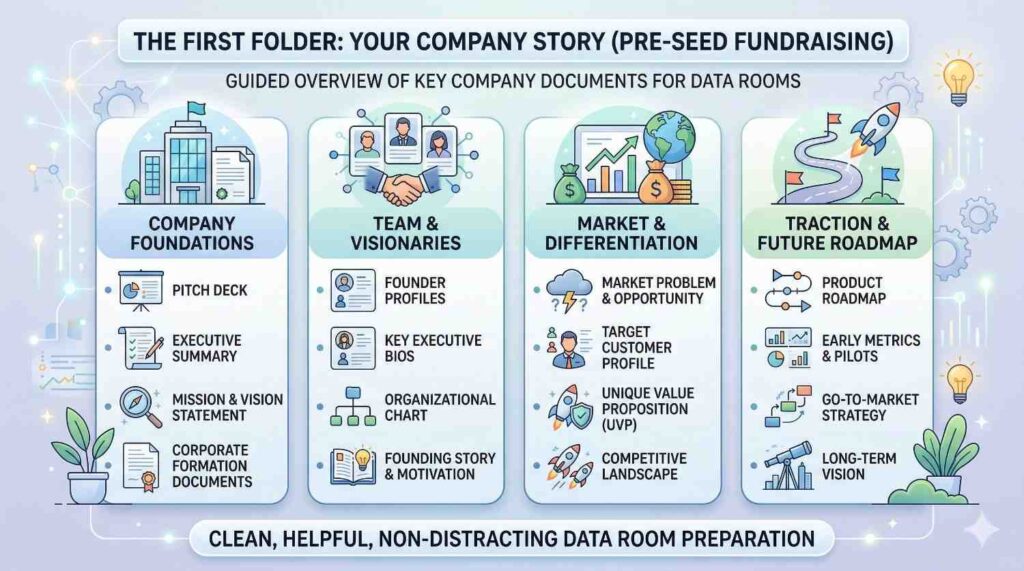
Every data room should begin with a simple section that explains the company. This is the starting point for investors who want to understand the big picture before diving into details.
Inside this section, you place materials that explain the vision of the startup.
The pitch deck usually lives here. It gives investors the overview of the problem, the solution, and the long-term opportunity.
If you have a short product demo video, this is also a good place to include it. A simple walkthrough of your technology can often communicate more than several slides.
Investors appreciate seeing how the product actually works. Even a rough prototype can help them imagine the future of the company.
You may also include a short written overview of the company. This document can explain the story in plain language.
Many founders underestimate the power of writing. A clear written explanation forces you to simplify your thinking. It also helps investors remember your company after reviewing many others.
The goal of this section is not to overwhelm the reader. It simply sets the stage for everything that follows.
The Technology Section
For deep tech companies, this is one of the most important parts of the entire data room.
Investors who focus on AI, robotics, and advanced software want to understand what makes your technology different. They do not need every line of code, but they do need enough context to evaluate the innovation.
This section should explain how your system works at a high level.
Describe the core approach behind your technology. Explain what problem the architecture solves. Help investors understand why your method is better than existing solutions.
You should avoid heavy academic language. Most investors prefer explanations that are simple and direct.
Instead of overwhelming them with complex research terminology, focus on the real advantage your system creates.
For example, if your AI model learns faster, explain why. If your robotics system uses a new sensing method, describe how that changes performance.
Clarity is more valuable than complexity.
Many deep tech founders also include a short technical whitepaper in this section. This document can go deeper into the science or engineering behind the product.
Technical investors often enjoy reviewing this material because it shows the depth of the team’s thinking.
Showing Technical Progress
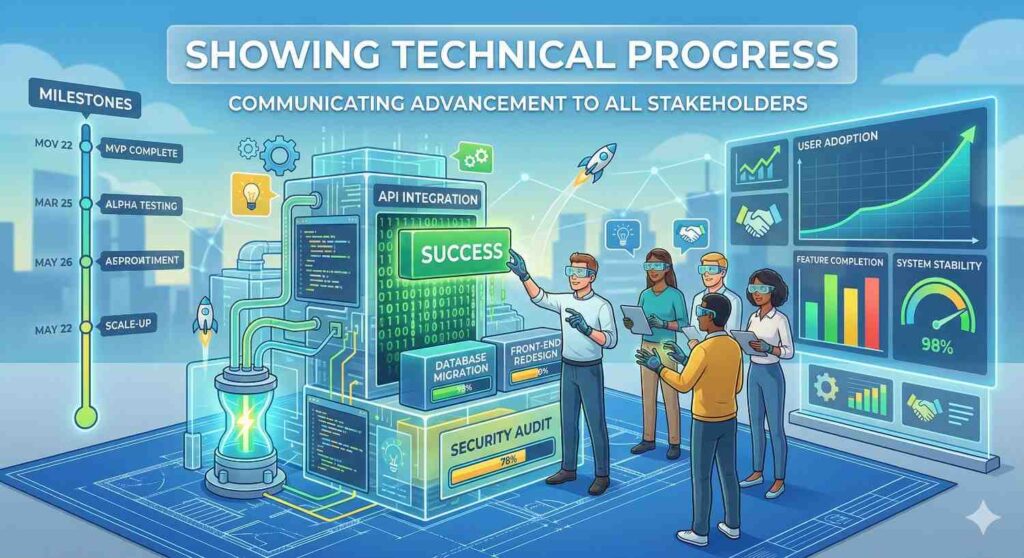
Investors want to see evidence that the technology is moving forward.
This does not mean you need a finished product. Pre-seed investors understand that the system is still early.
What they want to see is momentum.
You can show early prototypes, system architecture diagrams, or internal research results. Even small milestones help demonstrate that the company is actively solving hard problems.
If your startup is working with hardware or robotics, photos or short videos of early prototypes can be very powerful.
These small pieces of evidence help investors believe that the technology is real and improving.
Highlighting Intellectual Property
This is where many early startups miss an opportunity.
Technical founders often build impressive inventions but forget to protect them. When investors review the data room, they see interesting technology but no clear barrier against competitors.
This creates hesitation.
A strong IP section tells investors that the company understands how to protect its breakthroughs.
If you have already filed patents, this is where you include them. You can also show provisional filings or draft patent strategies.
Even a clear explanation of what you plan to patent can be valuable.
The goal is to show that your technology can become a defensible asset, not just a temporary advantage.
This is exactly the area where Tran.vc helps founders most.
Tran.vc works with deep tech teams to develop patent strategies early, often before the seed round begins. Instead of waiting until competitors appear, founders build protection from the start.
This early work often becomes a powerful signal to investors.
When investors see a thoughtful IP strategy, they understand that the founder is thinking long term. They see a company that plans to build a moat, not just a product.
If you want help building this kind of foundation, you can apply here:
Tran.vc invests up to $50,000 in in-kind patent and IP services to help founders transform technical ideas into protected assets.
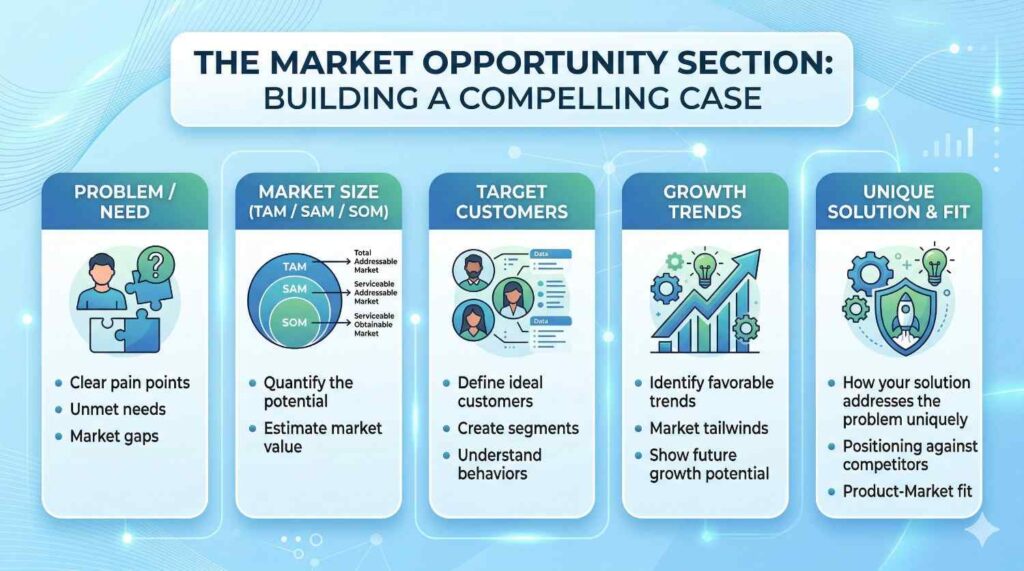
The Market Opportunity Section
After understanding the technology, investors usually want to explore the market.
They want to know whether the innovation solves a real and meaningful problem.
This section of the data room explains who the product is for and why the opportunity is large.
Instead of filling pages with industry statistics, focus on clarity.
Explain the problem customers face today. Describe how existing solutions fall short. Then show how your technology changes the situation.
Investors often appreciate simple real-world examples.
If your AI system reduces cost for a specific workflow, explain the current cost and how your solution improves it.
If your robotics platform replaces manual work, describe how that work happens today.
The goal is to help investors visualize how your product fits into the real world.
Early Customer Signals
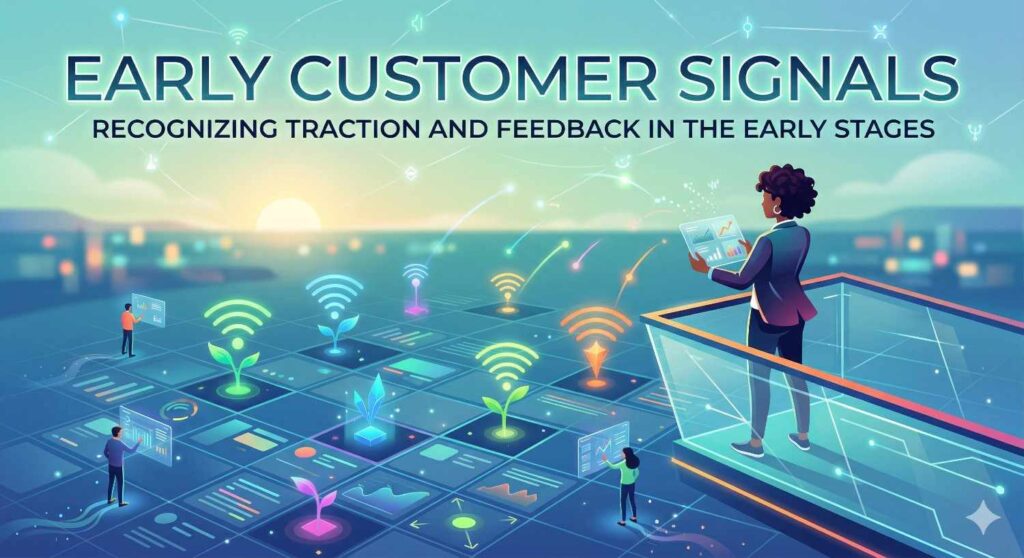
Even at the pre-seed stage, small signs of customer interest can strengthen your data room.
You might include early pilot agreements, letters of intent, or feedback from potential users.
These signals show that the problem is not just theoretical.
Customers are already paying attention.
If you have conducted interviews with industry experts, you can summarize those insights here. Short quotes from potential users often help investors understand the urgency of the problem.
The point is not to prove massive demand yet. The point is to show that you are learning directly from the market.
The Team Section
Investors often say they invest in teams more than ideas. At the pre-seed stage, this statement is usually true.
Your team section should help investors understand why this group of people can build the company.
You can include short biographies of each founder and key team member. Focus on the experiences that relate directly to the problem you are solving.
If someone on the team has deep research experience in the field, highlight it. If another founder has built similar systems before, explain that background.
This section should also show how the team works together.
Many great startups emerge from strong collaboration between technical and operational founders. Investors want to see that the group has both the technical depth and the practical drive to execute.
Advisors and Early Supporters

If experienced advisors are helping the company, it can be helpful to mention them here.
Advisors with strong technical or industry backgrounds often give investors additional confidence.
However, this section should remain honest and simple. Only include advisors who are actively contributing to the company.
Quality matters far more than quantity.
Preparing for Investor Due Diligence
As investors move deeper into the evaluation process, they will begin reviewing legal and company formation documents.
This usually happens after initial interest is established. But having these materials ready inside the data room makes the process smoother.
Documents related to company formation, founder agreements, and equity structure should be organized clearly.
Clean legal structure gives investors confidence that the company can move forward without complications.
Building Trust Through Transparency
The real purpose of the data room is trust.
Investors know that early startups still have many unknowns. They are not expecting a perfect company.
What they are looking for is a founder who communicates clearly and honestly.
A thoughtful data room shows that the company is serious. It shows that the founder respects the investor’s time.
And most importantly, it shows that the startup is building something real.
When this trust forms, investor conversations become much easier.